Buon Ma Thuot · Pagkain
Buon Ma Thuot Food: What to Eat & Where to Buy Local Specialties
Ni Wander in Vietnam editorial team · Hanoi, Vietnam
Buon Ma Thuot's food story is not Instagram-filtered street food or resort plating. It's the real economy of a coffee-farming region where robusta dominates 95% of Vietnam's supply, where locals drink strong, bitter coffee at dawn, and where highland vegetables and game appear on tables before they hit a restaurant menu.
We've walked the markets here, tasted coffee at wholesale roasters' back tables, and eaten cơm lam at roadside stalls where the bamboo is split that morning. This is what you need to know before you buy, eat, or bring Buon Ma Thuot food home.
---
Cà Phê Robusta: Why Buon Ma Thuot Coffee Is Stronger & Cheaper
Why does Buon Ma Thuot robusta taste different from arabica, and is it worth buying?
Robusta coffee (cà phê robusta) has twice the caffeine of arabica, tastes earthy and bitter, and grows perfectly in the Tây Nguyên highlands' acidic, red soil. Buon Ma Thuot roasters sell single-origin beans at 80,000–150,000 VND/kg (₱170–320), far below café prices. The catch: robusta is acquired taste—rough-edged, no floral notes, honest bitterness.
Who is robusta for?
- Early risers who need caffeine punch, not smoothness.
- Coffee purists who value origin and freshness over brand.
- Gift-givers sending home authentic Vietnamese coffee.
Not a good fit if:
- You prefer lighter, fruity coffee.
- You're used to arabica-only specialty culture.
Local roasters in the Tây Nguyên ward (near Ea Tam market) sell 1 kg bags with handwritten roast dates. Buy from shops where you see beans being roasted in-house, not vacuum-sealed in fancy packaging at tourist cafés downtown. A good sign: the shopkeeper can tell you the farm name and altitude.
---
Cà Phê Trứng: The Egg-Coffee Ritual & Where to Drink It Right
What is cà phê trứng, and does it taste as good as the hype suggests?
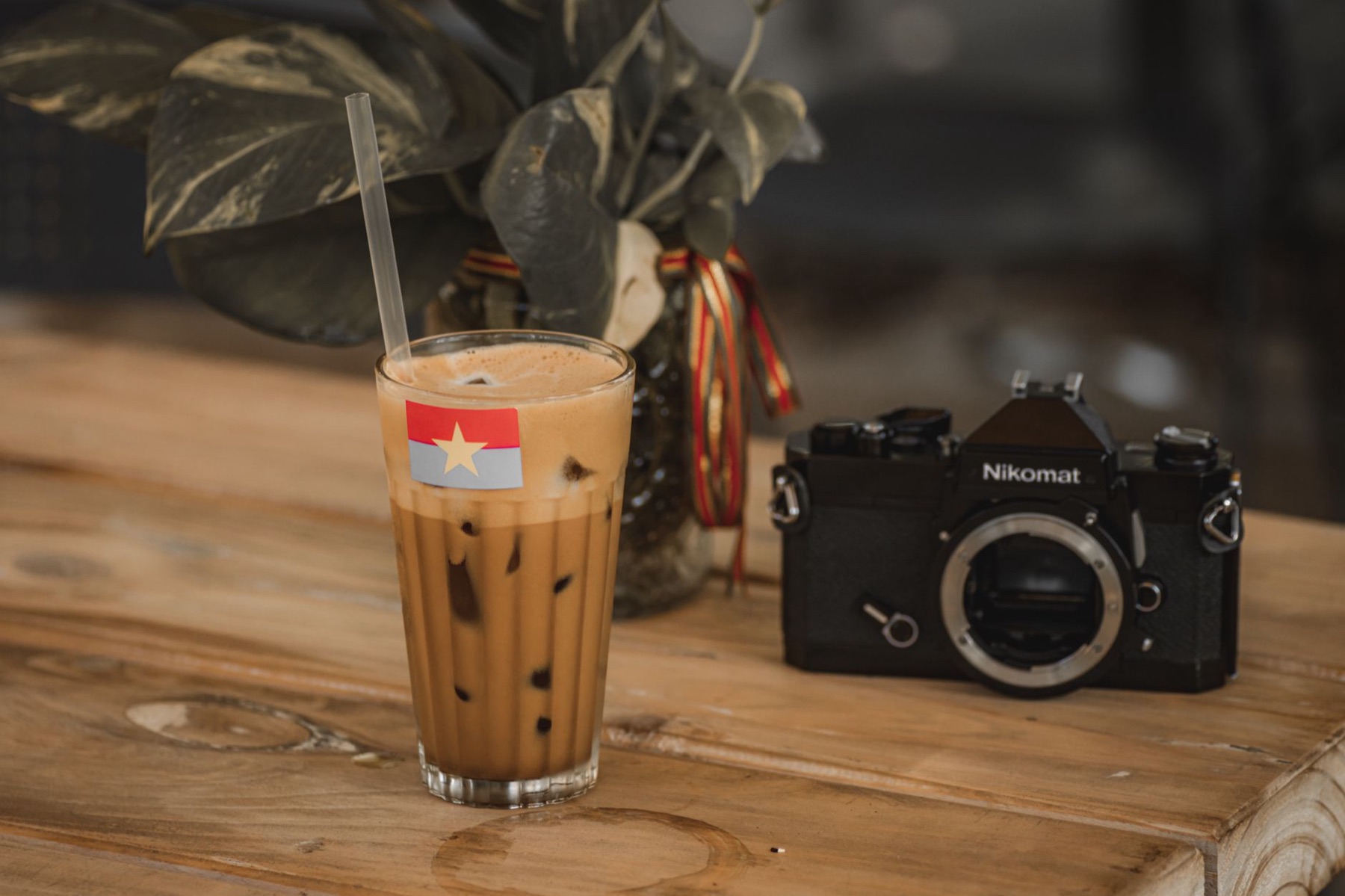
Cà phê trứng (egg coffee) is a thick, creamy layer of whipped egg yolk and condensed milk poured over hot robusta coffee. The drink is silky, sweet, and historically Hanoi-born—but Buon Ma Thuot cafés use local robusta beans, making it earthier and less rich than the capital's versions.
A proper cà phê trứng costs 35,000–50,000 VND (₱75–107) at mid-range cafés; tourist spots charge 60,000+ VND (₱128+). The yolks must be fresh (no restaurant smell), and the coffee poured scalding over ice so the bottom layer stays cold while the egg stays warm.
Where to drink it (avoiding tourist traps):
- Local coffee shops in residential wards, not Nguyen Tat Thanh Street (the main tourist drag).
- Early morning (6–7 a.m.), when locals drink it; the milk and eggs are freshest.
- Ask for no extra sugar; good cà phê trứng is already sweet.
Red flag: If the café has a picture menu or English signage, egg coffee will be made to speed, not care. If you see the yolk sitting unrefrigerated, walk out.
---
Cơm Lam & Mountain Vegetables: The Hard-to-Replicate Specialty
Can you buy cơm lam (bamboo-tube rice) ready to eat, or must it be cooked fresh?
Cơm lam is glutinous rice roasted inside a bamboo tube, traditionally cooked over charcoal at roadside stalls or family gatherings. The rice absorbs a faint bamboo scent and develops a light char. You cannot buy cơm lam packaged; it must be ordered fresh and consumed within hours.
Where to eat it:
- Morning markets (Ea Tam market, Dak Lak Province): stalls open 5–8 a.m., sell 20,000–30,000 VND tubes (₱43–64).
- Roadside stalls on Highway 14 heading toward the coffee plantations: vendors roast tubes over open fires.
- Family restaurants (com tam hut) serve it with grilled fish or game.
Cơm lam pairs with rau dơi (Amazonian elephant ear greens), canh chua (sour tamarind soup), and cá kho (caramelized fish). These vegetables are mountain-specific; you won't find them in Hanoi or Ho Chi Minh City markets.
Honest note: Cơm lam is labor-heavy, tastes subtle, and doesn't photograph well. It's a "know what you're eating" dish, not a showstopper. But if you want to taste how upland Dak Lak families eat, it's irreplaceable.
---
Coffee Beans to Take Home: Buying Direct vs. Tourist Shops
| Where to Buy | Price/kg | Roast Level | Risk | Best For |
|---|---|---|---|---|
| Wholesale roaster (Tây Nguyên ward) | 80,000–120,000 VND (₱170–256) | Medium–dark | Must speak some Vietnamese | Bulk, genuine origin |
| Local coffee co-op or farmer stall | 100,000–140,000 VND (₱213–298) | Variable | Ungraded, unpackaged | Experimenting, absolute freshness |
| Mid-range café (selling retail bags) | 120,000–180,000 VND (₱256–384) | Medium | Markup but sealed | Convenience, small gifts |
| Tourist-zone shops (Nguyen Tat Thanh) | 180,000–300,000 VND (₱384–640) | Dark (often burnt) | Over-roasted to mask age | Only if you must buy near hotels |
What to check before buying:
- Roast date: Ask "ngày rang?" (when roasted?). If it's older than 2 weeks, beans are stale.
- Smell: Robusta should smell strong, almost acrid—not musty or sour.
- Beans in vacuum packs: Press the bag; if rock-hard with no air, the beans were sealed too soon and may be underroasted.
- Ask for a taste: Legitimate roasters let you try a small cup before committing.
Pro move: Buy whole beans, not ground. Ground coffee oxidizes fast and is hard to verify for freshness. Bring a small hand grinder (giã cà phê) or find a café with a grinder you can use for 5,000 VND (₱11).
---
Local Snacks & Street Food: What to Buy in Markets
Are Buon Ma Thuot snacks worth buying as gifts, or is most street food risky?
The highlands produce specific dried goods and snacks that don't travel well everywhere but last 2–3 weeks if sealed:
Bánh tráng nướng (grilled tamarind rice paper): thin, crispy sheets brushed with tamarind paste, sesame, and shallot. Buy from Ea Tam market stalls, around 30,000–50,000 VND (₱64–107) per pack. These travel well if kept dry.
Kẹo mạch nha (barley candy) and kẹo me (tamarind candy): locally made, 20,000–35,000 VND (₱43–75) per small bag. Real ones are wrapped in paper (not plastic). Verify by pinching: good tamarind candy is chewy, not rubbery.
Đậu phộng tẩm (spiced peanuts): roasted with anise, cinnamon, and salt. Buy from farmers' stalls at markets, not packaged in shops. A 500g bag costs 40,000–60,000 VND (₱85–128).
Honey and forest herbs (mật ong rừng): upland beekeepers sell raw honey in glass jars or plastic bottles. Verify it's not sugar syrup by checking the label. Real forest honey is cloudy and costs 80,000–150,000 VND per jar (₱170–320).
Cảnh báo (warning): Plastic-wrapped snacks in tourist shops often have no date labels. Dried goods can harbor moisture or insects if stored poorly. Always open packages at the counter before leaving.
---
How to Avoid Tourist Scams & Overpayment
What are the most common rip-offs when buying Buon Ma Thuot food, and how do you spot them?
- "Premium robusta" at 250,000+ VND/kg (₱533+): Robusta doesn't have premium grades. You're paying for packaging. Local wholesale is 80,000–150,000 VND; anything above is markup.
- Cà phê trứng with powdered eggs: Real egg coffee uses fresh yolks. If you see a small container of yellow powder behind the counter, the eggs are synthetic. Cost to the café: 5,000 VND; they charge 60,000+ (₱128+).
- "Aged coffee" or "vintage beans": Robusta doesn't improve with age; it stales. If a shopkeeper claims 5-year-old beans, ask to smell the bag. Old coffee smells musty, not fresh-roasted.
- Fake origin labels: Beans labeled "100% Pure Dak Lak Robusta" might be blended with cheaper Cambodia or Laos robusta. Honest roasters list the exact ward or farm name.
- Honey with "certificate of authenticity" (printed in-shop): Certificates are worthless. Real honey comes with a simple label showing the beekeeper's name or village.
How to avoid it:
- Eat and buy where locals eat. Prices stay honest when families are regular customers.
- Ask prices before ordering. If a café doesn't list cà phê trứng on the wall menu, ask verbally—verbal prices are usually lower.
- Buy early morning or late afternoon. Midday (11 a.m.–3 p.m.) is peak tourist hour; prices rise 20–40%.
- Bring a Vietnamese speaker or use Google Translate for labels. Don't rely on English-speaking shopkeepers to explain what you're buying.
---
When to Visit Buon Ma Thuot's Food Markets & Coffee Farms
What's the best time to buy food in Buon Ma Thuot, and should you tour a coffee farm?
Best months: November to January (cool, dry, post-harvest). Coffee roasting peaks in December and January. Markets are fullest with fresh mountain vegetables and new-season beans.
Avoid: May to September (monsoon, markets flooded, beans stored indoors and musty).
Ea Tam Market (Chợ Ea Tam, 6–11 a.m. daily): The city's main wet market. Robusta beans sell by weight, dried goods line one corridor, meat and vegetables fill the center. No English signage; bring a phone translator.
Coffee farm visits: Tourist agencies push "coffee farm tours" for 300,000–600,000 VND (₱640–1,280). Most are mediocre—you see beans drying but no real work. Better: ask your hotel if they know a farmer who sells directly. Buying 1 kg straight from the grower costs 80,000–100,000 VND (₱170–213) and includes a real conversation.
---
Putting It Together: A Checklist Before You Buy Buon Ma Thuot Food
Step 1: Decide what you actually want
- Whole beans to roast at home? → Buy from Tây Nguyên ward roasters.
- A gift for a coffee lover in your home country? → Sealed bags, medium roast, with roast date.
- Street snacks to eat now? → Ea Tam market, 6–8 a.m., cash only.
- Cà phê trứng to experience the city? → Local cafés, not Nguyen Tat Thanh Street, early morning.
Step 2: Verify freshness
- Beans: roast date within 2 weeks, smell strong, no musty odor.
- Snacks: no visible moisture or discoloration, sealed packages, expiry date visible.
- Egg coffee: watch the yolks being cracked; refuse if they're pre-cracked or pale.
Step 3: Negotiate politely (or accept the price)
- Wholesale roasters expect negotiation on bulk orders (3+ kg).
- Cafés and markets: prices are fixed; asking for discounts is rare and awkward.
- Tourist shops: prices are inflated; walk away if you feel cheated.
Step 4: Pack and transport
- Whole beans travel well in sealed bags; keep away from heat and light.
- Dried snacks: pack in ziplock bags to prevent moisture.
- Cà phê trứng: enjoy fresh; don't try to take it with you.
---
🗺️ Planuhin ang iyong ruta sa Vietnam
---
Final Honest Take: Is Buon Ma Thuot Food Worth the Trip?
If you're a coffee fanatic or upland cuisine enthusiast, yes. You'll taste robusta at source, meet roasters, and eat cơm lam and mountain greens nowhere else. The food is not refined; it's raw and regional.
If you're a casual traveler expecting fine dining or Instagram-worthy plating, Buon Ma Thuot will disappoint. The city has no haute-cuisine scene. Restaurants are functional, family-run, and serve one or two signature dishes. Your reward is authenticity, not ambiance.
We recommend visiting Buon Ma Thuot as part of a Vietnam itinerary that includes the Central Highlands—pair it with Ninh Binh or Ha Long Bay for contrast. Spend 2–3 days; one is enough for markets and coffee.
When you're done, arrange an eSIM for your phone to stay connected to maps and translation tools—Vietnam eSIM guide here. If you're flying in from Ho Chi Minh City or Hanoi, book a budget airline 2–3 weeks ahead; domestic flights fill fast.
📸 Mag-book ng ao dai photoshoot sa Hanoi o Saigon (Cáo Studio)
---
FAQ
Can I mail Buon Ma Thuot coffee home? Will it stay fresh?
Yes, whole beans in vacuum-sealed bags stay fresh 4–6 weeks. Seal out oxygen and light. Ground coffee loses flavor in 2 weeks. Pack beans in a second layer of plastic inside your luggage to prevent punctures during travel.
Is cà phê trứng safe to drink if you're worried about raw eggs?
The eggs are raw, so it's a real risk for pregnant people, young children, or immunocompromised travelers. Ask cafés if they use pasteurized yolks (rarely available). Safest option: skip cà phê trứng if eggs concern you.
How much robusta coffee should I buy as a gift?
One 500g bag (around 45,000–75,000 VND / ₱96–160) is a thoughtful single gift. A 1 kg bag suits coffee-obsessed friends. Anything over 2 kg is too heavy for luggage unless you're checked bags.
Are there vegetarian options in Buon Ma Thuot food culture?
Yes. Cơm lam, bánh tráng nướng, and many noodle soups (bánh canh) are vegetarian. Cà phê trứng has eggs and condensed milk. Game and grilled fish dominate restaurants, but tofu (đậu phụ) is always available and cheap (10,000–20,000 VND / ₱21–43 per dish).
What's the difference between Buon Ma Thuot robusta and Instant robusta coffee powder?
Whole beans are pure roasted beans; instant is spray-dried or freeze-dried extract. Instant is convenient but tastes flatter and loses the body and bitterness that make robusta distinctive. Buy whole beans if possible; grind by hand. ===
Mga karaniwang tanong
Can I mail Buon Ma Thuot coffee home? Will it stay fresh?
Yes, whole beans in vacuum-sealed bags stay fresh 4–6 weeks. Seal out oxygen and light. Ground coffee loses flavor in 2 weeks. Pack beans in a second layer of plastic inside your luggage to prevent punctures during travel.
Is cà phê trứng safe to drink if you're worried about raw eggs?
The eggs are raw, so it's a real risk for pregnant people, young children, or immunocompromised travelers. Ask cafés if they use pasteurized yolks (rarely available). Safest option: skip cà phê trứng if eggs concern you.
How much robusta coffee should I buy as a gift?
One 500g bag (around 45,000–75,000 VND / ₱96–160) is a thoughtful single gift. A 1 kg bag suits coffee-obsessed friends. Anything over 2 kg is too heavy for luggage unless you're checked bags.
Are there vegetarian options in Buon Ma Thuot food culture?
Yes. Cơm lam, bánh tráng nướng, and many noodle soups (bánh canh) are vegetarian. Cà phê trứng has eggs and condensed milk. Game and grilled fish dominate restaurants, but tofu (đậu phụ) is always available and cheap (10,000–20,000 VND / ₱21–43 per dish).
What's the difference between Buon Ma Thuot robusta and Instant robusta coffee powder?
Whole beans are pure roasted beans; instant is spray-dried or freeze-dried extract. Instant is convenient but tastes flatter and loses the body and bitterness that make robusta distinctive. Buy whole beans if possible; grind by hand. ===
Higit pa: Gabay sa paglalakbay: Buon Ma Thuot · Mga pagkaing dapat tikman sa Buon Ma Thuot