Ha Long Bay · Pagkain
Ha Long Bay Food: Ano Talaga ang Pagkain doon?
Ni Wander in Vietnam editorial team · Hanoi, Vietnam
Ha Long Bay food runs the spectrum from authentic harbor-side markets selling live crustaceans (mackerel, squid, grouper; around 80,000–200,000 VND/kg) to onboard cruise buffets and Halong City waterfront restaurants. Most visitors eat aboard 2–3 day overnight junks (lunch, dinner, breakfast included; cruise prices from 1.5–8 million VND per person). Shore meals in Halong City's Old Quarter (near Bai Chay waterfront) feature grilled squid, sea urchin, and pricey tourist-baited "3-course seafood sets" (around 500,000–800,000 VND). Budget daytrippers eat at street stalls and local pho joints inland (40,000–80,000 VND per bowl). The real play: book a mid-range junk with stated meal inclusions, verify freshness at pickup, and skip floating markets—overpriced and staged for photos.
---
Bakit special ang seafood sa Ha Long Bay compared sa ibang Vietnam port towns?
Ha Long Bay's limestone karst ecosystem traps cool, nutrient-rich currents that breed premium grouper, crab, squid, and sea urchin. Hanoi-based seafood markets source here; Saigon restaurants list "Ha Long grouper" on menus at triple the price of farmed stock. Local fishers (mostly based in Bai Chay and Phan Thiet-linked cooperatives) land catch daily, so noon–2 p.m. is peak freshness on boats. Overland transport to Da Nang and north takes 6–8 hours; freshness degrades. Shore restaurants know this advantage and charge accordingly—often 30–50% above Hanoi prices for identical species. The conclusion: eat seafood on the bay itself, not days later in Saigon, para sa best value at taste.
---
Overnight junk food: buffet or à la carte—which is worth it?
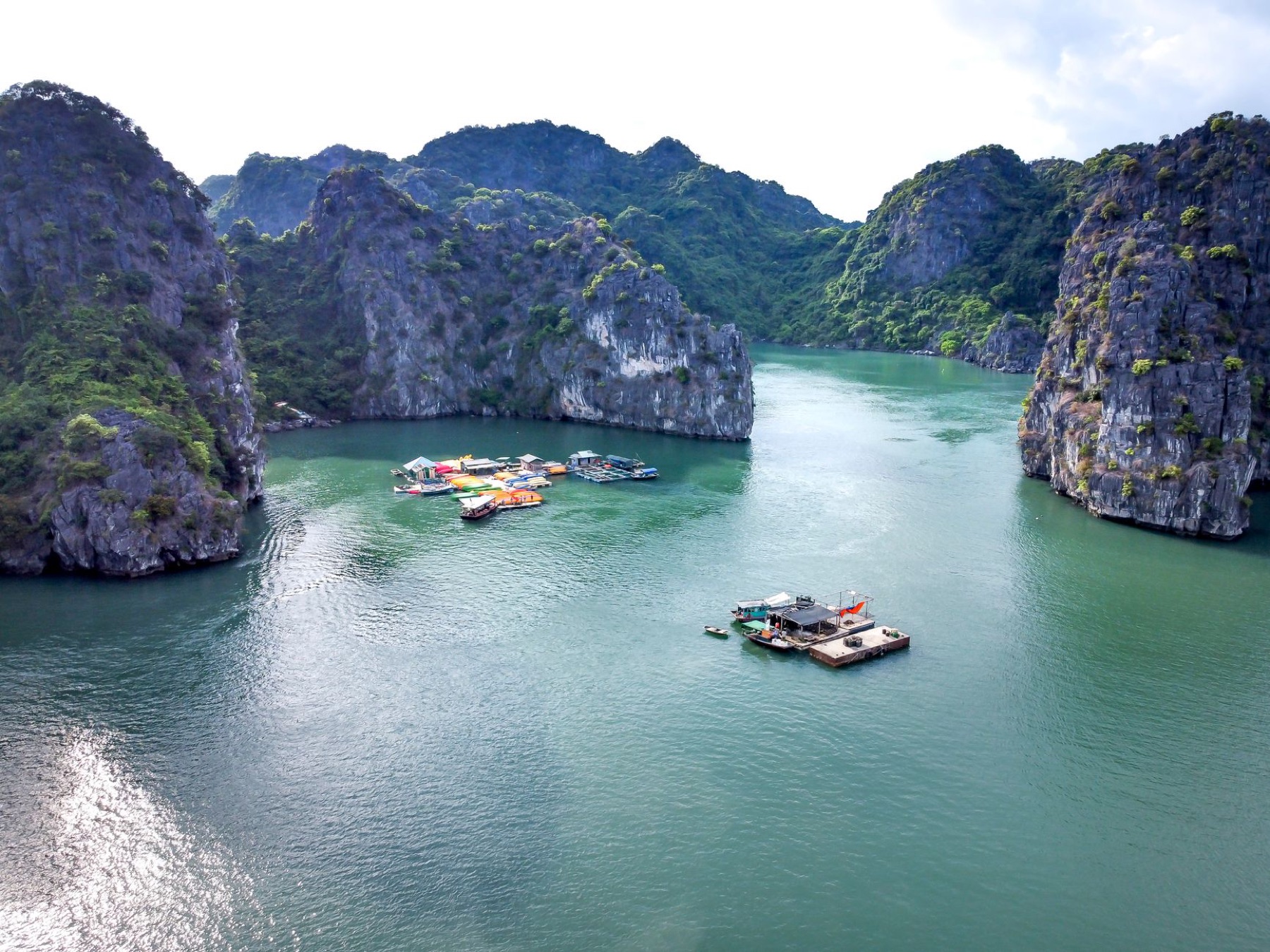
Overnight junk packages split into three tiers: budget (1.5–2.5 million VND; buffet breakfast/lunch/dinner, shared cabin), mid-range (3–5 million VND; named chef, private cabin, set menu options), at luxury (6–10 million VND; à la carte, premium ingredients, smaller groups). Budget buffets recycle dishes (spring rolls, grilled shrimp, steamed mussels) across dozens of boats, so quality dips by dinner on day 2. Mid-range kitchens (family-run or small operator chains) typically source fresh morning fish and customize broth-based soups—better consistency. Luxury operators hire former Hanoi restaurant chefs; they'll honor dietary requests and plate individual portions. Read reviews mentioning specific meals (not just "good food"); generic praise signals copycat operations. Our recommendation: mid-range justifies the 1.5–2.5 million VND premium for peace of mind that your seafood wasn't sitting since dawn.
---
Bakit nakakamahal ang pagkain sa floating markets, at dapat ba silang i-skip?
Floating markets (Cai Rang-style vendors on sampans anchored off Halong City) charge 2–3× dock prices for fruit, souvenirs, and ready-cooked noodle sets. A bowl of shrimp noodles costs 150,000–250,000 VND (vs. 60,000 VND inland). Vendors bank on tourists' photo-op impulse buys and FOMO from guidebook hype. Food safety is also a concern: no cold chain visibility, unclear sourcing, and hand-washing in bay water. A few floating stalls do sell legitimate produce to local boats, but the tourist-facing stands are theater. Skip them unless you're eating lunch as part of an organized tour that vets the vendor. Your junk's onboard meals or Halong City shore restaurants deliver better value and hygiene.
---
Anong laging available na seafood dito, at kailan season nila?
| Ulat | Peak Season | Presyo (per kg, around) | Kung saan makikita |
|---|---|---|---|
| Grouper (Cá mero) | June–September | 250k–400k VND | Junk buffets, fine-dining |
| Squid (Mực) | March–October | 80k–150k VND | Street grills, dock stalls |
| Crab (Cua) | September–November | 200k–350k VND | Restaurant menus, markets |
| Sea Urchin (Nâm biển) | April–August | 300k–600k VND | Luxury cruises only |
| Shrimp (Tôm) | Year-round | 120k–280k VND | All tiers, most meals |
| Mackerel (Cá thu) | January–March | 100k–180k VND | Budget boats, dock grills |
Grouper and squid dominate non-summer months; expect limited availability and higher prices June–August (peak tourist season + supply shift). Crab becomes abundant and better-priced September–November, when hotels compete for room bookings and discount seafood to drive occupancy. Shrimp and mackerel are staples year-round. Request seasonal fish when booking your cruise—reputable operators list what's available during your dates.
---
Paano hindi ma-scam sa seafood pricing at freshness sa Halong City restaurants?
Walk the Old Quarter (Bai Chay, near Harbour Light Bar and waterfront lane) 11 a.m.–12:30 p.m. and watch fishers unload. Stand outside a restaurant, peek at its display tanks and ice bins. Clear ice, lively crustaceans, and minimal odor are green flags. Ask your server: "Cá này từ đâu? (Where's this grouper from—local or shipped?)" Honest staff say "from this morning, Bai Chay dock" or "Phu Quoc, two days ago." Avoid places claiming "freshest in town" (marketing speak) or showing pre-cut, glazed fillets (signs of freeze-thaw cycles). Price anchoring: identical 400g grilled grouper costs 250,000 VND at a dock-side shack, 450,000 at a mid-range restaurant, 700,000+ at a hotel. Pick based on setting you want, not novelty. Pro tip: ask for the set menu (cơm công nghiệp), not à la carte; it caps costs and ensures the kitchen's practiced routine.
---
Street food sa Halong City: safe, worth it, o scam lang?
Halong City's inland town (separated from Bai Chay tourist waterfront by a 2 km bay crossing) has legitimate street food: bánh mì crab (60,000 VND), phở bo (40,000 VND), and bánh cam (crispy sesame balls, 15,000 VND per piece). These are eaten by local workers and retirees, not tourist-facing stalls. Locate them near the Halong Cement Factory or north of Cua Ong Street. Tourist-aimed street spots near the main pier mimic authenticity but charge 2–3× and sometimes short-change or dilute broth. Rule of thumb: if a stall has laminated menus in English and posed staff, eat elsewhere. Unpretentious spots with plastic stools, neon Coca-Cola signs, and Vietnamese-only menus (or just picture boards) are your bets. Street food hygiene is generally safe if cooked-to-order in front of you; boiled noodles and grilled items are lower risk than raw or room-temperature prep.
---
Kasama na ba ang meals sa daytrip tours, o kailangan mag-pack sarili?
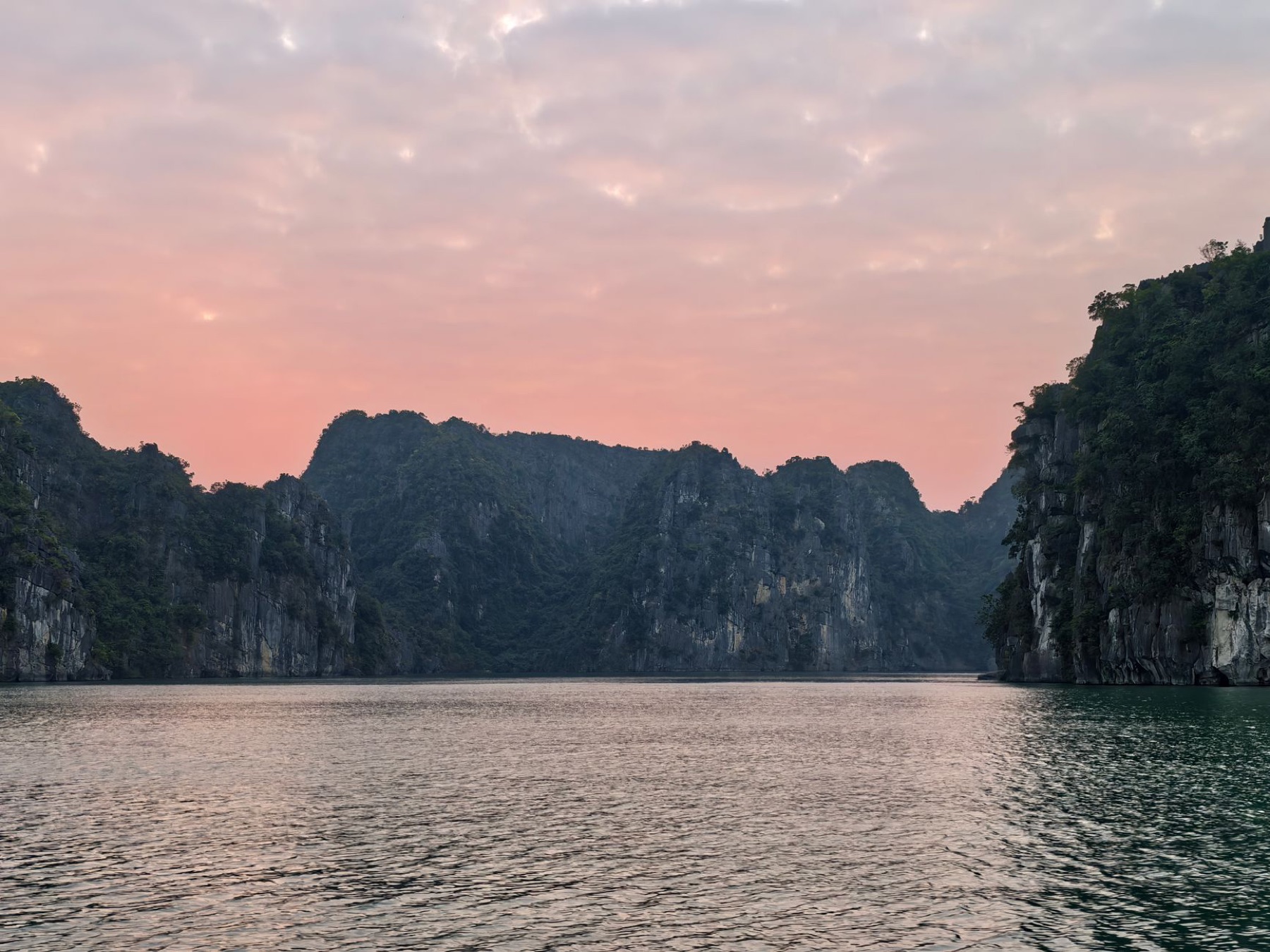
Daytrip packages (4–6 hours, 600,000–1.2 million VND per person) from Halong City typically include a simple lunch (spring rolls, steamed shrimp, grilled fish) aboard a smaller speedboat or traditional junk. Breakfast and dinner are not included; you eat those onshore before/after. Tours departing Hanoi (3.5–4 hour drive one-way) rarely include meals; expect to eat at the hotel that morning, grab lunch from a vendor, and dinner back in Hanoi. Bring snacks (crackers, fruit) because shop markups at the dock are 50–100% above city prices. If you have dietary restrictions (vegetarian, halal, nut allergies), inform the operator 48 hours ahead; budget daytrips often can't accommodate last-minute requests. Water and soft drinks aboard cost 20,000–50,000 VND per bottle—bring a refillable bottle and ask the crew to fill it from the kitchen tap (free).
---
Vegetarian at dietary options: meron ba, o mostly seafood lang?
Overnight junks with stated vegetarian service (mid-range and above) offer tofu stir-fries, vegetable spring rolls, and noodle dishes; confirm when booking. Budget boats sometimes substitute meat with extra veggies in the same pan (cross-contamination risk if your religion prohibits). Halong City restaurants accommodate tofu and vegetable requests readily (Vietnamese cuisine has deep vegetarian traditions tied to Buddhism). Tell your server "Tôi ăn chay" (I'm vegetarian/vegan) and they'll redirect the chef. Gluten-free and dairy-free are harder; rice noodles and fish sauce appear in almost everything. Bring your own pasta or proteins if you have allergies; the bay's remote setup means limited alternative supply. Luxury operators (6 million VND+) have attended culinary training and often pre-brief guests on dietary needs.
---
Comparison: Cruise cabins + meal plans—what's realistic budget vs. splurge?
| Opsi | Cabin Type | Meals Kasama | Presyo (2–3 nights, per person, around) | Best para sa |
|---|---|---|---|---|
| Budget Junk | Shared dormitory / lower deck | Buffet (B/L/D) | 1.5–2 million VND | Backpackers, groups, budget travelers |
| Mid-Range Junk | Private twin, upper deck | Set menu (B/L/D) | 3–4.5 million VND | Solo travelers, couples, quality seekers |
| Luxury Cruise | Suite w/ balcony | À la carte (B/L/D) | 7–10 million VND | Honeymooners, anniversaries, VIP seekers |
| Daytrip | N/A | Lunch only | 0.6–1.2 million VND | Time-constrained travelers |
Budget boats fill fast (book 2–3 weeks ahead); cabins are snug, shared bathrooms. Mid-range offers 60–80% of the luxury experience at 40% of the cost—value sweet spot for most visitors. Luxury justifies the premium only if you're celebrating something specific or have serious comfort needs. Daytrips suit those with only 1–2 days in the region but lose the sunrise/sunset ambiance premium boats sell.
---
Paano mag-order at mag-book ng junk: platform, operator reputations, red flags?
Book via Viator, GetYourGuide, or direct with operators (Indochina Junk, Heritage Line, Stellar of the Seas are established names with clear meal disclosures in the itinerary). Avoid booking through random Facebook groups or unlicensed agents offering "best prices"—they often subcontract to untested boats and disappear if issues arise. When comparing, check:
- Exact meal menu (not just "breakfast, lunch, dinner")
- Cabin photo (not artistic renders)
- Cancellation policy (Ha Long Bay weather can close routes Nov–Feb)
- Crew size and language (English speakers onboard?)
- Recycled reviews (if 500+ five-stars but no detailed complaints, suspect fake ratings)
Booking 3–4 weeks ahead nets better cabins and pricing. Last-minute discounts exist but come with risk (overbooking, assigned worst cabins). Wander in Vietnam recommends reading recent Reddit threads (/r/VietnamTravel, /r/Backpacking) where travelers post unfiltered experiences; they'll mention specific boat names and meal quality without commercial pressure.
---
What to check before you buy your Ha Long Bay cruise or tour meal package
Before booking:
- Confirm the exact menu for each meal (don't accept "seafood set"—ask for dish names).
- Verify meal timing (lunch at noon or 1 p.m.? dinner at 6 or 7?).
- Check dietary accommodations (vegetarian, allergy)—ask if the kitchen can fulfill your needs, not just whether it will.
- Read recent reviews mentioning meals specifically (not just "great experience").
- Confirm included beverages (water, coffee, or pay-per-drink bar model).
- Ask about kitchen cleanliness standards and whether meals are cooked onboard or pre-prepared.
On arrival:
- Inspect the galley layout when you board (can you see food being prepared?).
- Taste the first meal critically; if it's subpar, ask the cruise director about swaps or credits immediately.
- Request modifications early (less salt, more vegetables) so the kitchen adjusts for day 2 and 3.
- Chat with other guests at dinner; if complaints cluster around meals, flag it to management.
---
📸 Mag-book ng ao dai photoshoot sa Hanoi o Saigon (Cáo Studio)
---
Related guides and resources
Plan your broader Vietnam trip with our Vietnam itinerary planner, explore Hanoi's neighborhoods and culinary scene, or read our Ha Long Bay travel guide for logistics, best months to visit, and safety tips.
Traveling from abroad? Check visa requirements via Vietnam e-visa guide and set up seamless connectivity with eSIM for Vietnam.
---
🎟️ Ihambing ang mga tour at tiket
FAQ
Bakit mas mahal ang pagkain sa Ha Long Bay kaysa sa Hanoi o Ho Chi Minh City?
Ha Long Bay's remote location, limited suppliers, and high tourist density inflate prices 30–50% above inland markets. Seafood fresher here justifies some premium, but many restaurants exploit the captive audience. Shop on-junk or dock-side, not hotel rooms, para mas mura.
Kailangan ba akong mag-book ng full-meal cruise, o pwedeng daytrip lang at kain sa restaurants?
Daytrip + shore dining works if you have 1 day. Overnight cruises maximize time, include meals (cost-efficient), and offer sunrise/sunset views restaurants can't replicate. For food focus alone, daytrip + Halong City walkabout suffices; full cruise justifies the time investment for landscape.
Vegetarian ako—feasible ba mag-enjoy sa Ha Long Bay?
Yes. Mid-range+ junks and Halong City shore restaurants (Buddhist-linked spots especially) serve tofu, noodles, and vegetable dishes readily. Inform operators 48 hours ahead. Budget boats sometimes cook veggie meals in the same pan as seafood (cross-contamination risk).
Ano ang best season para sa freshest seafood at best prices dito?
September–November (crab peak, good grouper, fewer tourists, hotel discounts). June–August is pricey and crowded; March–May offers grouper and squid at mid-range rates. January–February is quiet but cooler and weather-dependent.
Safe ba ang street food sa Halong City inland, o overpriced lang para sa tourists?
Authentic street stalls (phở bo, bánh mì crab, bánh cam near local neighborhoods) are safe and cheap (40,000–60,000 VND per meal). Tourist-facing pier stalls overprice and sometimes short-change. Eat where locals queue, not where tourists cluster with laminated English menus.
Floating markets—worth visiting talaga para sa food experience, o skip lang?
Skip for food; they overprice 2–3× (150,000 VND for a 60,000 VND bowl of noodles) and are staged for photos. Hygiene is unclear. Junk meals or shore restaurants offer better value, freshness, and safety. Floating markets are tourist theater, not genuine local experience.
May travel guide ba specifically about Ha Long Bay food, o kasama lang sa general guides?
Our Ha Long Bay guide covers logistics, best months, and top sights; this article (pillar page Ha Long Bay food) dives deep into every meal option, pricing, and scam-avoidance strategy. Link this article when recommending to friends focused on dining choices.
Mga karaniwang tanong
Bakit mas mahal ang pagkain sa Ha Long Bay kaysa sa Hanoi o Ho Chi Minh City?
Ha Long Bay's remote location, limited suppliers, and high tourist density inflate prices 30–50% above inland markets. Seafood fresher here justifies some premium, but many restaurants exploit the captive audience. Shop on-junk or dock-side, not hotel rooms, para mas mura.
Kailangan ba akong mag-book ng full-meal cruise, o pwedeng daytrip lang at kain sa restaurants?
Daytrip + shore dining works if you have 1 day. Overnight cruises maximize time, include meals (cost-efficient), and offer sunrise/sunset views restaurants can't replicate. For food focus alone, daytrip + Halong City walkabout suffices; full cruise justifies the time investment for landscape.
Vegetarian ako—feasible ba mag-enjoy sa Ha Long Bay?
Yes. Mid-range+ junks and Halong City shore restaurants (Buddhist-linked spots especially) serve tofu, noodles, and vegetable dishes readily. Inform operators 48 hours ahead. Budget boats sometimes cook veggie meals in the same pan as seafood (cross-contamination risk).
Ano ang best season para sa freshest seafood at best prices dito?
September–November (crab peak, good grouper, fewer tourists, hotel discounts). June–August is pricey and crowded; March–May offers grouper and squid at mid-range rates. January–February is quiet but cooler and weather-dependent.
Safe ba ang street food sa Halong City inland, o overpriced lang para sa tourists?
Authentic street stalls (phở bo, bánh mì crab, bánh cam near local neighborhoods) are safe and cheap (40,000–60,000 VND per meal). Tourist-facing pier stalls overprice and sometimes short-change. Eat where locals queue, not where tourists cluster with laminated English menus.
Floating markets—worth visiting talaga para sa food experience, o skip lang?
Skip for food; they overprice 2–3× (150,000 VND for a 60,000 VND bowl of noodles) and are staged for photos. Hygiene is unclear. Junk meals or shore restaurants offer better value, freshness, and safety. Floating markets are tourist theater, not genuine local experience.
May travel guide ba specifically about Ha Long Bay food, o kasama lang sa general guides?
Our [Ha Long Bay guide](/fil/ha-long-bay) covers logistics, best months, and top sights; this article (pillar page [Ha Long Bay food](/fil/ha-long-bay/food)) dives deep into every meal option, pricing, and scam-avoidance strategy. Link this article when recommending to friends focused on dining choices.
Higit pa: Gabay sa paglalakbay: Ha Long Bay · Mga pagkaing dapat tikman sa Ha Long Bay