Ho Chi Minh City · Pagkain
Ho Chi Minh City Food: Real Dishes, Prices & Neighborhoods (2026)
Ni Wander in Vietnam editorial team · Hanoi, Vietnam
Ho Chi Minh City eats differently than Hanoi. Here, breakfast means bánh mì and cà phê đen (black coffee), lunch is heavy rice-based dishes, and dinner often happens at sprawling outdoor markets. We've spent hundreds of meals across the city's neighborhoods, and the rule is simple: follow the crowds, check if locals are eating, and ignore English menus.
Bakit naiiba ang khain sa Ho Chi Minh City kaysa sa ibang lugar?
Ho Chi Minh City developed its food identity after 1975 as a port city absorbing Cambodian, Thai, and Chinese influences. Unlike Hanoi's minimalist broths, Saigon (the old name locals still use) loves bold flavors—intense chilies, fish sauce, caramelized pork. Southern Vietnamese cuisine is sweeter and spicier than northern. Every neighborhood has a dominant dish: District 1 near the Market is bánh mì territory; District 3 (Ba Đình) has endless phở shops; Binh Thanh (northeast) is where motorbike-riding office workers grab fast bánh canh (tapioca noodles). Meals cost 40–200k VND (PHP 80–400), cheaper than Hanoi, and most stalls have no English—which is good, because it means tourists haven't inflated prices yet.
🗺️ Planuhin ang iyong ruta sa Vietnam
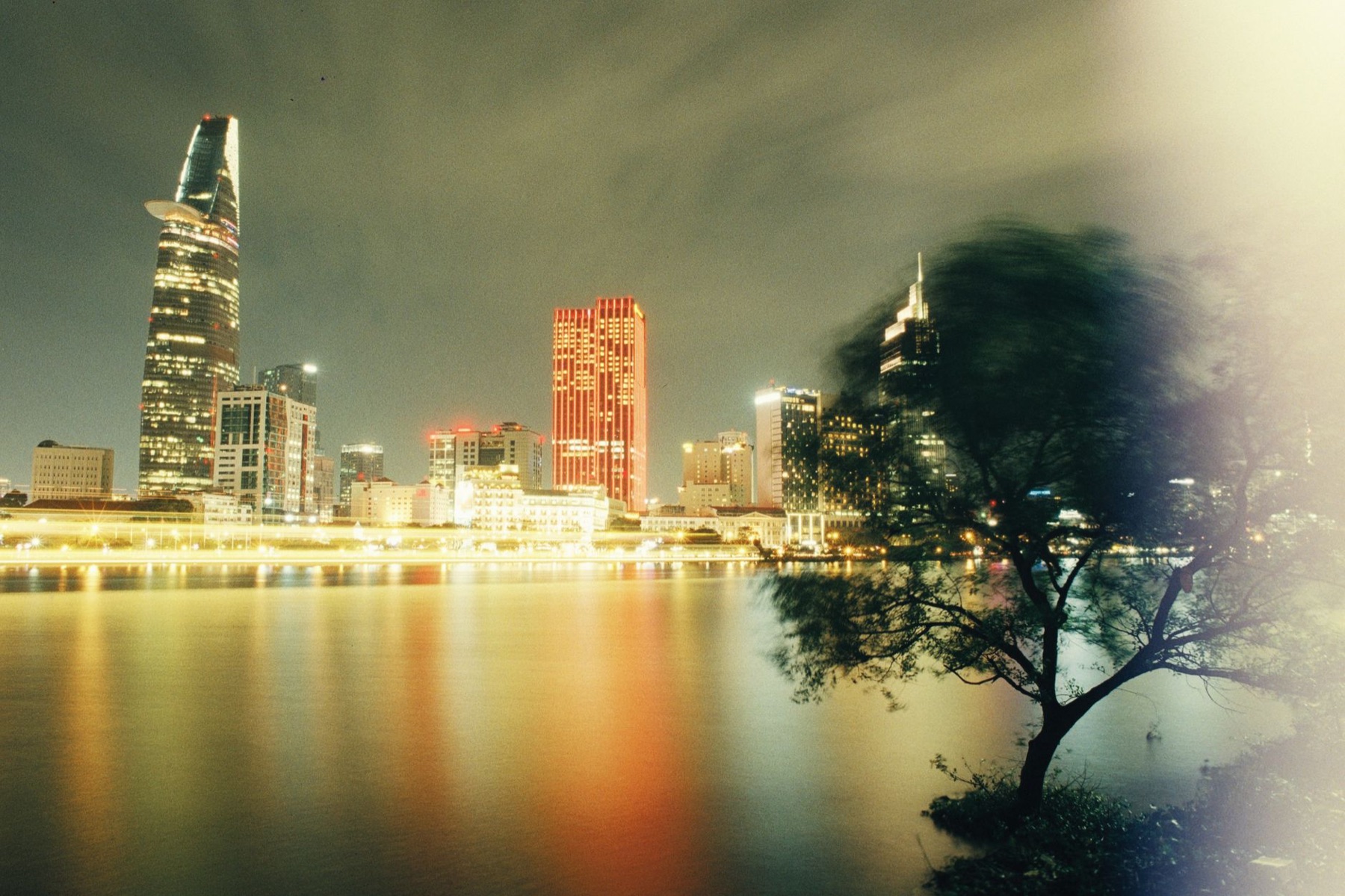
Saan ang pinakamasarap na lugar para kumain sa District 1?
District 1 (Quận 1) is the tourist-density hotspot but still has authentic eating. Ben Thanh Market (Chợ Bến Thành), bounded by Nguyen Hue, Tran Hung Dao, and Le Loi streets, opens 06:00–20:00 and is chaos in the best way. Upstairs: cooked food stalls serving phở (around 40–50k VND / PHP 80–100), bánh mì cua (crab sandwich, 35k / PHP 70), and cơm tấm (broken-rice plates, 60–70k / PHP 120–140). Downstairs: raw ingredients, tourist-priced souvenirs. Eat upstairs, ignore vendors shoving menus at you. Five blocks west, Ly Tu Trong Street has a thin alley of banh canh stalls—arrive by 09:00 or they're sold out. Expect queues, plastic stools, zero English, and food that costs what a coffee costs in Manila. Around Ngo Duc Ke (east of the Market), family-run phở restaurants serve slow-cooked broth for 45–60k VND (PHP 90–120)—try the 6 AM opening before tour groups arrive.
Nguyen Hue Walking Street, three blocks north, is pedestrianized evenings and weekends. Food here is 30% pricier than Ben Thanh but less frenetic: bánh mì stalls, grilled squid skewers (mực nướng, 40k / PHP 80 per stick), and coffee shops. It's good for photos and appetizers, not a full meal.
Ano ang worth-it street food na kailangan mo subukan?
| Dish | Where | Rough Price | When | Why Try |
|---|---|---|---|---|
| Bánh mì | Ben Thanh, Ly Tu Trong | 30–50k VND (PHP 60–100) | 06:00–10:00 | Crispy outside, soft inside; fill yourself for a day of walking |
| Phở | Ba Đình area (D3), early mornings | 40–55k VND (PHP 80–110) | 05:30–09:00 | Beef or chicken broth simmered 12+ hours; taste the slow-cook |
| Bánh canh | Ly Tu Trong alley, Ba Dinh | 50–65k VND (PHP 100–130) | 07:00–11:00 | Thick tapioca noodles, meat gravy; filling, not common in north |
| Cơm tấm | Ben Thanh upstairs, anywhere in D3 | 60–80k VND (PHP 120–160) | 11:00–14:00 | Broken rice (cheaper, not inferior); often served with grilled pork |
| Cánh gà chiên | Pork & chicken shops, D1/D3 | 35–50k VND (PHP 70–100) | 10:00–18:00 | Fried chicken wings; crunchy, salty, addictive |
| Bánh hoai | Hoi An day trip | 20–30k VND (PHP 40–60) | 16:00–21:00 | Crispy-soft hybrid; if in Hoi An, don't skip |
| Mực nướng (grilled squid) | Nguyen Hue, riverside markets | 40–60k VND / stick (PHP 80–120) | 17:00–22:00 | Fresh, charred, eaten standing; order 2–3 sticks |
Order by pointing and saying "một" (one), "hai" (two), or "ba" (three). Say "không cay" (not spicy) if you can't handle heat; they default to tongue-burning.
Paano hindi makakuha ng overcharged o scammed sa markets?
See the price board before ordering—most stalls display VND prices on plastic laminate near the register. If there's no board, ask "Bao nhiêu tiền?" (how much?) before eating. Ben Thanh Market scams are minimal because it's chaos and volume-focused, not haggle-based. The real trap is high-street restaurants in District 1: a bánh mì listed at "50k" on a laminated menu often comes with an undisclosed "service charge" or overpriced drink upsell. Avoid printed menus; eat where there's a visible counter and a cash register.
Water is the other gotcha. Never drink tap water; always order cà phê đen (black coffee, which uses boiled water, 10–15k VND / PHP 20–30) or bottled nước lọc (20k / PHP 40). Stall ice is from commercial ice makers, not home tap water—it's safe.
Tourist-priced places cluster around Tao Đàn Park (D1, northwest), Reunification Palace approach, and backpacker-heavy Ben Thanh streets. A bánh mì there costs 60–80k VND (PHP 120–160) vs. 30–40k VND (PHP 60–80) two blocks away. Eat one block away from every major landmark. We skip restaurants with picture menus, neon signs, and staff greeting in five languages.
📸 Mag-book ng ao dai photoshoot sa Hanoi o Saigon (Cáo Studio)
Alin ang best neighborhoods para sa adventurous eating?
District 3 (Ba Đình / Quận 3): Northwest of District 1, this is office-worker territory. Pham Ngu Lao Street and the grid around it have dozens of identical-looking phở shops, bánh mì carts, and cơm tấm stalls. Prices are 15–20% cheaper than D1. No English spoken; breakfast lines wrap around blocks at 06:30. Try the phở shops along Pham Ngu Lao itself—each has a 30-year clientele and serves the same thing daily (broth is the story). Open 05:30–10:00, then close until lunch. No tourists here, zero English, all cash.
Binh Thanh District (Quận Bình Thạnh): East of the river, less touristy. Nguyen Hue Boulevard (different from the Walking Street) and around Bitexco tower have markets and vendor clusters. Bánh canh is a local specialty—thick noodles with pork or crab, served 07:00–11:00, 50–70k VND (PHP 100–140). Few foreigners; prices are fair.
Tan Binh District (Quận Tân Bình): Near Tan Son Nhat Airport, south. Not worth a trip unless you're transiting, but food here is cheaper and more local. Bánh mì vendors and bánh hoai sellers.
Binh Tan District (southwest): Working-class, zero tourism. If you're staying in one of the new hotels along Kenh Te canal, this is where you eat. Markets open 06:00–18:00. Seafood here costs half of District 1.
Guideline: Motorbikes parked outside = locals eating. English menu = overpriced.
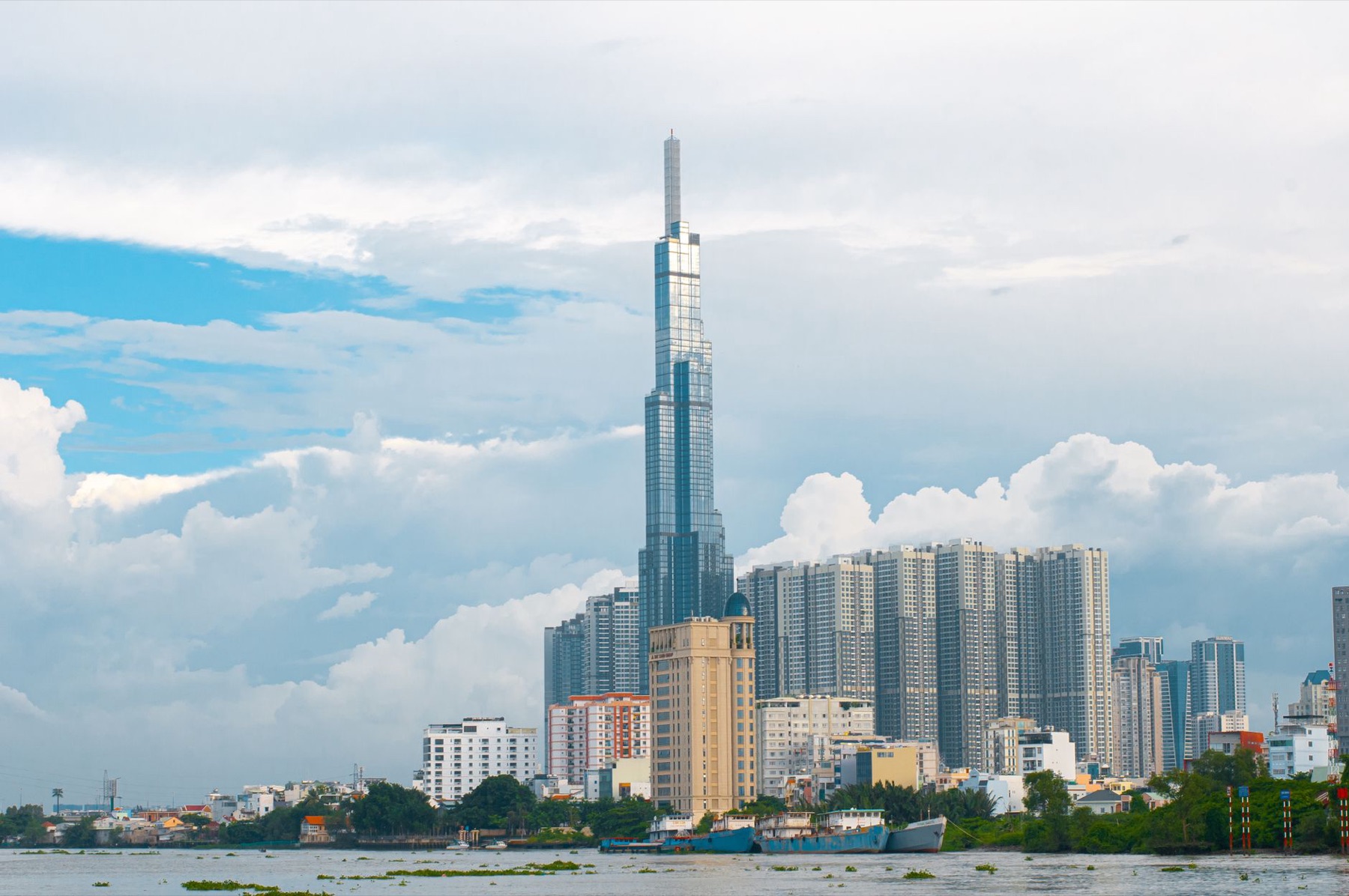
Paano mag-order at mag-communicate sa food stalls?
Most food stalls in Ho Chi Minh City don't have English menus or speaking staff. Here's the framework:
- Point at what others are eating. Sit down; look at tables around you. If someone has a bowl you like, gesture to it and nod to a staff member.
- Use basic Vietnamese: "Một bánh mì, không cay" (one bánh mì, not spicy). "Một cơm tấm thịt nướng" (one broken rice with grilled pork). Numbers: một (1), hai (2), ba (3), bốn (4), năm (5).
- Check the price board or ask beforehand. "Bao nhiêu tiền?" = how much? Staff will hold up fingers or write on a notepad.
- Eat standing or on plastic stools. No seating formality. When done, leave cash on the table or hand it to the cashier.
- Bring cash. Stalls under 100k VND (PHP 200) rarely take cards. ATMs are in every 7-Eleven and at Ben Thanh Market.
- Bring a small bottle of hand sanitizer. Bathrooms are rare; use it before eating.
If unsure about a dish name, take a photo of the stall sign and ask a tuk-tuk driver or hotel staff to explain it. They love food talk.
Ano ang best time to eat at avoid crowds?
Breakfast: 06:00–07:30. Cheapest, most authentic, least crowded. Phở and bánh mì stalls open at dawn. By 08:00, tourists arrive; by 09:00, many stalls sell out.
Lunch: 11:30–13:00. Office workers and families. Stalls serve rice dishes and bánh canh. Crowded but fast-moving. Prices same as breakfast.
Late-afternoon snack: 15:00–16:30. Slower period. Coffee shops and bánh mì resellers are active.
Dinner: 17:30–22:00. Markets (chợ) operate full-time. Night markets (chợ đêm) in District 1 and 3 open 19:00–23:00. Grilled meats, seafood, noodles. More expensive than day stalls but quality is high.
Sundays: Ben Thanh Market is crowded all day. Go weekday mornings instead.
Rain: Stalls close or serve from plastic-tent shelters. During heavy downpours (May–September), fewer vendors operate.
What to check before you buy:
- Meat color: Pork and chicken should be pink-to-light-brown, not gray or discolored.
- Flies and bugs: Covered containers are good; open buckets left in sun aren't (it's normal but higher risk).
- Water source: Coffee and phở use boiled water—safe. Cold drinks poured from pitchers may not.
- Freshness: Bánh mì crust should be crispy; soft crust = day-old bread.
- Utensils: Bring hand sanitizer. Bowls are washed at communal taps (sanitary, but not to Western standards).
🎟️ Ihambing ang mga tour at tiket
May mga kilalang chef o high-end food scene ba sa Ho Chi Minh City?
Ho Chi Minh City has a small fine-dining scene, but it's not why you're eating here. Modern restaurants (air-conditioned, English menus, 200–500k VND / PHP 400–1000 per plate) exist in Districts 1, 2 (Thao Dien), and around Landmark 81, but they're geared at expats and high-income Vietnamese. We skip them in favor of authentic stalls—the food is better and the story is real.
Where fine dining overlaps with local pride: Seafood restaurants along the Saigon River in District 1 and 4 (Can Tho, the Mekong Delta gateway, is 3 hours south and famous for fish farming, but fewer tourists). Crab and shrimp are cheaper in District 4; grab a tour or hire a taxi.
The honest take: Spend 50k–150k VND (PHP 100–300) per meal at markets. Save expensive restaurants for when you're tired of street stalls, not because the food is better.
---
Kung magpaplano ka ng isang araw ng pagkain sa Ho Chi Minh City:
06:30–07:30 Breakfast: Phở or bánh mì in District 3 (Ba Đình area). Cost: 40–50k VND (PHP 80–100).
09:00–10:00 Second breakfast / coffee: Cà phê trứng (egg coffee, a Hanoi tradition served in Saigon too) at a small café near Ben Thanh. Cost: 30–50k VND (PHP 60–100).
12:00–13:00 Lunch: Ben Thanh Market or a nearby cơm tấm stall. Cost: 60–80k VND (PHP 120–160).
16:00–17:00 Snack: Bánh mì or cold drink at Nguyen Hue Walking Street. Cost: 30–50k VND (PHP 60–100).
19:00–20:30 Dinner: Night market (Binh Tay Market in District 6 or a vendor cluster in District 1) for grilled seafood or noodles. Cost: 80–150k VND (PHP 160–300).
Total: 240–380k VND (PHP 480–760) for a full eating day. That's two meals in a Manila mall.
---
Related Guides & Resources
Planning a trip to Vietnam? We've written guides to every major city. Start with our Vietnam itinerary planner if you're visiting multiple regions, or read our guides to Hanoi, Hoi An, Ha Long Bay, Ninh Binh, and Sapa for food and culture in each area.
Staying longer? A Vietnam eSIM keeps you online for food-finding and directions. If you're not yet in the country, check Vietnam e-visa requirements.
Document your meal adventures: Cáo Studio offers ao dai photoshoots in Hanoi and makeup & photoshoots in Saigon—perfect for food-tour memories with traditional dress.
FAQ
Ligtas ba ang pagkain sa kalye sa Ho Chi Minh City?
Yes, if you eat where locals queue. High-volume stalls (Ben Thanh Market) are safer than low-traffic spots. Avoid cold salads, questionable meat, and tap water. Hand sanitizer before eating is wise. Cooked food is safe; raw vegetables sold ready-cut are not.
Magkano ang average meal sa Ho Chi Minh City vs. Manila?
A full meal (phở, bánh mì, cơm tấm) costs 50–100k VND (PHP 100–200) vs. 150–300 PHP in Manila. Fine dining is comparable. Street food here is 50–70% cheaper than casual restaurants in Manila.
Anong oras nag-close ang food stalls?
Breakfast stalls close 09:00–11:00. Lunch stalls run 11:00–14:00. Markets reopen 16:00 and stay open until 20:00–22:00. Night markets (19:00–23:00) are mostly weekends and district-dependent.
May vegetarian options ba?
Yes. Order "cơm chay" (vegetarian rice), "bánh mì chay" (veggie bánh mì, with tofu), or "phở chay" (veggie phở). Stalls assume meat; you must specify. Most soups can be made with vegetable broth.
Bakit mas mainit at mas spicy ang pagkain dito kaysa Hanoi?
Southern Vietnamese cuisine uses more chilies, coconut, and caramelized sugars due to Khmer and Cham influences. Hanoi's food is minimalist; Saigon's is bold. Tell vendors "không cay" (not spicy) or eat will make your mouth numb.
Pwede ba mag-dine-in sa stalls o kailangan takeaway lang?
Most stalls have plastic stools and small tables. Sit down; they'll serve you there. Takeaway is common but not required. Stay and eat slowly—no rush.
Mga karaniwang tanong
Ligtas ba ang pagkain sa kalye sa Ho Chi Minh City?
Yes, if you eat where locals queue. High-volume stalls (Ben Thanh Market) are safer than low-traffic spots. Avoid cold salads, questionable meat, and tap water. Hand sanitizer before eating is wise. Cooked food is safe; raw vegetables sold ready-cut are not.
Magkano ang average meal sa Ho Chi Minh City vs. Manila?
A full meal (phở, bánh mì, cơm tấm) costs 50–100k VND (PHP 100–200) vs. 150–300 PHP in Manila. Fine dining is comparable. Street food here is 50–70% cheaper than casual restaurants in Manila.
Anong oras nag-close ang food stalls?
Breakfast stalls close 09:00–11:00. Lunch stalls run 11:00–14:00. Markets reopen 16:00 and stay open until 20:00–22:00. Night markets (19:00–23:00) are mostly weekends and district-dependent.
May vegetarian options ba?
Yes. Order "cơm chay" (vegetarian rice), "bánh mì chay" (veggie bánh mì, with tofu), or "phở chay" (veggie phở). Stalls assume meat; you must specify. Most soups can be made with vegetable broth.
Bakit mas mainit at mas spicy ang pagkain dito kaysa Hanoi?
Southern Vietnamese cuisine uses more chilies, coconut, and caramelized sugars due to Khmer and Cham influences. Hanoi's food is minimalist; Saigon's is bold. Tell vendors "không cay" (not spicy) or eat will make your mouth numb.
Pwede ba mag-dine-in sa stalls o kailangan takeaway lang?
Most stalls have plastic stools and small tables. Sit down; they'll serve you there. Takeaway is common but not required. Stay and eat slowly—no rush.
Higit pa: Gabay sa paglalakbay: Ho Chi Minh City · Mga pagkaing dapat tikman sa Ho Chi Minh City