Vietnam
Ligtas ba ang Vietnam? Real Risks & Smart Traveler Tips 2026 #
Ni Wander in Vietnam editorial team · Hanoi, Vietnam
Gaano Talaga Kalayo ang Violent Crime sa Vietnam para sa Mga Bisita?
Violent crime targeting tourists is uncommon—most travelers pass through without incident. Hanoi and Ho Chi Minh City see occasional muggings in poorly lit alleys after midnight, but these affect <1% of visitors. Armed robbery and assault are rare. Local police presence is visible in major streets; they patrol night markets and tourist zones. We advise staying in busy areas after dark, traveling with others, and using registered taxis (marked with company logo and meter) rather than hailing unmarked cars on the street.
🗺️ Planuhin ang iyong ruta sa Vietnam
Anong Mga Petty Theft Scams ang Pinakakaraniwan?
Motorbike-snatch theft happens daily in Hanoi's Hoan Kiem and Ho Chi Minh City's District 1. Thieves on fast bikes target phones, bags, and cameras from pedestrians. Keep your phone in your pocket or secure crossbody bag. Fake police stops on tourist routes (asking to check your passport or money) are common north of Hanoi toward Sapa—always ask for official ID and go to a police station if unsure. Taxi overcharging at airports (meters rigged or no meter used) costs 200,000–500,000 VND (around $8–20 USD) extra; use Grab app instead. Drink spiking in backpacker bars is reported occasionally—never leave your drink unattended.
Ligtas ba Kumain at Uminom sa Tubig sa Vietnam?
Tap water is not potable; buy bottled water (around 10,000–15,000 VND/$0.40–0.60 per 1.5L bottle) everywhere. Street food (pho, banh mi, grilled meat) is generally safe if cooked in front of you over high heat; avoid pre-cooked dishes sitting uncovered for hours. Ice in cheap bars may be from unfiltered water—order drinks without ice or buy sealed drinks. Food poisoning happens to ~10% of first-time visitors; take probiotics before arrival and wash hands often. Eat at busy stalls with high turnover; empty vendor carts suggest old food. Restaurant restrooms are cleaner in central districts (like Hanoi's Tay Ho or Ho Chi Minh's District 3) than rural areas.
Paano Secure ang Pera at Valuables Habang Naglalakbay?
Use a hidden money belt or neck pouch under your shirt for passport, credit cards, and cash reserves—keep only 1–2 million VND in your wallet. Motels and mid-range hotels have safes (ask at front desk; never assume). Hostels vary—some safes work, others are broken; lock your room door and don't leave electronics on beds. ATMs in 7-Eleven and bank branches are safer than street machines; withdraw during daylight, use your back to cover the keypad, and avoid quiet ATMs. Travel insurance covering theft is around $1–3 USD/day; buy it before arrival. Photos of your passport data page (stored separately on your phone) help if it's stolen. Leave expensive jewelry, watches, and cameras at home; use a basic phone if you don't need data.
Ligtas ba ang Pagmamaneho ng Motorbike sa Vietnam?
Traffic fatalities are high (~27 per 100,000 people yearly), mostly motorbike crashes. If you plan to rent (around 100,000–300,000 VND/$4–12 daily depending on bike quality), wear a helmet always—it's the law and reduces head injury by 70%. Don't ride if you're tired, intoxicated, or unfamiliar with left-hand traffic. Use your headlight 24/7, honk before turns, and assume every car will cut you off. Uninsured bikes mean you pay for damage out-of-pocket; check rental papers for liability coverage. First-timers should hire a motorbike driver (around 200,000–400,000 VND/$8–16 for a day trip) instead of self-renting. Grab bike taxis (Grab Bike app) are safer than flagging motorbikes on the street because drivers are tracked and rated.
Alin ang mga Health Risks na Dapat Alalahanin?
Dengue fever, malaria (rare in cities, common in rural Mekong Delta), and Japanese encephalitis affect <1% of travelers but are preventable. Get vaccinated against typhoid, hepatitis A/B, and tetanus 4–6 weeks before arrival (talk to a travel clinic). Malaria prophylaxis (like atovaquone-proguanil) costs around $40–80 USD for a 30-day trip if prescribed in your home country; take it if visiting jungle areas like Ninh Binh or southern provinces. Air pollution in Hanoi (November–February) triggers asthma and respiratory issues; check air quality index (AQI) daily using IQAir app and wear N95 masks on high-AQI days. Hospitals in Hanoi (like Viet Duc General Hospital in Ba Dinh district) and Ho Chi Minh City (FV Hospital in District 7) are modern and English-speaking; medical tourism is a real sector here, so care quality is high. Travel insurance must cover evacuation—costs around $2–5 USD/day.
| Risk Type | Likelihood | Prevention | Cost if Happens | Best for Whom |
|---|---|---|---|---|
| Petty theft (phone/bag) | 5–10% of visitors | Hidden pouch, awareness | $200–1,000 replacement | All travelers |
| Food poisoning | ~10% first-timers | Eat hot, busy stalls | Hospital visit $50–200 | Adventurous eaters |
| Motorbike crash | High if renting | Helmet, hire driver instead | $500+ medical, $1,000+ bike damage | Those avoiding self-riding |
| Dengue/malaria | <1% in cities | Vaccine, repellent, nets | $200+ treatment | Long-stay, rural visitors |
| Drink spiking | <1% (backpacker bars) | Stay with group, watch drink | Police report, medical | Solo nightlife travelers |
Paano Mapili ang Ligtas na Accommodation at Tour?
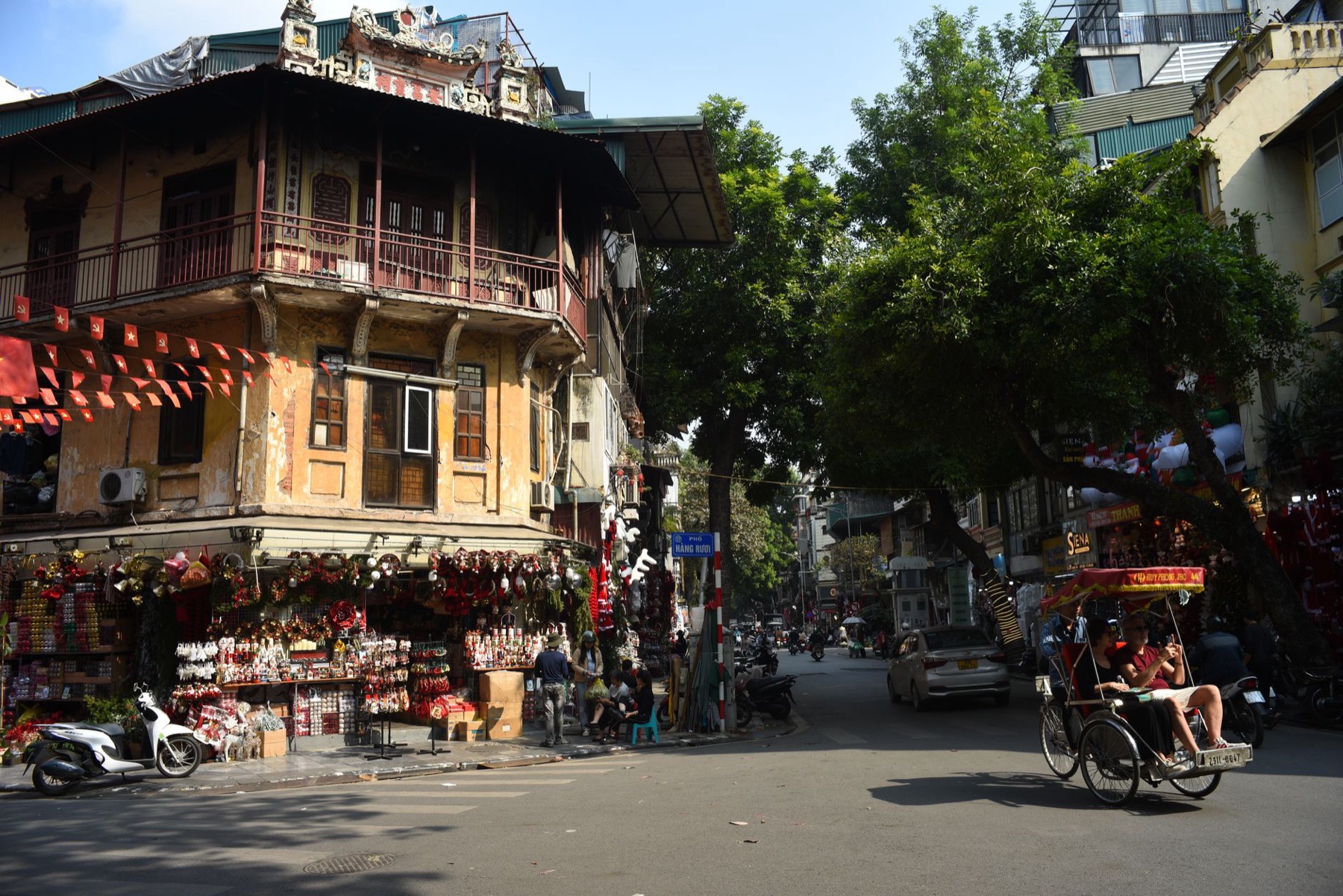
Book via Booking.com, Airbnb, or Agoda—verified reviews flag safety concerns fast. Read the last 10 reviews; if multiple guests mention theft, avoid it. Mid-range hotels (300,000–800,000 VND/$12–32/night) in central areas (Hanoi's Hoan Kiem, Ho Chi Minh's District 1, Hoi An's Ancient Town) have staff on-site and better locks. Budget hostels ($8–15/night) work if you trust communal security; always lock your locker. Tours through established operators (like those listed on Hanoi guide, Ho Chi Minh City guide, and Hoi An guide) are safer than street touts. Government-licensed tour companies have IDs; freelance "guides" who approach you may overcharge or take you to shops paying them commission (drinking tour scams). Book Ha Long Bay and Ninh Binh tours through your hotel or Tripadvisor Experiences for accountability. Sapa trekking—book through established tour operators or your guesthouse; solo trekking off marked trails has resulted in lost tourists.
🎟️ Ihambing ang mga tour at tiket
Ano ang Dapat Dadalhin para sa Peace of Mind?
Travel insurance (covering medical evacuation, theft, trip cancellation) runs $1–5 USD/day; buy it before departure. A portable door lock or cable adds security to budget hotel rooms (around 200,000 VND/$8 bought locally). Sealed hand sanitizer and anti-diarrheal medicine (loperamide) take minimal luggage space. N95 masks for Hanoi's winter pollution or if you're immunocompromised. Copies of your passport, visa, and travel insurance policy—store them separately (email, cloud, hotel safe). A credit card from your bank with no foreign-transaction fees; Visa and Mastercard work in most cities, but cash is king in rural areas. Basic Vietnamese phrases ("Cảm ơn" = thank you, "Không" = no, "Bao nhiêu tiền?" = how much?) build rapport and reduce scam risk. Grab app (Southeast Asia's Uber) pre-loaded on your phone with a registered payment method—it's your safest ride option in cities.
Phương Án Mua: Mga Souvenir & Keepsakes para sa Ligtas na Pagbabalik ng Alaala
If you want to bring home Vietnam memory without worry, consider these options by type and buyer profile:
- Engraved wooden keepsake boxes (personalized with dates, locations—Vietnam, Hanoi, Ha Long Bay): Perfect for travelers who want a durable, TSA-friendly memento. These pack flat in luggage and hold jewelry or small tokens from your trip. Roughly 300,000–600,000 VND ($12–24) depending on wood type and engraving depth. Browse keepsake collections →
- Printed star maps or location prints (showing constellations on your travel dates or a map of Vietnam's regions you visited): Ideal for Instagram-savvy travelers or those returning home wanting wall art. Lightweight, fits carry-on, no fragility risk. Around 400,000–800,000 VND ($16–32). Browse print collections →
- Ao dai custom photoshoots (captured in Hanoi or Saigon with professional makeup and styling): A living memory rather than an object—book before your trip ends. Hanoi shoots cost roughly 1,500,000–3,000,000 VND ($60–120) for 2–4 hours; Saigon rates similar. 📸 Mag-book ng ao dai photoshoot sa Hanoi o Saigon (Cáo Studio) — your best souvenir is a professional photo in Vietnam's iconic dress.
- Personalized travel journals (hardcover, dated entries for each day, prompts for reflections): For thoughtful travelers who process travel through writing. Around 250,000–500,000 VND ($10–20). Browse journals →
- Fresh flower delivery to your hotel or Airbnb (bouquets of Vietnamese roses, sunflowers, or orchids arranged same-day): A fragrant, locally sourced memory. Hanoi flower delivery via Hoa Lang Thang runs 400,000–1,200,000 VND ($16–48) depending on size and occasion—order a day ahead for best selection.
Ano ang Tingnan Bago Mag-Order
- Confirm safe delivery to your accommodation. Hotels and Airbnbs in city centers (Hanoi's Ba Dinh, Ho Chi Minh's Districts 1–3) accept packages; rural homestays may not. Ask your host before ordering.
- Passport details if shipping to your home country. Engraved items with your passport number should be verified for accuracy; typos cost rework time and money.
- Local sizing if buying clothing. Vietnamese ao dai come in XS–XXL but run small; Vietnamese women average 160 cm / 52 kg. If you're ordering a custom ao dai, measure your bust, waist, hip, and height in centimeters and provide them in advance.
- Freshness guarantee for flowers. Hanoi florists promise 3–5 day vase life for most bouquets; roses last longest. Order for delivery on arrival day, not a week early.
- Engraving turnaround. Custom keepsakes take 5–7 business days locally; if you're leaving sooner, buy off-the-shelf instead or have items shipped to your home after you leave.
- Return/exchange policy before buying. Most Vietnam souvenir sellers offer 7–14 day returns if items arrive damaged; keep proof of purchase.
✈️ I-download ang aming Vietnam e-visa guide
Ligtas ba Maglakbay Mag-Isa sa Vietnam bilang Babae?
Solo female travelers (estimated 40% of Hanoi/HCMC tourists) generally feel safe in tourist zones. Street harassment is uncommon compared to India or Brazil, but catcalling happens in markets—wear a light scarf and avoid eye contact. Stay in female dorms or private rooms with locks. Avoid accepting drinks from strangers in bars. Dating apps (Tinder, Bumble) exist but use caution; meet in public spaces (coffee shops, malls) during daylight first. Dress modestly in temples and rural areas (cover shoulders, knees). English-speaking tourist police (76 Trang Tien, Hoan Kiem district, Hanoi) can help if you feel unsafe. Join group tours or befriend other travelers quickly through hostels—loneliness can cloud judgment.
Paano Manatiling Konektado at Ligtas sa Emergency?
Buy a local eSIM or prepaid SIM on arrival (around 50,000–150,000 VND/$2–6 for 5–30 days data + calls). Get your eSIM for Vietnam before you land for uninterrupted connection. Register your mobile number with your embassy or travel insurance provider. Save emergency numbers: Police (113), Ambulance (115), Fire (114), Tourist Police hotline (1900 25 24). Use WhatsApp, Viber, or Messenger for calls (cheaper than phone calls). Google Maps offline maps of your city (download before traveling to rural areas where data drops). Tell a friend or family back home your daily plans; check in every evening via WhatsApp.
---
#
FAQ
Anong mga lugar sa Vietnam ang dapat iwasan dahil sa seguridad?
Avoid walking alone at night in Hanoi's Old Quarter back alleys, Ho Chi Minh's Bin Tay Market after 10 PM, and rural border towns (Mong Cai, Ha Tien) unless on organized tours. Central tourist zones are generally safe 24/7. Check the latest travel advisories from your government before departing.
Gaano kalaki ang risk ng kidnapping o sex trafficking para sa mga turista?
Extremely rare for tourists. Vietnam's tourism police and government prioritize visitor safety. Human trafficking affects vulnerable populations, not tourists in hotels. Stay sober, travel in groups at night, and you'll avoid 99% of risk.
Dapat ba akong mag-worry tungkol sa natural disasters tulad ng typhoons?
Typhoons hit central Vietnam (Da Nang, Hoi An) September–November; northern areas (Hanoi, Ha Long) are safer. Travel insurance covering trip disruption is wise. Check weather forecasts weekly during typhoon season; most tourism resumes within 2–3 days post-storm.
Ligtas ba ang Vietnamese hospitals at dentists?
Yes. City hospitals (Viet Duc, FV, Raffles) in Hanoi and Ho Chi Minh City are modern, English-speaking, and internationally accredited. Costs are 30–50% lower than Western hospitals. Dentistry is excellent and affordable (filling ~200,000 VND/$8, whitening ~1,000,000 VND/$40). Always confirm prices upfront and check for Joint Commission accreditation.
Ligtas ba ang aking credit card at ATM transactions dito?
Card fraud is low in Vietnam. Use ATMs inside 7-Eleven or bank branches during daylight; avoid street ATMs. Shield the keypad, check for card skimmers, and set daily withdrawal limits with your bank ($500–1,000) before traveling. Report any unauthorized charges immediately to your card issuer.
Kailangan ko ba ng travel insurance na specifically para sa Vietnam?
Yes. Standard travel insurance (medical, evacuation, theft) costs $1–5 USD/day and is essential. Some exclude motorbike rentals or adventure sports; read terms carefully. Companies like World Nomads, IMG Global, and SafetyWing cover Vietnam. Adventure riders need separate motorbike liability insurance (ask rental shops; ~100,000–200,000 VND/$4–8/day).
Alin ang best time para mag-travel kung worried ako sa health risks?
October–April (dry season) is safest. Avoid monsoon season (May–September) when dengue spikes and roads flood. Hanoi's winter (November–February) has high pollution; bring N95 masks. Sapa trekking is safest May–October (dry trails, clear views). Mekong Delta malaria risk is year-round—take prophylaxis or visit from boat (minimizes mosquito exposure). --- 🗺️ Mag-explore ng Sapa, Ninh Binh, at ibang safe destinations 📸 Mag-book ng ao dai photoshoot sa Hanoi o Saigon (Cáo Studio) ✈️ Planuhin ang iyong buong Vietnam itinerary ngayon
Mga karaniwang tanong
Anong mga lugar sa Vietnam ang dapat iwasan dahil sa seguridad?
Avoid walking alone at night in Hanoi's Old Quarter back alleys, Ho Chi Minh's Bin Tay Market after 10 PM, and rural border towns (Mong Cai, Ha Tien) unless on organized tours. Central tourist zones are generally safe 24/7. Check the latest travel advisories from your government before departing.
Gaano kalaki ang risk ng kidnapping o sex trafficking para sa mga turista?
Extremely rare for tourists. Vietnam's tourism police and government prioritize visitor safety. Human trafficking affects vulnerable populations, not tourists in hotels. Stay sober, travel in groups at night, and you'll avoid 99% of risk.
Dapat ba akong mag-worry tungkol sa natural disasters tulad ng typhoons?
Typhoons hit central Vietnam (Da Nang, Hoi An) September–November; northern areas (Hanoi, Ha Long) are safer. Travel insurance covering trip disruption is wise. Check weather forecasts weekly during typhoon season; most tourism resumes within 2–3 days post-storm.
Ligtas ba ang Vietnamese hospitals at dentists?
Yes. City hospitals (Viet Duc, FV, Raffles) in Hanoi and Ho Chi Minh City are modern, English-speaking, and internationally accredited. Costs are 30–50% lower than Western hospitals. Dentistry is excellent and affordable (filling ~200,000 VND/$8, whitening ~1,000,000 VND/$40). Always confirm prices upfront and check for Joint Commission accreditation.
Ligtas ba ang aking credit card at ATM transactions dito?
Card fraud is low in Vietnam. Use ATMs inside 7-Eleven or bank branches during daylight; avoid street ATMs. Shield the keypad, check for card skimmers, and set daily withdrawal limits with your bank ($500–1,000) before traveling. Report any unauthorized charges immediately to your card issuer.
Kailangan ko ba ng travel insurance na specifically para sa Vietnam?
Yes. Standard travel insurance (medical, evacuation, theft) costs $1–5 USD/day and is essential. Some exclude motorbike rentals or adventure sports; read terms carefully. Companies like World Nomads, IMG Global, and SafetyWing cover Vietnam. Adventure riders need separate motorbike liability insurance (ask rental shops; ~100,000–200,000 VND/$4–8/day).
Alin ang best time para mag-travel kung worried ako sa health risks?
October–April (dry season) is safest. Avoid monsoon season (May–September) when dengue spikes and roads flood. Hanoi's winter (November–February) has high pollution; bring N95 masks. Sapa trekking is safest May–October (dry trails, clear views). Mekong Delta malaria risk is year-round—take prophylaxis or visit from boat (minimizes mosquito exposure). --- [🗺️ Mag-explore ng Sapa, Ninh Binh, at ibang safe destinations](/fil/sapa) [📸 Mag-book ng ao dai photoshoot sa Hanoi o Saigon (Cáo Studio)](https://vietnamphotoshoot.com) [✈️ Planuhin ang iyong buong Vietnam itinerary ngayon](/fil/vietnam/itinerary)