เวียดนาม
จานอร่อยที่กินได้ในก้านโถ: ระดับ Michelin เหนือสุดของเดลต้า
โดย Wander in Vietnam editorial team · Hanoi, Vietnam
Can Tho (Cần Thơ) is the Mekong Delta's culinary capital, known for fish-based dishes impossible to replicate elsewhere: ca loc nuong sả ớt (grilled snakehead with lemongrass and chilli), bánh canh cua (tapioca cake with crab), and grilled cua sao (mud crab). Most iconic are morning tilapia soup at floating markets—eaten straight from the boat—and hu tieu (clear tapioca-and-pork broth), a breakfast staple since the 1950s. Prices average 25,000–80,000 VND per dish (roughly $1.20–3.80 USD). Wander in Vietnam guides visitors away from main-drag tourist traps in Ninh Kieu district toward quieter eateries in neighborhoods like Co Nhan, where locals eat. Avoid restaurants claiming "Michelin-star" cachet—Can Tho has none—and skip pre-packaged soups at markets; freshly made versions taste entirely different. Best seasons: October–March (cool, dry); June–September are humid but fewer crowds. 📸 จองถ่ายรูปชุดอ๋าวหญ่ายที่ฮานอยหรือไซ่ง่อน (Cáo Studio) ---
ปลาหมึกย่างน้ำยาสะดือ: จานอาหารที่กำหนดกัญชนได้อย่างไร?
Ca loc (snakehead catfish) is the Mekong's signature protein, grilled whole with a charred lemongrass–chilli paste brushed inside. The fish's delicate, slightly sweet meat pairs with its crispy skin—a texture impossible to achieve in boiled versions offered elsewhere. Local vendors in the early morning (5:00–7:00 a.m.) at Co Nhan Fish Market grill these fresh-caught daily; expect to pay around 60,000–90,000 VND (roughly $2.80–4.30 USD) for a medium whole fish. The dish is eaten with rice paper, fresh herbs (mint, dill), and pungent fish sauce—this ritual is Can Tho's identity. Skip restaurants in Tay Ho Park (main tourist zone, overpriced, mass-cooked); instead, ask your hotel for directions to unmarked stalls near the water's edge in Co Nhan or Hang Ngang neighborhoods, where fishermen sell their own catch.
Ca loc nuong sa ot defines Can Tho more than any other single dish.
Bánh Canh Cua ที่อื่นทำไม่ได้: เหตุใดเดลต้าจึงไม่ซ้ำในไหน?
Bánh canh cua is a thick, hand-rolled tapioca noodle soup with crab meat, only authentic in the Mekong—northern versions use chicken and lack the brackish, slightly sweet taste of river crab. The noodles are made fresh each morning by families who guard their recipes; the broth simmers for 4–6 hours with crab shells, shallots, and a pinch of cardamom. A bowl costs around 35,000–55,000 VND (roughly $1.70–2.60 USD) and is best eaten before 9:00 a.m., when stocks run out. The dish is served with crispy pork bits, fresh coriander, and chilli. Wander in Vietnam recommends avoiding chain outlets in Ninh Kieu; instead, look for small hand-painted signs near the intersection of Hoa Binh Street and Ca Keo Lane, where three family-run stalls serve it from 6:00–9:00 a.m. only. Once the crab season ends (roughly June–July), quality drops sharply.
Bánh canh cua vanishes from most menus after 9:00 a.m.—timing is everything.
Cua Sao: Tạiใดการปรุงอาหารกัญชนที่กำลังเปลี่ยนแปลงทั่วโลก?
Mud crab (cua sao) is grilled whole with garlic, bird's eye chilli, and a glaze of butter and fish sauce—the meat is sweeter and more tender than salt-water varieties. Most stalls are found along the riverfront near the Old Market (Cho Dem), operating 5:00 p.m.–11:00 p.m. during colder months (October–March). A medium crab runs 120,000–200,000 VND (roughly $5.70–9.50 USD) depending on size and season; autumn crabs are plumper and cost more. The texture should be firm and slightly translucent when cracked open. Many tourist restaurants use farmed, pre-frozen crabs from Thailand—meat quality is visibly mushy. Instead, walk to the harbor-front stalls where fishermen sell directly; ask to pick your own crab from the tank, ensuring it's lively. Grilling takes 8–10 minutes; eat it immediately with a lime squeeze and fresh herbs.
Cua sao grilled over charcoal is Can Tho's most memorable seafood course.
Hu Tieu: ชุดข้าวที่บอกปัญหาอาหารท้องถิ่นได้อย่างไร?
Hu tieu (clear tapioca-and-pork broth) appears on every street corner but quality varies wildly—the difference lies in broth depth and noodle freshness, not visible ingredients. Authentic versions are simmered for 8+ hours with pork bones, dried squid, and shallots; budget stalls use bouillon cubes and water. A bowl costs around 20,000–40,000 VND (roughly $0.95–1.90 USD). Breakfast hu tieu (4:00–8:00 a.m.) is thinner and lighter; dinner versions are richer. Many tourists eat hu tieu from the floating markets without realizing the broth was made 2+ days prior and reheated—a safety risk in hot months. Our recommendation: eat it only from shops with visible simmering pots and high turnover (busy stalls near transport hubs). Avoid pre-packaged versions sold in plastic containers; the flavor and texture degrade within hours.
Hu tieu quality is invisible until you taste it—vendor reputation matters more than appearance.
---
ตลาดลอยกัญชน: จะรู้ได้อย่างไรว่าเทพสถานไหนสดใหม่และราคาเพียงพอ?
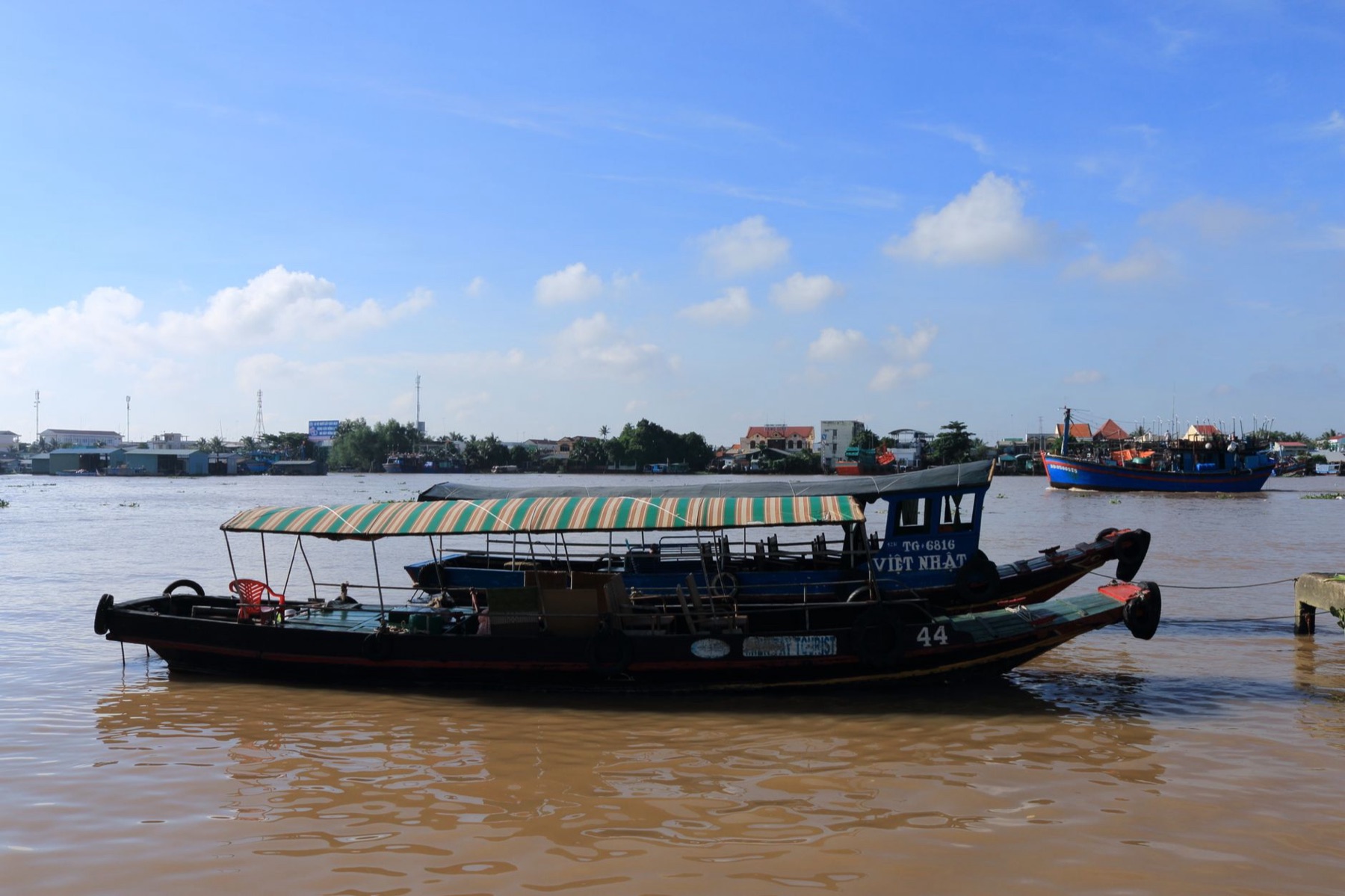
Can Tho has two main floating markets: Cai Rang and Phong Dien. Cai Rang (4:00–6:30 a.m.) is the larger, tourist-heavy one; boats offer 15–20 minute tours (around 50,000–100,000 VND per person, roughly $2.40–4.80 USD). Phong Dien (6:00–8:00 a.m.), 30 km south, is smaller, less crowded, and cheaper (same price range). Both sell fruit, vegetables, and ready-to-eat breakfast items: bánh mì (Vietnamese sandwich), sticky rice in banana leaves, and sugarcane juice. Food quality is high because vendors supply local restaurants—turnover is fast. Avoid eating from boats with English-language menus or staff targeting cameras; instead, eat where you see locals and Vietnamese-only signage. Morning temperature is cool (18–22°C from October–March), making eating on boats uncomfortable in summer. A typical floating-market breakfast costs 30,000–60,000 VND (roughly $1.45–2.90 USD). Go early (before 6:00 a.m.) to see the actual fish auctions and peak freshness; after 8:00 a.m., most boats have already sold out.
| ตลาด | เวลาดี | ที่ตั้ง | ฝูงชน | ราคาอาหาร |
|---|---|---|---|---|
| Cai Rang | 4:00–6:00 a.m. | Central Can Tho | Medium–High | 30,000–60,000 VND |
| Phong Dien | 6:00–7:30 a.m. | 30 km south | Low | 25,000–50,000 VND |
| Co Nhan Fish | 5:00–8:00 a.m. | Southwest riverfront | Low | 40,000–90,000 VND |
Cai Rang = Instagram; Phong Dien = locals; Co Nhan = fishermen.
จำนวนเงินราคาอาหารท้องถิ่นในกัญชนตามอัตราภูมิศาสตร์หลัก: อะไรคือการหลีกเลี่ยงการหลุดสลัดมหาชน?
A rough budget breakdown for a day of eating in Can Tho:
- Breakfast: hu tieu or bánh canh cua, 25,000–40,000 VND ($1.20–1.90 USD)
- Floating market snack: sugarcane juice, sticky rice, 15,000–25,000 VND ($0.70–1.20 USD)
- Lunch: grilled ca loc with rice, 60,000–100,000 VND ($2.90–4.80 USD)
- Dinner: mud crab or another grilled fish, 100,000–200,000 VND ($4.80–9.50 USD)
- Street snacks: banh hoai (Hoi An-style pancakes, sold by traveling vendors), 10,000–20,000 VND ($0.50–0.95 USD)
Total realistic daily food spend: 250,000–400,000 VND (roughly $12–19 USD) for 3 meals + snacks.
Tourist traps in Ninh Kieu district (main riverfront boulevard) charge 2–3× these prices for identical dishes. Avoid restaurants with laminated English menus, large signage, or tables facing the street—locals eat in unmarked shophouses with plastic stools and no signage. Smaller neighborhood areas like Go Vap and Truong An (west of the Hau River) have authentic eateries unknown to travel blogs.
ฤดูกาลและความสดชื่นด้านภูมิศาสตร์: เมื่อใดที่กัญชนมีรสชาติที่ดีที่สุด?
Seafood and vegetable seasons dictate flavor in the Mekong:
- October–March (cool, dry): Crab season peaks; all fish are plump. Hu tieu broth is richer because vendors simmer longer without heat stress. This is Can Tho's golden eating window.
- April–May (hot, pre-monsoon): Spring vegetables arrive; crab prices spike. Humidity makes eating heavy broths uncomfortable.
- June–September (monsoon): Rain floods fields; certain fish migrate upstream, reducing variety. Riverbank eateries sometimes close due to flooding (rare but check ahead). Mud crabs become scarce and are often farmed, not wild-caught.
Visit October–February for maximum dish variety and comfort. If traveling June–September, call ahead to confirm which stalls are operating; flooding disrupts markets unpredictably.
---
ส่วนตรวจสอบก่อนการรับประทานอาหาร: การหลีกเลี่ยงโรคอาหารเสีย และความหลอกลวง
- Fish color: Scales should be glossy, eyes clear and bulged, gills bright red. Dull, sunken eyes = old fish; skip it.
- Broth clarity: Hu tieu broth should be translucent with visible oil globules, never cloudy or gray (sign of day-old batch).
- Stall cleanliness: No mold on walls, ice in coolers should be solid (not water), hands washed between customers.
- Crab vibrancy: Live crabs should move quickly when prodded. Slow or limp crabs have been in tanks for days.
- Portion inflation: Ask the price before ordering. Many stalls quote low base prices, then add 20,000–30,000 VND for "extras" (rice, soup, herbs) not mentioned upfront.
- Tourist markups: Avoid restaurants listing prices in USD or large menu boards; these signal 100%+ markup.
- Water source: Tap water is not safe; drink bottled water or order boiled tea (included free at most stalls). Most eateries use well water or unfiltered tap water in ice—risky for travelers' stomachs.
---
ที่ไหนควรไปต่อจากกัญชน: การเดินทางระดับภูมิศาสตร์สำหรับคนรักอาหาร
After Can Tho, most travelers head north to Hoi An (3–4 hours by bus) for a completely different culinary scene—cao lau, banh hoai, and Chinese-influenced soups. Alternatively, descend deeper into the Delta to Ninh Binh via Ha Long Bay, which offers limestone caves and seafood at floating villages. For a broader Vietnam overview, consult our Vietnam itinerary planner to balance Can Tho with Hanoi or Ho Chi Minh City.
If you'd like to capture your Can Tho trip in traditional dress, consider booking an áo dài photoshoot with Cáo Studio in Hanoi or Saigon—they ship digital files worldwide and offer makeup/hair for travelers. For souvenirs or to send flowers home from Hanoi, Hoa Lang Thang offers same-day delivery within the city.
---
FAQ
Can Tho ต่างจากฮานอยและโฮจิมินห์ซิตี้ในด้านอาหารอย่างไร?
Can Tho centers on river fish and crab; Hanoi emphasizes pork and chicken with French-colonial influence; Ho Chi Minh City mixes north/south styles with Chinese flair. Can Tho lacks Hanoi's egg coffee and Ho Chi Minh's banh mi diversity. Fish-forward cooking is Can Tho's unique selling point.
ควรไปตลาดลอยของกัญชนเมื่อใดของวัน?
4:00–6:00 a.m. for Cai Rang (largest selection, cooler temperature), 6:00–7:30 a.m. for Phong Dien (fewer crowds). After 8:00 a.m., most vendors have sold out and boats thin. Go early to avoid peak heat and see actual fish auctions.
ปลาหมึกย่าง (ca loc nuong) มีความปลอดภัยหรือไม่สำหรับผู้เดินทางตามปกติ?
Yes, if eaten at busy stalls with high turnover and visible charring. Grilling kills bacteria; the risk is broth-based soups reheated over days. Stick to cooked, whole fish served fresh from the grill.
ราคาอาหารท้องถิ่นกัญชนเปรียบเทียบกับฮานอยหรือไซ่ง่อนได้อย่างไร?
Can Tho is 15–25% cheaper. Hu tieu costs 20,000–40,000 VND here vs. 35,000–50,000 VND in Hanoi. Grilled fish is similar (60,000–100,000 VND), but local sourcing reduces markup. Tourist-zone restaurants bridge the gap.
ฤดูกาลไหนที่ดีที่สุดสำหรับการเดินทางและการกินอาหารในกัญชน?
October–March (cool, dry, all seafood in season). June–September carry flooding risk and heat fatigue. Crab is scarce June–July; book tours and meals in advance if visiting then.
ฉันจะหลีกเลี่ยงการถูกหลอกลวงที่ร้านอาหารท้องถิ่นได้อย่างไร?
Ask prices in VND before ordering. Eat where you see locals eating (plastic stools, no English menu). Avoid Ninh Kieu riverfront tourist drag. Confirm fish is live/fresh by checking eyes and gills. Carry a translation app to read unmarked stalls' handwritten price boards. --- 📸 จองถ่ายรูปชุดอ๋าวหญ่ายที่ฮานอยหรือไซ่ง่อน (Cáo Studio)
คำถามที่พบบ่อย
Can Tho ต่างจากฮานอยและโฮจิมินห์ซิตี้ในด้านอาหารอย่างไร?
Can Tho centers on river fish and crab; Hanoi emphasizes pork and chicken with French-colonial influence; Ho Chi Minh City mixes north/south styles with Chinese flair. Can Tho lacks Hanoi's egg coffee and Ho Chi Minh's banh mi diversity. Fish-forward cooking is Can Tho's unique selling point.
ควรไปตลาดลอยของกัญชนเมื่อใดของวัน?
4:00–6:00 a.m. for Cai Rang (largest selection, cooler temperature), 6:00–7:30 a.m. for Phong Dien (fewer crowds). After 8:00 a.m., most vendors have sold out and boats thin. Go early to avoid peak heat and see actual fish auctions.
ปลาหมึกย่าง (ca loc nuong) มีความปลอดภัยหรือไม่สำหรับผู้เดินทางตามปกติ?
Yes, if eaten at busy stalls with high turnover and visible charring. Grilling kills bacteria; the risk is broth-based soups reheated over days. Stick to cooked, whole fish served fresh from the grill.
ราคาอาหารท้องถิ่นกัญชนเปรียบเทียบกับฮานอยหรือไซ่ง่อนได้อย่างไร?
Can Tho is 15–25% cheaper. Hu tieu costs 20,000–40,000 VND here vs. 35,000–50,000 VND in Hanoi. Grilled fish is similar (60,000–100,000 VND), but local sourcing reduces markup. Tourist-zone restaurants bridge the gap.
ฤดูกาลไหนที่ดีที่สุดสำหรับการเดินทางและการกินอาหารในกัญชน?
October–March (cool, dry, all seafood in season). June–September carry flooding risk and heat fatigue. Crab is scarce June–July; book tours and meals in advance if visiting then.
ฉันจะหลีกเลี่ยงการถูกหลอกลวงที่ร้านอาหารท้องถิ่นได้อย่างไร?
Ask prices in VND before ordering. Eat where you see locals eating (plastic stools, no English menu). Avoid Ninh Kieu riverfront tourist drag. Confirm fish is live/fresh by checking eyes and gills. Carry a translation app to read unmarked stalls' handwritten price boards. --- [📸 จองถ่ายรูปชุดอ๋าวหญ่ายที่ฮานอยหรือไซ่ง่อน (Cáo Studio)](https://vietnamphotoshoot.com)