ดาลัด
Da Lat Travel Guide: What to See, Eat & Avoid #
โดย Wander in Vietnam editorial team · Hanoi, Vietnam
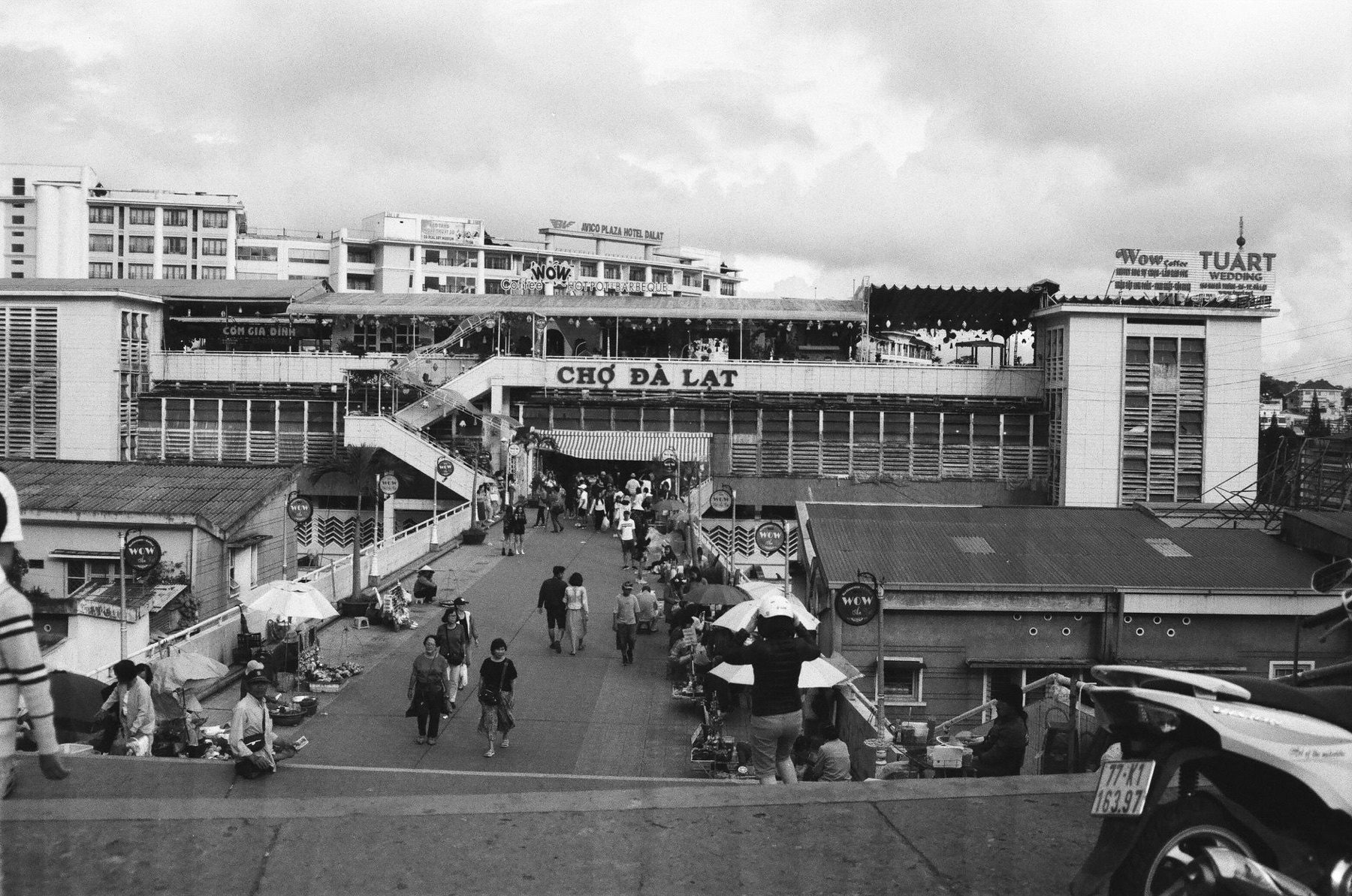
Da Lat sits at 1,500m in Lâm Đồng Province, 300km north of Ho Chi Minh City; expect 6–8°C mornings even in summer, so pack layers. The town is 3–4 hours by open-tour bus or 1.5 hours by motorbike from Saigon; most travelers spend 2–3 days here walking the Old Quarter around Hàng Ngoài and Tráng Liêu streets, visiting Xuan Huong Lake, and eating at family-run cơm tấm (broken-rice) stalls near Dalat Market (Chợ Đà Lạt). Accommodation ranges from guesthouses (200,000–400,000 VND / ~$8–16) to mid-range hotels (600,000–1.2 million VND / ~$24–48 per night). Wander in Vietnam recommends staying in the Old Quarter rather than near the tourist-heavy Flower Park; food is cheap (meal 40,000–80,000 VND / ~$1.60–3.20), but avoid tour operators on Tráng Liêu and generic "Da Lat specialty" shops that sell marked-up local goods at Saigon prices.
Why is Da Lat so cold, and when should you actually visit?
Da Lat's altitude (1,500m) keeps temperatures 8–10°C cooler than Saigon year-round. November to January brings dry weather and morning frost on roofs; February–April is misty and romantic but wet. May–October is warm and sometimes crowded. Pack a fleece or light jacket even in summer; on rainy days, the town becomes moody and picturesque. Go in December or early January if you want cool weather without crowds.
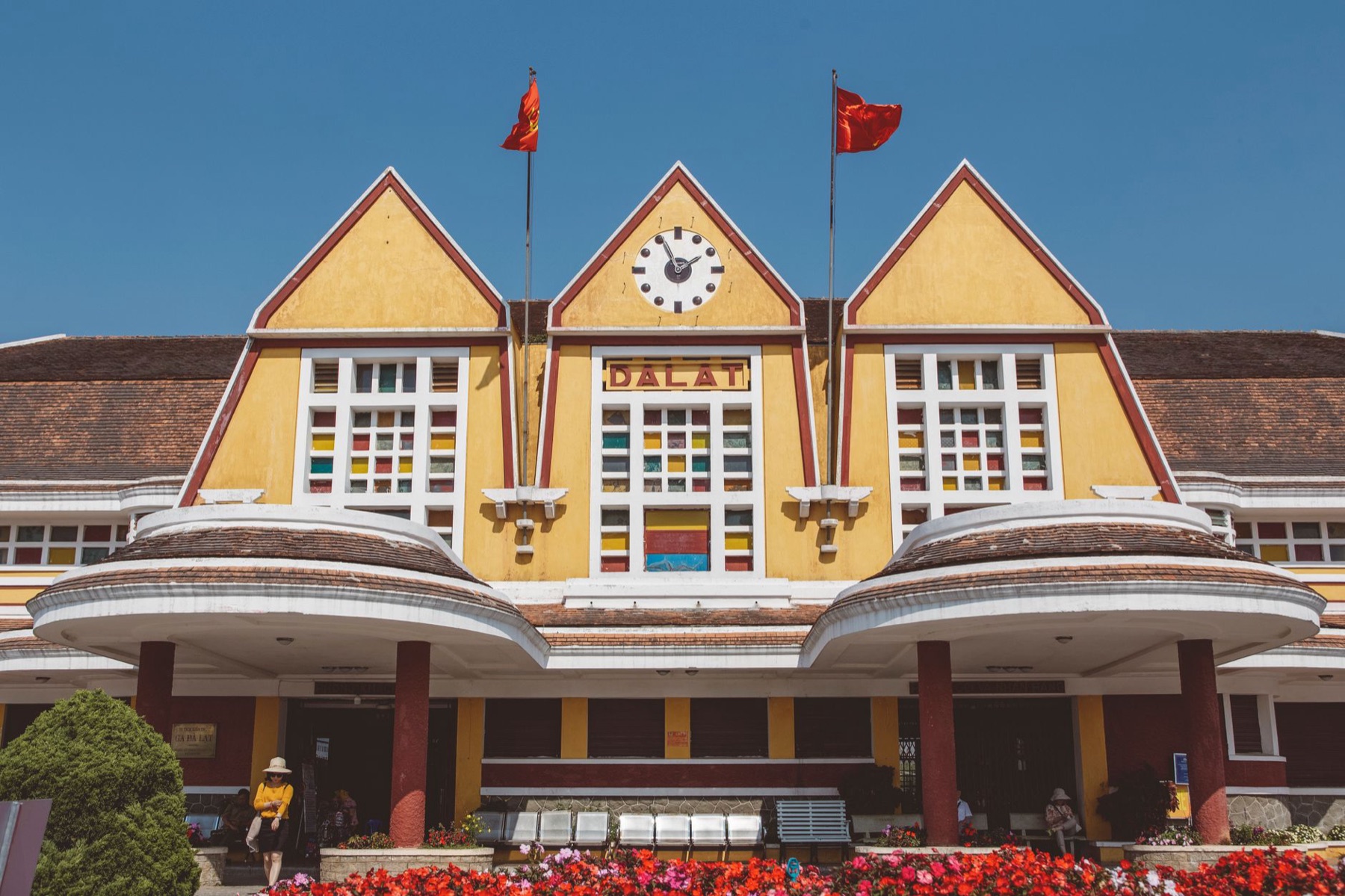
Where do locals eat, and what's the real cost?
The Old Quarter—especially streets like Hàng Ngoài, Tráng Liêu, and around Chợ Đà Lạt—hosts cheap family eateries where a full meal (bánh mì, phở, or cơm tấm) costs 40,000–60,000 VND (~$1.60–2.40). Artichoke tea stalls (opposite the Old Church) sell cups for 15,000 VND (~$0.60). Tourist-facing restaurants on Hàng Ngoài charge 80,000–150,000 VND (~$3.20–6) for the same dishes. Avoid shops selling "Da Lat strawberry jam" and vacuum-packed coffee to tourists at inflated prices; supermarkets near the market sell identical products at half the cost. Early-morning wet markets (4–7 am) offer fresh local avocados, strawberries, and artichokes at wholesale prices if you're cooking at a guesthouse.
| Meal Type | Typical Venue | Price (VND) | Price (THB) | Who It's For |
|---|---|---|---|---|
| Street phở / cơm tấm | Market stalls, early morning | 40,000–60,000 | ~64–96 | Budget travelers, locals |
| Artichoke tea | Roadside stand | 15,000 | ~24 | Quick caffeine, locals |
| Tourist-menu restaurant | Hàng Ngoài | 80,000–150,000 | ~128–240 | Comfort & English menus |
| Coffee & dessert café | Old Quarter | 50,000–100,000 | ~80–160 | Mid-range travelers |
| Dalat Market groceries | Chợ Đà Lạt | 10,000–30,000 per item | ~16–48 | Self-catering |
What neighborhoods should you stay in, and which to skip?
Stay: The Old Quarter (Hàng Ngoài, Tráng Liêu, Tuần Châu) has character, family guesthouses, and walkable streets. Skip: the Flower Park zone (northwest), which is touristy, plastic, and 2km from town; the Lake Promenade is crowded on weekends. Soft-budget travelers pick the alley behind the Old Church—quiet, cheap, and central. Mid-range visitors find good value near Lê Đạo Thành (quieter, hillside views). Motorbike rentals cost 80,000–150,000 VND / ~$3.20–6 per day; reliable shops are near the market, not hotels (avoid commissions). Base yourself in the Old Quarter; it's walkable and authentic.
What sights are actually worth your time, and what's overrated?
Xuan Huong Lake (Hồ Xuân Hương) is pleasant for a walk or rental rowboat (40 minutes, around 100,000 VND / ~$4 per boat), but skip it on weekends when it's packed. The Old Church (Nhà Thờ Con Gà) is photogenic but often full of tour groups; visit at 6 am before buses arrive. Crazy House (Hang Nga Villa) is an Instagram trap—chaotic, overpriced (100,000 VND / ~$4 entry), and warped architecture without historical merit. Instead: walk Tráng Liêu at dusk, visit the farmer's market at 5–7 am, rent a motorbike to ride through strawberry and vegetable farms on Route 20, and eat lunch at roadside cơm tấm stalls near Ankroet or Thạch Lâm villages. Skip Crazy House; walk the Old Quarter and ride to farms instead.
How do you avoid common scams and money-waster traps?
Tour operators on Tráng Liêu sell inflated multi-day "adventure packages" (jeep tours, cave hikes) at 1.2–2 million VND / ~$48–80 for what costs 300,000–500,000 VND / ~$12–20 direct. Motorbike "hire" scams include fake damage claims on return; photograph the bike before rental and use guesthouses, not street dealers. Souvenir vendors mark up "Da Lat artichokes," "strawberry wine," and silk scarves by 200–300%; buy local goods at markets, not tourist shops. Fake eSIM cards sold in Saigon may not work—get one in Hanoi or grab one before departure. Tuk-tuk drivers don't have meters; agree on a price before boarding (in-town rides 50,000–100,000 VND / ~$2–4). Use guesthouses for motorbike rentals, eat at markets, skip souvenir shops.
When is the best time to visit Da Lat, and how long should you stay?
December–January is ideal: cool (12–18°C), dry, and less crowded than holidays. February–March is misty and romantic but unpredictable (rain mixed with sun). April–May is humid and warm (20–25°C). June–September is hot, wet, and tourist-heavy. October–November transitions to cool and dry. Plan 2–3 days: one day in town (Old Quarter, lake, market), one day on a motorbike ride through farms and villages, one day for a day trip to surrounding areas like Ankroet Waterfall or Dalat market at dawn. Longer stays risk boredom unless you're a photographer or farm-stay enthusiast. Visit December–January, stay 2–3 days, rent a motorbike for the countryside.
---
📸 จองถ่ายรูปชุดอ๋าวหญ่ายที่ฮานอยหรือไซ่ง่อน (Cáo Studio)
What should you check before you travel to Da Lat?
- Visa: Check Vietnam e-visa requirements if staying over 30 days or need fast approval.
- Internet: Get an eSIM for Vietnam before arrival; local SIM shops exist but are slower.
- Weather: Pack layers. Even "warm" months (25°C) feel cool at night.
- Motorbike: Bring a copy of your passport and an International Driving Permit if renting; Vietnamese police sometimes check tourists.
- Itinerary: Use the itinerary planner to combine Da Lat with Ho Chi Minh City, Nha Trang, or Sapa (both 10–12 hours away).
- Gifts: If bringing gifts for hosts or photos, consider engraved or personalized keepsakes from our memento collection for lasting impressions.
Da Lat is underrated because most tour itineraries skip it for beach resorts; we spend 2–3 days here instead because the food is honest, the motorbike rides are stunning, and the Old Quarter feels genuinely Vietnamese. Pair your stay with Ha Long Bay or Ninh Binh to build a complete Central + North loop, or plan a full Vietnam route. If traveling with a partner, a personalized keepsake or engraved gift from your time here makes for authentic, lasting memories—far better than mass-produced souvenirs.
---
#
FAQ
Da Lat cách Ho Chi Minh City bao xa?
Da Lat nằm cách Saigon 300 km về phía Bắc. Đi bằng xe buýt mở mất khoảng 6–8 giờ (200,000–250,000 VND / ~$8–10); xe máy mất 3–4 giờ nếu tốc độ trên đường cao tốc. Các guesthouses sắp xếp xe buýt tối tốt nhất; tránh các nhà điều hành du lịch trên Tráng Liêu vì họ đánh giá quá cao.
Tôi cần mang theo gì để đi Da Lat?
Mang áo khoác hoặc áo len vì nhiệt độ vào buổi sáng 8–12°C. Nếu ở lại 2–3 ngày, chuẩn bị thêm quần dài và giày đóng. Mưa xuất hiện bất kỳ lúc nào từ tháng 5 đến tháng 9 nên mang theo áo mưa. Nếu đi xe máy, mang bằng lái quốc tế.
Da Lat có quá nhiều khách du lịch không?
Tháng 12 đến tháng 1 bắt đầu tăng nhưng vẫn có thể quản lý; tránh Tết Nguyên Đán (tháng 1–2) và lễ hè (tháng 6–7). Phố Hàng Ngoài đông vào cuối tuần nhưng sáng sớm hoặc chiều muộn yên tĩnh. Những người sợ đám đông nên ở giữa tuần hoặc đi sớm vào tháng 3–4.
Có những trang trại nào đáng thăm quanh Da Lat không?
Các trang trại dâu tây, rau và hoa nằm dọc theo đường 20 hướng Ankroet, cách trung tâm thành phố 20–30 km. Cho phép hướng dẫn địa phương hoặc chủ nhà guesthouse liên hệ; các nhà điều hành du lịch chính thức tính 500,000–1 triệu VND (~$20–40) nhưng đi xe máy riêng chỉ tốn xăng 100,000 VND (~$4). Sáng sớm là tốt nhất; chiều muộn nắng nóng.
Cách tốt nhất để thưởng thức trà atisô Da Lat là gì?
Trà atisô tươi được pha tại các quán ven đường gần Nhà Thờ Cũ và dọc Tráng Liêu; chi phí 15,000–25,000 VND (~$0.60–1). Chợ Đà Lạt bán atisô khô để pha tại nhà. Tránh các cửa hàng du lịch trên Hàng Ngoài (tính gấp 3 lần giá); chợ gần Trần Hưng Đạo rẻ hơn nhiều.
Nên ở guesthouses hay khách sạn ở Da Lat?
Guesthouses trong Old Quarter (200,000–350,000 VND / ~$8–14) mạnh hơn về địa điểm và tính xác thực; khách sạn giữa tầm (600,000–1 triệu VND / ~$24–40) cung cấp sự thoải mái nhưng nằm ngoài trung tâm. Các nhân viên guesthouse là những người địa phương tốt nhất để biết những bí mật ẩn giấu và cho thuê xe máy; khách sạn thường kiếm tiền từ hoa hồng tư nhân. Ở lại nếu bạn thích đi bộ.
คำถามที่พบบ่อย
Da Lat cách Ho Chi Minh City bao xa?
Da Lat nằm cách Saigon 300 km về phía Bắc. Đi bằng xe buýt mở mất khoảng 6–8 giờ (200,000–250,000 VND / ~$8–10); xe máy mất 3–4 giờ nếu tốc độ trên đường cao tốc. Các guesthouses sắp xếp xe buýt tối tốt nhất; tránh các nhà điều hành du lịch trên Tráng Liêu vì họ đánh giá quá cao.
Tôi cần mang theo gì để đi Da Lat?
Mang áo khoác hoặc áo len vì nhiệt độ vào buổi sáng 8–12°C. Nếu ở lại 2–3 ngày, chuẩn bị thêm quần dài và giày đóng. Mưa xuất hiện bất kỳ lúc nào từ tháng 5 đến tháng 9 nên mang theo áo mưa. Nếu đi xe máy, mang bằng lái quốc tế.
Da Lat có quá nhiều khách du lịch không?
Tháng 12 đến tháng 1 bắt đầu tăng nhưng vẫn có thể quản lý; tránh Tết Nguyên Đán (tháng 1–2) và lễ hè (tháng 6–7). Phố Hàng Ngoài đông vào cuối tuần nhưng sáng sớm hoặc chiều muộn yên tĩnh. Những người sợ đám đông nên ở giữa tuần hoặc đi sớm vào tháng 3–4.
Có những trang trại nào đáng thăm quanh Da Lat không?
Các trang trại dâu tây, rau và hoa nằm dọc theo đường 20 hướng Ankroet, cách trung tâm thành phố 20–30 km. Cho phép hướng dẫn địa phương hoặc chủ nhà guesthouse liên hệ; các nhà điều hành du lịch chính thức tính 500,000–1 triệu VND (~$20–40) nhưng đi xe máy riêng chỉ tốn xăng 100,000 VND (~$4). Sáng sớm là tốt nhất; chiều muộn nắng nóng.
Cách tốt nhất để thưởng thức trà atisô Da Lat là gì?
Trà atisô tươi được pha tại các quán ven đường gần Nhà Thờ Cũ và dọc Tráng Liêu; chi phí 15,000–25,000 VND (~$0.60–1). Chợ Đà Lạt bán atisô khô để pha tại nhà. Tránh các cửa hàng du lịch trên Hàng Ngoài (tính gấp 3 lần giá); chợ gần Trần Hưng Đạo rẻ hơn nhiều.
Nên ở guesthouses hay khách sạn ở Da Lat?
Guesthouses trong Old Quarter (200,000–350,000 VND / ~$8–14) mạnh hơn về địa điểm và tính xác thực; khách sạn giữa tầm (600,000–1 triệu VND / ~$24–40) cung cấp sự thoải mái nhưng nằm ngoài trung tâm. Các nhân viên guesthouse là những người địa phương tốt nhất để biết những bí mật ẩn giấu và cho thuê xe máy; khách sạn thường kiếm tiền từ hoa hồng tư nhân. Ở lại nếu bạn thích đi bộ.
อ่านต่อ: คู่มือเที่ยว ดาลัด