ซาปา
Day Trips from Sapa: 5 Routes & What to Pack
โดย Wander in Vietnam editorial team · Hanoi, Vietnam
From Sapa town (in Lào Cai), day trips fan out into three zones: lowland rice terraces and Black H'Mong villages (Cat Cat, Sin Chai, Lao Chai; 1–3 hours return), mid-altitude silver-waterfall forests (Thác Bạc, Ta Phin), and alpine passes toward Chinese border (Tram Ton, Sin Thuddy). Most trips involve steep, muddy descents; the best require guides (around 800,000–1,200,000 VND/$32–$48 per person for 6–8 hours) to navigate safely and reach homestays. Cost basis: Wander in Vietnam guides local operators. October–November sees the clearest skies and fewest tourists; June–August brings leeches, rain, and mist. Pack water-resistant boots, a dry bag, a headlamp, and sun protection; many day-trippers arrive unprepared and turn back. Scam: unlicensed trekkers on Sapa's main road charging 30–50% less but offering no insurance or meal inclusions. --- 🗺️ วางแผนเที่ยวเวียดนาม
H'Mong Villages in the Terraces—How Far Is "Walking Distance"?
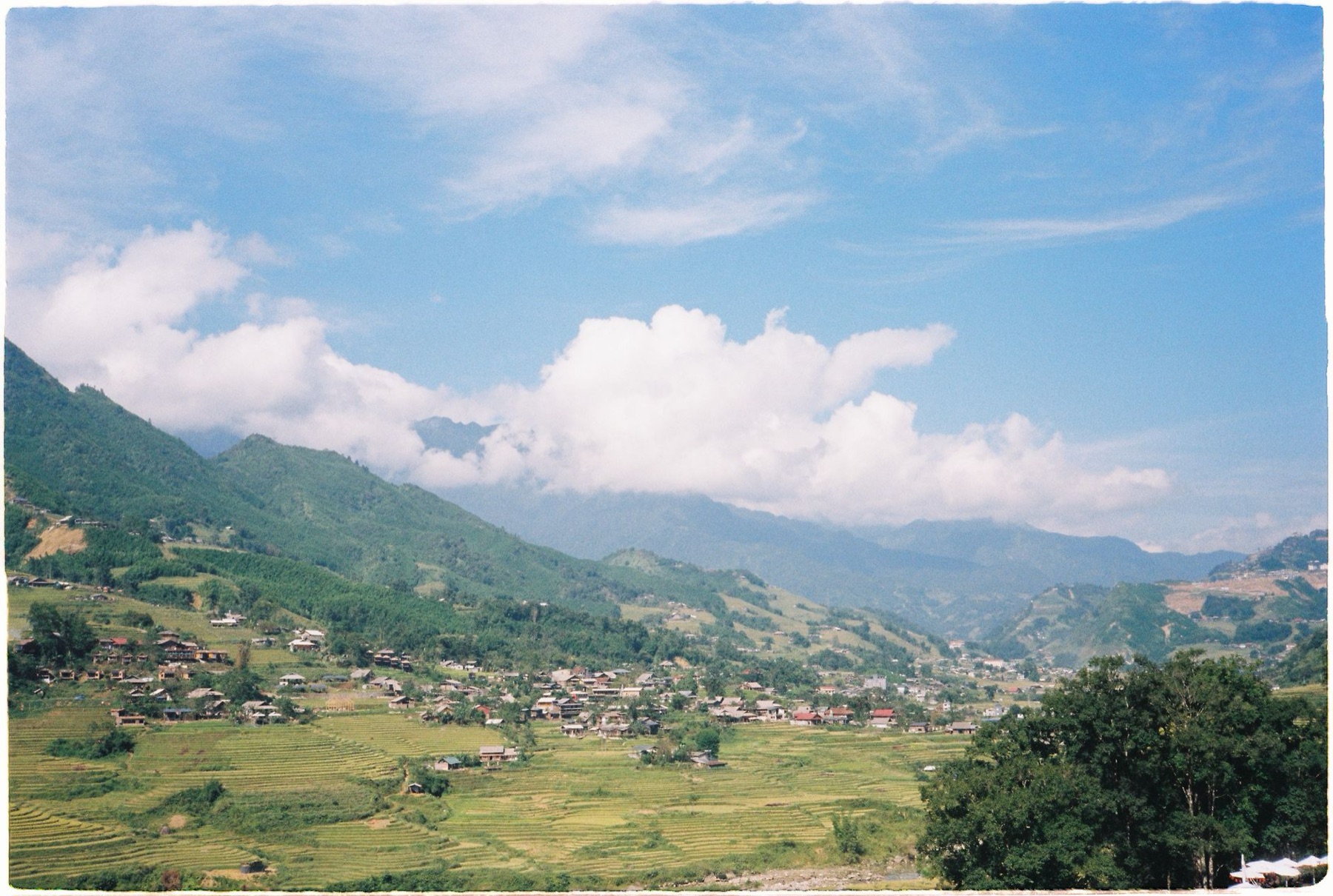
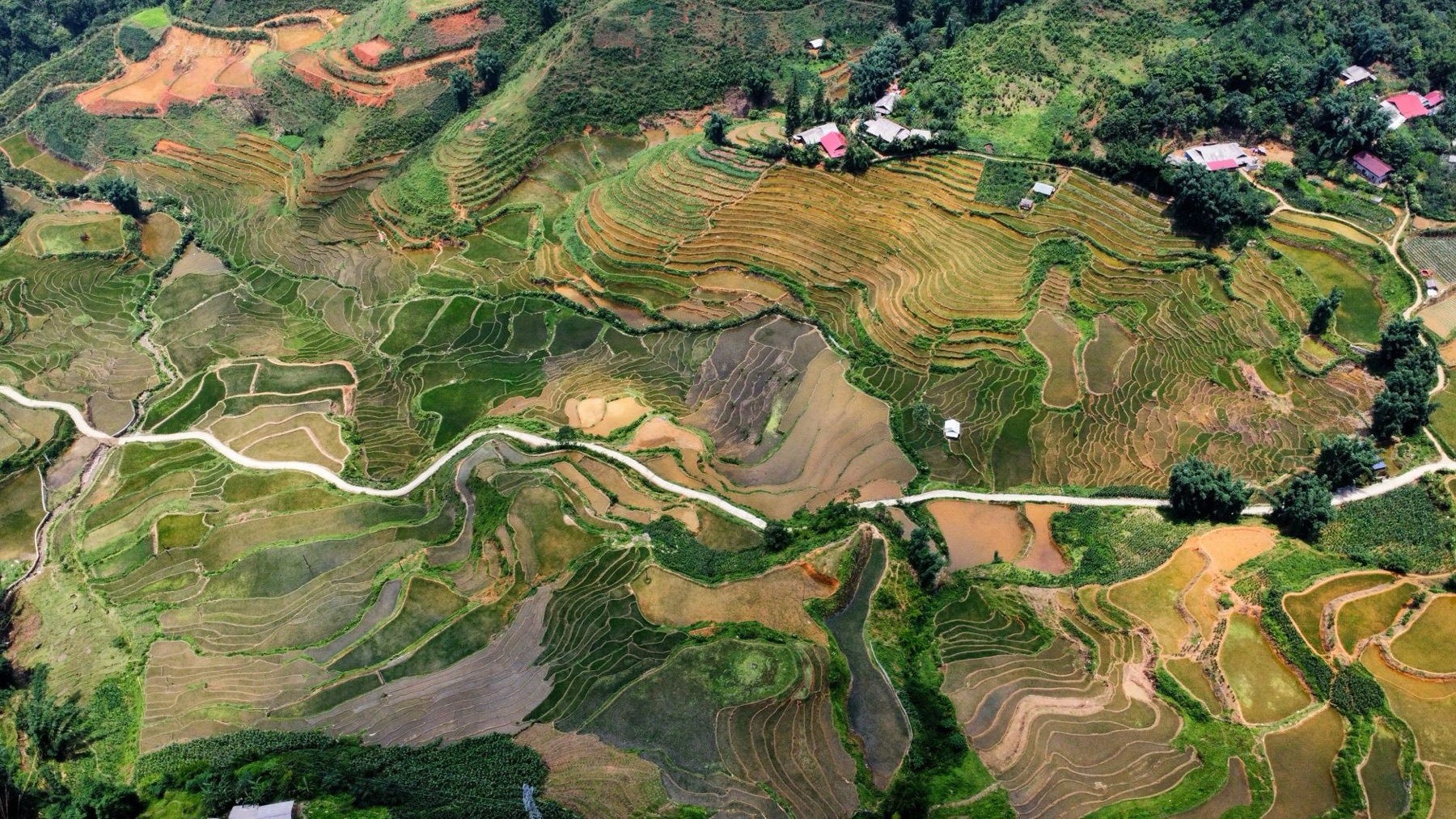
Sapa's south side opens onto the Muong Hoa Valley, home to Black H'Mong families who've farmed rice on 70°+ slopes for centuries. Cat Cat village sits 2 km downhill (45 min descent, 90 min up); Sin Chai adds another hour from there. Most guides loop both in a half-day and include lunch at a family's house for around 50,000–100,000 VND ($2–$4) extra. The terrain is steep, rocky, and muddy year-round; in wet season (May–September) ropes help the ascent. What actually happens: one-third of visitors skip the return walk and pay drivers to pick them up at the valley floor (10,000 VND/$0.40 per km, negotiate beforehand). The homestay meals are genuine and good—typically bamboo-shoot soup, rice, and fried greens—but arrive with a light stomach and cash in small denominations. Guides speak basic English; hire through your hotel or a reputable operator, not roadside touts. Conclusion: Cat Cat to Sin Chai takes 5–6 hours round-trip; realistic for most fitness levels if you start by 7 a.m.
Thác Bạc (Silver Waterfall)—Is It Worth the Hype?
Thirty km southwest, this cascade drops 250 meters and attracts half the tour groups in Sapa. The official approach is a steep 20-minute descent on steps from a small car park, then a slippery trail to the base pool. The real insight: most tourists photograph the waterfall from above (5 min) and leave. Actual hikers push through the crowds, wading the stream and climbing a secondary trail to the upper falls (total 2–3 hours, intermediate fitness). In dry season (Oct–Dec), the water is shallow and the walk is easier; in wet season it's a torrent and the rocks are treacherous. Cost: 50,000 VND ($2) entrance fee, or hire a guide (900,000–1,100,000 VND/$36–$44) who'll loop it with Ta Phin Hot Spring to the north. The spring water is lukewarm (32–38°C) and smells of minerals; locals use it; tourists mostly photograph it. A realistic morning is Thác Bạc base loop + lunch in the nearby town of Ta Phin (rice and beef; ~60,000 VND/$2.40) + Ta Phin return by noon. Conclusion: Worthwhile as part of a longer day, not alone.
Tram Ton Pass—What's the Payoff for the Altitude?
The highest road pass in Vietnam (2,093 m), Tram Ton offers a two-hour hike to a stone pagoda with views into Hoang Lien mountain range toward China. The catch: the hike is steep, misty 70% of the year, and utterly viewless when cloudy (frequent). The payoff: on clear days, the panorama—rice terraces, forested valleys, and distant peaks—is exceptional, and very few tourists make it this far. The route is usually combined with guides who arrange transport (200,000–300,000 VND/$8–$12 each way, 2–4 people) and walk you 1.5 hours uphill to the pagoda, then down to a local house for late lunch. Bring an extra water bottle and a wind layer; it's 5–10°C cooler than Sapa town and exposed. Conclusion: Worth attempting if weather is clear; skip if clouds are heavy or time is tight.
When Should You Trek, and When Should You Just Hire a Driver?
| Activity | Duration | Fitness needed | Weather risk | Cost (per person) | Best season |
|---|---|---|---|---|---|
| Cat Cat village loop | 3–4 hours | Moderate | Low | 600–800K VND ($24–32) | Oct–Mar |
| Thác Bạc + Ta Phin | 4–5 hours | Moderate | Medium | 800–1,000K VND ($32–40) | Oct–Mar |
| Tram Ton pagoda + lunch | 5–6 hours | Moderate–high | High (mist) | 1,000–1,200K VND ($40–48) | Oct–Nov |
| Rice terrace photo tour (car + short walks) | 3 hours | Light | Low | 400–600K VND ($16–24) | Oct–Mar |
| Chinese border lookout (Sapa–Sin Thuddy) | 4–5 hours | Moderate | Medium | 700–900K VND ($28–36) | Oct–Nov |
Most trekkers choose October–April for clear skies and fewer insects. June–August is wet and leech-heavy; skip unless you're experienced. A realistic one-day budget: 1,000,000–1,500,000 VND ($40–60) per person for a guide, lunch, and transport. Solo travelers can join group walks at Sapa Rooms hotel or through tourism offices (around 800,000 VND/$32).
📸 จองถ่ายรูปชุดอ๋าวหญ่ายที่ฮานอยหรือไซ่ง่อน (Cáo Studio)
Which Hikes Require a Local Guide, and Which Can You Do Alone?
Cat Cat village is signed and very busy—you'll find your way with a map and phone offline (Google Maps works, partly). Sin Chai adds the risk of wrong turns; a guide (50,000–80,000 VND/$2–3.20 for the day) is worth the reassurance. Thác Bạc has a clear, crowded path; a guide adds access to quieter upper trails and local knowledge of which sections flood. Tram Ton and remote border walks should not be attempted solo: mist disorients fast, signage is minimal, and locals won't know you've gone missing. Hire guides through your hotel (ask them to confirm the guide's phone number and real name beforehand) or the Sapa Tourism Information Center on Cau May Street. Expect to speak limited English with guides; that's normal and not a red flag. Conclusion: Solo = Cat Cat or day-trip car tours; guided = anywhere else.
How to Pack for Sapa Day Treks Without Overloading
Sapa town sits at 1,600 m and is cool, but trails descend into warmer, wetter valleys. A realistic pack: water-resistant hiking boots (rent or bring; muddy trails destroy shoes), a 15-liter backpack, 2–3 liters of water, a light rain jacket, a dry bag for electronics, sunscreen, a headlamp (creeks and forests get dim), a light snack (peanuts, energy bars), a small first-aid kit, and cash (shops in villages take only notes, not cards). Many trekkers forget the headlamp and end up hurrying out of forests in fading light. Leave your big suitcase at the hotel; a day pack is essential. Gaiters (wraps around boot–ankle junction) prevent leeches and mud; buy in Hanoi's outdoor shops or rent locally for 30,000 VND ($1.20). A micro-fiber towel (20,000 VND/$0.80 in any market) is lighter and quicker than a cotton one. Conclusion: Sub-3-kg pack, water, boots, and a headlamp are non-negotiable.
---
What to Check Before You Book a Sapa Day Trip
✓ Confirm the guide speaks English at a conversational level (ask the hotel to call them beforehand). ✓ Ask if meals and water are included; if not, budget an extra 200,000 VND ($8). ✓ Check the weather forecast; if rain is >60% probability, ask if the trek is rescheduled free. ✓ Bring your phone number in writing; give it to your hotel in case of delays. ✓ Verify the guide has liability insurance (ask to see a certificate or ask your hotel to confirm). ✓ Start by 7 a.m. to finish before dusk (November–February sunset is 5 p.m.). ✓ Confirm pickup time and location (many hotels will include transport).
---
Honest Mistakes Visitors Make (and How to Avoid Them)
Starting too late. Many day-trippers aim for 9 a.m. and finish in darkness, missing safe return paths. Aim for 6:30–7 a.m. departure.
Assuming all guides are safe. Confirm through your hotel; don't accept offers on the street.
Wearing canvas shoes or sandals. Trails are 70° slope with roots, rocks, and mud. Hiking boots or heavy trail shoes only.
Forgetting to bring cash. Villages and homestays have no card readers; 2,000,000 VND ($80) minimum in small notes.
Skipping the lunch homestay. This is often the emotional heart of the day and funds local families directly. Go.
Planning for one day only. Two days allow time for a proper trek (day one) and a cultural or waterfall excursion (day two) without rushing.
---
Day-Trip Comparison: Sapa vs. Nearby Alternatives
If you have only one day in the region, Sapa is the hub. But Ninh Binh (4 hours south by bus) offers cave hikes and limestone kayaking—less crowded, different terrain. Ha Long Bay (6 hours northeast) is multi-day by nature; a one-day speedboat is exhausting and overpriced. Hanoi (5 hours south by overnight bus or flight) is flat but culturally rich if you skip the peaks. Most travelers do 2–3 nights in Sapa for real immersion. For a souvenir of the region—a memory book, a textile map, or a printed photo of your trek—consider keepsake collections or regional art prints to bring home.
---
eSIM and Connectivity: Why You Need It in Sapa
The mountains interrupt most cell signals; a Vietnam eSIM with 4G (via Viettel or Mobifone) ensures your GPS, emergency calls, and messaging work in valleys and on passes. Budget 150,000–300,000 VND ($6–$12) for a 7-day plan with 5–10 GB data. Buy it before you arrive in Sapa (or in Hanoi airport). Offline Google Maps is a backup but doesn't replace real connectivity for emergencies.
---
FAQ
Can I do a day trip from Hanoi to Sapa?
Yes, but expect 10+ hours on buses. Overnight buses (6 p.m.–6 a.m.) from Hanoi's south-side stations cost 250,000–400,000 VND ($10–16). Arrive exhausted; better to spend 2–3 nights. Flights (Hanoi to Lao Cai) are 1.5 hours, ~1,500,000 VND ($60) each way; worth it if budget allows.
Are the rice terraces real, or just for tourists?
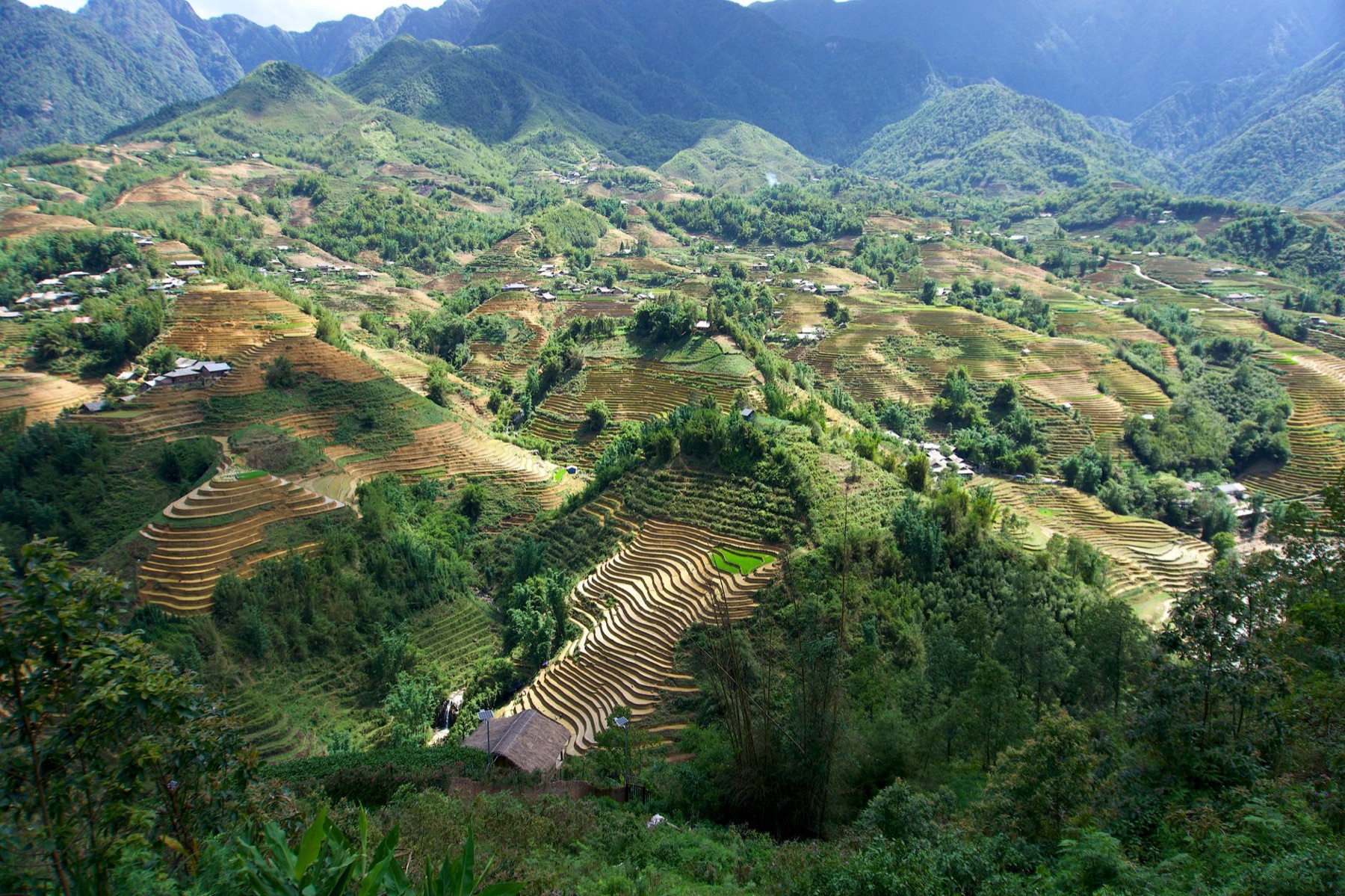
They're real, working farms. H'Mong families still harvest rice and corn on these slopes. You're not intruding on a museum; you're walking through active agricultural land. Be respectful, don't photograph children without consent, and buy snacks or lunch to support them directly.
What's the biggest scam in Sapa?
Unmarked "guides" offering treks at 30–50% below market price, then abandoning you halfway or demanding extra payment mid-hike. Hire only through hotels or the tourism office. A legitimate day trek costs 800,000–1,200,000 VND ($32–$48); anything cheaper is a red flag.
Can I trek if I'm out of shape?
Yes. Cat Cat village and Thác Bạc waterfalls are steep but short. Start slow, take breaks, and focus on enjoying the views rather than speed. Gaiters, trekking poles, and proper boots reduce injury risk. Tram Ton pass is harder; consider doing that on day two if you're less fit.
Do I need a guide, or can I use an app?
Cat Cat village is fine solo with offline maps. Anything beyond that—Sin Chai, Tram Ton, border hikes—requires a guide. Mist rolls in fast, paths fork unexpectedly, and locals don't speak English. A guide also lets you stay longer in villages and homestays, which is why you came. Cost: 600,000–1,200,000 VND ($24–$48) per person for 6–8 hours is standard and includes expertise.
When are the "absolutely worst" times to visit Sapa?
June–August: high humidity, frequent rain, leeches, and thick mist (zero views). November–December: occasional frost and slippery paths. Go October–April for clarity and comfort. If you're caught in monsoon, do shorter valley walks instead of high passes.
Should I hire a car and driver for the day, or a guide?
A car-and-driver costs ~600,000–800,000 VND ($24–32) for 8 hours and suits photo tours and waterfall stops. A trek guide includes walking, local knowledge, and homestay access. Combine both: car to the trailhead, guide for the hike, car to pick you up (total ~1,200,000–1,500,000 VND/$48–60). Most hotels arrange this as a package. --- ## Ready to Explore Sapa's Valleys? The best day trips combine a mix: a village walk (social), a waterfall or pass (photo moment), and a homestay lunch (connection). Plan for 2–3 nights if you can; one day is rushed. Book your guide through your hotel the evening before, confirm the weather, and start early. Bring water, boots, and a headlamp. Finish by sunset. Once you're home, a printed regional travel photo or a memory keepsake keeps the experience alive. Consider also a custom photo gift showing your trek moment—perfect for sharing the story with family. For a pre-trip mood, check out Cáo Studio's áo dài photoshoot options in Hanoi if you want professional portraits in traditional Vietnamese dress before you head north—a memento you'll treasure. Happy trekking. Stay safe, respect the mountains, and bring cash.
คำถามที่พบบ่อย
Can I do a day trip from Hanoi to Sapa?
Yes, but expect 10+ hours on buses. Overnight buses (6 p.m.–6 a.m.) from Hanoi's south-side stations cost 250,000–400,000 VND ($10–16). Arrive exhausted; better to spend 2–3 nights. Flights (Hanoi to Lao Cai) are 1.5 hours, ~1,500,000 VND ($60) each way; worth it if budget allows.
Are the rice terraces real, or just for tourists?
They're real, working farms. H'Mong families still harvest rice and corn on these slopes. You're not intruding on a museum; you're walking through active agricultural land. Be respectful, don't photograph children without consent, and buy snacks or lunch to support them directly.
What's the biggest scam in Sapa?
Unmarked "guides" offering treks at 30–50% below market price, then abandoning you halfway or demanding extra payment mid-hike. Hire only through hotels or the tourism office. A legitimate day trek costs 800,000–1,200,000 VND ($32–$48); anything cheaper is a red flag.
Can I trek if I'm out of shape?
Yes. Cat Cat village and Thác Bạc waterfalls are steep but short. Start slow, take breaks, and focus on enjoying the views rather than speed. Gaiters, trekking poles, and proper boots reduce injury risk. Tram Ton pass is harder; consider doing that on day two if you're less fit.
Do I need a guide, or can I use an app?
Cat Cat village is fine solo with offline maps. Anything beyond that—Sin Chai, Tram Ton, border hikes—requires a guide. Mist rolls in fast, paths fork unexpectedly, and locals don't speak English. A guide also lets you stay longer in villages and homestays, which is why you came. Cost: 600,000–1,200,000 VND ($24–$48) per person for 6–8 hours is standard and includes expertise.
When are the "absolutely worst" times to visit Sapa?
June–August: high humidity, frequent rain, leeches, and thick mist (zero views). November–December: occasional frost and slippery paths. Go October–April for clarity and comfort. If you're caught in monsoon, do shorter valley walks instead of high passes.
Should I hire a car and driver for the day, or a guide?
A car-and-driver costs ~600,000–800,000 VND ($24–32) for 8 hours and suits photo tours and waterfall stops. A trek guide includes walking, local knowledge, and homestay access. Combine both: car to the trailhead, guide for the hike, car to pick you up (total ~1,200,000–1,500,000 VND/$48–60). Most hotels arrange this as a package. --- ## Ready to Explore Sapa's Valleys? The best day trips combine a mix: a village walk (social), a waterfall or pass (photo moment), and a homestay lunch (connection). Plan for 2–3 nights if you can; one day is rushed. Book your guide through your hotel the evening before, confirm the weather, and start early. Bring water, boots, and a headlamp. Finish by sunset. Once you're home, a printed [regional travel photo](/th/collections/prints) or a [memory keepsake](/th/collections/keepsakes) keeps the experience alive. Consider also a custom [photo gift](/th/collections/gifts-by-occasion) showing your trek moment—perfect for sharing the story with family. For a pre-trip mood, check out [Cáo Studio's áo dài photoshoot options in Hanoi](/th/https://vietnamphotoshoot.com/hanoi) if you want professional portraits in traditional Vietnamese dress before you head north—a memento you'll treasure. Happy trekking. Stay safe, respect the mountains, and bring cash.
อ่านต่อ: คู่มือเที่ยว ซาปา