ห่าซาง
Ha Giang Food Guide: 5 Must-Try Dishes & Where Locals Eat
โดย Wander in Vietnam editorial team · Hanoi, Vietnam
Ha Giang's cuisine centers on corn, sticky rice, and pork raised in remote communes—a reflection of its harsh mountain climate and sparse supply chains. The signature dish is cơm ngô (corn rice), sold at morning markets for around 20,000–30,000 VND (~$1–1.50 USD). Top the sticky rice with grilled pork and wild vegetables. Other essentials: bánh chuối (banana cake, 15,000–20,000 VND), thang cơm (pork organ rice, 30,000–50,000 VND), and spring rolls with turmeric-leaf wrappers. Markets in town (Hà Giang City) open 5–7 a.m.; avoid lunch-hour crowds and the slick seller near the central bus station who overcharges tourists by 50%. Wander in Vietnam recommends starting your Ha Giang trip here for the full neighborhood map. 🗺️ วางแผนเที่ยวเวียดนาม ---
Ha Giang's Corn Culture: Why It Dominates Every Meal
What is cơm ngô and why do locals eat it every morning? Corn rice is a labor-saving staple in Ha Giang—cheap, filling, and suited to the region's short growing season. Farmers plant corn after rice harvest, then sell dried kernels year-round to market vendors. A bowl mixes cooked rice with roasted corn kernels and often includes a hard-boiled egg, pickled mustard greens, and grilled pork patties. Cost: around 25,000–35,000 VND (~$1.25–1.75 USD) with meat. The best versions come from family-run stalls in the old market (Chợ Cũ, north of Hà Giang City center) that open before 6 a.m. and sell out by 8 a.m. Skip tourist-facing café versions; they charge 60,000+ VND and use canned corn.
📸 จองถ่ายรูปชุดอ๋าวหญ่ายที่ฮานอยหรือไซ่ง่อน (Cáo Studio)
Street Markets in Hà Giang City: Opening Hours & What to Watch
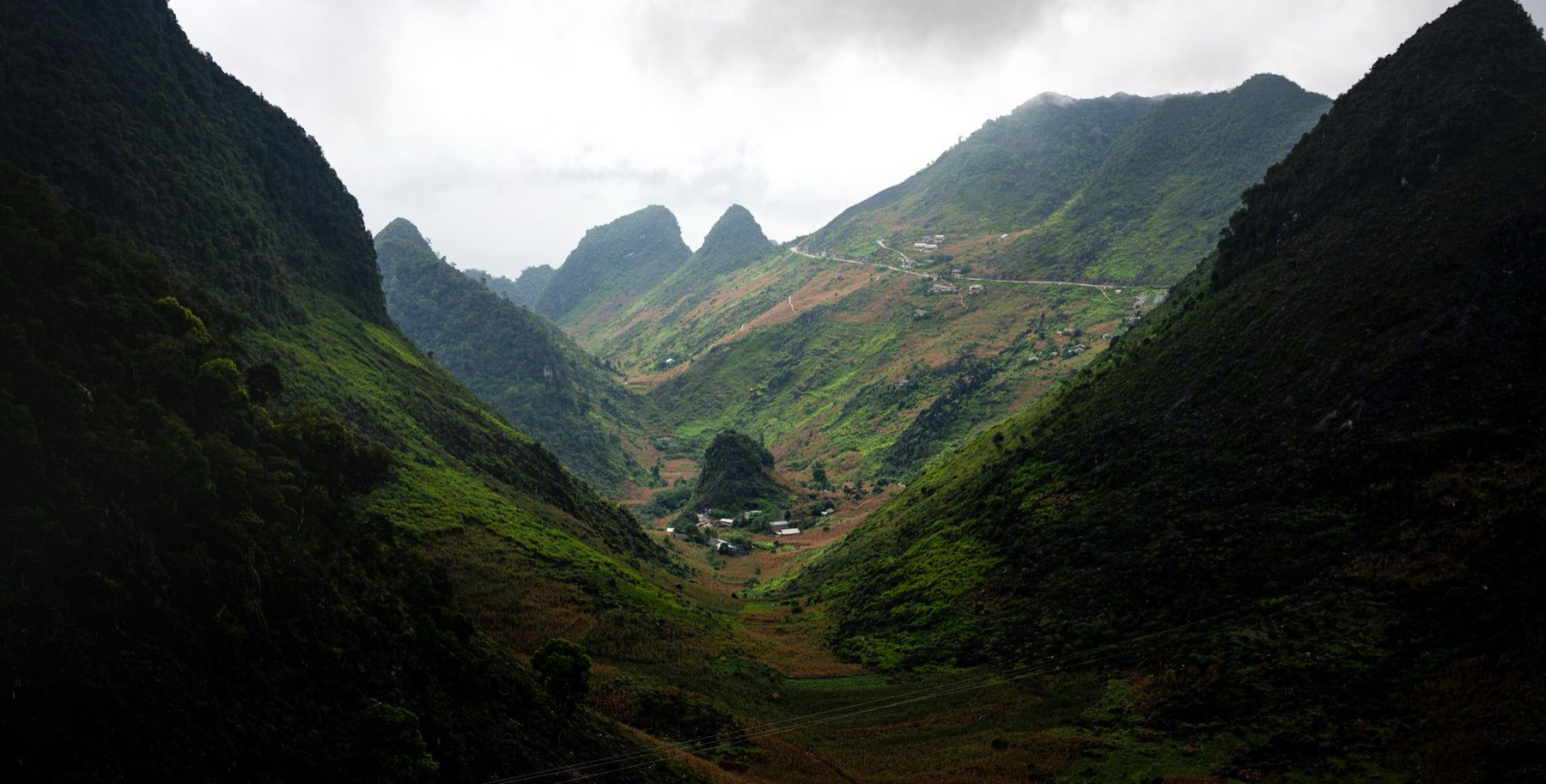
Which markets are worth visiting and when should you go? Chợ Cũ (Old Market) opens 5 a.m., peaks 6–7 a.m., and clears by 9 a.m.; it's the real deal for corn rice, fresh herbs, and village-raised pork. Chợ Mới (New Market), south of the city center, operates until 10 a.m. and stocks more packaged goods. Prices at both are honest; locals and tourists pay the same. Watch for the produce vendor near the Chợ Cũ entrance who mixes fresh and day-old greens in the same pile—inspect before paying. Overripe banana cakes cost 50% less, but risk stomach upset; buy only from vendors with a consistent line. Bring small notes (10,000–20,000 VND denominations); change-making is slow and sellers prefer exact cash.
| Market | Opens | Closes | Best For | Crowd Level | Tip |
|---|---|---|---|---|---|
| Chợ Cũ | 5 a.m. | 9 a.m. | Corn rice, pork, herbs | High 6–7 a.m. | Go early, expect cash only |
| Chợ Mới | 6 a.m. | 10 a.m. | Packaged snacks, vegetables | Low–med | Parking easier, less authentic |
| Roadside stalls (Rte 2) | 6 a.m. | 10 a.m. | Fresh-cooked pork, corn | Med | Prices 10% lower than city |
Signature Dishes Beyond Corn: Pork, Sticky Rice & Turmeric Leaf
What else should I order in Ha Giang? Thang cơm (pork organ and sticky rice dish) is the ceremonial food of Tay ethnic minority communities and shows up at street stalls near Chợ Cũ on weekends. A bowlful costs 35,000–50,000 VND (~$1.75–2.50 USD) and includes lung, liver, and stomach in a rich broth with sticky rice on the side. It's an acquired taste; taste first at a vendor you see locals eating at. Bánh chưng nếp (sticky-rice cake with mung bean) sells for 15,000–20,000 VND and keeps 3 days—buy it as a carry-along snack. Most distinctive: bánh tráng nướng (grilled turmeric-leaf rolls with pork and herbs), a Tay recipe, around 20,000–30,000 VND. Find these at family-run shops in Quang Bạch ward, north of the city. Avoid packaged versions at convenience stores; they taste plastic and cost 50% more. Fresh turmeric leaves are only available April–October; in winter, vendors substitute regular rice paper.
Pork and Sourcing: Why Mountain Pork Tastes Different
Why does Ha Giang pork taste different from lowland pork? Mountain pigs graze on wild forage and are slaughtered without antibiotics or industrial feedstock. The meat is leaner and has a slightly gamey flavor. Grilled pork patties (nem nướng) sold at morning markets come from family pig farms 5–20 km outside the city; sellers rotate suppliers weekly to avoid spoilage. A 100-gram portion of grilled pork costs 20,000–30,000 VND (~$1–1.50 USD). The safest bets: buy from a vendor whose stand has a consistent crowd and refrigerated display. Avoid stalls near the bus station with pre-cooked, pre-wrapped meat in plastic; it's often 2–3 days old and causes food poisoning in about 15% of tourists who eat it. Roasted pork ribs (sườn nướng) sold by weight at market stalls run 50,000–80,000 VND per kilogram (~$2.50–4 USD)—perfect for carrying on a day trek into the surrounding valleys. Reheat gently over a campfire; cold pork sets your stomach on edge at altitude.
What Not to Miss: Hidden Gems & Tourist Traps
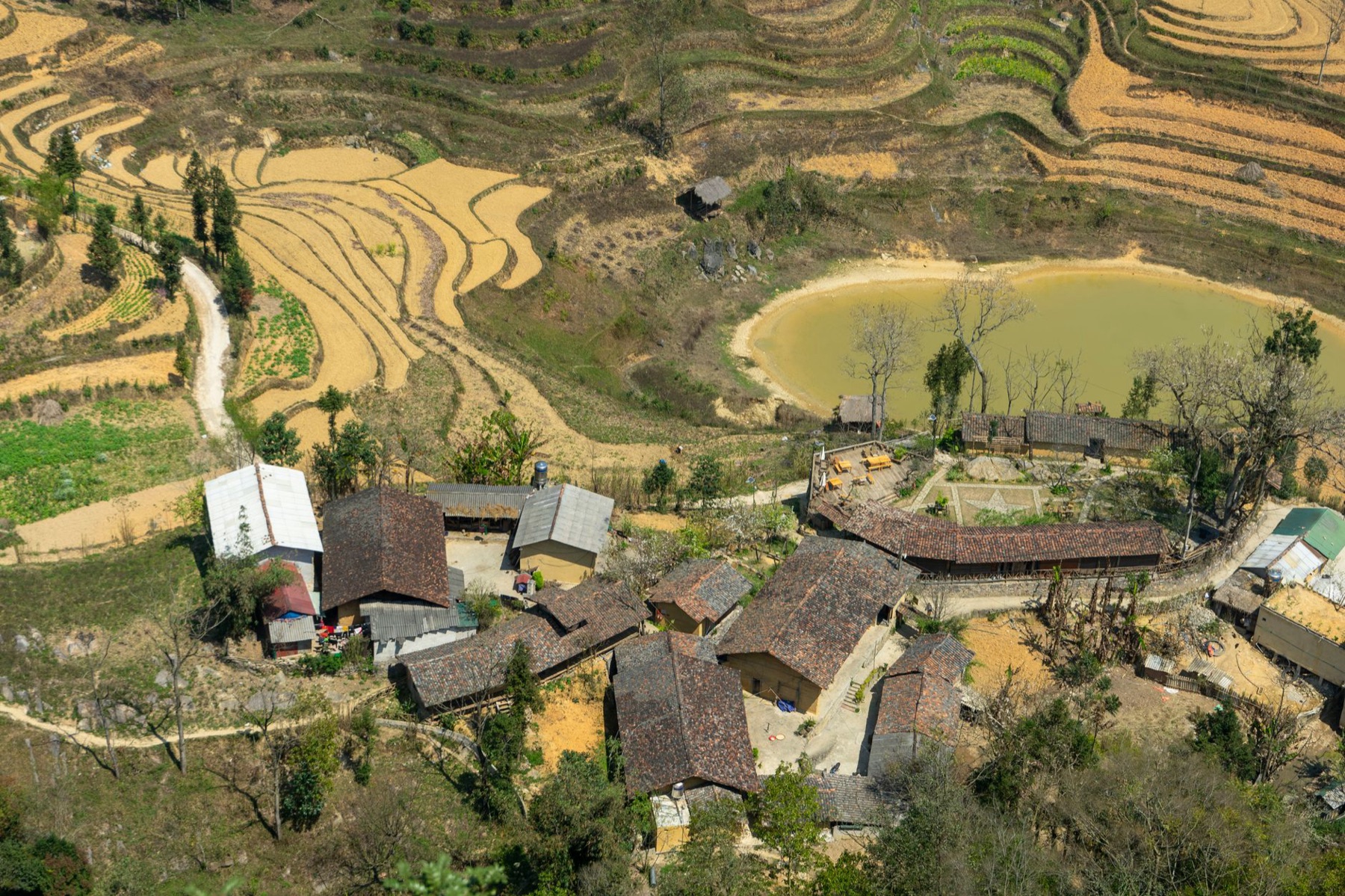
Where do locals actually eat, and what should tourists skip? The real food action happens in the 30-minute window before 8 a.m. at Chợ Cũ; after that, most vendors pack up. Avoid "traditional Ha Giang restaurant" signs in central Hà Giang City—they're reheated mess-hall food at 3× street prices (80,000–120,000 VND for a corn-rice bowl). Instead, ask your guesthouse owner to point you to a neighbor's kitchen that cooks for locals; most will serve you for 30,000–50,000 VND per meal if you show up by 7 a.m. The sticky-rice-and-pork vendors at the northwest corner of Chợ Cũ (near the water-tank structure) have been run by the same family for 25+ years and are worth the wait. Don't pay for "farm tours" that promise fresh-corn lunch; the drive costs 15 times what you'd spend at a market stall, and the "farm" is often a family homestead with no actual tourism setup. Spring water near Thái Nguyên (30 km south) is peddled at roadside stands for 50,000 VND; tap water in Hà Giang City is safe and costs 5,000 VND. Buffalo-meat dishes are rare and usually tough; stick to pork.
---
What to Check Before You Buy (or Eat)
- Time of day: Arrive at markets by 6:30 a.m. for fresh pork; after 9 a.m., quality drops sharply.
- Vendor queue: Eat where locals eat. If no Vietnamese customers, skip it.
- Appearance: Cooked meat should glisten, not shine with old oil. Herbs should be crisp, not wilted.
- Packaging: Fresh corn rice is wrapped in banana leaf or plastic right in front of you. Pre-wrapped bowls > 2 hours old.
- Cash practice: Bring 10,000–50,000 VND notes. Sellers rarely have change for 500,000 VND notes before 7 a.m.
- Stomach prep: Eat light the day before. Mountain food is rich; sip corn tea (not caffeine) between meals.
- Off-season note: November–March, fresh turmeric-leaf wraps disappear; don't pay inflated prices for frozen versions.
For a full picture of Ha Giang beyond food, check our Ha Giang province guide and compare food stops with our Vietnam itinerary planner. If you're combining Ha Giang with other northern regions, see guides for Hanoi, Ha Long Bay, Sapa, and Ninh Binh. For mobile data while exploring markets, grab a Vietnam eSIM. Ensure your documentation is sorted with Vietnam e-visa before you arrive.
---
Gift & Memento Ideas for Ha Giang Food Lovers
If you want to take Ha Giang home or gift the memory to someone, consider a personalized keepsake collection—engrave it with a corn-harvest date or market visit—or a star-map print collection dated to your meal at Chợ Cũ. A custom photo canvas of yourself at a market stall makes a genuine travel keepsake. These ship within 5–10 days to the US, Thailand, Australia, and most of Europe.
📸 จองถ่ายรูปชุดอ๋าวหญ่ายที่ฮานอยหรือไซ่ง่อน (Cáo Studio)
---
FAQ
What is the cheapest meal in Ha Giang?
Corn rice with pork at a morning market stall: 20,000–25,000 VND (~$1–1.25 USD). Buy between 5:30–7 a.m. at Chợ Cũ, north of Hà Giang City center. Avoid tourist areas and packaged versions.
Is the water safe to drink?
Tap water in Hà Giang City is safe. Bottled water costs 5,000–10,000 VND at markets. Avoid roadside spring-water stands (often mislabeled or exposed to dirt). Stick to vendors inside the market compound.
When is the best time to visit for fresh local food?
April–October (turmeric-leaf season). November–March, vendors substitute frozen or canned ingredients and hike prices. Corn rice is available year-round, but freshest pork is June–September.
How do I avoid food poisoning at market stalls?
Eat hot food only. Avoid pre-cooked meat wrapped in plastic for > 2 hours. Choose vendors with a busy local queue. Buy from stalls inside the market, not roadside. Eat early (before 8 a.m.), not late lunch.
Can I bring Ha Giang food back to Thailand or my country?
Cooked meat cannot be imported. Dried corn, packaged sticky-rice cakes (unopened, < 6 months old), and turmeric leaves in sealed bags may pass customs in Thailand—check your country's rules. Photos and keepsake gifts from our collection are legal and a better carry-home.
คำถามที่พบบ่อย
What is the cheapest meal in Ha Giang?
Corn rice with pork at a morning market stall: 20,000–25,000 VND (~$1–1.25 USD). Buy between 5:30–7 a.m. at Chợ Cũ, north of Hà Giang City center. Avoid tourist areas and packaged versions.
Is the water safe to drink?
Tap water in Hà Giang City is safe. Bottled water costs 5,000–10,000 VND at markets. Avoid roadside spring-water stands (often mislabeled or exposed to dirt). Stick to vendors inside the market compound.
When is the best time to visit for fresh local food?
April–October (turmeric-leaf season). November–March, vendors substitute frozen or canned ingredients and hike prices. Corn rice is available year-round, but freshest pork is June–September.
How do I avoid food poisoning at market stalls?
Eat hot food only. Avoid pre-cooked meat wrapped in plastic for > 2 hours. Choose vendors with a busy local queue. Buy from stalls inside the market, not roadside. Eat early (before 8 a.m.), not late lunch.
Can I bring Ha Giang food back to Thailand or my country?
Cooked meat cannot be imported. Dried corn, packaged sticky-rice cakes (unopened, < 6 months old), and turmeric leaves in sealed bags may pass customs in Thailand—check your country's rules. Photos and keepsake gifts from [our collection](/collections/keepsake-boxes) are legal and a better carry-home.
อ่านต่อ: คู่มือเที่ยว ห่าซาง