เว้
Hue Travel Guide: Royal History, Tombs & Riverside Food
โดย Wander in Vietnam editorial team · Hanoi, Vietnam
Hue is Vietnam's former royal capital, 700 km south of Hanoi and 1,000 km north of Ho Chi Minh City, centered on the Perfume River. Plan 2–3 days to explore the Citadel (UNESCO-listed walled palace complex), at least three imperial tombs (Minh Mạng, Tự Đức, Khai Định), and the riverside Old Town. Entry fees run around 250,000–350,000 VND (USD 10–14) per major site; a bike rental costs 50,000 VND (USD 2) daily. Street food—bánh bèo, bún bò Huế, and crab soup—remains cheap (30,000–60,000 VND per bowl; USD 1–2.50). Avoid midday heat (May–August) and the Citadel at closing time (queues form after 4 p.m.). Wander in Vietnam's experience: Hue rewards slow travel and early starts.
Should I visit Hue before or after Hanoi and Ho Chi Minh City?
Hue sits on the perfect north-south arc. Coming from Hanoi, most travelers fly into Ho Chi Minh City guide first, then work backward: Hoi An (3 hours by coach) → Hue (1.5 hours north) → Ninh Binh → Hanoi. Reverse this if you enter Hanoi; the Hanoi–Hue flight is around 2 hours, or take a sleeper bus (9–10 hours). Either way, Hue sits between coastal charm and northern mountains. Visit for 2–3 days minimum; a single day leaves you rushing through tombs.
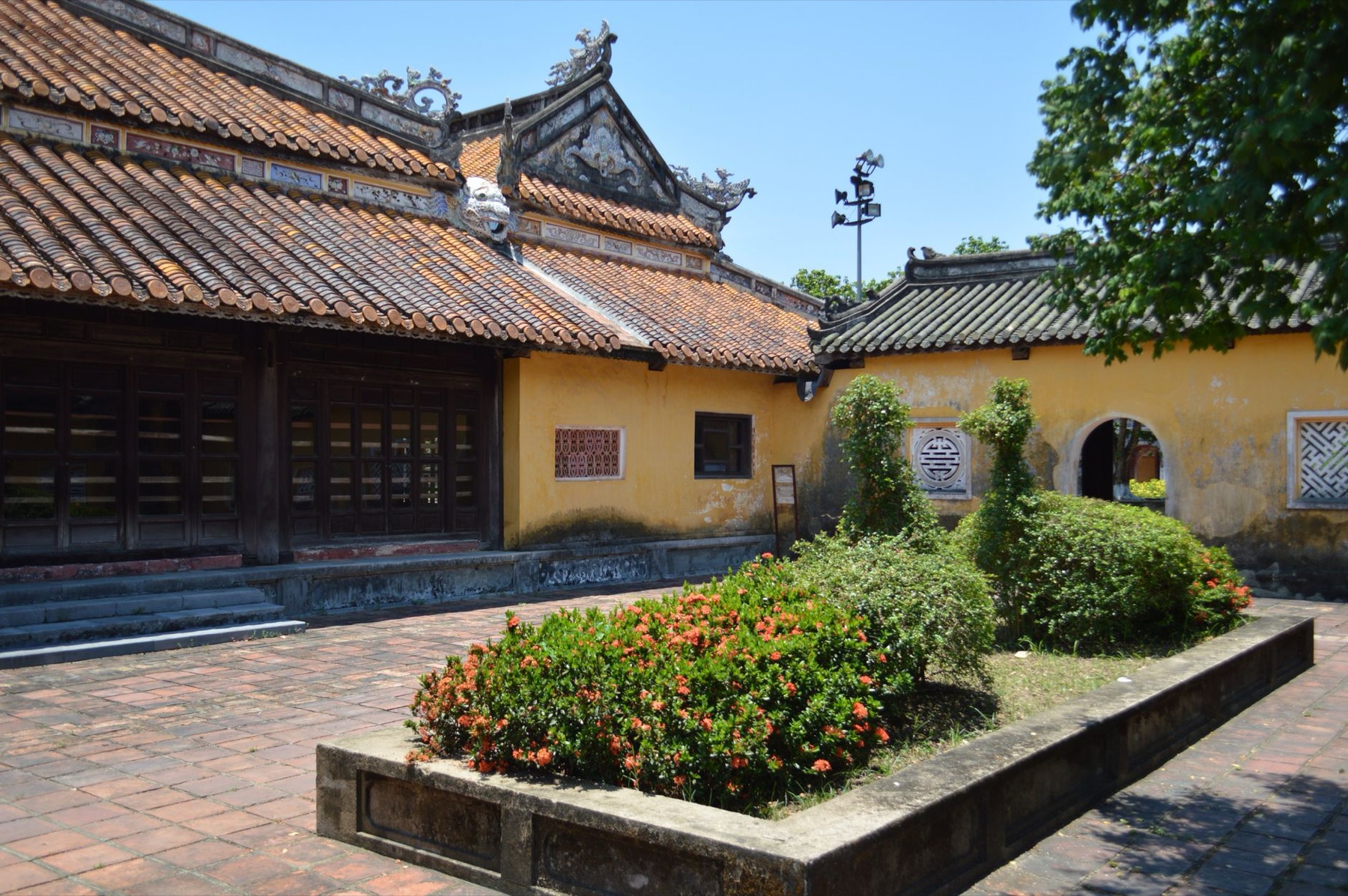
What are the must-see sites and how much time do they take?
| Site | Time Needed | Why Go | Nearby Eats |
|---|---|---|---|
| Citadel (Ngô Môn gate, palace ruins) | 3–4 hours | UNESCO walls, royal courtyards, views | Bánh bèo carts at west gate |
| Minh Mạng Tomb | 1.5 hours | Serene gardens, best-preserved layout | None; bring water |
| Tự Đức Tomb | 1.5–2 hours | Personal retreat of sad emperor; lakes, gardens | Mausoleums, quiet paths |
| Khai Định Tomb | 1 hour | Smallest, ornate; colonial-hybrid style | South of Citadel, walkable |
| Perfume River boat ride | 2–3 hours | Sunrise or sunset; Thúy Bình islet, fishermen | On-boat tea, no food |
| Old Town (Phủ Cát area) | 2–3 hours | Lantern streets, family altar shops, cafés | Bún bò stands everywhere |
Start the Citadel at 7 a.m. before crowds. Tombs are 6–12 km south; hire a motorbike or bike (50,000 VND; USD 2 daily) rather than pricey tours (400,000–600,000 VND; USD 16–24 for two tombs).
Which neighborhoods are safest and best for street food?
The Citadel and Old Town sit north of the Perfume River. South of the river (Tây Lộc District) contains Khai Định Tomb and mid-range guesthouses. Stay near Hung Vuong Street or Chu Van An (both north of river) for noise-free mornings and walkable access to lantern-lit Phủ Cát streets at dusk.
Bánh bèo (tiny rice cakes, steamed) and bún bò Huế (beef noodle soup with pork knuckle) are Hue's signatures. Eat them from pushcart vendors near Citadel west gate (30,000–40,000 VND; USD 1.20–1.60) or sit-down joints in Old Town (50,000 VND; USD 2). Crab soup (bánh canh cua) and snail vermicelli (ốc xào) appear at small stall-houses (chợ đêm = night market) along Tràng Tiền Street after 6 p.m. Avoid restaurant chains targeting tourists on major roads; side alleys yield authentic, cheaper food. Tap water is not drinkable; buy bottled water (10,000 VND; USD 0.40 for 1.5 liters).
What's the best time to visit, and what should I pack?
Hue's climate swings hard. May–August brings 35–38°C heat and sudden downpours; humidity makes sightseeing miserable. September–November and February–April are ideal: 20–25°C, dry, clear light for photos. December–January is cooler but crowded. Avoid Lunar New Year (late January or February) unless you want festivals and full hotels.
Pack lightweight, moisture-wicking shirts, a sunhat, and a rain jacket. The Citadel's stone walkways become slippery after rain; bring good shoes (not sandals). Rent a motorbike helmet (free or 20,000 VND; USD 0.80 deposit). Apply sunscreen constantly; the river's glare is brutal. A power bank helps; outlets are patchy in guesthouses. eSIM or local SIM (Viettel, 50,000 VND; USD 2 for 4G data) beats expensive roaming—see eSIM for Vietnam for portable options.
How do I get around Hue without tours?
Bike rental is the way. Most guesthouses arrange it (50,000 VND; USD 2 daily) or find stands near Hung Vuong Street. The Citadel is walkable but sprawling; you'll thank yourself for two wheels. To reach tombs 8–12 km south, biking is doable but takes 1 hour each way; a hired motorbike taxi (xe ôm) costs 100,000–150,000 VND (USD 4–6 one way). Negotiate hard. Grab (Southeast Asia's ride-app) works here; fares are 40,000–80,000 VND (USD 1.60–3.20) within the city. Skip organized tours unless you want English narration; they're overpriced (400,000–800,000 VND; USD 16–32) and move fast.
Local buses (Xe buýt) are 7,000–10,000 VND (USD 0.30–0.40) and slow but fun for eavesdropping on daily life. To reach Hoi An guide (1.5 hours south) or Ninh Binh guide (4 hours north), use Futa or Sinh Cafe buses (100,000–250,000 VND; USD 4–10).
📸 จองถ่ายรูปชุดอ๋าวหญ่ายที่ฮานอยหรือไซ่ง่อน (Cáo Studio)
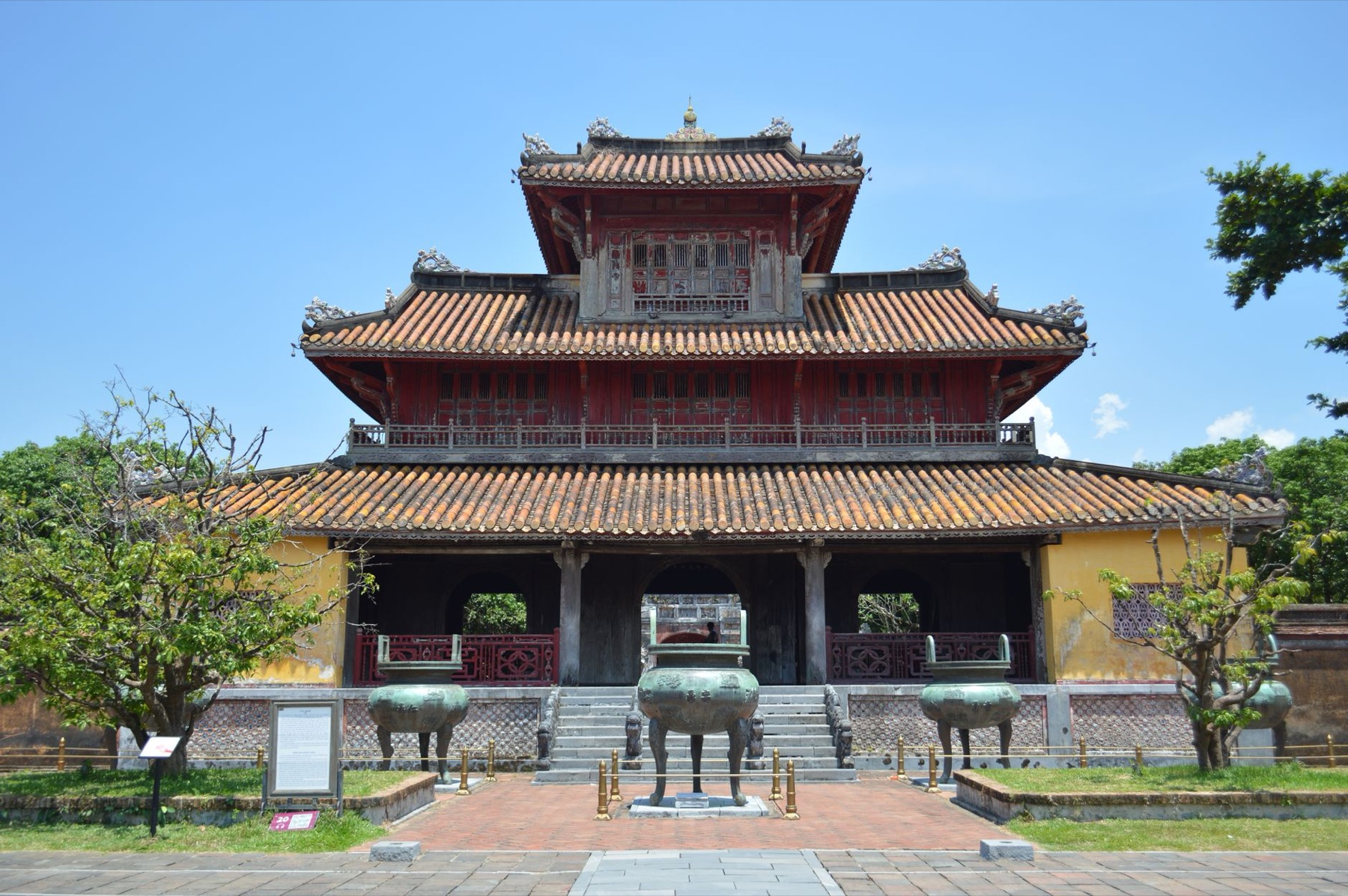
What trips pair well with Hue?
The Vietnam itinerary planner often bundles Hue with Hoi An (1.5 hours south, lantern-lit ancient town) and Đà Nẵng (2 hours, beaches and Marble Mountains). A northern loop—Hanoi, Ha Long Bay, Ninh Binh, back to Hue—takes 5–7 days and captures culture and nature. A southern loop—Hue, Hoi An, Ho Chi Minh City—takes 6–8 days and suits first-time visitors. Solo travelers often spend 2 days in Hue, 3 in Hoi An, and 4 in Ho Chi Minh City. Couples linger longer: sunrise boat rides, sunset walks, morning food tours, afternoon naps.
| Pairing | Distance | Time | Vibe |
|---|---|---|---|
| Hue + Hoi An + Đà Nẵng | 2–4 hours | 4–5 days | Beach, history, culture |
| Hue + Ninh Binh + Hanoi | 4–6 hours | 5–7 days | Rural life, karsts, capital |
| Hue solo deep-dive | 0 | 3 days | Tombs, palaces, alleys |
Plan arrival/departure from either Hanoi (flights ~2 hours, 800,000–1,200,000 VND; USD 32–48) or Ho Chi Minh City (flights ~2 hours, same price). Buses are cheaper (200,000–400,000 VND; USD 8–16) but slower.
What customs and etiquette matter in Hue's temples and tombs?
Remove shoes before entering any mausoleum chamber or pagoda. Dress modestly: knees and shoulders covered, especially near sacred areas. Smoking and eating are not permitted inside temples. Photography is usually allowed, but ask before shooting monks or people in prayer. At Minh Mạng and Tự Đức tombs, stay on marked paths; the gardens are archaeological zones, not playgrounds.
Offerings matter: if you light incense at a tomb, buy it at entrance stalls (20,000 VND; USD 0.80) and follow locals' lead. Do not touch royal statues or carved reliefs. Speak softly; echoes carry far in empty courtyards. Hue's residents are proud of their heritage; show respect and you'll be greeted warmly.
What common scams and overpriced tourist traps should I avoid?
Cyclo (pedicab) drivers often quote 500,000 VND (USD 20) for a short ride, claiming "metered fares don't exist." Walk away. Grab rides or bike rentals cost 1/10th as much. "Free" temple tours end with aggressive donation requests (100,000–500,000 VND; USD 4–20). Politely decline and enter alone; admission is listed at gates.
Restaurants on Hung Vuong Street have high prices (150,000–300,000 VND; USD 6–12 per dish) for mediocre pho and spring rolls. Two blocks inland, the same dish costs 50,000 VND (USD 2). Avoid "organic" riverside restaurants; they're fronts for markup. Gem and silk shops near the Citadel pitch overpriced souvenirs; buy textiles and crafts at family-run stalls in Old Town or Ha Long Bay guide's night markets instead.
"Sunrise boat tours" advertised by hotel staff often depart late (6:30 a.m., missing dawn) and last 1.5 hours instead of 2, but charge 250,000 VND (USD 10). Book directly with boat operators at the dock (200,000 VND; USD 8 for 2–3 hours).
What gifts and mementos capture Hue without clutter?
Consider personalized keepsakes tied to Hue's royal heritage. An engraved keepsake box with Hue's Citadel silhouette, or a custom star map print of the night sky over Tự Đức Tomb (if you took a sunset photo there), makes a meaningful reminder. Browse our personalized gifts collection to find options that blend travel memory with craftsmanship. A silk bookmark or hand-embroidered pillow from Old Town vendors (100,000–250,000 VND; USD 4–10) is lighter than mass-produced postcards and supports local artisans.
If you traveled with a partner or family, a photoshoot with traditional áo dài (Cáo Studio) in Hanoi or Saigon afterward creates a keepsake faster than shopping; the images outlast trinkets. For Hue specifically, pressed flowers from the tombs' gardens (picked mindfully) or a hand-drawn map of your favorite street-food stall are priceless journals, not souvenirs.
What to check before you book or arrive
- Visa status: Check your passport validity (≥6 months recommended). See Vietnam e-visa for up-to-date requirements and processing times.
- Flights or buses: Book 2–4 weeks early if traveling in February–April or October–November (peak season). Prices spike 50–100% closer to dates.
- Guesthouse booking: Confirm free cancellation and check recent reviews (scams exist: fake "official Booking.com" pages). Book direct or via Booking.com, not unknown sites.
- Motorbike rental agreement: Photo-document the bike's existing dents and scratches. Rental shops sometimes claim new damage is yours (500,000–2,000,000 VND; USD 20–80 fake charges).
- SIM card or eSIM: Buy before arriving or at the airport. Guesthouse WiFi is unreliable for navigation.
- Tour groups: If you hire a guide, agree on duration and price upfront in writing (WhatsApp screenshot counts). "Per person" vs. "per group" matters.
---
FAQ
Hue's best time to visit—what month avoids crowds and heat?
February–April and September–November offer 20–25°C weather and dry days. December–January is cooler but busier. Avoid May–August (35–38°C, humidity) and Lunar New Year (late January/early February, hotels full). Plan 2–3 months ahead for peak-season bookings.
How much does a full day in Hue cost, including food and transport?
Budget around 300,000–600,000 VND (USD 12–24) for one day: bike rental (50,000 VND; USD 2), two tomb entries (200,000 VND; USD 8), three meals from street carts (120,000 VND; USD 5), and a sunset boat ride (200,000 VND; USD 8). Guesthouses run 250,000–600,000 VND (USD 10–24) for a double room. Mid-range restaurants push costs to 1,000,000+ VND (USD 40) daily if eaten in tourist zones.
Can I visit Hue's imperial tombs on my own, or do I need a guide?
You can bike to all three main tombs (Minh Mạng, Tự Đức, Khai Định) alone; they're 8–12 km south and signposted. A motorbike taxi is faster (1 hour vs. 3–4 by bike). Guides add history but cost 400,000–600,000 VND (USD 16–24) for a group. If you read local blogs beforehand, self-guided is rewarding and cheaper.
Is Hue safe for solo travelers, especially at night?
Yes. Hue is safer than Hanoi and Ho Chi Minh City. Women solo travelers report no harassment in Old Town after dark; petty theft is rare if you keep valuables in a guesthouse safe. Avoid dark alleys far from Hung Vuong Street after 10 p.m., but riverside walks and café-hopping until 9 p.m. are normal and safe. Use Grab for late-night transport.
Do I need a Vietnamese visa to visit Hue, or can I use a visa exemption?
Most nationalities get 90-day visa-free entry. Check your passport's validity (≥6 months) and Hue's entry rules via Vietnam e-visa. Australians, most EU, UK, and US citizens qualify. Russians, Chinese, and some Southeast Asian nationalities need visas; apply online (20–30 days ahead) or at a border gate (more expensive). Your guesthouse can't override immigration rules.
What's the food scene like—is street food safe, and what's the signature dish?
Street food is safe and delicious. Bánh bèo (rice-cake bits, steamed with shrimp paste) and bún bò Huế (beef noodle soup) are signatures found at pushcarts and small stalls (30,000–60,000 VND; USD 1–2.50). Avoid restaurants with no customers and visibly dirty prep areas. Bottled water (10,000 VND; USD 0.40 per 1.5 liters) is essential; tap water isn't safe. Your stomach will adjust; mild discomfort is normal for 1–2 days if you're not used to spice and bacteria-load changes.
คำถามที่พบบ่อย
Hue's best time to visit—what month avoids crowds and heat?
February–April and September–November offer 20–25°C weather and dry days. December–January is cooler but busier. Avoid May–August (35–38°C, humidity) and Lunar New Year (late January/early February, hotels full). Plan 2–3 months ahead for peak-season bookings.
How much does a full day in Hue cost, including food and transport?
Budget around 300,000–600,000 VND (USD 12–24) for one day: bike rental (50,000 VND; USD 2), two tomb entries (200,000 VND; USD 8), three meals from street carts (120,000 VND; USD 5), and a sunset boat ride (200,000 VND; USD 8). Guesthouses run 250,000–600,000 VND (USD 10–24) for a double room. Mid-range restaurants push costs to 1,000,000+ VND (USD 40) daily if eaten in tourist zones.
Can I visit Hue's imperial tombs on my own, or do I need a guide?
You can bike to all three main tombs (Minh Mạng, Tự Đức, Khai Định) alone; they're 8–12 km south and signposted. A motorbike taxi is faster (1 hour vs. 3–4 by bike). Guides add history but cost 400,000–600,000 VND (USD 16–24) for a group. If you read local blogs beforehand, self-guided is rewarding and cheaper.
Is Hue safe for solo travelers, especially at night?
Yes. Hue is safer than Hanoi and Ho Chi Minh City. Women solo travelers report no harassment in Old Town after dark; petty theft is rare if you keep valuables in a guesthouse safe. Avoid dark alleys far from Hung Vuong Street after 10 p.m., but riverside walks and café-hopping until 9 p.m. are normal and safe. Use Grab for late-night transport.
Do I need a Vietnamese visa to visit Hue, or can I use a visa exemption?
Most nationalities get 90-day visa-free entry. Check your passport's validity (≥6 months) and Hue's entry rules via [Vietnam e-visa](/th/vietnam/visa). Australians, most EU, UK, and US citizens qualify. Russians, Chinese, and some Southeast Asian nationalities need visas; apply online (20–30 days ahead) or at a border gate (more expensive). Your guesthouse can't override immigration rules.
What's the food scene like—is street food safe, and what's the signature dish?
Street food is safe and delicious. Bánh bèo (rice-cake bits, steamed with shrimp paste) and bún bò Huế (beef noodle soup) are signatures found at pushcarts and small stalls (30,000–60,000 VND; USD 1–2.50). Avoid restaurants with no customers and visibly dirty prep areas. Bottled water (10,000 VND; USD 0.40 per 1.5 liters) is essential; tap water isn't safe. Your stomach will adjust; mild discomfort is normal for 1–2 days if you're not used to spice and bacteria-load changes.
อ่านต่อ: คู่มือเที่ยว เว้