หวุงเต่า
Vung Tau Itinerary for First-Timers: 3 Days of Beach & City
โดย Wander in Vietnam editorial team · Hanoi, Vietnam
Vung Tau (Bà Rịa–Vũng Tàu Province, southeast coast, 125 km from Ho Chi Minh City) is a working port town and beach destination, not a resort island. A realistic three-day loop covers Front Beach (Bãi Trước), the Jesus statue on Nho Mountain, Back Beach (Bãi Sau), Thich Ca Phat Dai temple, and evening seafood markets without rushing. Budget roughly 500,000–800,000 VND per day per person (USD ~20–32) for mid-range accommodation, street food, and local transport; many visitors base themselves in Ho Chi Minh City and day-trip instead. Key mistakes: treating it like Phuket (it's gritty, authentic), booking beachfront hotels in peak season (November–February), and missing the port-side pho stalls that tourists skip. Wander in Vietnam recommends a car-hire or arranged driver (around 1,000,000–1,500,000 VND/day for 4–5 pax, USD ~40–60) to move between dispersed attractions. ---
Bãi Trước (Front Beach): Why Local Swimmers Love It, Not Instagram?
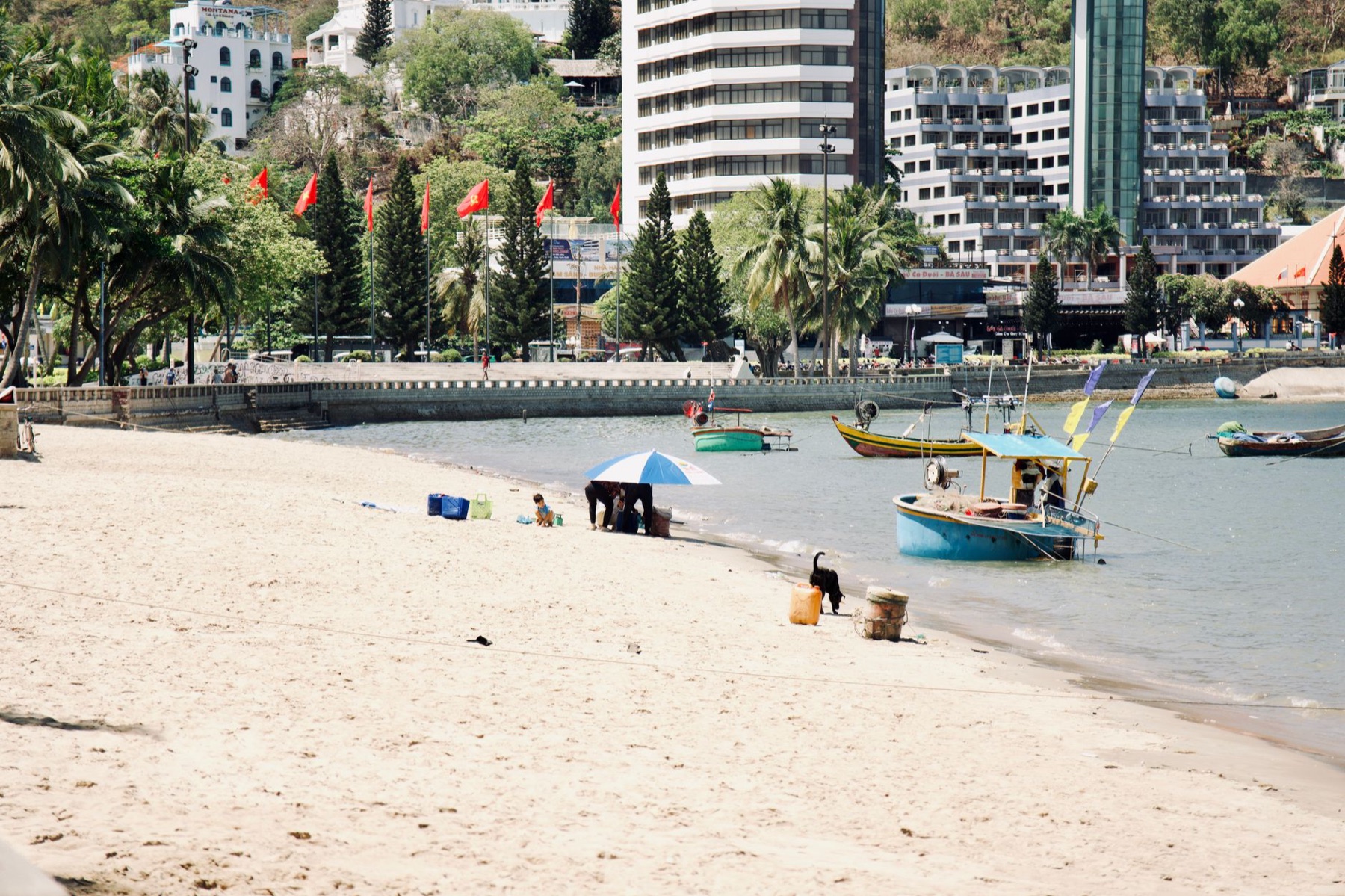
Front Beach remains the social hub of Vung Tau despite its rough sand and fishing boats. Locals wade in at dawn or dusk; midday is packed with families and vendors. Entrance is free; food stalls charge 20,000–50,000 VND per dish (USD ~0.80–2). The water is warmer than Ha Long Bay (around 26–29°C most months) but visibility is 2–4 meters on calm days. Many first-timers expect Caribbean clarity—it won't happen here. Instead, you'll see Vietnamese life unfiltered: street vendors selling fresh fried shrimp paste, kids' swim classes, older men playing chess on the sand. Go early (6–8 AM) to swim safely and photograph the fishing fleet. By 10 AM, the beach is crowded and the sand gets hot. Avoid swimming near the piers where cargo boats operate; stick to the marked areas where locals gather. A half-day here is enough; don't expect a full-day beach experience.
Núi Nhỏ & Jesus Statue: Is the Climb Worth the Effort?
The giant Jesus statue (Tượng Chúa Giêsu) sits atop Nho Mountain (Núi Nhỏ), about 20 minutes south of town. Entry is free; a small parking fee applies (around 20,000 VND, USD ~0.80). The walk up takes 10–15 minutes on paved steps with handrails—not strenuous. The view overlooks the harbor, tanker ships, and Bãi Sau (Back Beach). Midday sun is intense; bring water and wear a hat. The statue itself is 32 meters tall, white concrete, and visible from most of Vung Tau. It's genuinely worth the short walk, especially at late afternoon when light softens. Many guidebooks hype it as a spiritual site—it's more of a civic landmark. The area around the base has a small café and souvenir stalls with the usual overpriced trinkets. Climb it once, take your photo, and move on. Actual time needed: 40 minutes to two hours, depending on how long you linger.
Bãi Sau (Back Beach): Where Locals Actually Relax Away from Crowds?
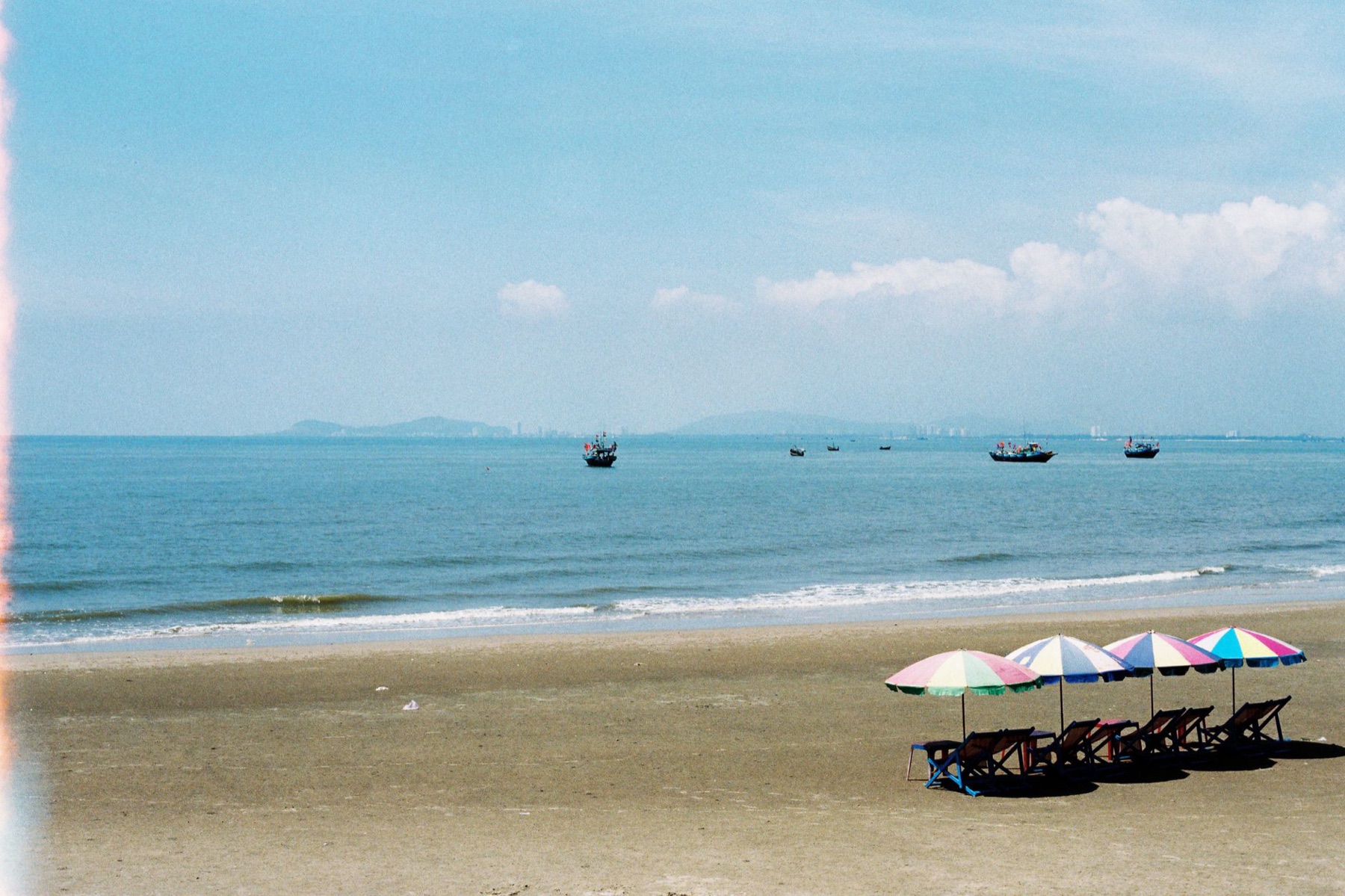
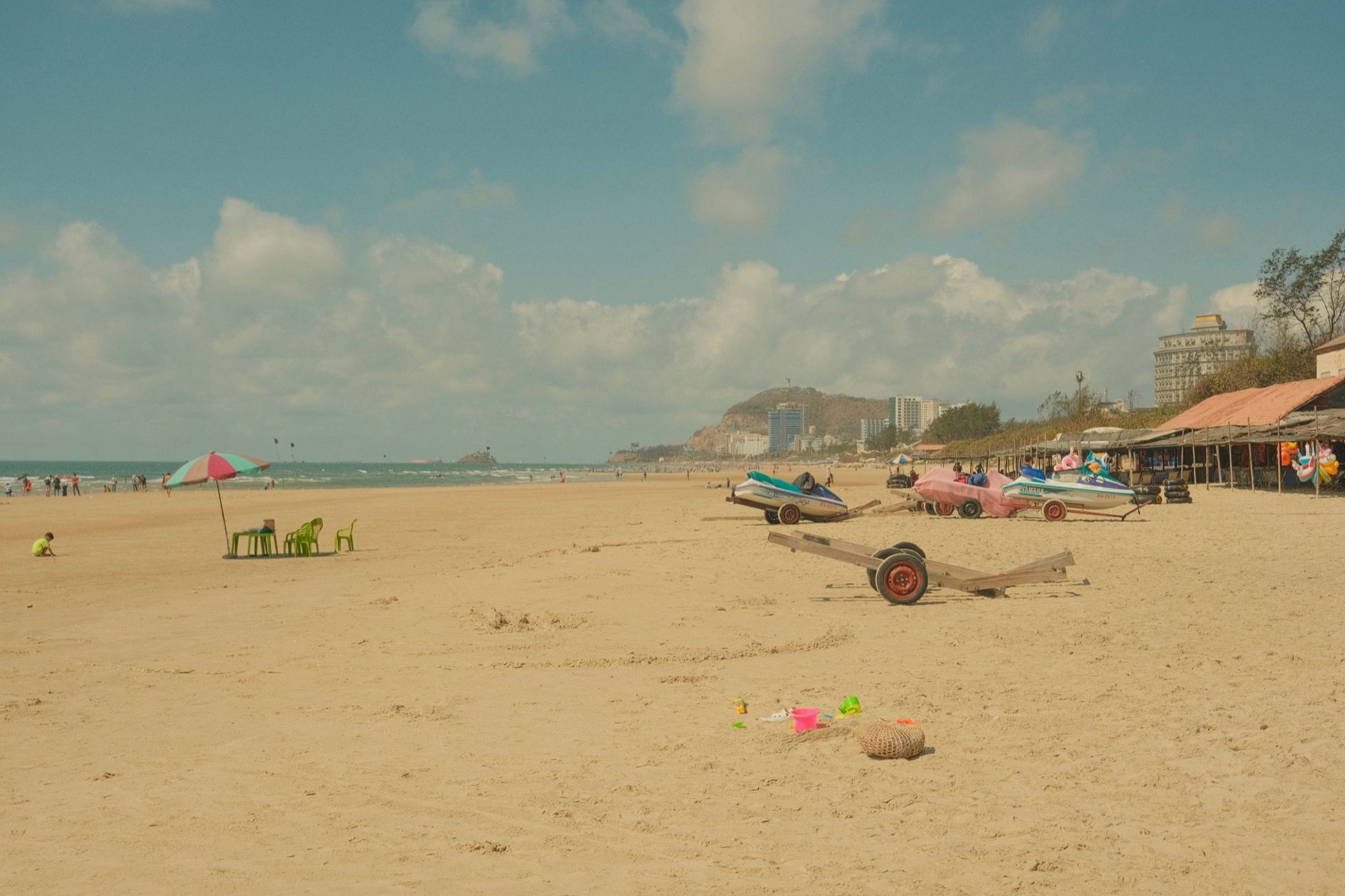
Back Beach curves for about 7 km along the southeast coast and is genuinely quieter than Front Beach, though "quiet" is relative in a town of 400,000 people. The sand is cleaner, water is slightly clearer, and beach bars operate from 10 AM onward. Prices for drinks and seafood (whole grilled fish, 120,000–200,000 VND per fish; beer 15,000–25,000 VND) are 20–30% lower than touristy zones. Late afternoon (4–6 PM) is ideal: fewer families, better light, cooler temperature. Several bars and small resorts line the beach, but they're casual—no dress code, no table minimums. Swim here in the morning or late afternoon; midday swimmers face strong sun and occasional jet skis. The entire bay is under the authority of Vung Tau's harbor management, so it's not "wild" beach—just less marketed. A half-day spent here beats spending full days elsewhere. Rent a longtail boat for 30 minutes to see the coastline from water (around 150,000–250,000 VND per boat, USD ~6–10).
Thich Ca Phat Dai Temple: Why This Spiritual Landmark Matters Differently?
This temple (officially Tịnh Xá Thích Ca Phật Đài, in the northern ward) is monumental and genuinely impressive—a 12-story pagoda housing a reclining Buddha statue. Entrance is free but modest donations are welcomed (50,000 VND typical, USD ~2). It's not a tourist trap; very few Western visitors go. Locals come to pray and light incense; weekday mornings are quietest. Photography is allowed in most areas except during active prayer times. The site sits on landscaped grounds with gardens and smaller shrines. Tour groups occasionally block views, but this is rare compared to famous temples in Hanoi or Ho Chi Minh City. If you want to understand contemporary Vietnamese Buddhism outside a crowded temple-run tourist circuit, this is an honest place. Spend 60–90 minutes here. Wear long pants or a sarong as a sign of respect; the temple itself doesn't strictly enforce it, but it's appropriate. No entry fee makes it a good value for a full-body experience.
Vung Tau's Night Markets & Seafood: The Real Meal Strategy?
The main food zones are Tam An Market (Chợ Tam An) near the harbor, active from 4 PM onward with fresh fish, shrimp, and squid; Thúy Vân Market, operational 5 AM–9 AM and 4 PM–8 PM; and seafood stalls clustering around the Harbor Road (Đường Tran Phu) near Bãi Trước. Individual seafood dishes run 30,000–100,000 VND (USD ~1.20–4). A whole grilled fish (suitable for 2–3 people) costs 120,000–250,000 VND (USD ~5–10). Ordering is straightforward: point, indicate size, confirm price. Avoid the few "tourist-friendly" seafood restaurants with laminated menus and inflated prices (500,000+ VND per meal); go where local families and fishermen eat. Tuesday through Thursday evenings are less crowded than weekends. Many stalls close by 9 PM. Bring cash in small denominations; some vendors don't accept cards. The smell of salt, charcoal, and fresh catch is intense—it's real, not curated. Eat here for authenticity; skip the beachfront resort restaurants unless you're already staying there.
---
Comparison: Your Three-Day Route Options
| Day | Morning | Afternoon | Evening | Cost Estimate (VND) |
|---|---|---|---|---|
| Day 1 | Arrive Saigon, drive to Vung Tau (2 hrs) | Front Beach + tea/coffee | Harbor seafood stall | 400k–600k |
| Day 2 | Jesus statue + Nho Mountain (40 min) | Bãi Sau relaxation, longtail boat | Night market or beachside bar | 300k–500k |
| Day 3 | Thich Ca Phat Dai temple (90 min) | Thúy Vân Market, local pho lunch | Return to Ho Chi Minh City or overnight | 250k–400k |
| Total (per person, mid-range) | — | — | — | 950k–1,500k VND (~USD 38–60) |
---
Real First-Timer Mistakes to Avoid
- Booking beachfront hotels thinking it's tropical: Vung Tau is a working port; book near Bãi Sau or the temple district for quieter stays.
- Arriving without cash or a driver: Main markets don't accept foreign cards reliably. Grab or local taxi apps sometimes fail outside town; hire a driver through your hotel.
- Swimming midday in peak season: Currents shift; stick to early morning (6–9 AM) or late afternoon (4–7 PM) and check with lifeguards if they exist.
- Expecting pristine beaches: This is not a resort destination. Beaches are functional, used, loved locally—not postcard-perfect. That's the draw.
- Missing the pho vendors: The best breakfast spots (4–7 AM) are tiny stalls near the harbor; ask your hotel for the nearest one.
---
---
What to Bring & Check Before You Go
- eSIM or local SIM: Data is crucial for maps and Grab. We recommend an eSIM (purchase before arrival) or a local SIM at Noi Bai or Tan Son Nhat airport. See our Vietnam eSIM guide for options.
- Cash (VND): Markets and small stalls are cash-only. ATMs cluster downtown but can have queues.
- Hat, sunscreen, water: Midday sun is unforgiving; midday swimming can be unsafe.
- Visa: If you're not a passport holder of one of Vietnam's visa-exempt nations, arrange an e-visa beforehand.
- Driver or transport app: Grab works reliably; confirm the rate before accepting.
---
How to Frame Your Vung Tau Trip in a Longer Itinerary
Vung Tau works best as a 2–3 day add-on to a Ho Chi Minh City base or a side excursion on a Vietnam loop. If you're planning a full country trip, consider:
- South-focused (10–14 days): Ho Chi Minh City (2–3 days) → Vung Tau (2–3 days) → Mekong Delta or back to Saigon.
- Extended loop (14–21 days): Hanoi → Ha Long Bay → Ninh Binh → Ho Chi Minh City → Vung Tau → return.
For a detailed country-wide plan, see our Vietnam itinerary planner.
---
Bringing Home Memories: Thoughtful Gifts From Your Trip
After a Vung Tau trip, many travelers want keepsakes—not standard souvenirs. If you've photographed the Jesus statue at sunset, the harbor at dawn, or local fishermen, consider:
- Personalized star map prints: Commission one from your trip date showing the Vung Tau night sky.
- Engraved coastal art or wooden keepsake boxes: A subtle nod to the harbor and port atmosphere.
- Custom photo books or canvas prints: Document your meals, temples, and beach days in a tangible format.
If you're traveling with family or as a couple, a professional photoshoot before you leave (or in nearby Hanoi or Ho Chi Minh City) ensures you have quality images from your trip. Cáo Studio offers ao dai photoshoots & professional portraits in Hanoi and Saigon—useful if you fly through either city at the start or end of your journey.
📸 จองถ่ายรูปชุดอ๋าวหญ่ายที่ฮานอยหรือไซ่ง่อน (Cáo Studio)
---
Context: Vung Tau in Vietnam's Bigger Picture
Vung Tau is often skipped by travelers chasing Hanoi, Ha Long Bay, or Hoi An—a mistake. It reveals a side of Vietnam that's working, unpolished, and genuine. The city has no famous pagodas, no UNESCO sites, no Instagram-famous cafes. It has fishermen, port workers, families on holiday from nearby Saigon, and seafood at honest prices.
If you're building a longer south-central route, consider pairing Vung Tau with:
- Ho Chi Minh City guide (2 hours west by car)
- Mekong Delta excursions (can be combined with Vung Tau in a 5–7 day south loop)
For a fuller country picture before committing to Vung Tau, consult our main Vietnam itinerary planner or guides to other regions: Hanoi, Ha Long Bay, Ninh Binh, Hoi An, or Sapa.
---
FAQ
Vung Tau ใช้เวลากี่วันจึงจะเพียงพอ?
สำหรับผู้มาครั้งแรก ให้ใช้ 2–3 วัน สามารถเห็นชายหาดทั้งสองแห่ง วัด และตลาดกลางคืนได้ หากต้องการพักผ่อนเพิ่มเติม 3–4 วันถือว่าเหมาะสม
ต้องจ่ายค่าเข้าชายหาดไหม?
ไม่ต้องจ่าย บางแห่งมีค่าจอดรถเพียง 20,000 VND (ราคาประมาณ USD ~0.80) พื้นที่ว่ายน้ำเป็นสาธารณะ
Vung Tau ปลอดภัยสำหรับผู้เดินทางคนเดียวไหม?
ใช่ เป็นเมืองท่าที่ค่อนข้างปลอดภัยสำหรับวัน–กลางวัน ยามค่ำคืนให้หลีกเลี่ยงการเดินท่องเที่ยวในพื้นที่ห่างไกล ขึ้นแท็กซี่หรือ Grab
ควรพูดภาษาใดใน Vung Tau?
ภาษาเวียดนาม เจ้าหน้าที่และร้านขายอาหารส่วนใหญ่พูดภาษาเวียดนามเท่านั้น ดาวน์โหลดแอพแปล ระบุตำแหน่งร้านอาหารแล้วชี้นำเจ้าหน้าที่
ส่วนใหญ่คนเดินทางมาที่ Vung Tau ในช่วงเวลาใด?
พฤศจิกายน–กุมภาพันธ์ (ฤดูหนาว ไม่มีฝน) เป็นช่วงคนมากและอากาศดีที่สุด มิถุนายน–กันยายนเป็นฤดูกำลังจะมาฝนแต่ราคาถูกกว่า
ฉันสามารถเดินทางจาก Ho Chi Minh City ไป Vung Tau ในวันเดียวได้ไหม?
ได้ ใช้เวลาประมาณ 2 ชั่วโมงในการขับรถ ผู้เดินทางจำนวนมากขึ้นรถโดยสาร Grab หรือเช่ารถ แล้วกลับไป Saigon ในตอนเย็น
ฉันควรเลือกที่พักอยู่ที่ไหน?
เลือก Bãi Sau (ชายหาดด้านหลัง) สำหรับความเงียบสงบ หรือเขต Harbor สำหรับความใกล้เคียงกับตลาดอาหารเย็น เลี่ยงโรงแรมด้านหน้าชายหาดมีลมมากเกินไป --- 🗺️ วางแผนเที่ยวเวียดนาม | 🎟️ เปรียบเทียบทัวร์และตั๋ว
คำถามที่พบบ่อย
Vung Tau ใช้เวลากี่วันจึงจะเพียงพอ?
สำหรับผู้มาครั้งแรก ให้ใช้ 2–3 วัน สามารถเห็นชายหาดทั้งสองแห่ง วัด และตลาดกลางคืนได้ หากต้องการพักผ่อนเพิ่มเติม 3–4 วันถือว่าเหมาะสม
ต้องจ่ายค่าเข้าชายหาดไหม?
ไม่ต้องจ่าย บางแห่งมีค่าจอดรถเพียง 20,000 VND (ราคาประมาณ USD ~0.80) พื้นที่ว่ายน้ำเป็นสาธารณะ
Vung Tau ปลอดภัยสำหรับผู้เดินทางคนเดียวไหม?
ใช่ เป็นเมืองท่าที่ค่อนข้างปลอดภัยสำหรับวัน–กลางวัน ยามค่ำคืนให้หลีกเลี่ยงการเดินท่องเที่ยวในพื้นที่ห่างไกล ขึ้นแท็กซี่หรือ Grab
ควรพูดภาษาใดใน Vung Tau?
ภาษาเวียดนาม เจ้าหน้าที่และร้านขายอาหารส่วนใหญ่พูดภาษาเวียดนามเท่านั้น ดาวน์โหลดแอพแปล ระบุตำแหน่งร้านอาหารแล้วชี้นำเจ้าหน้าที่
ส่วนใหญ่คนเดินทางมาที่ Vung Tau ในช่วงเวลาใด?
พฤศจิกายน–กุมภาพันธ์ (ฤดูหนาว ไม่มีฝน) เป็นช่วงคนมากและอากาศดีที่สุด มิถุนายน–กันยายนเป็นฤดูกำลังจะมาฝนแต่ราคาถูกกว่า
ฉันสามารถเดินทางจาก Ho Chi Minh City ไป Vung Tau ในวันเดียวได้ไหม?
ได้ ใช้เวลาประมาณ 2 ชั่วโมงในการขับรถ ผู้เดินทางจำนวนมากขึ้นรถโดยสาร Grab หรือเช่ารถ แล้วกลับไป Saigon ในตอนเย็น
ฉันควรเลือกที่พักอยู่ที่ไหน?
เลือก Bãi Sau (ชายหาดด้านหลัง) สำหรับความเงียบสงบ หรือเขต Harbor สำหรับความใกล้เคียงกับตลาดอาหารเย็น เลี่ยงโรงแรมด้านหน้าชายหาดมีลมมากเกินไป --- [🗺️ วางแผนเที่ยวเวียดนาม](/th/vietnam/itinerary) | [🎟️ เปรียบเทียบทัวร์และตั๋ว](/th/vietnam/tours)
อ่านต่อ: คู่มือเที่ยว หวุงเต่า