
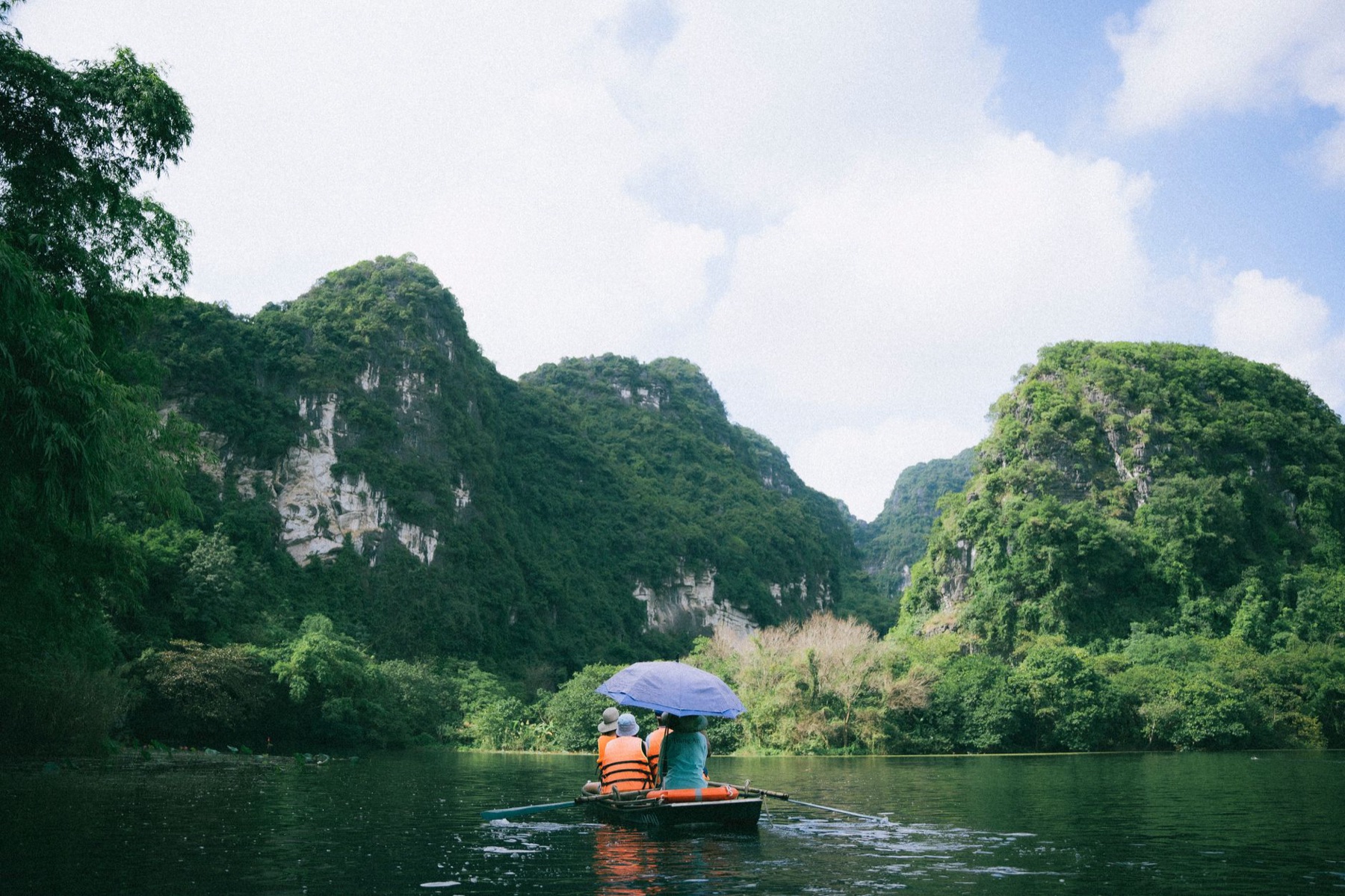
Ninh Binh food là hindi lang pagkain—ito ay reflection ng lugar kung saan kami naroroon: mountain valleys, limestone caves, at freshwater rivers na puno ng unique ingredients na hindi makikita sa Hanoi o Ho Chi Minh City. Karamihan ng tourists ay pumupunta dito para sa Tam Cốc landscape, pero ang tunay na premyo ay ang kusina.
Ginanap namin ang past years ordering straight sa local cooks, bumili mula sa wet markets bago magdala-dagdag ang middlemen, at natuto ng kung saan exactly ang presyo ay nag-jump mula reasonable hanggang tourist trap. Ito ang guide na isusulat namin kung mag-visit kayo ng Ninh Binh at seryoso kayong gustong kumain ng tunay.
---
Ano ang natatangi sa Ninh Binh food kumpara sa iba?
Ninh Binh sits between the Red River Delta at the limestone karst landscape, meaning ang local cuisine ay mix ng delta rice culture at mountain foraging. Hindi ito Hanoi-style pho dominance, at hindi rin pure southern. Ang region ay kilala para sa cơm cháy (crispy rice crust), cua sông (river crab), mèn cua (fermented crab paste), at cá nướng (grilled river fish) na walang katulad sa intensity ng lasa.
Ang freshwater resources—Sông Cổ Cò, Sông Ngo Đồng—ay nag-pump ng river crab at smaller fish species na locally called cua sông at cá dìa na mas subtle at mas mataba kaysa sa saltwater variants. Ito ay protected ingredient list; tourists trying sa Hanoi ay makakakuha lang ng pale imitation.
🗺️ Planuhin ang iyong ruta sa Vietnam
---

Saan dapat bumili ng Ninh Binh food kung tourist ka?
Tatlong levels: wet market, local restaurant, at premium riverside.
Wet Market (Chợ Ninh Bình, Ninh Bình City Center): Open 5 AM–10 AM, chaotic, real prices. Dito bumibili ang local families. Cua sông ay nasa ice, 200,000–280,000 VND per kg (around $8–$11 USD)—bahagi ng price ay shell weight. Mèn cua (fermented paste, 200g jar) ay 60,000–90,000 VND ($2.40–$3.60 USD). Wander in Vietnam visits weekly; madali ang negotiation kung bumili ng multiple items.
Local Family-Run Warung (Cơm Cháy Spots, Ninh Bình Suburbs): Hindi sila may sign. Ask your hotel. Cơm cháy plate (crispy rice + topping) costs 25,000–40,000 VND ($1–$1.60 USD). Cá nướng (grilled fish) ay 50,000–80,000 VND ($2–$3.20 USD) per whole small fish. Average meal: 100,000–150,000 VND ($4–$6 USD) for one person with soup at vegetable.
Tam Cốc Tourist Strip (Riverside): Premium markup. Same dishes cost 120,000–200,000 VND ($4.80–$8 USD) per item. View is legit; food is okay. Go if you want to eat while looking at karst cliffs; skip if budget-conscious.
What to Check: Fresh ice means fresh catch same-day. If ice is yellowed or melting, pass. Smell: river crab should smell like clean water + mineral, not ammonia. Fermented paste jars should be labeled with date; over six months old is risky unless you trust the vendor.
---
Paano Pumili ng Tuwing Uri ng Ninh Binh Specialty?
| Specialty | Para sa sino | Price Range | Saan bumili | Red flags |
|---|---|---|---|---|
| Cơm cháy (crispy rice) | Budget travelers, carb lovers | 25,000–50,000 VND ($1–$2) | Local eateries, markets | Tastes like day-old oil; fresh should crackle |
| Cua sông (river crab) | Seafood fans, groups | 200,000–300,000 VND/kg ($8–$12) | Wet market, restaurants | Shell feels hollow; color too red (boiled vs. live) |
| Mèn cua (fermented paste) | Adventure eaters, condiment buyers | 60,000–120,000 VND/jar ($2.40–$4.80) | Market, specialty shops | No date label; smells fishy (not umami) |
| Cá nướng (grilled river fish) | Lunch eaters, light appetites | 50,000–100,000 VND per fish ($2–$4) | Streetside grills, restaurants | Fish eye cloudy; flesh separates from bone easily |
| Ngô (corn) with lime & chili | Snack seekers | 15,000–25,000 VND ($0.60–$1) | Street vendors near Tam Cốc | Kernels taste starchy, not sweet; husk brown |
---
Mga Specialty na Hindi mo dapat palampasin
Mèn cua on broken rice: This is not tourist bait—locals eat it every day. Fermented crab paste on white steamed rice, cracked egg, maybe a scallion. Costs 40,000–70,000 VND ($1.60–$2.80 USD). The paste is salty, funky, rich; rice buffers it. First bite is "what is this smell?" by bite three you understand. Buy mèn cua jars (200–500g) from Chợ Ninh Bình; use it for weeks at your homestay.
Cua sông with lime and chili: Most restaurants will boil the crab for you if you buy live from market, or serve pre-cooked. Squeeze lime, mix with chili, salt, fish sauce. A single crab (200–300g) feeds one person as starter. River crab is sweeter than sea crab, less briny. Cost: 150,000–250,000 VND ($6–$10 USD) at restaurant; half that if you buy live and cook yourself.
Bánh cuốn (crepes): Not unique to Ninh Binh, but the local version uses river shrimp paste instead of pork. Soft rice flour crepe, steamed, served with fish sauce. 20,000–35,000 VND ($0.80–$1.40 USD). Seek out morning vendors near Tây Đô market; noon onward they sell out.
🎟️ Ihambing ang mga tour at tiket
---
Paano mag-order at makipag-negotiate kung wala kang Vietnamese?
Most wet market vendors at local restaurants speak zero English. Bring phone translator or point. For seafood: hold up fingers for size; mime cooking (stirring for soup, grilling motion, etc.); show photos from guidebook.
Wet market negotiation: If buying 500g crab + 3 jars mèn cua + 1kg fish, ask "Tổng cộng bao nhiêu?"—vendor will quote one number for bundle. Counter at 80–85% of that if it feels inflated. Once you settle, they lose interest in arguing; Vietnamese vendors respect this speed.
Restaurant: No negotiation. Menu boards (often in Vietnamese only) list dish + price. Point or say dish name. If unsure, ask "Cái này bao nhiêu tiền?"—"How much is this?" They'll hold up fingers or write number.
Scams to avoid:
- Wet market vendor weighing crab with ice still on—ask them to drain ice first, reweigh.
- Tourist restaurant adding "river crab surcharge" after you order—confirm price before sitting.
- Fermented paste labeled as "homemade" but actually mass-produced in Hanoi—check jar label for producer address (should say Ninh Bình province).
- Riverside vendors claiming "caught this morning"—if it's noon and sunny, it's likely from yesterday.
---
Saan makakabili ng Ninh Binh food gifts para dalhin sa bahay?
If you want to bring Ninh Binh flavors home—mèn cua, dried cua shells, bottled fish sauce—here's what travels:
Mèn cua jars (200–500g glass jars): Stays fresh 4–6 months sealed. Airport security allows it; put in checked luggage with socks around it for cushion. Buy from Chợ Ninh Bình or Tây Đô market, 60,000–100,000 VND ($2.40–$4 USD) per jar. Smuggling into Australia/NZ is risky (biosecurity); US/EU/Philippines are usually fine if sealed and labeled.
Dried river crab shells: Sold in plastic bags at market, used for broth stock. Lasts 1+ year. 80,000–150,000 VND per bag ($3.20–$6 USD). TSA/customs friendly.
Bottled fish sauce from Ninh Bình producers: Specialty brands (not the ubiquitous Red Boat, which is everywhere) are harder to find but worth hunting. Ask market vendors "Nước mắm Ninh Bình?" Some family makers will sell 500ml bottles, 40,000–80,000 VND ($1.60–$3.20 USD). Seal it double-bag; TSA allows it.
What NOT to bring: Live crabs (illegal), raw river fish (spoils fast), fresh corn (customs).
---
Budget breakdown: Actual meal costs in Ninh Binh, 2026
Street/Market meal (breakfast or lunch):
- Bánh cuốn: 25,000 VND ($1)
- Cơm cháy plate: 35,000 VND ($1.40)
- Vietnamese coffee: 15,000 VND ($0.60)
- Total: ~75,000 VND ($3)
Local restaurant dinner (no alcohol, one person):
- Cua sông (1 crab): 120,000 VND ($4.80)
- Rice bowl: 10,000 VND ($0.40)
- Soup/vegetable: 30,000 VND ($1.20)
- Total: ~160,000 VND ($6.40)
Riverside tourist restaurant (same meal):
- Cua sông: 200,000 VND ($8)
- Rice: 15,000 VND ($0.60)
- Soup/veg: 50,000 VND ($2)
- Total: ~265,000 VND ($10.60)
Wet market haul (ingredients for 2–3 meals):
- 300g cua sông: 60,000 VND ($2.40)
- 2 jars mèn cua: 150,000 VND ($6)
- 500g fish: 40,000 VND ($1.60)
- Fresh herbs + vegetables: 30,000 VND ($1.20)
- Total: ~280,000 VND ($11.20)
Budget travelers: eat market + local spots = 75,000–150,000 VND/day ($3–$6). Mid-range: mix of local + tourist restaurants = 200,000–300,000 VND ($8–$12). Premium: riverside dining = 300,000+ VND ($12+).
---
Paano mag-connect sa broader Ninh Binh experience?
Food is only one layer. Visit Ninh Bình's full guide for cave tours (Tam Cốc, Hang Múa), limestone hiking, and bicycle routes where you'll encounter local homestays serving family meals. Many homestays include breakfast; ask if they can source mèn cua or fresh crab from their own suppliers.
For Vietnam itinerary planning, Ninh Bình fits perfectly between Hanoi day trips (2 hours south) and Ha Long Bay detours. Build in 2–3 days to eat your way through markets, take a boat tour, and recover.
If you're sourcing Ninh Bình food gifts or planning a meal experience, check Hoa Lang Thang for flower delivery in Hanoi if you want to send gratitude to local hosts; or book an ao dai photoshoot in Hanoi or Saigon with Cáo Studio to document your trip.
📸 Mag-book ng ao dai photoshoot sa Hanoi o Saigon (Cáo Studio)
---
Actual checklist bago bumili ng Ninh Binh specialty online or in-person
✓ Mèn cua: Check jar date (within 6 months), no mold on lid, sealed cap (not just covered), smell should be funky-umami not rotten.
✓ Cua sông (live or cooked): Eyes clear, shell hard not soft, no ammonia smell, legs move if live.
✓ Cá nướng (if buying fresh): Gills red or pink (not brown), scales intact, flesh firm when pressed.
✓ Cơm cháy: Crackles when bitten; if soft, it's old or reheated.
✓ Fish sauce: Clear amber color (not murky), label shows producer address in Vietnam, seal unbroken.
✓ Dried crab shells: No mold, no insect debris, stored in dry place (not humid basement).
✓ Price anchor: Compare across 3 vendors before committing; first quote is rarely best.
---
#

FAQ
Is Ninh Binh food safe for tourists with sensitive stomachs?
Fermented mèn cua and raw lime-marinated crab can trigger issues; boiled crab and cooked fish are safer. Stick to hot dishes eaten immediately. Avoid street ice/water. If unsure, eat at restaurants with high turnover, not wet market takeaway cooked hours ago.
Mèn cua parang nakakalason, ano talaga yan?
Fermented crab paste—enzyme breakdown, not rot. Smells funky because it's meant to be salty funk. First-timers gag; locals crave it. Start with tiny spoon on rice; it's not for everyone, and that's okay.
Saan ang cheapest place bumili ng cua sông?
Chợ Ninh Bình wet market, early morning (before 8 AM). Late morning prices rise 20%. Tourist restaurants mark up 50–100%. Buy live, cook yourself or pay restaurant to cook = cheapest + freshest.
Pwede ba dalhin ang mèn cua sa flight papunta Philippines?
Yes, sealed jar in checked baggage. Wrap in socks for cushion. Declare if asked. Philippine customs usually allows fermented goods; confirm before you pack to be safe.
Ano ang best time bumisita para sa food?
October–November (cool, dry, fresh seafood peak). December–January okay. April–May hot, vendors less motivated, fewer ingredient freshness. Avoid July–September (monsoon, slippery market floors, spoilage risk). --- Wander in Vietnam is an independent guide. We eat where locals eat, buy where locals buy, and share honest pricing so you don't overpay. Return to Ninh Bình food guide anytime to update your list.