Hanoi · Things to do
10 Best Things to Do in Hanoi: Local Guide 2026
By Wander in Vietnam editorial team · Hanoi, Vietnam
Hanoi's magic isn't in monuments—it's in the rhythm. The city moves fastest in the morning, calmest at dusk. We've spent time in every district worth visiting and here's what actually deserves your hours.
Why does dawn at Hoan Kiem Lake feel different than midday?
At 5:30 am, locals fill the lakeside paths for tai chi, jogging, and tai chi sword. The water is still. By 7 am, the city hums; by 9 am, it's just tourists. The lake itself—roughly 1.8 km around—sits in the heart of the city center and costs nothing to access. The Turtle Tower legend is charming but the real draw is watching Hanoi's inhabitants do what they do. Bring water and wear shoes with grip; morning paths can be slick.
🗺️ Plan your route: Vietnam itinerary
What makes the Old Quarter worth a full morning, not a quick walk?
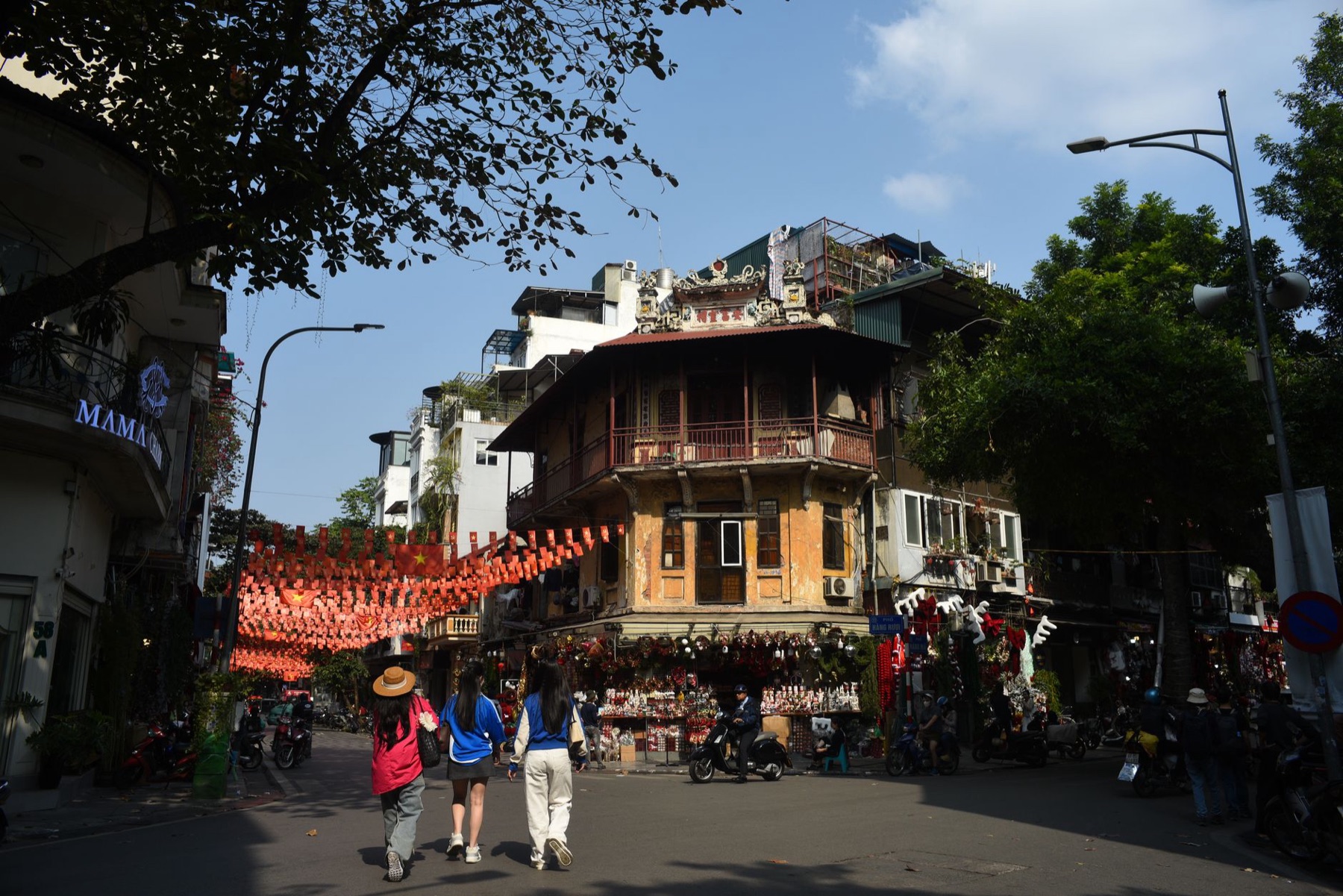
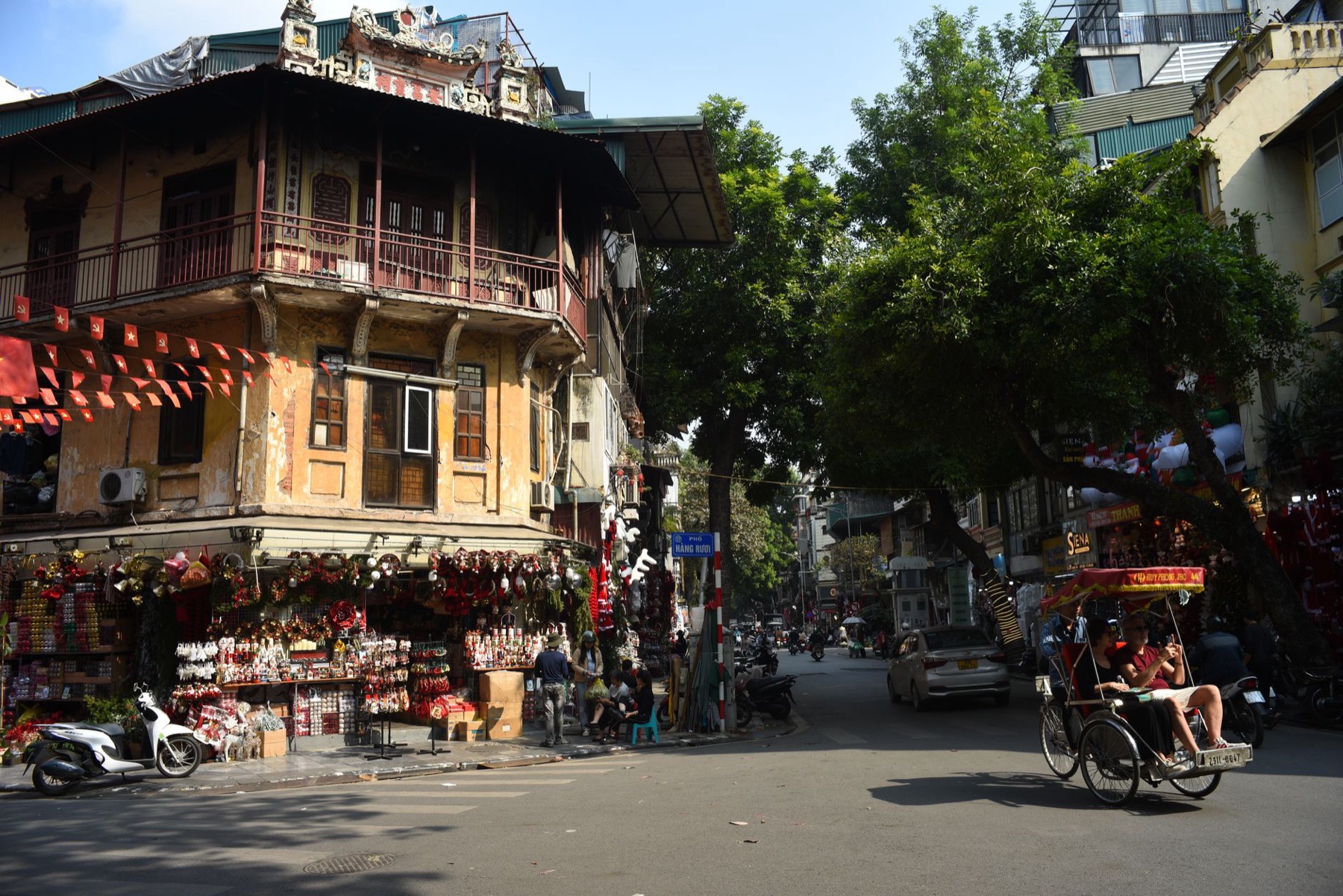
The Old Quarter (Hang Manh district) is a grid of 36 medieval streets, each once dedicated to a single trade: Hang Silk, Hang Ngang (rice paper), Hang Gai (silk), Hang Dao (dye). Wandering isn't random—it's a map of craft. Pick one street: Hang Ngang for Vietnamese souvenirs and fabric; Hang Dao for silk products and traditional craft supplies. Streets are narrow (3–4 meters), packed 7 am–6 pm, quiet after 8 pm. Prices for souvenirs range from 50,000 VND (~$2 USD) for a simple lacquer coaster to 500,000 VND (~$20 USD) for hand-painted ceramics. The key is stopping for coffee in a small cafe (around 25,000–40,000 VND / $1–1.60 USD) and observing how people live above the shops. Don't photograph people without asking. Motorbike taxis swarm tourists; use Grab app instead.
Where do locals actually eat, and how do you navigate it safely?
Street food happens in clusters, not in tourist restaurants. Hang Manh street (evening, 5 pm–10 pm) fills with plastic stools and vendors selling pho, banh mi, and grilled meat skewers. A full meal costs 40,000–80,000 VND (~$1.60–3.20 USD). Hanoians eat standing or crouched on tiny stools. The real scam: restaurants in the Old Quarter that lure tourists with menus and then overcharge (300,000+ VND / $12+ USD for one bowl of pho). Avoid. Instead, ask your hotel staff to point you to a neighborhood pho place in districts 1, 2, or 3. Watch the vendor prepare your food. If a vendor is cooking for locals at 6 am, the food is good. If they're primarily serving tourists, walk on.
📸 Book an ao dai photoshoot in Hanoi or Saigon (Cáo Studio)
Should you visit Ho Chi Minh's Mausoleum and Ba Dinh Citadel?
Yes, but with strict conditions: arrive by 7:45 am. Lines form by 8 am and the complex closes at 11 am. Entrance to the mausoleum is free; Ba Dinh Citadel grounds admission is around 30,000 VND (~$1.20 USD). Dress code is enforced—knees and shoulders covered, no hats. The mausoleum itself is small and somber; the real value is the citadel's scale (15 hectares, French colonial and Vietnamese architecture blended). Photography is forbidden inside the mausoleum but permitted in the courtyards. Go on a weekday if possible; weekends attract school groups. The nearby National Museum of Vietnam (across from Ba Dinh) offers deeper context and is far less crowded.
What's the honest take on water puppet theater?
Water puppet shows are a traditional art form—uniquely Vietnamese, performed since the 11th century in rice paddies. The Hanoi Water Puppet Theatre (Thao Dien Theatre) in the Old Quarter runs multiple daily shows (around 3 pm, 5 pm, 7 pm, 9 pm). Tickets cost 100,000–150,000 VND (~$4–6 USD) for foreigner prices. The show lasts 50 minutes. The puppets are carved wood, moved by puppeteers hidden behind a screen, synchronized to traditional music (drum, flute, 16-string zither). Is it worth it? If you care about Vietnamese culture, yes—it's live artistry. If you're checking a box, it's slow and the story (usually a folk tale) takes time to unfold. Go to an early show (3 pm) when seats aren't packed; you'll see the puppeteers' hands and shadows, which adds texture.
How do you spend time in a traditional silk workshop without being sold to?
Several silk workshops in the Old Quarter and Trang Tien district will let you observe weaving and natural dyeing for free, expecting you might buy. Avoid the ones with aggressive tour guides outside. Instead, walk into a working workshop (not a showroom) and politely ask if you can watch. Most weavers will nod. Bring a small gift (coffee, fruit). A silk scarf made on-site costs 200,000–600,000 VND (~$8–24 USD) depending on complexity. The benefit of visiting a workshop is understanding the labor: a hand-woven silk scarf takes 2–4 days. This context transforms a souvenir from impulse into meaning. If you want to take something home with genuine memory, consider a silk item with a personal story behind it—or order a custom textile or keepsake item in advance.
🎟️ Compare tours & tickets for this place
Why should you skip Dong Xuan Market midday, and when to actually go?
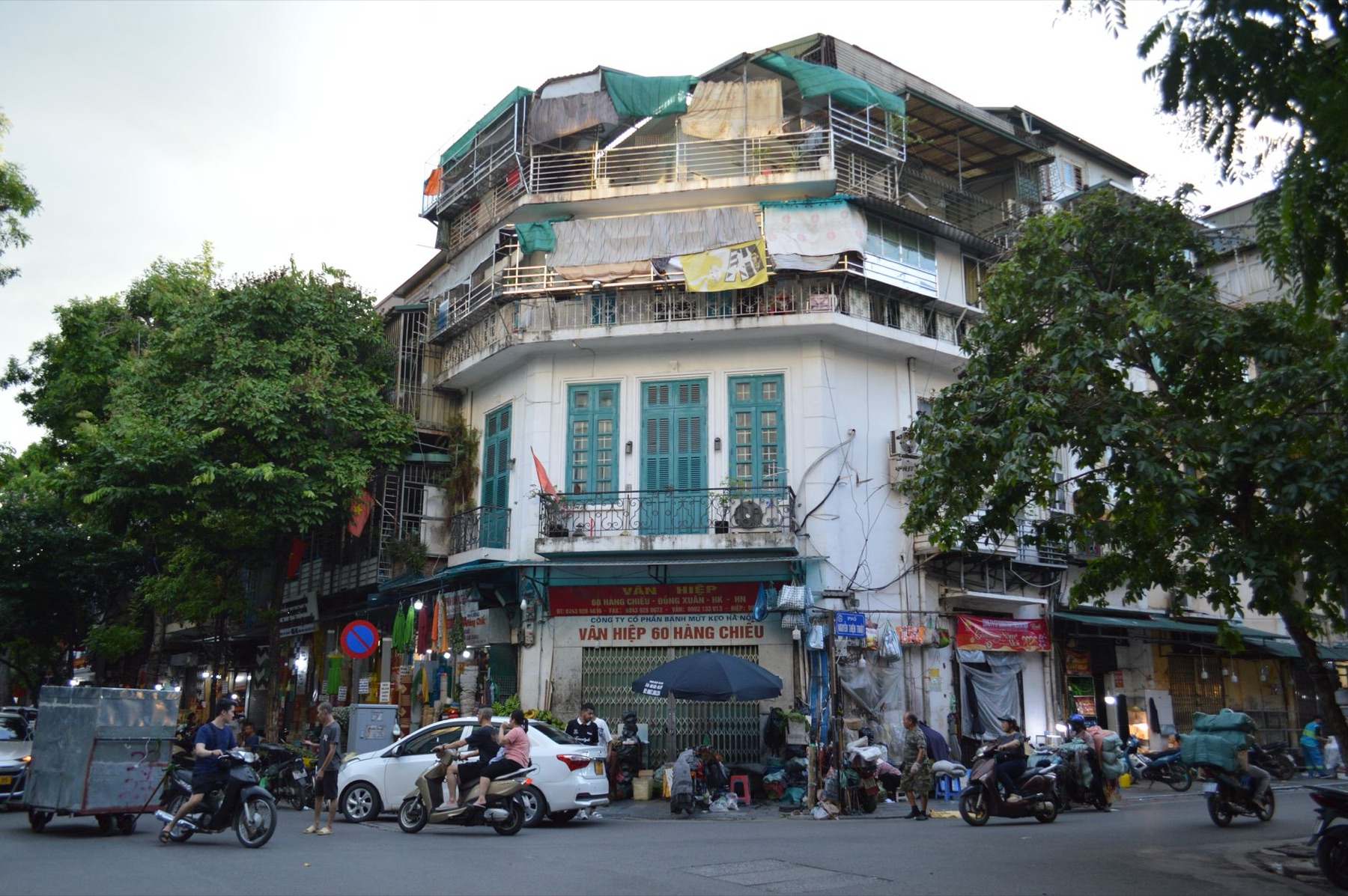
Dong Xuan Market (Han district, oldest covered market in Hanoi, opened 1889) is 3–4 floors of wholesale and retail goods: fabric, kitchenware, handicrafts, clothing, dried goods. It's overwhelming. Go at 6:30–7:30 am when locals are buying for the day, before crowds. Cost for browsing is free. Haggling is expected for bulk purchases; for single items, prices are fixed. Avoid midday (11 am–2 pm) when it's packed and humid. The market's real draw isn't tourism—it's seeing how the city feeds and clothes itself. Third floor has mostly textiles; second floor is kitchenware and home goods; ground floor is the most chaotic. Bring small bills (5,000–10,000 VND notes) because many vendors don't use card readers. Pickpockets are rare but crowding is intense; keep your bag zipped and close.
| Hanoi Activity | Best For | Cost (USD) | Time | Crowd Level |
|---|---|---|---|---|
| Hoan Kiem Lake (dawn) | Peaceful start, tai chi | Free | 1.5 hrs | Low |
| Old Quarter walking | Craft history, street food | $5–15 | 3–4 hrs | High |
| Street food tour | Local eating, navigation help | $15–25 | 3 hrs | Medium |
| Ho Chi Minh Mausoleum + Ba Dinh | History, architecture | $1.20 | 2 hrs | High (mornings) |
| Water puppet show | Traditional art | $4–6 | 1 hr | Medium |
| Silk workshop | Hands-on craft, shopping | Free to $20 | 1.5 hrs | Low |
| Dong Xuan Market | Local life, wholesale goods | Free to $30 | 2 hrs | Very high (midday) |
What goes wrong when planning a Hanoi visit, and how to avoid it?
Motorbike taxi scams: Use Grab app instead of flagging taxis on the street. Ride costs 15,000–40,000 VND (~$0.60–1.60 USD) depending on distance. Confirm the price before riding.
Restaurant overcharging: Avoid restaurants with printed menus and large seating areas in the Old Quarter targeting tourists. Eat where locals eat—plastic stools, hand-written menus, no English.
Counterfeit goods: If a vendor promises "authentic" designer items for 50,000 VND (~$2 USD), it's counterfeit. Real items cost proportionally; quality costs time and money.
Pickpocketing in crowds: Markets and evening street-food areas attract light thieves. Use a crossbody bag, not a backpack. Keep valuables in a hotel safe.
Heat and humidity: Hanoi is sweltering April–September. Drink water constantly (buy bottled water, around 5,000–10,000 VND / $0.20–0.40 USD per liter). Avoid midday outdoor walking June–August.
---
How long should you spend in Hanoi?
Three days is the minimum to feel the rhythm: one day Old Quarter and street food, one day lakes and morning routine, one day a specific workshop or museum. Most visitors underestimate the value of sitting still—a two-hour coffee at a local cafe is more Hanoi than a rushed checklist.
📸 Book an ao dai photoshoot in Hanoi or Saigon (Cáo Studio) — Capture your Hanoi moment in traditional ao dai dress with professional photos. Cáo Studio handles makeup and styling for travelers in Hanoi and Saigon.
When to visit Hanoi?
October to November (autumn) and March to April (spring) are ideal: 15–25°C, low humidity, clear skies. Avoid December–February if you're sensitive to cold (10–15°C, occasional drizzle). June–September is hot, humid, and rainy; many tourists avoid it, so prices and crowds drop.
Should you take a day trip from Hanoi?
Ha Long Bay (3 hours southeast) and Ninh Binh (2 hours south) are popular additions. Ha Long Bay is limestone karsts and cave boats—stunning but crowded. Ninh Binh is quieter, with cycling, temples, and river caves. If you have 5+ days in the region, split your time: 2–3 days Hanoi, 1–2 days Ha Long or Ninh Binh. Use our Ha Long Bay guide and Ninh Binh guide to decide.
🗺️ Plan your route: Vietnam itinerary
---
What to check before you book anything:
- Verify timing: Confirm opening hours and closing dates (mausoleum and citadel close occasional Mondays).
- Check your phone: Get a Vietnam eSIM or local SIM before arriving; Grab and messaging apps need data.
- Visa status: Confirm your Vietnam e-visa or exemption before traveling.
- Book accommodation in advance: October–November is peak season; hostels and hotels fill quickly.
- Bring small bills: ATMs dispense 100,000 VND notes; vendors in markets prefer 10,000–50,000 VND.
---
FAQ
Is it safe to walk the Old Quarter alone at night?
Yes. Hanoi is generally safe for solo travelers. The Old Quarter is well-lit and crowded until 10 pm. Avoid very quiet side streets after midnight. Use Grab for late-night transport (motorbike or car) rather than hailing taxis on the street.
How much should I budget per day in Hanoi?
Budget 50,000–150,000 VND (~$2–6 USD) for meals if eating local street food; add 100,000+ VND (~$4+ USD) if visiting paid attractions. Accommodation ranges 200,000–2,000,000 VND (~$8–80 USD) per night depending on comfort.
Are guided tours worth it, or should I explore alone?
Guided tours (street food tours, Old Quarter walking tours) cost 500,000–1,500,000 VND (~$20–60 USD) and save time navigating language barriers. If you're comfortable with maps and asking locals, solo exploration is cheaper and more flexible.
What's the easiest way to navigate Hanoi's traffic?
Use Grab app (ride-hailing, similar to Uber). Download offline maps (Google Maps or similar) in case of spotty data. Walking is safest if you stay alert and cross streets at designated crossings where traffic is slower.
Can I see authentic Vietnamese culture, or is it all for tourists?
Hanoi's daily life is visible early mornings (tai chi, breakfast vendors, market rush). Avoid peak tourist hours (9 am–5 pm) in the Old Quarter. Neighborhood cafes, residential lakes (Truc Bach Lake), and side streets in districts 1–3 feel authentic because they're not primarily tourist-facing.
Should I hire a private guide for a day?
Private guides cost 1,000,000–2,500,000 VND (~$40–100 USD) per day and are worth it if you want deep historical context or have specific interests (street food, architecture, silk production). Book through your hotel or a reputable agency to avoid overpricing.
FAQ
Is it safe to walk the Old Quarter alone at night?
Yes. Hanoi is generally safe for solo travelers. The Old Quarter is well-lit and crowded until 10 pm. Avoid very quiet side streets after midnight. Use Grab for late-night transport (motorbike or car) rather than hailing taxis on the street.
How much should I budget per day in Hanoi?
Budget 50,000–150,000 VND (~$2–6 USD) for meals if eating local street food; add 100,000+ VND (~$4+ USD) if visiting paid attractions. Accommodation ranges 200,000–2,000,000 VND (~$8–80 USD) per night depending on comfort.
Are guided tours worth it, or should I explore alone?
Guided tours (street food tours, Old Quarter walking tours) cost 500,000–1,500,000 VND (~$20–60 USD) and save time navigating language barriers. If you're comfortable with maps and asking locals, solo exploration is cheaper and more flexible.
What's the easiest way to navigate Hanoi's traffic?
Use Grab app (ride-hailing, similar to Uber). Download offline maps (Google Maps or similar) in case of spotty data. Walking is safest if you stay alert and cross streets at designated crossings where traffic is slower.
Can I see authentic Vietnamese culture, or is it all for tourists?
Hanoi's daily life is visible early mornings (tai chi, breakfast vendors, market rush). Avoid peak tourist hours (9 am–5 pm) in the Old Quarter. Neighborhood cafes, residential lakes (Truc Bach Lake), and side streets in districts 1–3 feel authentic because they're not primarily tourist-facing.
Should I hire a private guide for a day?
Private guides cost 1,000,000–2,500,000 VND (~$40–100 USD) per day and are worth it if you want deep historical context or have specific interests (street food, architecture, silk production). Book through your hotel or a reputable agency to avoid overpricing.