





All Hoi An guides
Hoi An's markets are where locals shop for silks, spices, fresh produce, and souvenirs far below tourist-trap prices. We've mapped the city's five main markets, what makes each one distinct, and how to spend your cash wisely.
Hoi An's temples and pagodas blend Chinese, Vietnamese, and French colonial architecture. We guide you through working shrines, family chapels, and living worship spaces open to respectful visitors.
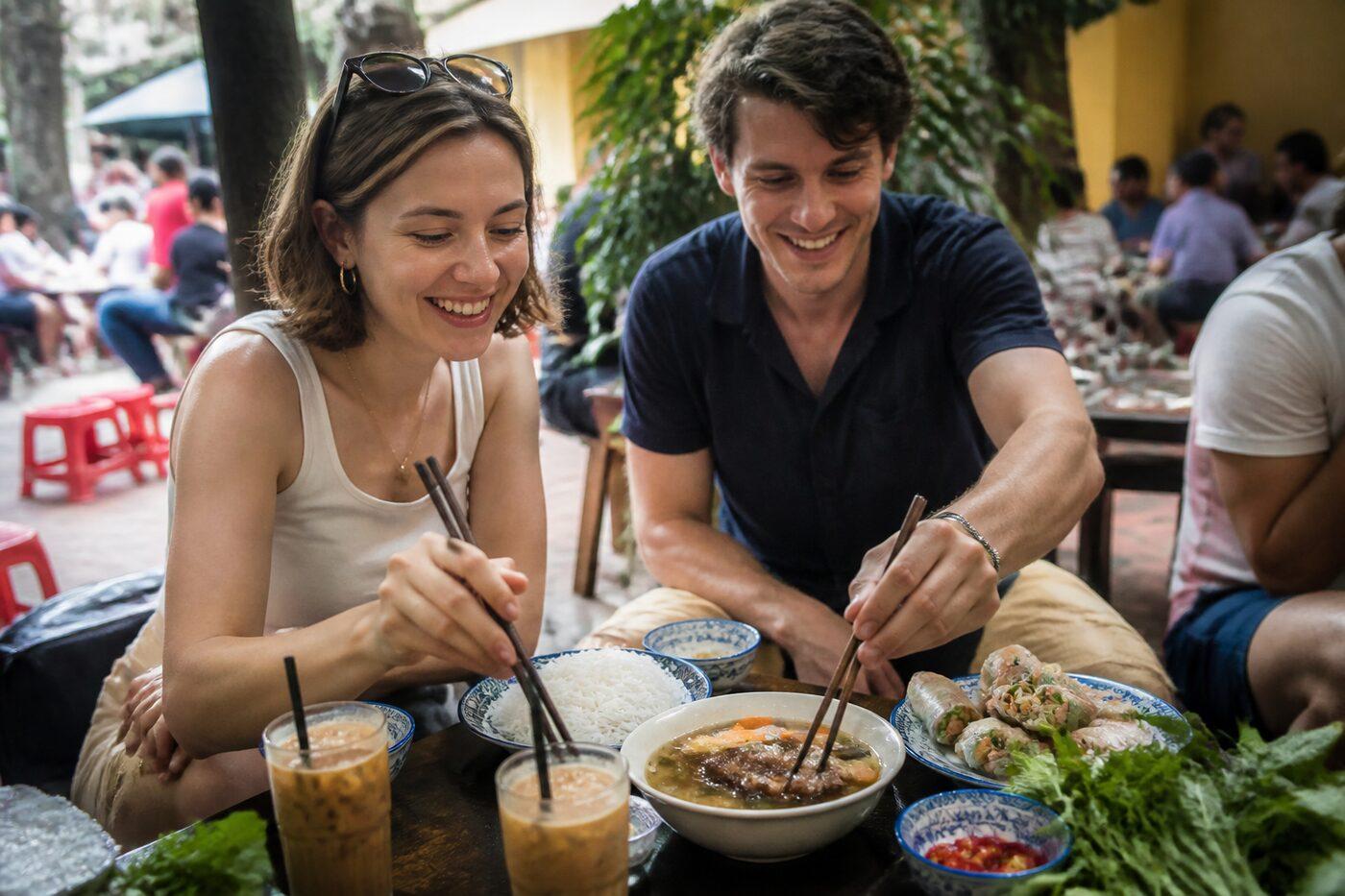
Hoi An's food scene mixes ancient street recipes with modern tourism. We separate the genuine dishes from the overpriced tourist versions and tell you where locals actually eat.
Hoi An's food scene mixes Chinese, Japanese, and Vietnamese traditions into dishes found nowhere else in the country. We'll show you what to order, where, and how much to actually pay.
Hoi An Ancient Town draws couples with its candlelit lanterns, tailored ao dai, and slow-paced riverside charm. We'll show you the real experience—and how to avoid tourist traps.
Hoi An is a compact, walkable riverside town in Quang Nam province perfect for families. We'll show you what actually works with kids, where the crowds peak, and how to avoid tourist traps.
Hoi An's lantern-lit old town is genuinely atmospheric, but mass tourism and inflated prices have dulled the experience. We'll tell you whether the trip fits your travel style and how to make it count.
Hoi An's Old Town is stunning, but three days here means you're done. We guide you through the best escapes—and which ones aren't worth your time.
Hoi An shines year-round, but mid-October to April offers the sweet spot: dry weather, manageable crowds, and stable prices. Summer brings heat and rain; winter sees peak tourism and higher rates.
Hoi An's compact layout means most neighbourhoods work, but choice depends on your pace and budget. We break down three distinct zones to help you decide.
Hoi An's Ancient Town is walkable but sprawling. We reveal which transport beats the tourist traps, real prices, and how locals move between beaches, markets, and hills. #
Three days in Hoi An lets you walk the UNESCO old town, take a cooking class, and ride a boat down the Thu Bon river without rushing. This guide maps the realistic rhythm of the town and shows you where to invest your time—and your money.
Hoi An deserves 2–3 days minimum to walk its lantern-lit streets, visit craft workshops, and take a boat trip. Most travelers underestimate—we tell you what actually takes time, what's overrated, and how to pace your visit without regret.
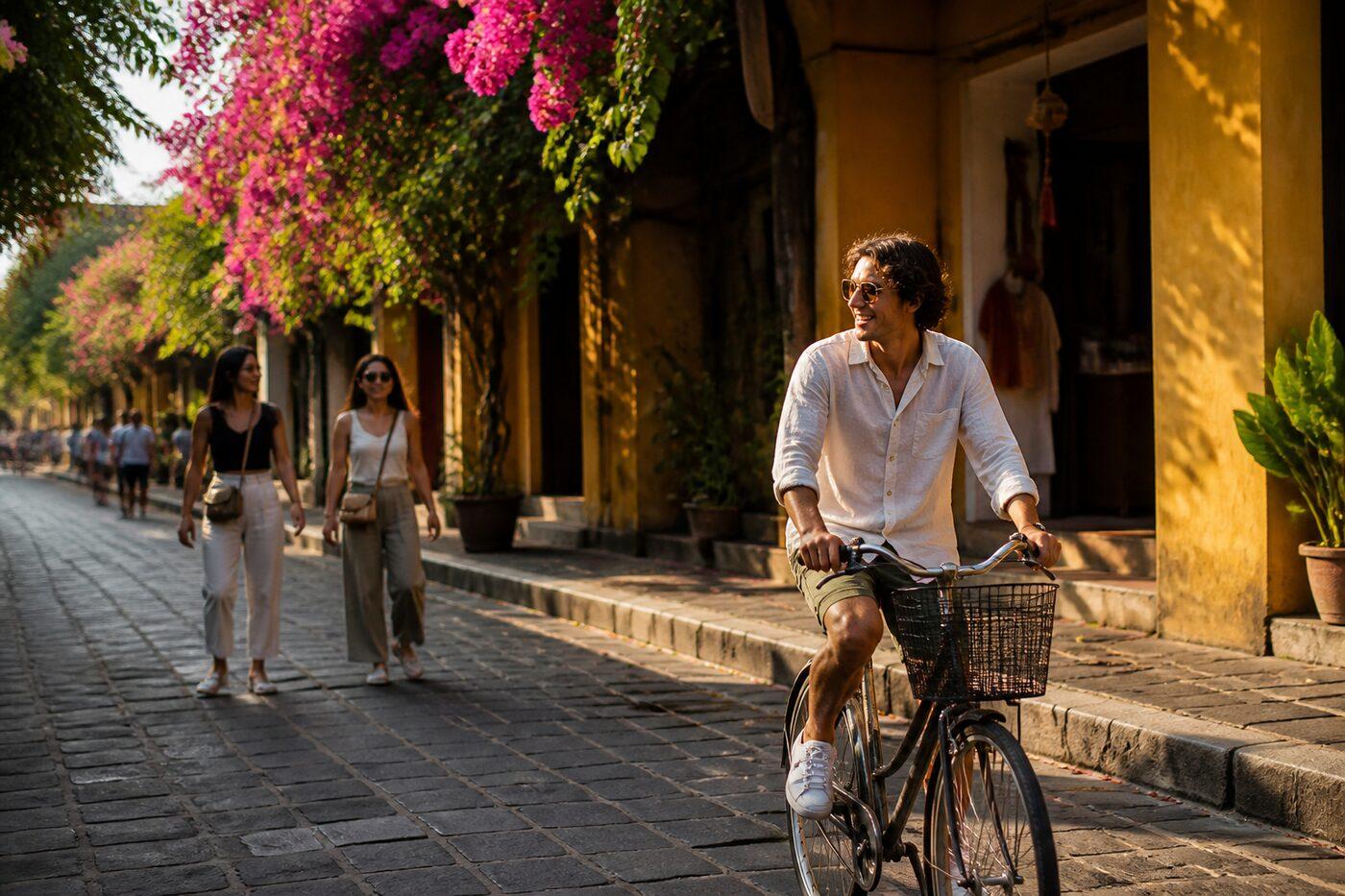
Hoi An is Vietnam's best-preserved heritage town: a UNESCO-listed riverside labyrinth of silk lanterns, wooden shophouses and tailor stalls. We'll show you what's worth your time—and what's tourist-trap overpriced.
Hoi An is famous for its lantern-lit Old Town, but beyond the souvenir stalls lie genuine temples, craft museums, and night markets. We've tested what actually rewards your time here.
Hoi An is Vietnam's best-preserved ancient town, built on silk trade routes. Beyond Instagram shots, the real experience lies in its lantern-lit museums, working artisan studios, and hidden merchant halls—each telling the story of centuries-old commerce.
Pizza in Hoi An ranges from traditional Italian to inventive local fusions. We've mapped the real options across the old town and Cửa Đại, with honest notes on what works, who each spot suits, and what to expect before you order.
Hoi An's best restaurants balance heritage dishes with fair pricing—if you know where to look. We've tested the real spots locals eat and tourists should try, from banh mi carts to sit-down family recipes in back alleys.
Hoi An's nightlife isn't Vegas-scale, but the bars here are genuine. We've mapped the real ones: Irish pubs, craft cocktail spots, and late-night hangouts where you'll actually meet people.
Hoi An's rooftop bars range from backpacker hangouts to upscale cocktail lounges. We've tested the real contenders to help you pick the right spot for your budget and mood.
Hoi An's coffee culture blends Vietnamese tradition with traveller-friendly cafés. We've tested each shop to help you choose: ancient-town classics, riverside views, or quiet corners for work.
Hoi An's cafe scene splits between lantern-lit heritage streets and riverside newcomers. We've visited the real working spots locals and travelers return to—here's what each does best and what to avoid.
Hoi An's street food scene blends Vietnamese classics with modern vegan options. We've mapped the real vendors worth your time and money.
Hoi An's food scene spans candlelit fusion tables on Cửa Đại to family-run bánh mì stands on Phan Châu Trinh. We've mapped the real options so you pick by neighborhood and budget, not hype.
When is the best time to visit Hoi An?
Feb–Aug is the sweet spot for weather; shoulder months are cheaper and quieter.
How many days do you need in Hoi An?
2–3 days covers the essentials at a relaxed pace; see the itinerary section for day-by-day plans.
Join the Wander in Vietnam traveler group
A free community of travelers, expats and locals. Ask anything before or during your trip and get honest answers fast.
- ✓ Ask locals & travelers
- ✓ Live updates: weather, visas, scams
- ✓ Share your photos & routes