Hoi An
Is Hoi An Worth Visiting? An Honest 2026 Guide
By Wander in Vietnam editorial team · Hanoi, Vietnam
Hoi An is worth 1–2 days if you're traveling central Vietnam, not a week. The Ancient Town (UNESCO-listed, Quang Nam Province) sits on the Thu Bon River and retains original Chinese-influenced shophouses, lantern streets, and functioning temples—built roughly 15th–19th centuries. Admission is around 120,000 VND (US$5) for a wristband covering five heritage sites; a half-day walk takes you through the core. The trade-off: peak season (November–February) brings 3,000+ daily visitors, prices are 30–50% higher than inland towns, many shops sell identical tourist trinkets, and the "authentic" vibe gets thin by afternoon. We recommend visiting in shoulder months (March–April, September–early November) on a lower-speed central itinerary that also includes Ninh Binh or Ha Long Bay, staying 1–2 nights to explore the broader Quang Nam region—river villages, fishing communities, tailoring workshops—beyond the wristband zone. 🗺️ Plan your route: Vietnam itinerary
Should You Skip Hoi An Entirely, or Make It Work?
Yes, visit—but reset expectations. The Ancient Town is not an undiscovered gem; it's a managed heritage site filled with tour groups, Instagram stops, and shops selling mass-made "handcrafted" goods. That said, the lantern-lit riverfront at dusk is genuinely beautiful, the local food (banh mi, white roses, cao lau) is excellent and cheaper outside the central square, and the tailoring reputation is real—bespoke áo dài and suits are the one legitimate reason many travelers stop here. If you're chasing colonial atmosphere or wandering undisturbed streets, go elsewhere (Hue's Citadel, Hanoi's Old Quarter). If you want a photogenic, walkable cultural checkpoint with reliable transport, food, and lodging, Hoi An delivers.

What's Actually Worth Doing in the Ancient Town?
Focus on three things: riverside walks, temple interiors, and eating outside tourist squares. The wristband grants entry to Japanese Covered Bridge, Assembly Halls (Cantonese, Fukien, Hainan, Chaozhou), an old merchant house, and a traditional craft workshop—genuinely interesting, built by merchants and craftspeople across centuries. The interiors are cool (old shrines, wood carvings, family altars) and rarely crowded before 8:30 a.m. Lantern Street (Tran Phu, after 6 p.m.) and the riverside promenade are the photogenic draws but attract dense crowds; go early or accept the queues. Skip the "traditional cooking classes" marketed at US$25–40 per person—they're abbreviated demos in touristy kitchens. Instead, eat at family-run pho or banh mi stalls in Ba Trai Market (northeast of Ancient Town, open dawn–11 a.m.), or sit at local beer stands along the river at dusk for 20,000–40,000 VND (US$0.80–$1.60) a drink and real conversation.
How Long Should You Actually Spend Here?
One full day (sunrise to sunset) is enough; two nights gives you breathing room. A single morning walk through temples and streets takes 2–3 hours at a reasonable pace. The afternoon can fill with a tailor fitting (if you're commissioning áo dài or a suit—allow 2–4 fittings over 2–3 days), a river boat tour (1–2 hours, around 150,000–300,000 VND / US$6–12 per person), or exploring surrounding villages (Cam Thanh coconut boats, cooking classes in rural households—both more rewarding than central-town offerings). A second night lets you dine outside peak hours, walk the streets quietly after 9 p.m., and catch sunrise before crowds arrive. If you're traveling fast, it's not a loss to skip Hoi An entirely and spend that time in Ha Long Bay or Ninh Binh—both offer more novelty per hour.
What Costs Actually Eat Your Budget Here?
Hoi An's prices reflect tourism influx, not local wages. Below is a comparison of what you'll see:
| Item | Tourist-facing area | Local/Market area | Why the gap |
|---|---|---|---|
| Banh mi | 40,000–60,000 VND (US$1.60–2.40) | 15,000–25,000 VND (US$0.60–1) | Foot traffic, rent markup |
| Beer (local, 0.33L) | 50,000–70,000 VND (US$2–2.80) | 10,000–15,000 VND (US$0.40–0.60) | Tourist bar markup |
| River tour | 300,000–500,000 VND (US$12–20) | N/A | Fixed commercial rate |
| Áo dài photoshoot | 800,000–1.5M VND (US$32–60) | N/A | Licensed heritage site, costume rental |
| Tailor suit (bespoke, 3 fittings) | 3M–6M VND (US$120–240) | 2M–3.5M VND (US$80–140) | Street-front shops inflate; outlying tailors are cheaper |
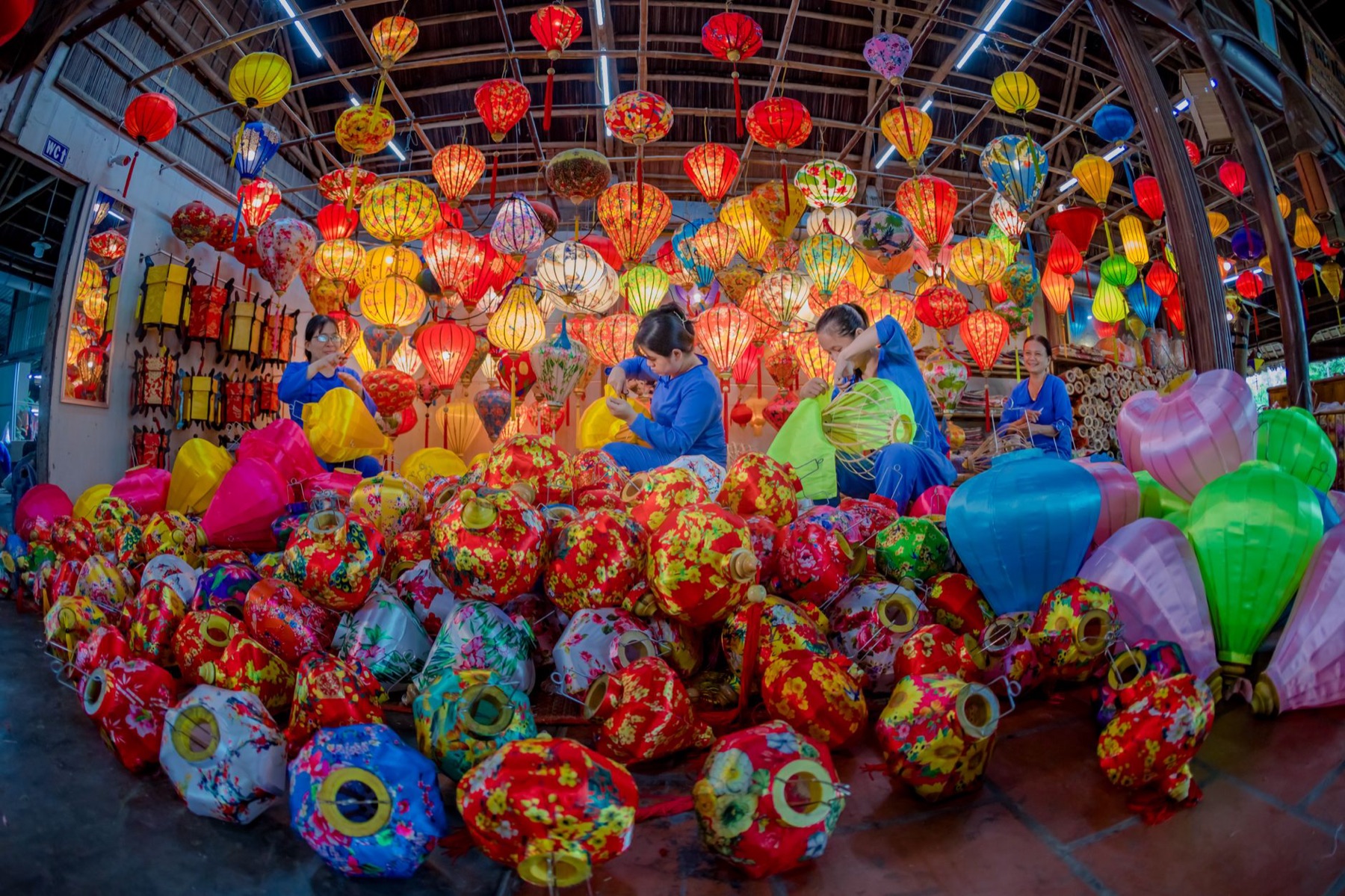
| Souvenir lantern (small, silk) | 150,000–300,000 VND (US$6–12) | 50,000–100,000 VND (US$2–4) at wholesale shops | Wholesale areas (near market) vs. retail |
Bottom line: Budget 300,000–500,000 VND (US$12–20) per day for eating, entry, and transport if you're careful; 800,000+ (US$32+) if you're visiting restaurants, booking tours, and shopping on the main streets.
Best Way to Capture Hoi An Without Overpaying or Overshooting?
Stay in a local guesthouse (not the riverfront hotels), eat where locals eat, and buy souvenirs with a clear use. Neighborhoods like Cam Pho (west of Ancient Town, across the river) and areas south of the Quang Ngai Road offer family-run homestays, smaller restaurants, and a slower pace for 150,000–300,000 VND (US$6–12) per night. Eat banh mi at dawn, midday pho at Ba Trai Market, and evening meals at beer corners or family restaurants in residential streets—food costs 30,000–60,000 VND (US$1.20–2.40) per meal. For gifts, avoid the lantern-lined souvenir shops; instead, browse the tailoring workshops for handwoven fabrics, order a made-to-measure áo dài from a shop owner's grandmother (not a storefront), or commission a simple silk scarf or embroidered pouch from artisans working in their homes. When you return home, a handmade áo dài or tailored garment tells a real story. 📸 Book an ao dai photoshoot in Hanoi or Saigon (Cáo Studio) to preserve the memory—professional makeup and styling in period costume.
If you're looking for smaller keepsakes with genuine craft, explore our collections for silk items, embroidered textiles, and artisan-made home goods—each sourced to reflect the handwork you'll witness in Hoi An itself.
Honest: What Doesn't Work, and What to Avoid
Avoid: Street-food "tastings" marketed as tours (overpriced, rushed); "authentic cooking classes" (abbreviated and commercialized); lantern-purchase shops (identical wholesale goods at retail prices); photograph guides (they sell hard and deliver little). Beware vendor markup on boat tours—book through your guesthouse, not the street.
Don't count on: Quiet, undiscovered moments—the Ancient Town is curated heritage, not wilderness. "Authentic" experiences sold at tourism rates—locals have moved to suburbs for lower costs.
Do count on: The lantern aesthetic actually being beautiful, especially at dusk. The food quality being reliably good (rice, pork, fish are fresh and well-cooked). Tailors being genuinely skilled if you commission multiple fittings. The riverside and temple interiors being worth the price of entry.
---
What to Check Before You Visit
- Wristband entry. Check if your preferred sites (temples, bridge) are open and included—some require separate tickets.
- Season. November–February brings crowds but cooler weather; June–September is humid and rainy but fewer tourists.
- Transport. Hoi An is 30 km from Da Nang (hourly bus, around 50,000–80,000 VND / US$2–3.20). Plan onward travel before booking.
- eSIM or SIM card. Mobile coverage is reliable; grab an eSIM before arrival for seamless maps and booking.
- Visa. If needed, apply for your Vietnam e-visa at least a week prior.
- Souvenir durability. Silk fades; áo dài need careful storage. Commission only if you'll wear it.
---

FAQ
Is Hoi An better than Hanoi or Ho Chi Minh City?
No—it's different. Hanoi offers chaos, street food, museums, and Old Quarter wandering; Ho Chi Minh City has war history, nightlife, and modern energy. Hoi An is slower, prettier, and shallower. Choose based on what interests you.
Can you see Hoi An in one day?
Yes. Walk the Ancient Town, visit 2–3 temples, eat lunch at a local market, and tour the riverfront by dusk. Two days lets you breathe and explore villages, but one day suffices if you're traveling fast through central Vietnam.
Is it worth staying overnight?
Worth considering if you want to tailor a garment (requires 2–3 days for fittings) or explore surrounding villages. For just the Ancient Town, a day-trip from Da Nang works.
Are tailors in Hoi An actually good?
Yes—bespoke áo dài and suits are genuinely skilled if you work with established tailors and allow 3+ fittings. Street-front tourist shops are weaker; ask locals for referrals.
What's the real cost per day in Hoi An?
300,000–500,000 VND (US$12–20) if you eat at markets and guesthouses; 800,000–1.5M VND (US$32–60) if you eat at restaurants and shop the main streets. Entry wristband is 120,000 VND (US$5).
Is Hoi An overcrowded?
Yes, especially 10 a.m.–4 p.m. in peak season. Go early morning or late afternoon, or visit September–October for fewer crowds and same humidity.
Should I book a tour or go solo?
Solo is better—walking the town on your own takes 2–3 hours and costs nothing. Tours bundle you with 15+ people and add markup. Hire a local guesthouse owner for one-off advice instead.
FAQ
Is Hoi An better than Hanoi or Ho Chi Minh City?
No—it's different. Hanoi offers chaos, street food, museums, and [Old Quarter wandering](/hanoi); [Ho Chi Minh City](/ho-chi-minh-city) has war history, nightlife, and modern energy. Hoi An is slower, prettier, and shallower. Choose based on what interests you.
Can you see Hoi An in one day?
Yes. Walk the Ancient Town, visit 2–3 temples, eat lunch at a local market, and tour the riverfront by dusk. Two days lets you breathe and explore villages, but one day suffices if you're traveling fast through central Vietnam.
Is it worth staying overnight?
Worth considering if you want to tailor a garment (requires 2–3 days for fittings) or explore surrounding villages. For just the Ancient Town, a day-trip from Da Nang works.
Are tailors in Hoi An actually good?
Yes—bespoke áo dài and suits are genuinely skilled if you work with established tailors and allow 3+ fittings. Street-front tourist shops are weaker; ask locals for referrals.
What's the real cost per day in Hoi An?
300,000–500,000 VND (US$12–20) if you eat at markets and guesthouses; 800,000–1.5M VND (US$32–60) if you eat at restaurants and shop the main streets. Entry wristband is 120,000 VND (US$5).
Is Hoi An overcrowded?
Yes, especially 10 a.m.–4 p.m. in peak season. Go early morning or late afternoon, or visit September–October for fewer crowds and same humidity.
Should I book a tour or go solo?
Solo is better—walking the town on your own takes 2–3 hours and costs nothing. Tours bundle you with 15+ people and add markup. Hire a local guesthouse owner for one-off advice instead.
More: Hoi An travel guide