Hoi An
Best Time to Visit Hoi An: Season Guide & Packing Tips
By Wander in Vietnam editorial team · Hanoi, Vietnam
Hoi An's best window runs October through April, when northeast monsoon winds bring clear skies, 20–28°C temperatures, and low humidity—ideal for walking the Ancient Town's narrow streets. May to September brings southwest monsoon rains (afternoon downpours common) and 30–35°C heat; tourism drops, discounts appear, but flooding occasionally affects riverside lanes. November–December peaks with international visitors; January–March remains pleasant but costs rise 15–20%. Book accommodation two months ahead for October–November and February–March. Wander in Vietnam recommends traveling mid-October to early November or February to early March for the best balance of weather, affordability, and manageable crowds across the whole destination and throughout this region. ---
Which months have the best weather for walking Hoi An's Old Town?
October through March delivers the most reliable conditions. Temperatures hover 20–28°C, humidity stays below 75%, and rainfall is minimal—you'll walk streets comfortably without sweating through clothes by midday or dodging puddles. April and May warm up fast (30°C+) before the monsoon season arrives. If weather is your only factor, aim for November or February for the tightest window.
🗺️ Plan your route: Vietnam itinerary

Does Hoi An get crowded in the high season, and how does that affect prices?
Yes. October–December and February–March see 30–40% more visitors (based on guesthouse booking patterns across Hoi An). Accommodation and tours jump 15–25% in peak months. Lantern workshops, tailor services, and boat rides book faster. If you prefer smaller groups and negotiable rates, travel in early October, late January, or April—you'll still get decent weather but fewer queues and lower haggling room on services.
What happens to Hoi An during the rainy season (May–September)?
Afternoon downpours are common; the Hoai River occasionally floods riverside shops in August–September. Humidity sits 80%+, making midday walks uncomfortable. However, prices drop 20–30%, package tours offer discounts, and the town stays authentic—locals outnumber tourists. Dress in lightweight, moisture-wicking fabrics, carry a compact rain jacket, and expect to shelter indoors 2–3 hours most days. Malaria is rare in town but exists in rural Quang Nam; consult a clinic before rural trips.
How do seasonal changes affect what to pack and wear?
| Season | Temps | Clothing | Footwear | Rain Gear | Sun Protection |
|---|---|---|---|---|---|
| Oct–Nov | 22–28°C | Light cotton shirts, shorts, sundresses | Breathable sneakers or sandals | Compact umbrella | Hat, SPF 30+ sunscreen |
| Dec–Jan | 18–24°C | Light layers, linen pants, cardigan | Closed shoes, light trainers | Thin raincoat (optional) | Sunglasses, lip balm |
| Feb–Mar | 20–26°C | Breathable fabrics, loose pants | Canvas shoes, slip-ons | Umbrella for rare rain | Hat, high-SPF cream |
| Apr–May | 28–32°C | Tank tops, loose skirts, linen | Sandals only | Rain jacket essential | Umbrella, daily sunscreen reapplication |
| Jun–Aug | 30–35°C | Minimal lightweight layers, quick-dry | Waterproof sandals | Heavy rain jacket, poncho | Umbrella, SPF 50+, rashguard if swimming |
| Sep | 27–31°C | Quick-dry fabrics, swim cover-up | Water sandals | Waterproof bag | High-SPF, lip protection |
Moisture-wicking synthetic fabrics (not pure cotton) keep you dry longer. A lightweight packing cube set compresses clothing and protects against humidity-induced mold during multi-city trips.
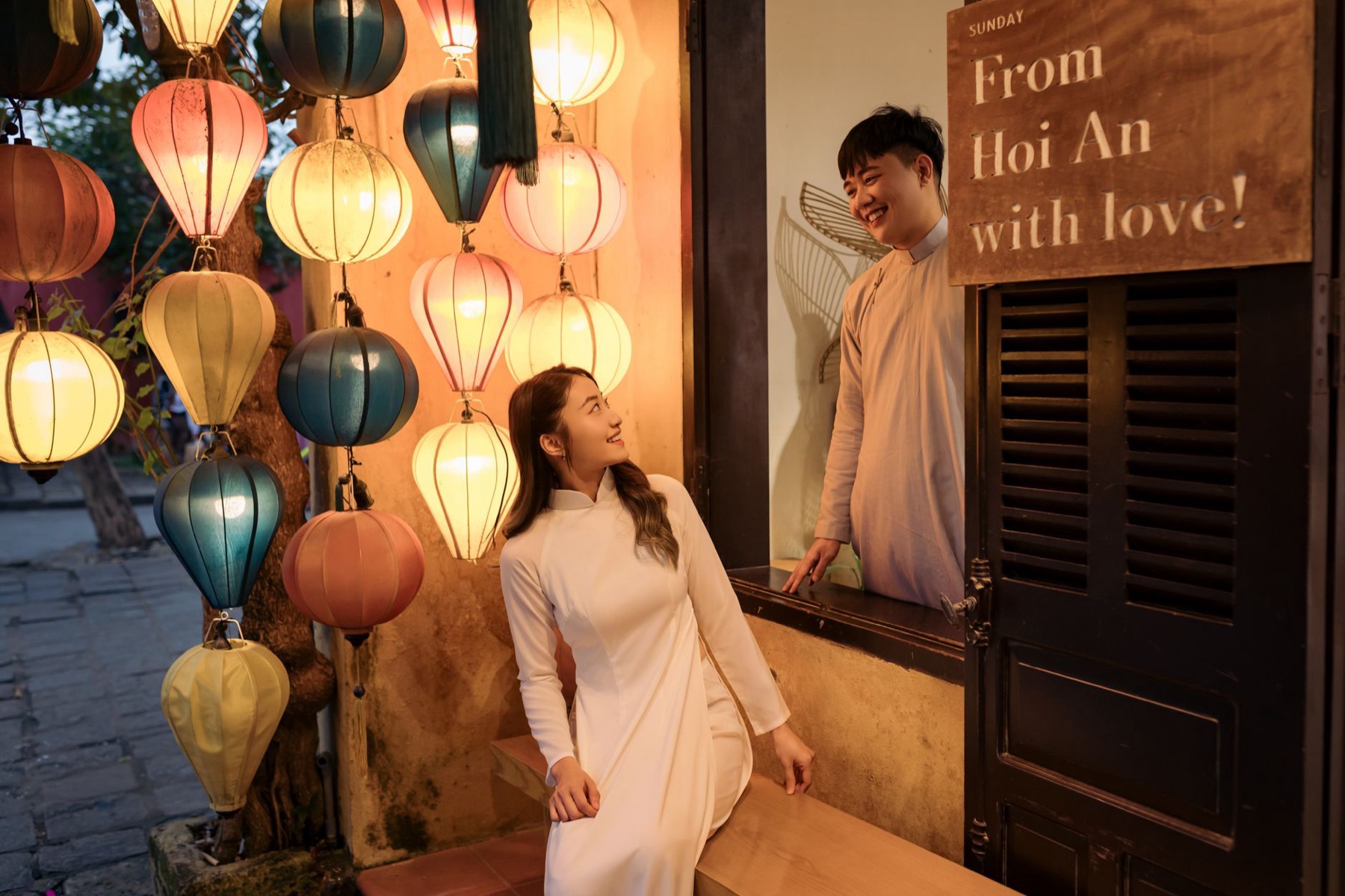
📸 Book an ao dai photoshoot in Hanoi or Saigon (Cáo Studio)
Which season offers the best value for accommodation and tours?
April–May and August–September see 20–35% discounts on guesthouses and multi-day tours (based on typical market rates for 2-star and 3-star properties). Tailor custom áo dài fittings cost less; cooking classes fill slowly, so you'll negotiate group rates. Winter (Dec–Feb) reverses this: a basic double room hits 25–30 USD/night instead of 15–18 USD; full-day craft tours or photo walks climb 10–15%. If budget is tight, visit late April (post-Tet holidays) or September—you'll trade perfect weather for better rates and more breathing room with artisans and restaurant staff.
🎟️ Compare tours & tickets for this place
---
Packing Essentials Matched to Your Season
When you land in Hoi An, the right gear sets the tone. A compact packing set keeps clothes organized and dry; moisture-absorbing pouches prevent fabric mildew during humid months. Travel-size toiletries (sunscreen, lip balm with SPF) take up one small cube. A lightweight day backpack with water bottle slots lets you roam the Ancient Town and nearby villages without returning to your room.
For cultural visits, loose, knee-covering clothing respects local norms. Temples and pagodas—especially in nearby villages—expect modest dress; a long scarf or shawl (compact, breathable) serves double duty as sun protection. Consider a star map or engraved keepsake box from our gifts & souvenirs collection to memorialize your trip—Hoi An dates matter (arrival, first lantern viewing, departure), and a personalized piece becomes a real memory anchor.
Timing your visit to Hoi An is as much about what you pack as when you arrive. A mid-October trip pairs perfect weather with lower costs; a February return offers the same comfort with fewer crowds. Neither requires a heavy suitcase—quality, seasonal basics and a good packing system beat bulk every time.
---
What to Check Before You Book Your Hoi An Trip
- Monsoon maps & flood alerts: Check the Quang Nam provincial weather office or your embassy's travel advisories for September–October overflow events; riverside guesthouses flood first.
- Visa lead time: Vietnam e-visa processing takes 1–3 days; submit 5 days before travel to avoid delays.
- Accommodation confirmations: Book 6–8 weeks ahead for October–December and February–March; use deposits to lock rates early.
- eSIM or local SIM: Grab a Vietnam eSIM before arrival to stay connected during walking tours and river trips.
- Craft workshop availability: Call ahead to tailor shops and lantern makers; they book group tours 2–3 weeks in advance during peak season.
- Return flights: Book domestic flights to/from Da Nang (30 km south) 3–4 weeks ahead; November–March rates climb 20–30%.
---
Extend Your Vietnam Trip: Nearby Destinations
From Hoi An, Ninh Binh (2 hours south by minibus) offers karst scenery and quieter temples. Ha Long Bay requires a 6–8 hour drive north but ranks among Vietnam's must-sees. If you're in the region, consider our Vietnam itinerary planner to thread Hoi An into a 10–14 day route alongside Hanoi and Ho Chi Minh City or Sapa for mountain trekking.
---
FAQ
Is November or December better for visiting Hoi An?
November offers mild weather (22–25°C) and moderate crowds; December is warmer (24–28°C) but busier and 15–20% pricier. Choose November for comfort and slightly lower prices, December for warmer days and vibrant holiday atmosphere.
Can I visit Hoi An in July or August?
Yes, but expect daily afternoon rain, 32–35°C heat, and 85%+ humidity. Prices drop significantly (often 25–30% off peak rates), making it ideal for budget travelers. Pack waterproof gear and plan indoor activities (cooking classes, tailoring) during peak rainfall hours.
What's the cheapest time to visit Hoi An?
May, August, and September offer the lowest rates—rooms at 12–16 USD/night, tours discounted 20–30%. The trade-off is heat (28–35°C), humidity, and afternoon rains. Early May and late September have the best weather-to-price ratio before peak season.
Do I need to book accommodation weeks in advance?
For October–December and February–March, yes—book 6–8 weeks ahead to secure preferred guesthouses and avoid 20–30% peak-season markups. For April–May or August–September, 2–3 weeks is usually sufficient.
What's the best month for lantern festivals in Hoi An?
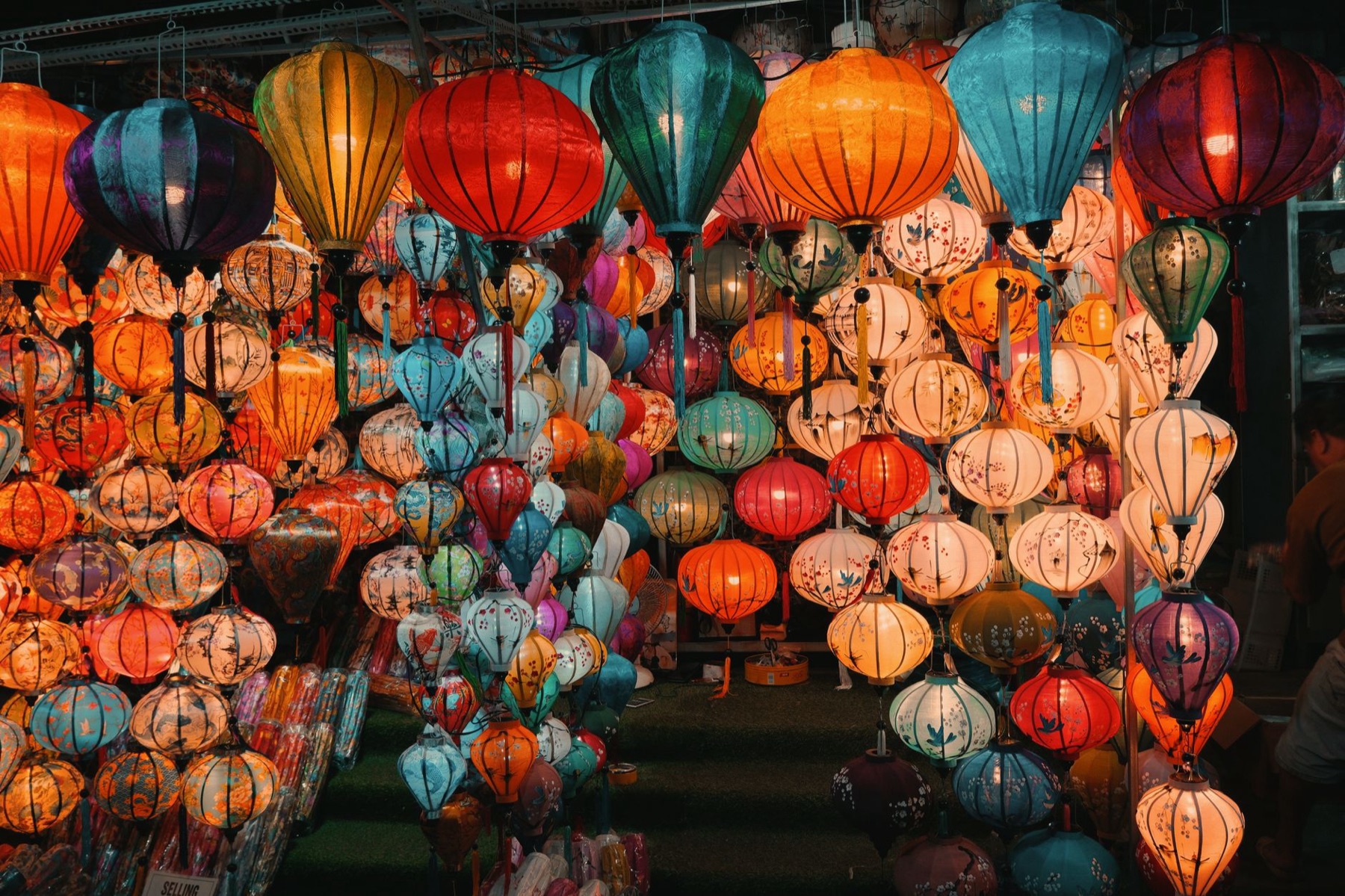
Lantern festivals (full-moon nights) occur year-round and are never crowded. Mid-autumn festival (late August/early September) is the most famous but hottest. October through March offers festival atmosphere with comfortable walking weather.
FAQ
Is November or December better for visiting Hoi An?
November offers mild weather (22–25°C) and moderate crowds; December is warmer (24–28°C) but busier and 15–20% pricier. Choose November for comfort and slightly lower prices, December for warmer days and vibrant holiday atmosphere.
Can I visit Hoi An in July or August?
Yes, but expect daily afternoon rain, 32–35°C heat, and 85%+ humidity. Prices drop significantly (often 25–30% off peak rates), making it ideal for budget travelers. Pack waterproof gear and plan indoor activities (cooking classes, tailoring) during peak rainfall hours.
What's the cheapest time to visit Hoi An?
May, August, and September offer the lowest rates—rooms at 12–16 USD/night, tours discounted 20–30%. The trade-off is heat (28–35°C), humidity, and afternoon rains. Early May and late September have the best weather-to-price ratio before peak season.
Do I need to book accommodation weeks in advance?
For October–December and February–March, yes—book 6–8 weeks ahead to secure preferred guesthouses and avoid 20–30% peak-season markups. For April–May or August–September, 2–3 weeks is usually sufficient.
What's the best month for lantern festivals in Hoi An?
Lantern festivals (full-moon nights) occur year-round and are never crowded. Mid-autumn festival (late August/early September) is the most famous but hottest. October through March offers festival atmosphere with comfortable walking weather.
More: Hoi An travel guide