Hoi An
Best temples and pagodas in Hoi An: spiritual sites to visit
By Wander in Vietnam editorial team · Hanoi, Vietnam
Hoi An holds over a dozen active temples, pagodas, and ancestral chapels scattered across the Old Town and surrounding wards. Most are free or donation-based; visits take 20–45 minutes each. Key sites include Phước Lâm Pagoda (Cù Lao ward, working Buddhist temple), Hội quán Phúc Kiến (46 Trần Phú, 17th-century Chinese assembly hall with shrine), Tran Family Chapel (21 Lê Lợi, multi-generational home shrine), and Quan Công Miếu (24 Trần Phú, 1653 shrine to Guan Yu). Wander in Vietnam recommends visiting dawn or late afternoon to avoid tour groups, removing shoes or hats indoors, and leaving small donations. Avoid loud photography or eating near altars. Most close midday (11 a.m.–2 p.m.) for lunch and prayer.
Hoi An's temples and pagodas are not monuments frozen in time—they're working spiritual spaces where families pray, monks chant, and incense smoke rises daily. Unlike the grand pagodas of Hanoi or Ho Chi Minh City, Hoi An's shrines are intimate, embedded in Old Town alleyways and residential courtyards. Each tells a story of Chinese settlement, Vietnamese faith, and French-period adaptation. To visit respectfully and understand what you're seeing, you need specifics: which sites allow photography, when crowds clear, what ritual you might witness, and how to time a pilgrimage route.
Why do some Hoi An temples charge entry while others are free?
Hội quán Phúc Kiến (46 Trần Phú, Minh An ward) and Tran Family Chapel (21 Lê Lợi) operate on a managed-access model: around 40,000–80,000 VND per person (roughly $1.60–$3.20 USD). They employ staff, maintain buildings, and offer guided context. Phước Lâm Pagoda, Quan Công Miếu, and smaller family shrines operate on donation alone—drop 10,000–50,000 VND into collection boxes if you wish. Nhà thờ Công giáo Hội An (Catholic church, 106 Nguyễn Trường Tộ) and Nhà thờ Tin lành Hội An (Protestant chapel, 114 Phan Châu Trinh) are free; they're active parishes, not tourist attractions. Sites with paid entry fund restoration, English signage, and staff presence; free sites rely on visitor respect and local stewardship.

Which temples actually host working worship and where can you observe it?
Phước Lâm Pagoda (Cù Lao ward) is a functioning Buddhist monastery where monks chant daily—visit before 10 a.m. or after 3 p.m. to see rituals. Quan Công Miếu (24 Trần Phú, Minh An ward), built in 1653, draws locals during Lunar New Year and on the 1st and 15th of each month (lunar calendar). Hội quán Phúc Kiến (46 Trần Phú) hosts ancestor veneration ceremonies during Tet and community gatherings year-round. The Catholic church holds Mass daily at 5:30 a.m. and 5 p.m.; Protestant services occur Sundays at 9 a.m. Miếu bà chúa Ngọc (Hai Bà Trưng ward, a small goddess shrine) draws women seeking blessings, especially in the morning. Visiting during active worship offers authenticity but requires silent observation and no flash photography.
What's the real difference between Hội quán Phúc Kiến, Tran Family Chapel, and Quan Công Miếu?
| Site | Original purpose | Who it's for | Time needed | Photogenic | Best time |
|---|---|---|---|---|---|
| Hội quán Phúc Kiến | 1740s Chinese merchant assembly hall & shrine | Architecture lovers, cultural historians | 30 min | Red lanterns, carved wood altars | 7–8 a.m., 4–5 p.m. |
| Tran Family Chapel | Multi-generation family worship room (15th c. home) | Family history buffs, genealogy travelers | 25 min | Intimate domestic altar, narrow stairs | Morning light, 8–10 a.m. |
| Quan Công Miếu | 1653 warrior-deity shrine (Chinese settlers) | Spiritual pilgrims, incense ritual observers | 20 min | Gilt statues, smoke atmosphere | 1st/15th lunar; dawn |
Hội quán Phúc Kiến impresses with scale—a two-story assembly building with ornate wood carvings and a central altar. Tran Family Chapel is a lived-in home shrine on a quiet alley; you climb narrow stairs through a merchant family's centuries-old residence. Quan Công Miếu is smaller, more austere, but historically precise and actively honored by locals. Budget around 40,000 VND for entry to the first two; Quan Công Miếu suggests 20,000 VND donation. All three avoid midday; arrive 7–9 a.m. or 4–6 p.m.
🗺️ Plan your route: Vietnam itinerary
Which pagodas and chapels should first-time visitors prioritize if time is short?
If you have two hours in Hoi An, visit Hội quán Phúc Kiến first (30 min, most visually striking), then Quan Công Miếu (20 min, oldest and most revered locally), then walk Tran Family Chapel (25 min, most intimate). Skip only if crowds are overwhelming; tour groups typically clear by 9:30 a.m. Phước Lâm Pagoda works if you're staying in Cù Lao ward or visiting Hoi An for a full day. Nhà thờ Công giáo Hội An and Nhà thờ Tin lành Hội An are worthwhile only if you're interested in French-colonial-era Christianity or attending services. Văn chỉ Minh Hương (20 Phan Châu Trinh) is a small, lesser-known family shrine; skip unless you're doing a deep-dive walk. Chùa Phước Lâm, Chùa Pháp Bảo (673 Hai Bà Trưng), and Miếu bà chúa Ngọc (Hai Bà Trưng) are local meditation and prayer sites with minimal English signage—rewarding for patient explorers, skip for rushed visits.
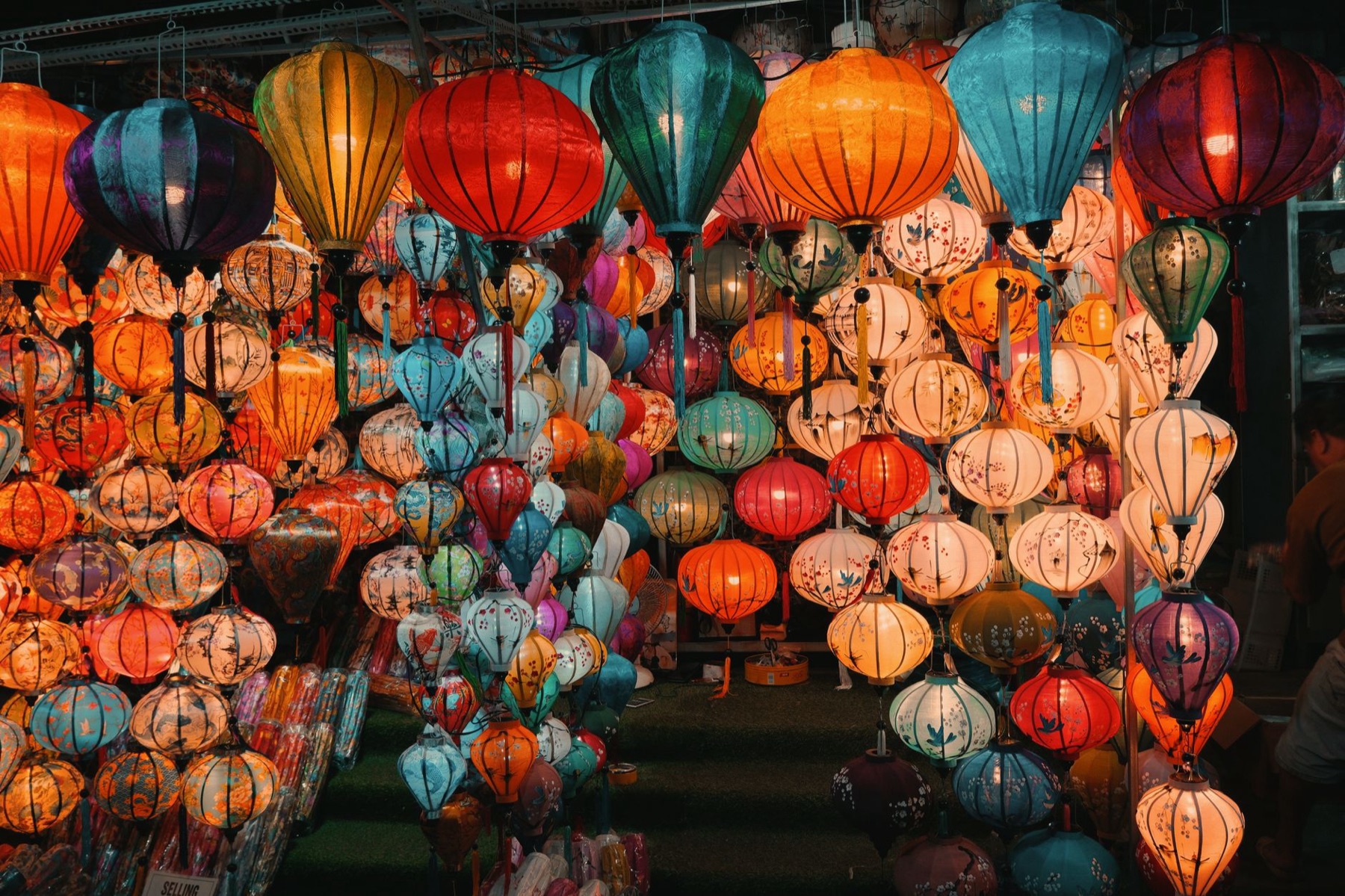
How do you avoid tour groups and experience Hoi An's temples authentically?
Arrive between 6:30–8 a.m., before domestic and international coach tours converge, or after 4 p.m. when groups depart. Most temples close or go quiet 11 a.m.–2 p.m. for staff lunch and midday prayers; use this window to visit smaller chapels. Hire a local guide (available through your hotel, around 200,000–400,000 VND for half a day / $8–$16 USD) who knows staff and can time visits around worship. Wear modest clothing (long trousers or skirts, covered shoulders) to show respect and avoid friction. Leave your phone on silent and ask permission before photographing altars or people. Donate visibly—locals notice—and this grants you quieter, longer access. Skip Hội quán Phúc Kiến on weekends if you dislike crowds; weekday early mornings are near-empty.
📸 Book an ao dai photoshoot in Hanoi or Saigon (Cáo Studio)
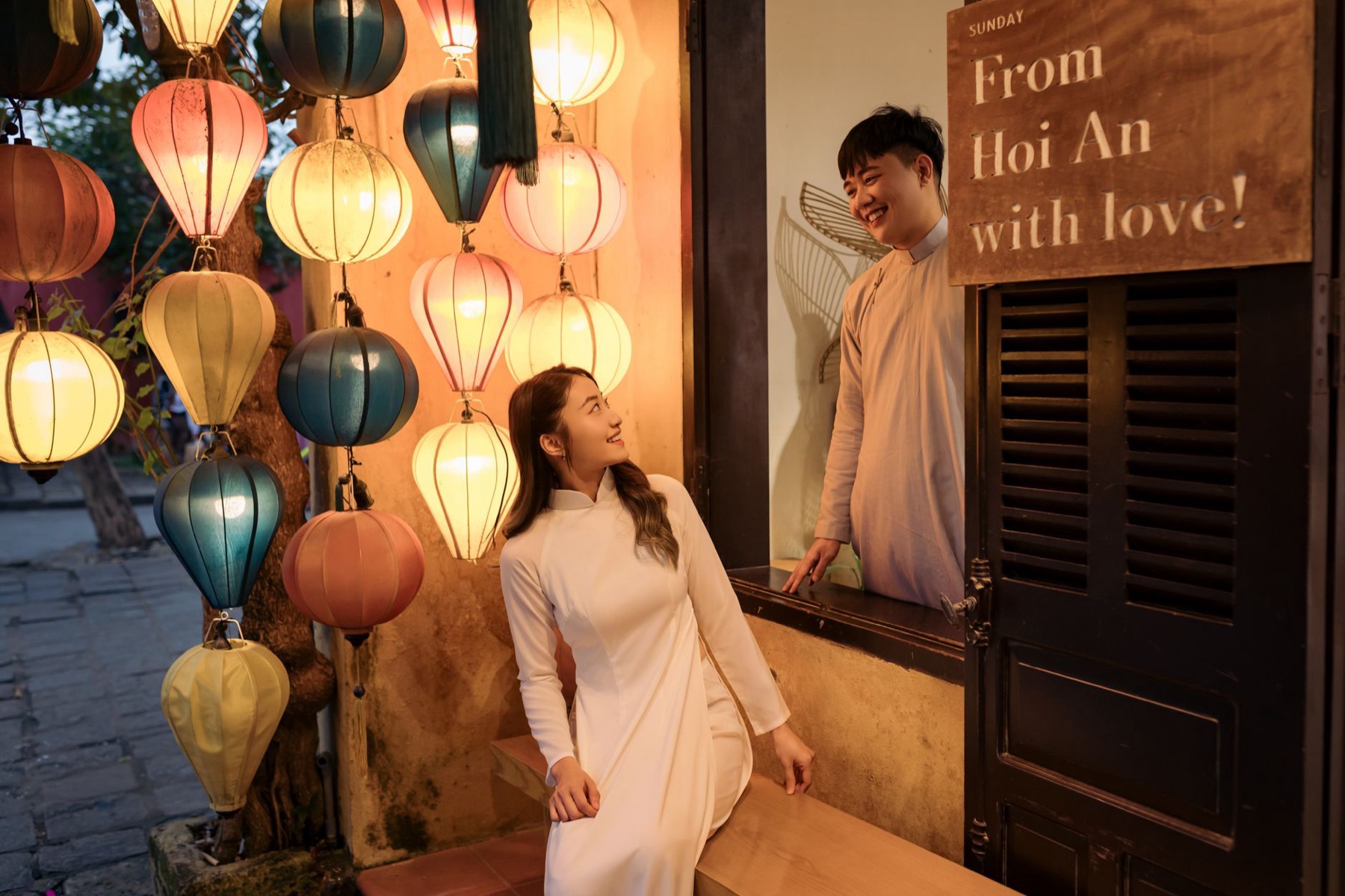
Many travelers want to photograph themselves in traditional áo dài at temple sites. Cáo Studio (based in Hanoi and Saigon) offers áo dài rental, hair, makeup, and professional photos; you can arrange a session in Hanoi before traveling to Hoi An, then wear the outfit at Hoi An temples for personal photos. Alternatively, rent an áo dài locally in Hoi An's Old Town (around 100,000–200,000 VND per day / $4–$8 USD) and visit temples solo.
What should you check before booking a temple tour or visit?
- Confirm opening hours via your hotel or Hoi An guide—some sites close unpredictably for ceremonies or maintenance.
- Check lunar calendar dates (many temples honor spirits on the 1st and 15th month; see more in the Vietnam itinerary planner) if you want to witness active worship.
- Verify photography rules—most allow phone photos of exteriors and common areas; altars, ritual objects, and people require explicit permission.
- Know what to wear: closed-toe shoes or bare feet indoors; no shorts, sleeveless tops, or hats inside. Women should not enter some altar rooms during menstruation (traditional belief—sites won't enforce, but it shows respect).
- Bring cash for donations (50,000 VND / ~$2 USD is standard for a medium-sized shrine).
- Don't assume English guidance—most staff speak Vietnamese and Chinese; hire a guide if context matters to you.
- Avoid peak hours: 10 a.m.–3 p.m. is tourist traffic; 7–9 a.m. and 4–6 p.m. are peaceful.
🎟️ Compare tours & tickets for this place
If you'd rather join a structured morning temple walk, check tour platforms for "Hoi An spiritual heritage tour" or "Hoi An pagoda walk" options starting at 7 a.m. Costs range around 250,000–400,000 VND ($10–$16 USD) including guide and entry fees. Verify the tour includes Quan Công Miếu and Hội quán Phúc Kiến before booking; some tours are too rushed or skip the best sites.
Comparing cultural experience: Hoi An temples vs. other Vietnam destinations
Hoi An temples differ markedly from Hanoi's scale and Ho Chi Minh City's density. In Hanoi, the Temple of Literature (1070, educational Confucian site) and One Pillar Pagoda attract hundreds daily. Ho Chi Minh City temples are sprawling modern compounds. Hoi An's advantage is intimacy: you share a shrine room with a handful of worshippers, not a tour mob. If you're doing a full Vietnam itinerary, Hoi An temples complement Ha Long Bay or Ninh Binh pagoda visits by showing you private faith, not monument tourism. For deeper spiritual immersion, Sapa offers trekking to minority ancestral shrines, and Hoi An offers lived urban worship—choose based on your mood.
---
FAQ
Are Hoi An temples free to enter?
Most are donation-based (10,000–50,000 VND suggested). Hội quán Phúc Kiến and Tran Family Chapel charge around 40,000–80,000 VND per person. Catholic and Protestant churches are free; all welcome respectful visitors regardless of faith.
Can I photograph inside temples?
Ask staff or locals first. Exteriors and common areas are usually fine. Avoid flash on altars, statues, or people in prayer. Many sites allow silent phone photography; tripods and professional gear require explicit permission.
What time of day is best to visit?
Dawn (6:30–8 a.m.) before tour groups, or late afternoon (4–6 p.m.) after they leave. Midday (11 a.m.–2 p.m.) temples are quietest but staff may be on lunch break.
Do I need to remove my shoes?
Yes, inside chapels and main altar rooms. Wear socks or come barefoot. Porches and outer courtyards usually allow shoes; ask staff.
What's the difference between a pagoda, a temple, and a shrine?
Pagodas (chùa) are Buddhist monasteries with monks. Temples (miếu) honor specific deities or ancestors, often run by lay caretakers. Chapels (nhà thờ họ) are family worship rooms. Hoi An has all three; the names on signage reflect their function.
How long does a typical temple visit take?
20–30 minutes for a small shrine, 30–45 minutes for a mid-sized pagoda or assembly hall. Allow 2–3 hours if visiting three major sites with walking time.
FAQ
Are Hoi An temples free to enter?
Most are donation-based (10,000–50,000 VND suggested). Hội quán Phúc Kiến and Tran Family Chapel charge around 40,000–80,000 VND per person. Catholic and Protestant churches are free; all welcome respectful visitors regardless of faith.
Can I photograph inside temples?
Ask staff or locals first. Exteriors and common areas are usually fine. Avoid flash on altars, statues, or people in prayer. Many sites allow silent phone photography; tripods and professional gear require explicit permission.
What time of day is best to visit?
Dawn (6:30–8 a.m.) before tour groups, or late afternoon (4–6 p.m.) after they leave. Midday (11 a.m.–2 p.m.) temples are quietest but staff may be on lunch break.
Do I need to remove my shoes?
Yes, inside chapels and main altar rooms. Wear socks or come barefoot. Porches and outer courtyards usually allow shoes; ask staff.
What's the difference between a pagoda, a temple, and a shrine?
Pagodas (chùa) are Buddhist monasteries with monks. Temples (miếu) honor specific deities or ancestors, often run by lay caretakers. Chapels (nhà thờ họ) are family worship rooms. Hoi An has all three; the names on signage reflect their function.
How long does a typical temple visit take?
20–30 minutes for a small shrine, 30–45 minutes for a mid-sized pagoda or assembly hall. Allow 2–3 hours if visiting three major sites with walking time.
More: Hoi An travel guide