Hoi An
Hoi An Travel Guide: What to Do, See & Where to Stay
By Wander in Vietnam editorial team · Hanoi, Vietnam
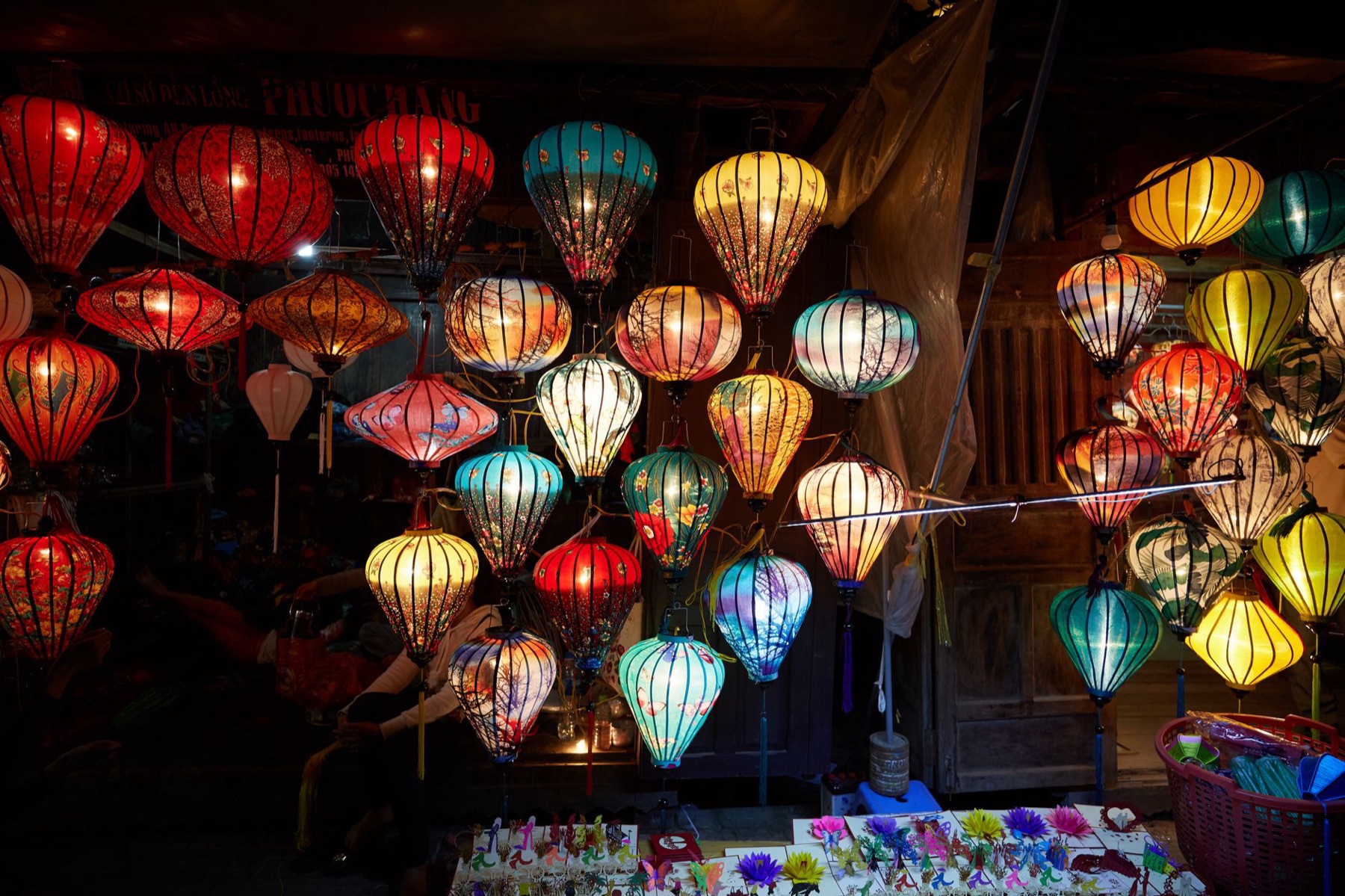
Hoi An is a small riverside town in Quang Nam Province, central Vietnam, 30 km south of Da Nang. The Old Town—a 15th-century trading port—sits on the Thu Bon River and covers roughly 20 city blocks, walkable in 2–3 hours. Most travelers spend 1–2 days here. UNESCO-listed streets are car-free; entry to the town costs around 120,000 VND (~$5 USD) for a combined ticket covering five heritage sites (Assembly Hall, Museum of Trading Ceramics, Old House, Cantonese Assembly Hall, Japanese Covered Bridge). You can skip the ticket and walk the streets free, but you won't enter the formal museum buildings. Don't miss: tailors (expect 2–4 days for garments, 400,000–1,500,000 VND / ~$16–60 USD for trousers or áo dài), the riverside night market (lanterns lit from 6 p.m.), and nearby beaches (Cua Dai, An Bang). Wander in Vietnam travelers often overspend on overpriced tourist restaurants near the bridge; local family-run spots in side alleys cost half the price. 🗺️ Plan your route: Vietnam itinerary
Is Hoi An worth a stop on a Vietnam trip?
Yes, but not for the reasons most guidebooks sell. The Old Town's charm is real—narrow lanes, absence of motorbikes, and genuine artisan workshops set it apart from Hanoi or Ho Chi Minh City. However, the central tourist drag (around the Japanese Bridge and Tan Ky House) is now crowded and inflated in price. The honest take: spend one night, walk early (before 8 a.m.) or late (after 6 p.m.), eat away from riverside, and hunt for tailors in less obvious alleys. If you're on a tight schedule and have already seen Old Towns in Southeast Asia, Hoi An is skippable. It fits best between Da Nang (beaches, Marble Mountains) and Nha Trang or Dalat if you're traveling north-to-south.

What's the best time to visit Hoi An?
September to March is optimal: dry weather, manageable crowds (though never quiet), and lantern-lighting ceremonies every full moon and 14th lunar day. June to August brings monsoon rain—expect 200+ mm monthly—and backpacker mobs. Avoid Chinese New Year (Jan/Feb lunar calendar) unless you love shoulder-to-shoulder tourism; prices spike 30–50%. April and May are hot (32–35°C) but less crowded. We find October–November the sweet spot: cool, dry, fewer tour groups than December.
Where should you actually stay in Hoi An?
The Old Town itself is cramped and noisy after dark (bars blaring, motorbikes in side streets despite the "car-free" label). Family-run guesthouses in the town center run 300,000–600,000 VND (~$12–24 USD) per night; mid-range boutique hotels further north or south cost 600,000–1,500,000 VND (~$24–60 USD). Beach options (Cua Dai, An Bang) are quieter but 4–5 km away; motorbike-taxi (xe ôm) rides cost around 50,000–100,000 VND (~$2–4 USD). Skip hyper-touristy hotel-branded names near the Bridge; look for family-owned places on side streets (ask locals in coffee shops for recommendations). Booking platforms often overprice Hoi An; ask directly at the guesthouse desk for walk-in rates, which can be 15–20% lower.
📸 Book an ao dai photoshoot in Hanoi or Saigon (Cáo Studio)
How much will Hoi An actually cost you?
| Category | Budget | Mid-range | What matters |
|---|---|---|---|
| Guesthouse (1 night) | 250k–400k VND (~$10–16) | 600k–1.2M VND (~$24–48) | Location (Old Town = loud) |
| Meal (local pho/banh mi) | 30k–50k VND (~$1.20–2) | 80k–150k VND (~$3.20–6) | Tourist alleys cost 3× |
| Tailor garment (trousers) | 400k–600k VND (~$16–24) | 800k–1.2M VND (~$32–48) | Quality & fit vary wildly |
| Lantern/souvenir | 30k–80k VND (~$1.20–3.20) | 100k–250k VND (~$4–10) | Handmade beats imports |
| Day trip (boat tour) | 150k–250k VND (~$6–10) | 300k–500k VND (~$12–20) | Book direct, skip agents |
A reasonable two-day budget (guesthouse, food, markets, one tailor order, no extra tours): 1.5–2.5 million VND (~$60–100 USD) for one person. Families can eat together and share transport; couples can negotiate guesthouse rates. The town's inflation is real: the same bowl of cao lau (local noodle dish) costs 50,000 VND on a side street and 120,000 VND three blocks toward the river.
What's worth your money and what isn't?
Worth it:
- Local tailor consultations (free; order only if the fit preview feels right).
- Pre-dawn or post-dusk walks (same town, no crowds, no ticket needed).
- Cao lau and banh mi from family stalls (under 60,000 VND / ~$2.40 USD).
- Silk lantern workshops (interactive, 30–60 min, 100,000–150,000 VND / ~$4–6 USD).
- Cycling to Cua Dai or An Bang beaches (bike rental ~50,000 VND / ~$2 USD per day).
Overpriced and skippable:
- Guided "Old Town walking tours" (100,000–200,000 VND / ~$4–8 USD for routes you can walk free).
- Riverside dinner restaurants (3–5× markup; the view is the same from free riverside walking paths).
- Tourist-trap silk shops near the Bridge (mass-imported; same scarves in Da Nang night market, cheaper).
- "Cooking classes" in hotel kitchens (awkward, pricey; eat street food instead and watch locals).
- Entry-ticket "combo packages" if you only want to walk—pay nothing, see everything from outside.
Scams to sidestep:
- Motorbike-taxi drivers quoting inflated fares; agree on price before boarding (genuine Hoi An rides under 100,000 VND).
- Tailors promising "ready tomorrow"—quality suffers; 3–5 days is normal.
- Fake silk (feel the fabric; real mulberry silk has weight and sheen; rough synthetics are obvious).
- Unmarked "tour guide" approaches (usually steering you to their cousin's shop for commission).
---
Day-by-day itinerary framework
Day 1 (morning–early evening): Arrive from Da Nang (30 km, 30–45 min bus or motorbike, 30,000–60,000 VND / ~$1.20–2.40 USD). Check in. Walk Old Town 7–9 a.m. (fewer crowds). Eat breakfast at a pho stall. Browse Assembly Hall and Japanese Bridge (free to walk outside; 30,000 VND / ~$1.20 USD per building if entering). Lunch at a local noodle shop. Afternoon: visit two or three tailor shops; take measurements and samples home (no pressure to order). Return at dusk; lanterns light around 6 p.m. Dinner at a family restaurant away from the riverside.
Day 2 (early morning–afternoon): Sunrise walk or rent a bike to Cua Dai Beach (4 km, 20 min). Swim or walk the shore. Return for late breakfast. Spend midday at the night market (open 8 a.m.–2 p.m. for souvenirs, despite its name). Afternoon pottery workshop or silk-lantern class if interested (book ahead via your guesthouse). Evening: final walk, check on tailors' progress if you ordered. Depart for Da Nang or next destination (Hue, Nha Trang, or back to Da Nang for flights).
---

How to get there and onwards
From Da Nang Airport: 40 km, 45 min–1 hour by bus (100,000 VND / ~$4 USD, departs every 30 min from the airport bus station) or motorbike taxi (150,000–250,000 VND / ~$6–10 USD). Avoid Grab/ride-hailing markup; the official airport bus is more reliable.
To Hue (northbound): 120 km, 3–4 hours by bus (120,000–180,000 VND / ~$5–7 USD). Minibuses depart from Hoi An bus station (Cau Noi Dai, near the central market) every 1–2 hours.
To Nha Trang (southbound): 360 km, 6–8 hours by bus (250,000–400,000 VND / ~$10–16 USD). Direct buses run early morning and afternoon.
To Dalat (inland): 200 km, 5–6 hours (250,000–350,000 VND / ~$10–14 USD). Scenic but winding road; take morning buses to avoid afternoon sickness.
Within Hoi An: Walk everywhere in the Old Town (no vehicles allowed; it's 1 km×1 km). Motorbike rentals for beach trips cost around 80,000–150,000 VND (~$3.20–6 USD) per day; drivers' licenses not always checked but legally required. Xe ôm (motorbike taxis) for short hops: agree on fare first (30,000–80,000 VND / ~$1.20–3.20 USD).
---
🎟️ Compare tours & tickets for this place
What to bring and what to skip
Essentials:
- Lightweight, breathable clothing (rayon, linen). Long sleeves for sun protection and temple visits.
- Comfortable walking shoes; Hoi An's cobblestones are uneven.
- Sunscreen and hat (sun reflects off the river).
- VND cash (ATMs exist but charge high fees; withdraw at Da Nang airport or major cities first).
- Unlock code or roaming plan; eSIM options for Vietnam work well in town.
Don't waste space:
- Guidebook printouts (your phone maps work offline; download a Google Maps screenshot or use Maps.me).
- Formal wear (only if dining at one upscale restaurant; casual is the norm).
- Cologne or perfume (lantern-lit streets are already aromatic; insect repellent matters more).
---
Gifts and keepsakes to bring home
If you want to bring home something genuine—not a mass-produced souvenir—consider these types of items:
From local artisans (not scalper shops):
- Handmade silk lanterns: Buy directly from workshop owners on side streets, not the tourist-facing retailers. Around 80,000–200,000 VND (~$3.20–8 USD) for a small 20 cm lantern; larger ones 300,000–500,000 VND (~$12–20 USD).
- Custom tailored garment: Commission an áo dài (traditional tunic), shirt, or trousers from a reputable tailor you visit in person. Budget 400,000–1,500,000 VND (~$16–60 USD) for quality; expect 3–5 days. Silk áo dài run higher than cotton.
- Ceramics or lacquerware: Small bowls, coasters, or decorative boxes, handcrafted in local workshops. Check quality before paying; expect 50,000–300,000 VND (~$2–12 USD).
- Embroidered textiles: Wall hangings or cushion covers with local motifs. Handmade versions (not printed) cost 150,000–400,000 VND (~$6–16 USD).
For personalized keepsakes—engraved boxes, star maps, or custom prints tied to your Hoi An visit—explore personalized gift collections that capture the memory in a way mass-market souvenirs cannot.
---
Before you book: a honest checklist
- [ ] Check the lunar calendar. Full moon festivals and 14th lunar day celebrations pack the Old Town. Plan around them or embrace the energy.
- [ ] Confirm tailor turnaround. If you need garments before leaving Vietnam, ask the tailor for a guaranteed finish date in writing (or photos via messaging).
- [ ] Book guesthouses directly. Call or email the place itself; you'll often get 10–15% off online rates and can ask about quiet rooms.
- [ ] Rent a motorbike only if comfortable. Traffic around Hoi An is light, but road rules are loose; walking or xe ôm is safer.
- [ ] Eat where locals eat. If a restaurant has no Vietnamese customers at lunch, it's tourist-priced. Walk past the riverside; the real food is two blocks back.
- [ ] Bring small VND notes. Many family stalls and xe ôm drivers lack change machines for large bills.
- [ ] Leave a half-day buffer. Tailors run late, buses get delayed. If you have a flight out of Da Nang, don't book a morning departure on your last day.
---
🗺️ Plan your route: Vietnam itinerary | 📸 Book an ao dai photoshoot in Hanoi or Saigon (Cáo Studio)
---
What's nearby: day trips worth the motorbike ride
- Da Nang (30 km north, 45 min): beaches, Marble Mountains, Han Market. Covered by a morning bus or evening return trip.
- My Khe Beach (5 km east): cleaner than Cua Dai; fewer tourists; 20 min by bike.
- Cam Thanh Coconut Forest (10 km south): boat tours through mangrove channels, water puppetry. 150,000–300,000 VND (~$6–12 USD) per person.
- Tra Que Vegetable Village (3 km west): bike through organic gardens, eat fresh spring rolls at family homes. Free to explore; meals 40,000–80,000 VND (~$1.60–3.20 USD).
For a broader sense of central Vietnam, check our Ninh Binh guide and Ha Long Bay guide if you're building a longer regional loop.
FAQ
How many days do I need in Hoi An?
One night and a day is enough to walk the Old Town and grab a tailor order. Two days lets you breathe, visit a beach, and take a craft workshop. Three days is overkill unless you're ordering multiple garments.
Is Hoi An safe for solo travelers?
Yes. It's one of Vietnam's safest towns for solo visitors of any gender. Petty theft (pickpocketing) is rare; the main annoyance is vendors being persistent. Trust your instincts and avoid dark alleys late at night, as you would anywhere.
Can I really get a custom suit or dress in three days?
Quality tailors need 3–5 days minimum for a properly fitted garment. Some promise overnight delivery—avoid them; the seams will fail or the fit will be off. Order on day one, collect on day three or four, or have it shipped (allow 5–10 days).
Do I need a guide in Hoi An?
No. The Old Town is small, walkable, and signs are in English. Guides add cost and rush you through stops. If you want context, hire a guide for a half-day to specific sites (Assembly Hall, Japanese Bridge, ceramic museum) rather than a generic "Old Town tour."
What's the best souvenir that isn't a silk scarf?
Handmade silk lanterns, ceramic pieces from local potters, or a custom-tailored garment. Avoid mass-produced silk shops near the Bridge; they import from Thailand and resell at a mark-up. Lantern workshops and ceramic studios on side streets offer better value and stories.
Can I visit Hoi An without buying anything from tailors?
Absolutely. Browse, get a consultation, and walk away. Tailors understand many travelers are curious; there's no obligation. If the fit feels wrong or the price high, skip it. A beautiful memory of the town costs nothing.
FAQ
How many days do I need in Hoi An?
One night and a day is enough to walk the Old Town and grab a tailor order. Two days lets you breathe, visit a beach, and take a craft workshop. Three days is overkill unless you're ordering multiple garments.
Is Hoi An safe for solo travelers?
Yes. It's one of Vietnam's safest towns for solo visitors of any gender. Petty theft (pickpocketing) is rare; the main annoyance is vendors being persistent. Trust your instincts and avoid dark alleys late at night, as you would anywhere.
Can I really get a custom suit or dress in three days?
Quality tailors need 3–5 days minimum for a properly fitted garment. Some promise overnight delivery—avoid them; the seams will fail or the fit will be off. Order on day one, collect on day three or four, or have it shipped (allow 5–10 days).
Do I need a guide in Hoi An?
No. The Old Town is small, walkable, and signs are in English. Guides add cost and rush you through stops. If you want context, hire a guide for a half-day to specific sites (Assembly Hall, Japanese Bridge, ceramic museum) rather than a generic "Old Town tour."
What's the best souvenir that isn't a silk scarf?
Handmade silk lanterns, ceramic pieces from local potters, or a custom-tailored garment. Avoid mass-produced silk shops near the Bridge; they import from Thailand and resell at a mark-up. Lantern workshops and ceramic studios on side streets offer better value and stories.
Can I visit Hoi An without buying anything from tailors?
Absolutely. Browse, get a consultation, and walk away. Tailors understand many travelers are curious; there's no obligation. If the fit feels wrong or the price high, skip it. A beautiful memory of the town costs nothing.
More: Hoi An travel guide