Hoi An
Best Vietnamese Restaurants in Hoi An: Where to Eat Like a Local
By Wander in Vietnam editorial team · Hanoi, Vietnam
Hoi An's restaurant scene splits between tourist-facing establishments and genuine neighborhood spots where locals queue. The strongest choices cluster on Cửa Đại (beachfront, higher prices, modern fusion), Nguyễn Phúc Chu (compact, walkable, mid-range), and Phan Châu Trinh (traditional, budget-friendly, quieter). Expect mains from around 80,000–200,000 VND ($3–8 USD) at family-run places; upscale venues charge 250,000–450,000 VND ($10–18 USD). Skip the street-facing storefronts with laminated menus and staff outside ushering tourists in. Check if the kitchen is visible (a sign of transparency), whether rice is fresh, and if specials match the season. Wander in Vietnam recommends eating breakfast early (6–7 a.m.), lunch before noon, and dinner after 7 p.m. to find real customers, not tour groups. Allow 3–5 days to rotate through different neighborhoods and revisit favorites. 🗺️ Plan your Hoi An trip: Vietnam itinerary
Which Hoi An restaurants serve the best traditional dishes?
Phố Xưa (35 Phan Châu Trinh, Minh An) and Nhà Hàng Hành Là (1 Tra Que Village) anchor the traditional end: slow-cooked meats, crab noodle soup, and seasonal greens from nearby farms. Phố Xưa's interior mimics a 1950s village house; Hành Là sits at the entrance to Tra Que vegetable gardens, so greens arrive same-day. Both serve lunch and dinner; expect 120,000–180,000 VND ($5–7 USD) per person. Order the cao lầu (turmeric-stained noodles with pork) and bánh hoai (round, crispy pancakes) at Phố Xưa; request the crab and greens noodle soup at Hành Là if available. These venues close early (often 9 p.m.) and refill only with locals after 11 a.m. Traditional cuisine peaks during April–June and September–November.
Where should you go for cooking classes and market meals?
Vy's Market Restaurant & Cooking School (3 Nguyễn Hoàng) combines morning market tours with hands-on cooking. Classes run 9 a.m.–1 p.m. or 2–6 p.m.; groups cap at eight. You'll buy ingredients at the local market, prep in a home-style kitchen, then eat what you make. Cost ranges 250,000–350,000 VND ($10–14 USD) per person. Book 1–2 days ahead; they don't accept walk-ins. This suits travelers wanting to learn Hoi An's technique, not just eat. Similar half-day classes exist elsewhere, but Vy's kitchen is the most transparent about sourcing and portion sizes.
What's worth ordering at mid-range sit-down restaurants?
Morning Glory Signature (41 Nguyễn Phúc Chu), Nostalife (33/1 Nguyễn Phúc Chu), and Orivy (546 Cửa Đại) occupy the sweet spot: 150,000–250,000 VND ($6–10 USD) per main, clean interiors, English menus, and mostly local ingredients. Morning Glory's fish cakes and spring rolls are consistent; their vermicelli bowls let you build flavor yourself. Nostalife experiments with fusion (pumpkin curry, lemongrass salmon) but respects base flavors; dishes arrive hot and plated neatly. Orivy focuses on regional Vietnamese: crab-filled crepes, chicken in clay pot, beef in lemongrass. All three have wine lists and operate lunch and dinner daily; go 11:30 a.m.–1 p.m. or 6–7 p.m. to avoid crowds. Order water without ice if you have a sensitive stomach; ask "nước nóm không đá" to be clear.
Which spots mix neighborhood charm with Western comfort?
Havana (476 Cửa Đại) blends Cuban and Vietnamese in a renovated French shophouse; Café CitroNella (05 Nguyễn Thị Minh Khai) pairs coffee with light lunch. Havana's mojitos and pulled-pork tacos appeal to travelers fatigued by rice, though the hybrid menu dilutes authenticity—go for the Vietnamese plates (shrimp, caramelized fish) and skip the American sections. Expect 200,000–350,000 VND ($8–14 USD) per person. CitroNella serves espresso (around 50,000 VND / $2 USD), local pastries, and salads 7 a.m.–6 p.m.; it's a genuine third place where locals work on laptops, not a backpacker hub. Both have consistent service and clean bathrooms—assets when you're mid-tour.
Where do you eat authentic banh mi and cheap noodles?
Banh Mi Phuong (2B Phan Châu Trinh) is the anchor: Vietnamese sandwich wars have been fought over this spot for two decades. Order the classic (pâté, pork, pickled vegetables, cilantro, chili mayo) for around 35,000–50,000 VND ($1.40–2 USD). Arrive 11 a.m.–1 p.m. before the baguettes run out; the owner makes them fresh in-house twice daily. Minh Hien 2 (30a Đinh Tiên Hoàng) serves egg noodles and coffee to laborers and retirees; mains cost 40,000–70,000 VND ($1.60–3 USD). It opens 5 a.m.–11 a.m., then 3–8 p.m., and is closed Mondays. Green Heaven (25 Đường La Hối) offers vegetarian noodles and stir-fries for 60,000–100,000 VND ($2.40–4 USD); it suits ethical eaters and those needing a digestive break. None of these take credit cards; carry small notes.
Bale Well (45/51 Tran Hung Dao) sits between fast food and casual dining: phở, bánh mì, rice bowls, all around 80,000–140,000 VND ($3–5.50 USD). The broth is consistent, portions fair, and seating clean. Open 6 a.m.–10 p.m. daily. It's the fallback when you're tired and hungry, not a destination meal.
| Restaurant | Cuisine | Price/Main | Best for | Hours | Neighborhood |
|---|---|---|---|---|---|
| Phố Xưa | Traditional Vietnamese | 120–180k VND ($5–7) | Cao lầu, pork, ambiance | 11 a.m.–9 p.m. | Phan Châu Trinh, Minh An |
| Vy's Market | Vietnamese cooking class | 250–350k VND ($10–14) | Learning & eating | 9 a.m.–1 p.m. / 2–6 p.m. | Nguyễn Hoàng |
| Morning Glory Signature | Vietnamese | 150–250k VND ($6–10) | Spring rolls, vermicelli | 11 a.m.–10 p.m. | Nguyễn Phúc Chu |
| Nostalife | Asian fusion, Vietnamese | 150–250k VND ($6–10) | Curry, lemongrass fish | 11 a.m.–10 p.m. | Nguyễn Phúc Chu |
| Orivy | Regional Vietnamese | 150–280k VND ($6–11) | Crab crepes, clay pot | 11 a.m.–10 p.m. | Cửa Đại |
| Havana | Cuban–Vietnamese | 200–350k VND ($8–14) | Mojitos, Vietnamese plates | 11 a.m.–11 p.m. | Cửa Đại |
| Banh Mi Phuong | Bánh mì sandwich | 35–50k VND ($1.40–2) | Lunch, quick | 11 a.m.–1 p.m. | Phan Châu Trinh |
| Minh Hien 2 | Egg noodles, coffee | 40–70k VND ($1.60–3) | Breakfast, locals | 5–11 a.m. / 3–8 p.m. | Đinh Tiên Hoàng |
| Green Heaven | Vegetarian | 60–100k VND ($2.40–4) | Ethics, digestion | 10 a.m.–9 p.m. | Đường La Hối |
| Nhà Hàng Hành Là | Traditional, seasonal greens | 120–180k VND ($5–7) | Crab noodle soup | 11 a.m.–9 p.m. | Tra Que Village |
| Nhà Hàng Cafe CitroNella | Coffee, light lunch | 50–150k VND ($2–6) | Espresso, work | 7 a.m.–6 p.m. | Nguyễn Thị Minh Khai |
| Bale Well | Phở, bánh mì, rice | 80–140k VND ($3–5.50) | Quick, reliable | 6 a.m.–10 p.m. | Tran Hung Dao |
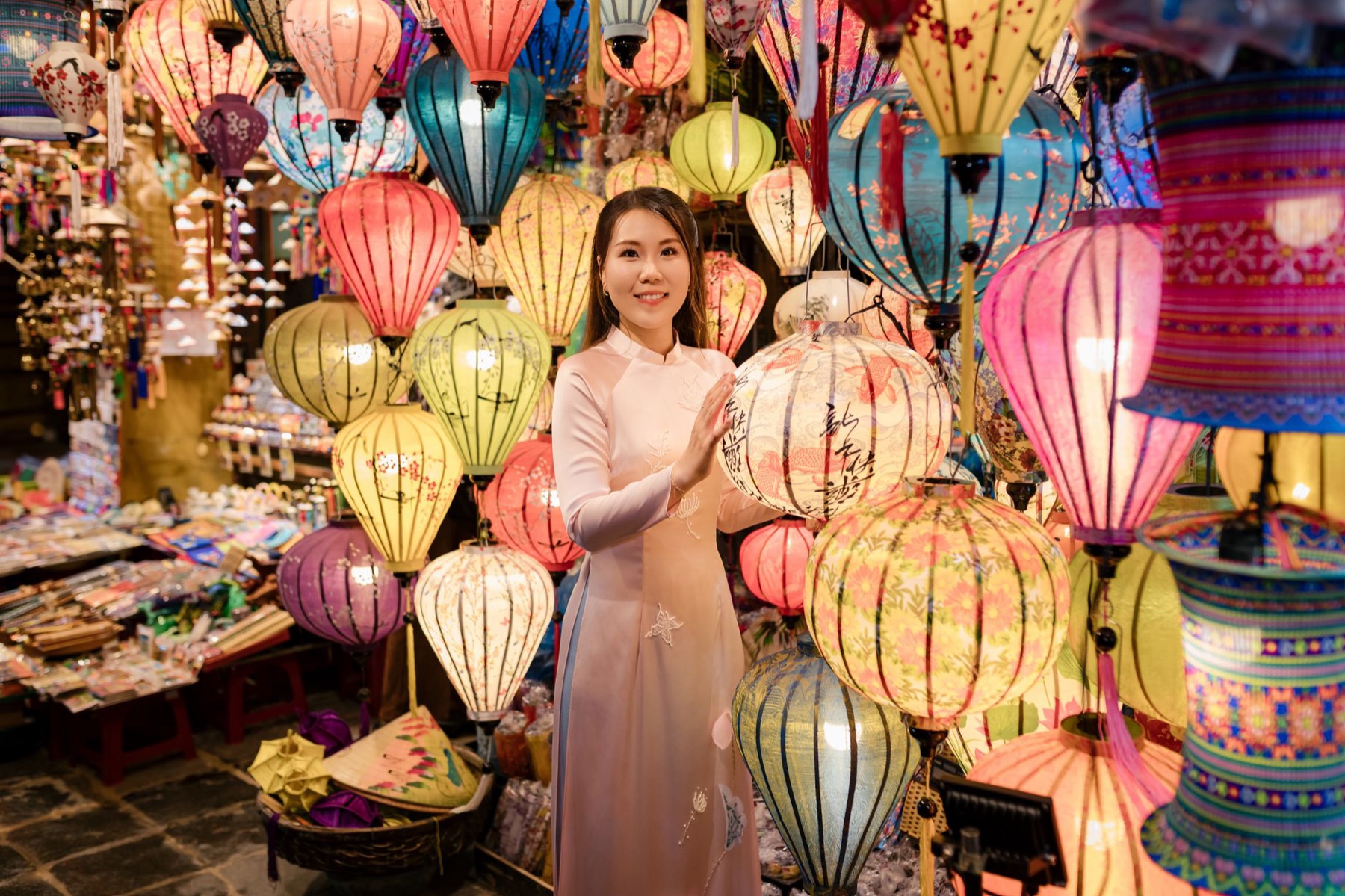
📸 Book an ao dai photoshoot in Hoi An (Cáo Studio)
What to check before you order: a practical checklist.
- Rice freshness: Ask if rice was cooked today. Old rice tastes musty and sits in the back of the warmer. Request a sample if skeptical.
- Broth clarity: In phở and noodle soups, clear broth means longer simmering; cloudy often signals shortcuts or low heat.
- Ingredient visibility: Can you see the kitchen or prep area? Hidden kitchens often recycle oil and re-serve.
- Pacing: Do dishes arrive too fast (reheated, not fresh-cooked) or take 20+ minutes (likely from scratch)? Aim for 8–12 minutes.
- Server knowledge: Ask what's fresh today or a personal recommendation. Vague answers or upselling suggest low engagement.
- Water source: Bottled water (nước suối) is safer than tap, but confirm it's sealed before opening. Ice made from tap water can cause traveler's stomach.
- Credit card processing: Smaller venues may add 3–5% surcharge or claim the machine is "broken." Agree on payment method upfront.
Scams and mistakes to skip.
Avoid restaurants with staff outside beckoning tourists; their food quality rarely matches the sales pitch, and bills inflate at the table. Skip "tourist menu" spots (laminated photos, inflated prices, no locals present). In Minh An and Tra Que Village, tour operators often direct groups to restaurants paying commissions—these venues overcharge and rush service. Don't assume English-language menus mean quality; use them to confirm prices before ordering, not to trust recommendation descriptions. If a dish seems unusually cheap, confirm portion size and freshness with a photo on your phone before eating. Avoid peak hours (noon–1 p.m., 7–8 p.m.) if you want a table without a wait or chef's full attention. Never leave valuables on chairs; pickpockets target foreign diners.
🎟️ Compare tours & tickets for Hoi An
When should you eat what: a seasonal rhythm.
April–May: Crab season. Order crab noodles at Phố Xưa and Hành Là; they're plump and sweet. Vegetables peak at Hành Là.
June–August: Heat peaks; eat early (6–7 a.m.) for phở, or skip hot soups and order cold vermicelli (bánh mì and cơm gà / chicken rice) instead.
September–November: Best overall season. Fresh fish, greens, and meats arrive daily. This is when to book cooking classes and explore all spots.
December–March: Cooler months suit broth-heavy soups. Chinese influences peak in some menus (winter vegetable stews, longer-stewed meats).
Beyond Hoi An: nearby bites worth the trip.
If you're based in Hoi An for 3+ days, day trips to Ninh Binh and Ha Long Bay break the routine. Tra Que Village's restaurants (like Hành Là) double as farm gates—you can walk greenhouses before eating. Cycling to nearby villages via the coastal path near Cửa Đại takes you past roadside bánh mì carts and family kitchens where you can eat for 30,000–60,000 VND ($1.20–2.40 USD) per person.
🗺️ Ready to explore Vietnam? Check our itinerary planner
FAQ
Is it safe to eat street food in Hoi An?
Yes. Street food (banh mi, pho, egg noodles) cooked in front of you is often safer than closed-kitchen restaurants because you see the ingredients and heat. Avoid anything pre-made sitting at room temperature; order fresh. Carry hand sanitizer and eat when hungry, not out of schedule—your stomach adapts better.
Do restaurants in Hoi An add service charges or tips?
Most small and family-run places (Banh Mi Phuong, Minh Hien 2, Bale Well) don't add service charges; tipping isn't expected but rounding up 10,000–20,000 VND ($0.40–0.80 USD) is kind. Mid-range and upscale spots (Morning Glory, Orivy, Havana) may add 5–10% service to the bill; check the receipt. Credit card machines sometimes request tip percentages on the screen—it's optional, not mandatory.
What's the difference between cao lầu and bánh hoai?
Cao lầu is a turmeric-stained noodle dish served with pork, broth, and croutons; it's chewy and rich. Bánh hoai is a round, crispy-edged pancake made from rice flour and filled with pork and shrimp, served with a fish sauce dip. Both are Hoi An specialties, not found elsewhere in Vietnam. Try both at Phố Xưa.
Which restaurant is best for solo travelers?
Minh Hien 2 and Banh Mi Phuong are no-fuss, cash-only, and full of repeat solo diners. Counter seating lets you watch the cook. Café CitroNella suits introverts who want coffee and quiet for 2–3 hours. Morning Glory and Nostalife have lively atmospheres and mixed tables if you want company.
How do I book a cooking class with Vy's Market?
Contact them 1–2 days ahead; they don't accept same-day walk-ins for group classes. Ask for the 9 a.m. session if you want to hit the market while it's busy (more vendors, fresher produce). Classes are in English with a translator; confirm language when booking. Wear closed-toe shoes and avoid heavy perfume (kitchen smells matter).
What's a fair price for a main course in Hoi An?
Budget venues (Banh Mi Phuong, Minh Hien 2): 35,000–70,000 VND ($1.40–3 USD). Mid-range (Morning Glory, Nostalife, Orivy): 150,000–250,000 VND ($6–10 USD). Upscale (Havana, Vy's classes): 250,000–450,000 VND ($10–18 USD). Anything under 50,000 VND ($2 USD) is street food; over 400,000 VND ($16 USD) is tourist premium. Seasonal ingredients and fresh broth justify mid-range prices.
Are there English menus at these restaurants?
Yes, at Morning Glory, Nostalife, Orivy, Havana, and Café CitroNella. Phố Xưa, Hành Là, Banh Mi Phuong, and Minh Hien 2 have picture menus or staff who speak broken English; point or show photos on your phone. Always confirm price before ordering at cash-only venues.
FAQ
Is it safe to eat street food in Hoi An?
Yes. Street food (banh mi, pho, egg noodles) cooked in front of you is often safer than closed-kitchen restaurants because you see the ingredients and heat. Avoid anything pre-made sitting at room temperature; order fresh. Carry hand sanitizer and eat when hungry, not out of schedule—your stomach adapts better.
Do restaurants in Hoi An add service charges or tips?
Most small and family-run places (Banh Mi Phuong, Minh Hien 2, Bale Well) don't add service charges; tipping isn't expected but rounding up 10,000–20,000 VND ($0.40–0.80 USD) is kind. Mid-range and upscale spots (Morning Glory, Orivy, Havana) may add 5–10% service to the bill; check the receipt. Credit card machines sometimes request tip percentages on the screen—it's optional, not mandatory.
What's the difference between cao lầu and bánh hoai?
Cao lầu is a turmeric-stained noodle dish served with pork, broth, and croutons; it's chewy and rich. Bánh hoai is a round, crispy-edged pancake made from rice flour and filled with pork and shrimp, served with a fish sauce dip. Both are Hoi An specialties, not found elsewhere in Vietnam. Try both at Phố Xưa.
Which restaurant is best for solo travelers?
Minh Hien 2 and Banh Mi Phuong are no-fuss, cash-only, and full of repeat solo diners. Counter seating lets you watch the cook. Café CitroNella suits introverts who want coffee and quiet for 2–3 hours. Morning Glory and Nostalife have lively atmospheres and mixed tables if you want company.
How do I book a cooking class with Vy's Market?
Contact them 1–2 days ahead; they don't accept same-day walk-ins for group classes. Ask for the 9 a.m. session if you want to hit the market while it's busy (more vendors, fresher produce). Classes are in English with a translator; confirm language when booking. Wear closed-toe shoes and avoid heavy perfume (kitchen smells matter).
What's a fair price for a main course in Hoi An?
Budget venues (Banh Mi Phuong, Minh Hien 2): 35,000–70,000 VND ($1.40–3 USD). Mid-range (Morning Glory, Nostalife, Orivy): 150,000–250,000 VND ($6–10 USD). Upscale (Havana, Vy's classes): 250,000–450,000 VND ($10–18 USD). Anything under 50,000 VND ($2 USD) is street food; over 400,000 VND ($16 USD) is tourist premium. Seasonal ingredients and fresh broth justify mid-range prices.
Are there English menus at these restaurants?
Yes, at Morning Glory, Nostalife, Orivy, Havana, and Café CitroNella. Phố Xưa, Hành Là, Banh Mi Phuong, and Minh Hien 2 have picture menus or staff who speak broken English; point or show photos on your phone. Always confirm price before ordering at cash-only venues.
More: Hoi An travel guide