Hoi An
Best Local Markets in Hoi An: Where to Buy Like a Resident
By Wander in Vietnam editorial team · Hanoi, Vietnam
Hoi An operates five main local markets, each serving a different purpose and visitor type. Chợ Hội An (the central daytime market, District 1) is the largest, open 5 a.m.–10 a.m., with fresh produce, meats, dried goods, and some tourist goods; budget 50,000–200,000 VND (around $2–$8 USD) for a full shop-list. Chợ Đêm (night market on Nguyễn Hoàng) opens 6 p.m.–11 p.m., popular for street food and casual browsing. Chợ Cẩm Phô (23 Hùng Vương) focuses on spices, herbs, and local snacks. Chợ vải Hội An (fabric market) is for silk and tailor-made goods. Fruits and Vegetables and Local Morning Market serve quick daily shopping. Avoid haggling rudely, count change, and don't show large cash. Wander in Vietnam recommends visiting daytime markets early for the best selection and to experience authentic daily life. 🗺️ Plan your route: Vietnam itinerary | 🎟️ Compare tours & tickets for this place ---
Which Market Should You Visit First—and Why?
Chợ Hội An is the entry point for most visitors. It's central, sprawling across a large warehouse-like building in District 1, and open only until 10 a.m., so go early. You'll see locals buying breakfast produce, herbs, and prepared foods at genuine prices—nothing marked up for tourists. The space is cramped, loud, and utterly real. If you're staying near the Ancient Town, it's a 10–15 minute walk. Go for the experience and to understand where your guesthouse owner shops.
---

What's the Difference Between Chợ Đêm and Daytime Markets?
Chợ Đêm (Nguyễn Hoàng night market, 6–11 p.m.) is fundamentally different from morning markets. Daytime markets serve locals buying groceries; the night market is social, with street-food stalls, cheap snacks (bánh mì, spring rolls, sticky rice), and impulse buys. Prices are higher than daytime markets but lower than sit-down restaurants. Expect 20,000–60,000 VND (around $1–$2.50 USD) per snack item. Go if you want casual evening energy and samples; skip if you're hunting groceries or serious souvenirs.
---
Where Do You Find Hoi An Silks, Spices, and Fabrics?
Chợ Cẩm Phô (23 Hùng Vương) and Chợ vải Hội An (fabric market) serve two different trades. Chợ Cẩm Phô stocks dried turmeric, star anise, cinnamon, dried shallots, and packaged snacks—the spice backbone of Vietnamese cuisine. Fabrics market caters to tailors and silk hunters: bolts of silk, cotton, damask, and embroidery materials at wholesale prices. Neither is primarily a tourist venue, which keeps prices honest. Spice shopping: sample first, ask the vendor to weigh and bag. Fabric shopping: bring a tape measure and know your conversion from inches/centimeters.
---
How Do Prices Compare Across Markets—and What Should You Budget?
| What You're Buying | Best Market | Typical Price Range | Per-Unit Notes |
|---|---|---|---|
| Fresh vegetables (leafy greens, tomatoes, peppers) | Chợ Hội An or Local Morning Market | 10,000–30,000 VND/kg | 30–50¢ USD per pound; negotiate for large quantities. |
| Dried spices (turmeric, star anise, cinnamon) | Chợ Cẩm Phô | 50,000–150,000 VND/100g | Wholesale pricing; buy in bulk to save. |
| Street-food snacks (bánh mì, spring rolls) | Chợ Đêm | 20,000–60,000 VND/item | $1–$2.50 USD; eat on the spot. |
| Silk fabric (per meter) | Chợ vải Hội An | 150,000–500,000 VND/meter | $6–$20 USD; higher-grade hand-dyed silk commands premium. |
| Tailored clothing (3-day rush order) | Tailor shops near markets | 500,000–2,000,000 VND | $20–$80 USD; price depends on complexity and fabric choice. |
| Fresh fish, shrimp | Chợ Hội An | 100,000–250,000 VND/kg | $4–$10 USD; negotiable for whole batches. |
| Souvenir lacquerware, handicrafts | Tourist stalls (markets' edges) | 100,000–500,000 VND | Overpriced; better deals at artisan studios outside markets. |
Locals spend 200,000–500,000 VND (around $8–$20 USD) for a full grocery shop. Tourists browsing spices and souvenirs typically budget 300,000–800,000 VND ($12–$32 USD) across multiple markets.
---
What Scams and Mistakes Should You Avoid?
Markets are safe but require attention. Common slip-ups: paying per item when vendors quote per kilogram (clarify before purchase); accepting a vendor's inflated "foreigner price" without checking a second stall; leaving your bag unzipped in crowds (petty theft does happen); assuming all produce is pesticide-free (it's not—wash everything); buying "fresh" seafood late in the day when it's been sitting. How to sidestep them: Use a money belt or small day bag. Point at what you want, don't grab it yourself. Repeat the price aloud to confirm. Ask a hotel or local friend for the "normal" price beforehand. Don't haggle over 5,000 VND (25¢ USD)—it reads as tourist cheapness, not savvy shopping. If a vendor is unusually pushy or the math doesn't add up, walk away; Hoi An has plenty of markets.
📸 Book an ao dai photoshoot in Hanoi or Saigon (Cáo Studio)
---
When Should You Shop, and What's the Best Time to Visit Each?
Chợ Hội An: 5–7 a.m. (peak freshness, locals only); 7–10 a.m. (still good, fewer elbows). Closed by 10 a.m.
Chợ Đêm: 6–8 p.m. (warm food, liveliest); 8–11 p.m. (thinner crowd, some stalls packing up).
Chợ Cẩm Phô: 6–9 a.m. or 4–6 p.m. (inventory freshest, staff less hurried).
Chợ vải Hội An: 7 a.m.–5 p.m. (daytime tailor consultations work better).
Fruits and Vegetables + Local Morning Market: 5–8 a.m. (optimal selection). Most close by 10 a.m.
Avoid midday (11 a.m.–4 p.m.); vendors restock slowly, selection thins, and tourists crowd stalls. Evening revisits (5–7 p.m.) sometimes net last-minute discounts as vendors clear produce. Temperature is hottest 11 a.m.–3 p.m., making early shopping more comfortable.
---
Comparing Market Souvenirs to Artisan Shops—Where's the Real Value?
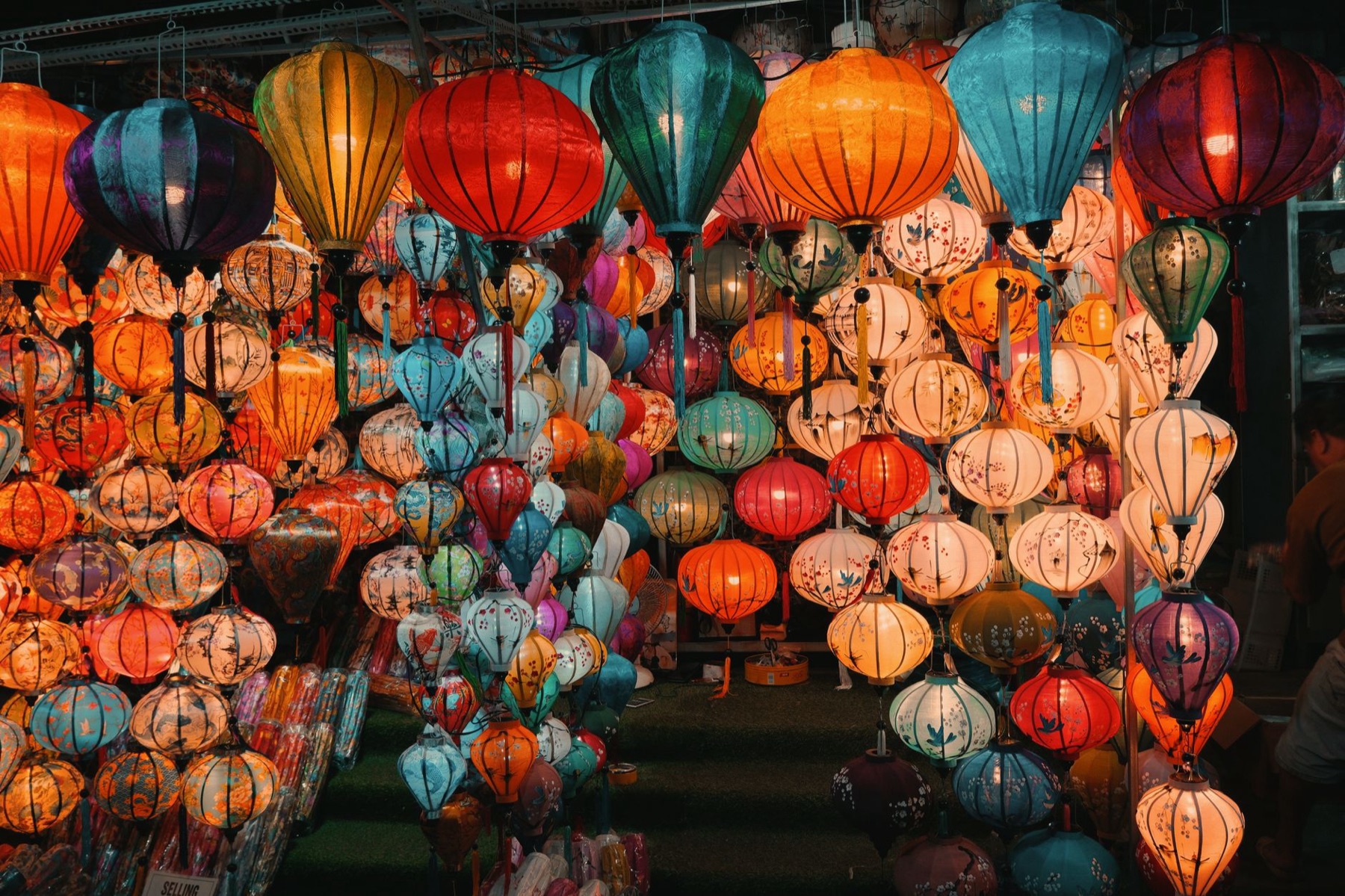
Market souvenir stalls (edges of Chợ Hội An, Chợ Đêm) sell mass-produced lacquerware, painted ceramics, and embroidered textiles at inflated tourist markups: 150,000–1,000,000 VND ($6–$40 USD) per piece. Quality varies wildly, and you're often one of many buyers per item.
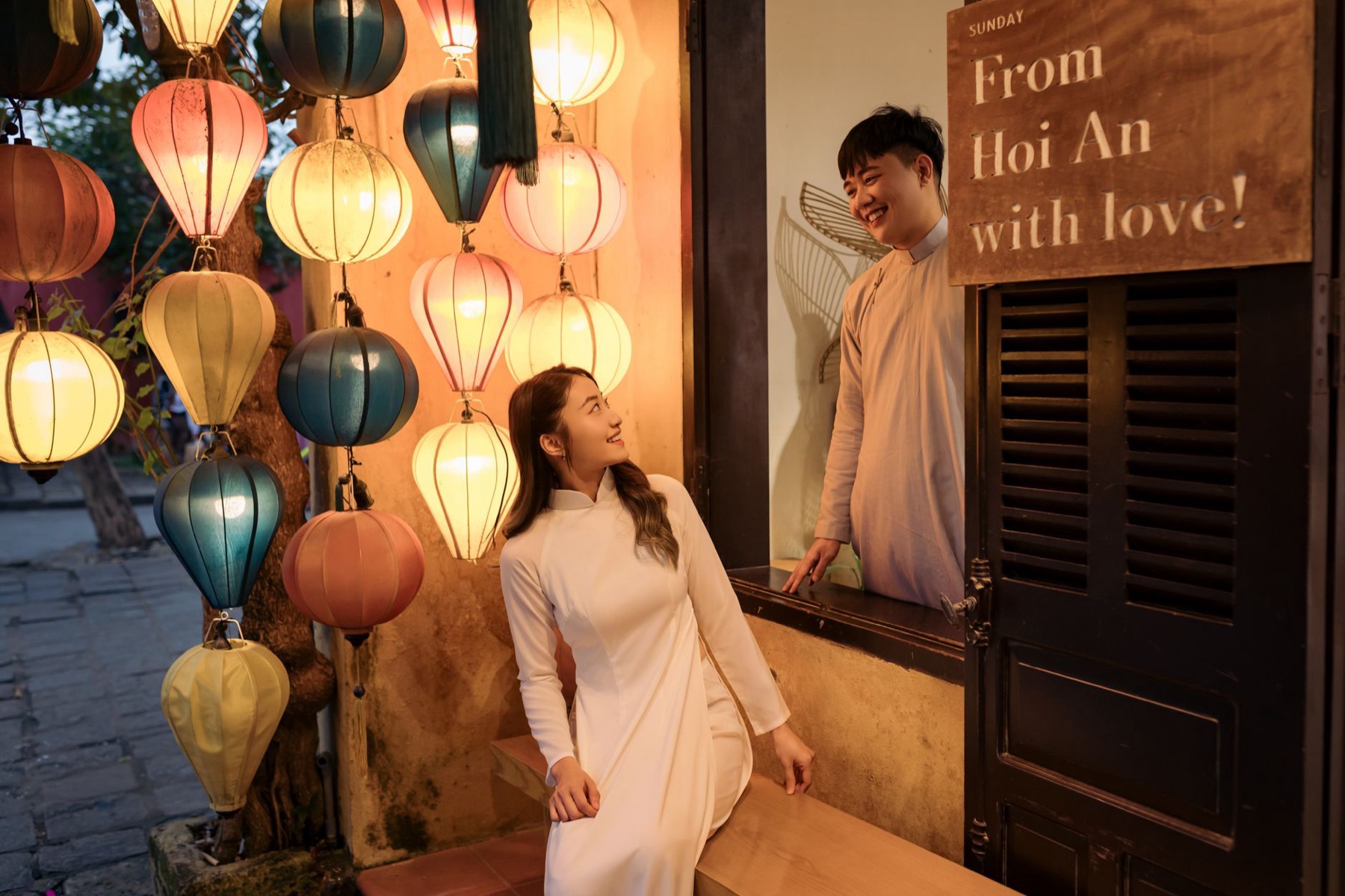
Dedicated artisan studios and gallery shops in the Ancient Town (Cáo Studio offers ao dai photoshots with styled photography, and independent makers sell one-off pieces) charge more per unit but offer unique, documented origins and customization. A hand-painted lacquer tray at a market might cost 400,000 VND; the same artisan's custom version, 600,000–800,000 VND, but it's signed, photographed, and tied to a maker's story.
Verdict: Buy quick gifts and bulk spices at markets. Buy memorable, gift-worthy souvenirs from studios and galleries. Markets win on volume and price; artisan shops win on authenticity and story.
---
What Local Dishes Can You Taste—and Sample—at Market Stalls?
Chợ Đêm and food sections of Chợ Hội An are tasting grounds for Hoi An classics:
- Bánh mì (Vietnamese sandwich): 20,000–40,000 VND ($1–$1.60 USD); crusty baguette, pâté, pickled vegetables, cilantro.
- Bánh hoai (Hoi An specialty crispy pancake): 30,000–50,000 VND ($1.20–$2 USD); fried rice-flour cake with shrimp, sold exclusively in Hoi An markets.
- Cao lau (chewy noodle soup, Hoi An dish): 40,000–70,000 VND ($1.60–$2.80 USD); roasted pork, greens, crispy croutons.
- Spring rolls (fresh or fried): 15,000–30,000 VND (60¢–$1.20 USD); vendors often give samples.
Eat standing, bring cash, watch vendors prepare your order. Most stalls open 6 a.m. and close 10 a.m. (daytime) or 6 p.m.–11 p.m. (night market).
---
How to Plan a Market-Hopping Route Without Wasting Time
Step-by-step checklist:
- Start at Chợ Hội An (central, 5:30–7 a.m.). Spend 30 minutes observing and buying breakfast snacks or herbs.
- Walk to Chợ Cẩm Phô (23 Hùng Vương, about 5 min by foot). Buy spices in pre-weighed bags or bulk. Budget 20 minutes.
- Head to Chợ vải Hội An (fabric market, 10 min from Cẩm Phô) if silk interests you. Don't buy without seeing competing stalls first. 30 minutes.
- Return to Ancient Town or guesthouse by 9 a.m. (most markets close, heat builds).
- Return to Chợ Đêm (Nguyễn Hoàng) in evening (6–7 p.m.) for food, casual browsing, and people-watching. 45 minutes.
Total time investment: 2.5–3 hours spread across day and evening. Download offline maps (plan your route with our Vietnam itinerary) to avoid asking for directions repeatedly—it invites commission-hungry locals.
---
What to Check Before You Buy
- Produce: Feel it. If it's soft or bruised, pass. Smell it—off smells mean mold or age.
- Spices: Ask the vendor to open a fresh bag so you can smell freshness. Spices older than 6 months lose potency.
- Silk and fabric: Check the selvage edge for maker marks. Ask if it's hand-dyed or industrial. Feel the weight; genuine silk is smooth, cool.
- Seafood: Eyes should be clear, gills red, no ammonia smell. If in doubt, point to what you want and ask the vendor's family (if present) if they'd eat it—they will tell the truth.
- Snacks (bánh mì, spring rolls): Watch preparation. If the vendor handles money and then food without washing hands, order elsewhere.
- Prices: Ask a second vendor the same item's price. If the first vendor's quote is dramatically higher (more than 20%), walk. Hoi An is competitive; you have options.
---
Visit Related Guides and Resources
Explore Hoi An and the Ancient Town section for museum hours, walking routes, and nearby attractions. For broader context, see our Vietnam itinerary planner to sequence Hoi An with Ha Long Bay, Ninh Binh, and Hanoi. If traveling with an international phone, check our Vietnam eSIM guide to stay connected for maps and translation apps. First-time visitors should also review Vietnam e-visa requirements and book an ao dai photoshoot in Hoi An or another city before departure.
🎟️ Compare tours & tickets for this place
---
FAQ
Is it rude to haggle at Hoi An markets?
No, haggling is expected—but only for large quantities or repeat buys. For single items under 100,000 VND ($4 USD), pay the quoted price. Persistent haggling over 5,000 VND marks you as a tourist; locals pick their battles. Smile, accept the price or walk away politely.
What payment methods work at Hoi An markets?
Cash only (Vietnamese Dong). Most vendors don't accept cards or mobile payments. Withdraw cash from an ATM before visiting. Small bills (10,000–50,000 VND) speed transactions; vendors may claim they lack change for large notes, so come prepared.
Can I order market goods to my hotel?
Chợ Cẩm Phô and fabric vendors may hold orders if you return the same day, but delivery is not standard. Hoi An's central location means most hotels are within 10–20 min walk. Carry purchases in a reusable bag; plastic bags accumulate waste.
How early is "early morning" at Hoi An markets?
5–6 a.m. Markets peak 6–7 a.m.; by 9 a.m. selection shrinks. If you're jet-lagged or sleep late, aim for 7–8 a.m. and accept slightly thinned produce. Chợ Đêm (evening) is the only exception; go 6–8 p.m. for full stalls.
Are there organic or pesticide-free produce options at Hoi An markets?
Rarely labelled. Ask vendors "rau sạch?" (clean vegetables); some have small organic sections. Most produce uses conventional pesticides. Wash everything thoroughly with running water and, if paranoid, peel skin. No market in Vietnam guarantees pesticide-free; certified organic stores in the Ancient Town charge 2–3× market prices.
What should I do if I get food poisoning from market food?
Seek immediate care at Hoi An Central Hospital (Tỉnh Lộ 547, District 1, +84 510 3862 889). Street food illness is rare but possible; avoid eating after 10 a.m. from stalls that have been sitting since dawn. Stick to hot, freshly cooked items and reputable stall vendors (ask locals which ones are best). Rehydrate with filtered water, not tap water.
Can I take photos at Hoi An markets?
Yes, but ask vendors first, especially for close-ups of people. Most are unfazed and may pose. Avoid photographing food stalls mid-meal without permission—some believe it affects sales. Early morning (5–7 a.m.) has fewer tourists and more authentic light.
Do Hoi An markets close for holidays?
Yes. Tết (Lunar New Year, late Jan–early Feb) sees reduced hours or full closures for 3–7 days. Most shops close Jan 29–Feb 2 (2026 dates). National holidays (April 30, Sept 2) may affect hours. Check with your hotel or a local Facebook group (Hoi An Living, Expats in Hoi An) for real-time closures.
FAQ
Is it rude to haggle at Hoi An markets?
No, haggling is expected—but only for large quantities or repeat buys. For single items under 100,000 VND ($4 USD), pay the quoted price. Persistent haggling over 5,000 VND marks you as a tourist; locals pick their battles. Smile, accept the price or walk away politely.
What payment methods work at Hoi An markets?
Cash only (Vietnamese Dong). Most vendors don't accept cards or mobile payments. Withdraw cash from an ATM before visiting. Small bills (10,000–50,000 VND) speed transactions; vendors may claim they lack change for large notes, so come prepared.
Can I order market goods to my hotel?
Chợ Cẩm Phô and fabric vendors may hold orders if you return the same day, but delivery is not standard. Hoi An's central location means most hotels are within 10–20 min walk. Carry purchases in a reusable bag; plastic bags accumulate waste.
How early is "early morning" at Hoi An markets?
5–6 a.m. Markets peak 6–7 a.m.; by 9 a.m. selection shrinks. If you're jet-lagged or sleep late, aim for 7–8 a.m. and accept slightly thinned produce. Chợ Đêm (evening) is the only exception; go 6–8 p.m. for full stalls.
Are there organic or pesticide-free produce options at Hoi An markets?
Rarely labelled. Ask vendors "rau sạch?" (clean vegetables); some have small organic sections. Most produce uses conventional pesticides. Wash everything thoroughly with running water and, if paranoid, peel skin. No market in Vietnam guarantees pesticide-free; certified organic stores in the Ancient Town charge 2–3× market prices.
What should I do if I get food poisoning from market food?
Seek immediate care at Hoi An Central Hospital (Tỉnh Lộ 547, District 1, +84 510 3862 889). Street food illness is rare but possible; avoid eating after 10 a.m. from stalls that have been sitting since dawn. Stick to hot, freshly cooked items and reputable stall vendors (ask locals which ones are best). Rehydrate with filtered water, not tap water.
Can I take photos at Hoi An markets?
Yes, but ask vendors first, especially for close-ups of people. Most are unfazed and may pose. Avoid photographing food stalls mid-meal without permission—some believe it affects sales. Early morning (5–7 a.m.) has fewer tourists and more authentic light.
Do Hoi An markets close for holidays?
Yes. Tết (Lunar New Year, late Jan–early Feb) sees reduced hours or full closures for 3–7 days. Most shops close Jan 29–Feb 2 (2026 dates). National holidays (April 30, Sept 2) may affect hours. Check with your hotel or a local Facebook group (Hoi An Living, Expats in Hoi An) for real-time closures.
More: Hoi An travel guide