Hoi An
Hoi An Itinerary for First-Timers: 3 Days That Actually Work
By Wander in Vietnam editorial team · Hanoi, Vietnam
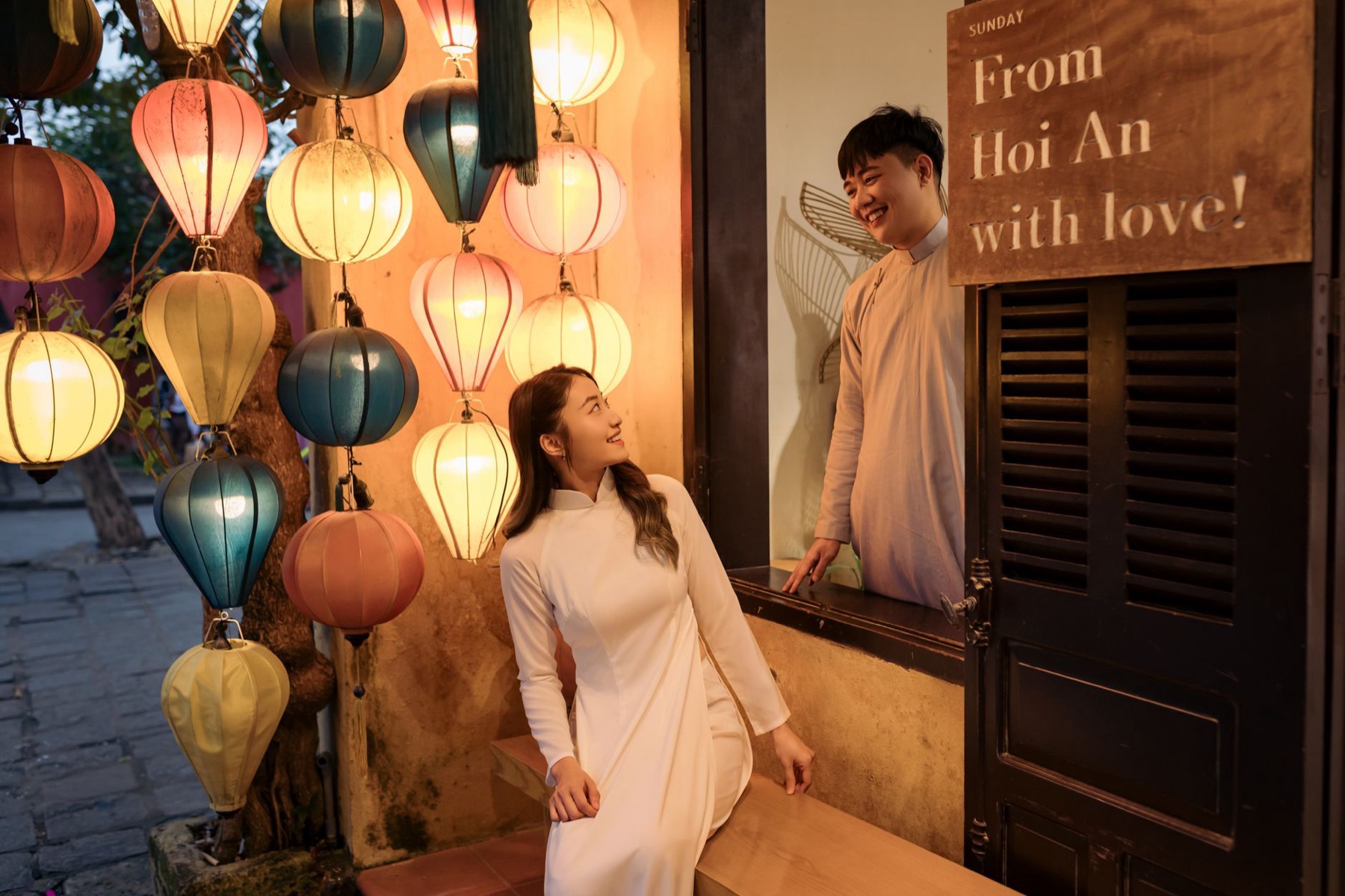
A first-time Hoi An trip works best over 3 days: Day 1 covers the Ancient Town on foot (get a heritage ticket, around 250,000 VND / ~$10 USD, valid 30 days); Day 2 is a cooking class (morning tour of Cam Thanh orchard by basket boat, then kitchen lesson, typically 2–3 million VND / ~$80–120 USD per person) or a half-day tailoring consultation; Day 3 explores temples or a sunrise trip to rice fields nearby. Budget 800,000–1.2 million VND (~$32–48 USD) daily for midrange stays and meals. Skip the overpriced tourist restaurants clustered near Nguyen Hoang street; real pho and banh mi cost 30,000–50,000 VND (~$1.20–2 USD) in residential lanes. Wander in Vietnam recommends arriving midweek to avoid weekend crowds, and carrying a physical town map—WiFi drops in side streets. Take a personalized photo before you leave: an ao dai photoshoot captures the lantern-lit vibe.
How should I split my three days to see the most?
Start Day 1 early (before 8 a.m.) at the Ancient Town's eastern edge near Tran Phu street. Buy your 30-day heritage ticket at the gate; it covers entry to the Assembly Hall of Fujian Chinese, the Japanese Covered Bridge, a folk museum, and one heritage house—pick these spread across two days rather than bundling them. Walk Nguyen Duy Hinh (east-side residential lane) first when foot traffic is thin. End Day 1 at the river's edge watching sunset from Hoai bridge, where locals fish. Day 2 should launch pre-dawn for a cooking class (boats leave at 6:30–7 a.m.); return by 2 p.m. if you want to visit temples or tailor shops same-day. Day 3 takes a motorbike taxi to Tra Que herb village (4 km north, around 100,000 VND / ~$4 USD return) or books a rice-field sunrise walk (private guide: 600,000–1 million VND / ~$24–40 USD for two people). The rhythm prevents temple fatigue and lets meals feel natural.

Which heritage ticket attractions are actually worth the time?
The Assembly Hall of Fujian Chinese (interior: carved ancestral tablets, intricate roof framing) and the Japanese Covered Bridge (photo-heavy but genuinely 200-year-old timber) justify entry. Skip the "folk museum"—it's three small rooms of farming tools and clothes, forgettable. Pick one heritage house: House No. 21 Tran Phu is crowded but shows late-19th-century timber framing; House No. 27 Tran Phu is quieter, equally old. Both demand 15 minutes. The ticket spreads across 30 days, so buy it Day 1, use it Day 1–2, and you're done.
Where do you actually eat well without tourist markups?
Leave Nguyen Hoang street (where a bánh mì costs 60,000 VND / ~$2.40 USD for tourist portions). Walk Tran Phu eastward past the Japanese Bridge, then turn left down Bach Dang (river-side): a banh mi stand near Hoai bridge (corner of Bach Dang and Hoai) serves proper size for 35,000 VND (~$1.40 USD). For pho, cut inland to Cao Thang street (southwest of Assembly Hall)—any shop with plastic stools and a long counter runs around 40,000 VND (~$1.60 USD). Lunch at Chợ Hoi An (central market, reopened 2023) on Tran Phu: prepared food stalls inside cost 60,000–80,000 VND (~$2.40–3.20 USD) for a heap of rice, grilled fish, or egg dishes. Dinner: book a cooking class restaurant or go simple: a seafood rice platter at a beachside town (An Bang, 4 km away) runs 120,000–180,000 VND (~$4.80–7.20 USD). Avoid "lantern street" cafés entirely; they're tourist setups. Real Hoi An eats where tour groups don't.
| Meal type | Good spot | Typical cost (VND) | Why it works |
|---|---|---|---|
| Bánh mì | Street corner near Hoai Bridge | 35,000–40,000 | No tourist markup; locals queue. |
| Phở | Cao Thang street (inland) | 40,000–50,000 | Morning-only, authentic broth. |
| Rice plate | Chợ Hoi An market stalls | 60,000–80,000 | Variety, no menus, very cheap. |
| Seafood | An Bang beach village | 120,000–180,000 | Better than old-town tourist traps. |
| Cooking class lunch | Tour company restaurant | 300,000–500,000 | Included; quality is high. |
🗺️ Plan your route: Vietnam itinerary
What's the most honest take on booking a tailoring session?
Hoi An has roughly 400 tailor shops; most are fine, some are scams. Don't book online or via tour guides (they take 30–40% commission, which gets passed to you). Walk into tailored-clothing shops on Tran Phu, Nguyen Duy Hinh, or Le Loi street. Ask for a fitting immediately—not a quote. Reputable tailors will measure you, show recent photos of finished work (not fake Instagram stuff), and give a delivery date of 5–7 days minimum. A simple button-up shirt costs 400,000–600,000 VND (~$16–24 USD); trousers: 300,000–500,000 VND (~$12–20 USD). If a tailor quotes 100,000 VND (~$4 USD) for a shirt, walk out. Commit to one shop and visit daily: tailors respect repeat customers and rework freely. Skip mail delivery; collect in person to check fit. Most tailors do not cotton-print custom designs for a flat fee—ask upfront, in writing, and photograph the agreement.
Should I hire a local guide or take a group tour?
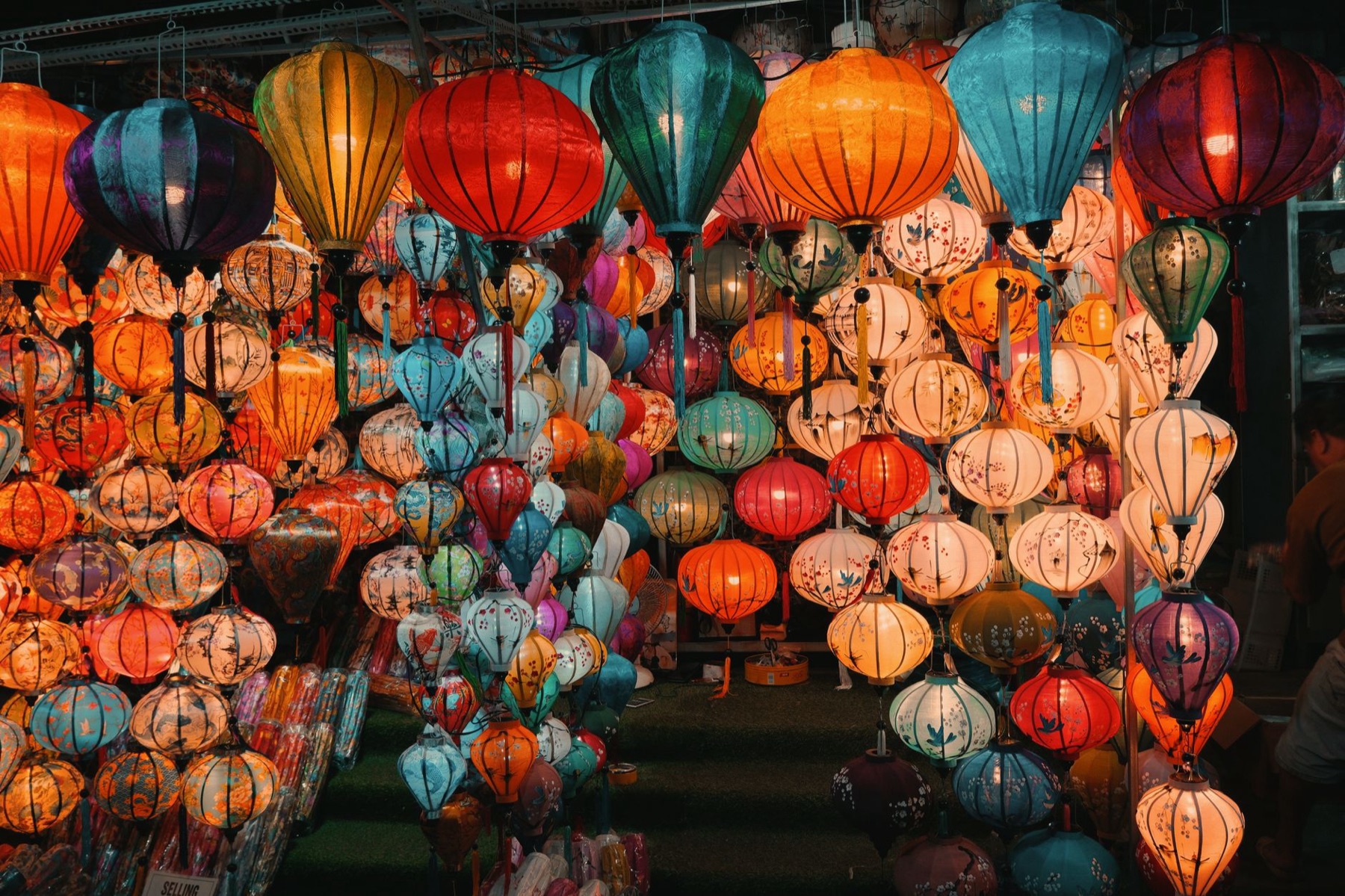
Hire a guide for half-day (3–4 hours, around 500,000–800,000 VND / ~$20–32 USD) over a full-day group tour (10–12 hours, 600,000–1.5 million VND / ~$24–60 USD, with 8–15 strangers). A private guide skips the coach bottleneck, lets you linger at quieter temples, and eats with you—they know where to sit. Book guides through your hotel (no commission) or Discover Hoi An (Facebook page, local guides, transparent pricing). Group tours work if you want a cooking class bundled; many include a market walk and kitchen time for 2–3 million VND (~$80–120 USD). Skip the "lantern-making class"—it's a shop upsell, not cultural insight. If you speak French or German, ask your hotel for a specialist guide; French guides are surprisingly common here and often cheaper than English-only guides. The honest take: a guide is worth it Day 2 if Day 1 left you confused.
---
What gifts or keepsakes actually make sense to bring home?
Avoid mass-produced lacquerware, painted ceramic bowls, and t-shirts from tourist shops. Hoi An's three genuine gifts are tailoring (a bespoke shirt or áo dài that you'll wear), a cookbook signed by your cooking class chef, and lantern-silk textiles bought directly from artisans on Tran Phu. If you want something to commemorate the trip without taking luggage space, book a personalized ao dai photoshoot (professional makeup, hair, and styling in the old town; Cáo Studio handles these for travelers). An engraved wooden keepsake or star map print (ordered before you leave, shipped to your home address) lets you relive the dates and lantern-lit nights long after the trip. Maps of Hoi An old town, hand-drawn by local artists, run 150,000–300,000 VND (~$6–12 USD) and are worth the shelf space.
🎟️ Compare tours & tickets for this place
---
What actually goes wrong on a first visit—and how to prevent it?
Crowding. Arrive between Tuesday and Thursday. Avoid weekends and Vietnamese holidays (Tet, mid-autumn festival) when the old town hosts 20,000+ visitors per day and streets are impassable by 10 a.m. Midweek, you'll wait 5 minutes for entry; weekend, 30+ minutes.
Overpriced meals. Restaurants on Nguyen Hoang and Tran Phu charge 3–4 times local rates. A com tam (rice and sides) should cost 40,000–60,000 VND (~$1.60–2.40 USD), not 180,000+ VND. Eat where you see Vietnamese families eating, not where you see camera flashes.
Tailoring delays. If you want something to fit and wear during your trip, place the order by Day 1 afternoon, not Day 2 evening. A 5–7 day turnaround is realistic; two-day "rush" orders often ship unfinished seams.
Motorbike taxi scams. Use Grab (app-based, fixed fares: 30,000–50,000 VND / ~$1.20–2 USD for in-town trips) instead of flagging bikes. If you flag a bike, agree on the price before boarding. Most drivers are honest, but negotiation avoids surprises.
Lost in side streets. The old town's western section (past Assembly Hall) has few street signs. Carry a map or grab offline maps on Google Maps before arrival (WiFi near Hoai bridge is unreliable). Ask locals for directions; they're patient.
Cooking class timing. Basket-boat classes leave at fixed times (usually 6:30–7 a.m.). Book the day before and confirm pickup time and location with your hotel. Late arrival means missing the early light and the village's calm.
---
What to check before you book or buy
- Heritage ticket validity. It's 30 days from purchase date, not activation—use it spread out or lose days.
- Cooking class inclusions. Confirm whether lunch and market walk are bundled, and if they cover drinks. Ask about dietary restrictions upfront.
- Tailor fit promises. Request a written fitting date and rework clause (free adjustments within 7 days). Photograph the agreement.
- Guide credentials. Ask guides for a sample itinerary and phone references from recent travelers. A good guide has 50+ Google reviews or a strong Facebook history.
- Tour group size. If booking a group tour, ask the max group size and guide's native language. Some "group" tours are 20+ people with a translator, not a guide.
- Accommodation cancellation. Book hotels with free cancellation up to 48 hours. Hoi An weather in September–October brings rare flash floods; flexibility helps.
---
If you're planning a broader Vietnam trip, start at the main itinerary planner. Hoi An fits a 7–10 day loop with Ha Long Bay, Ninh Binh, or Hanoi. If you're already in Ho Chi Minh City, check transport options first—most travellers fly or take a sleeper bus north.
FAQ
How many days do first-timers actually need in Hoi An?
Three days is ideal: one for the old town, one for a cooking class or tailoring, one for temples or day trips. Two days works if you skip cooking classes; four days suits slow travelers. Most first-timers don't regret staying three days, but do regret staying only one.
Is it expensive to eat in Hoi An?
Only if you eat where tourists sit. A meal at a local market or street stall costs 40,000–80,000 VND (~$1.60–3.20 USD). Tourist restaurants on main streets charge 3–4 times that. Cooking-class meals and upscale dinners run 300,000–600,000 VND (~$12–24 USD)—worth it for quality, not for quantity.
Should I book hotels in advance or on arrival?
Book 1–2 weeks ahead for midweek stays (often cheaper, better rooms). Weekend rates spike 20–30%. Booking on arrival risks no availability or cramped hotels. Use agoda, booking.com, or ask your previous hotel for local recommendations (no commission).
What month is best for a Hoi An visit?
October to April (cool, dry). September brings rain and flooding; May–July is hot and humid. December–January sees crowds and higher prices. October–November offers the best balance: comfortable weather, midweek availability, and lantern festivals running sporadically.
Can I get a bespoke item tailored and worn during my trip?
Only if you order on Day 1 and accept simpler styles (shirts more than trousers). Most tailors need 5–7 days. Complex orders (lining, embroidery, áo dài) need 10+ days. Collect in person to check fit; do not mail overseas during your trip.
Is hiring a private guide worth the cost?
Yes, if you're lost after Day 1 or want temple/village context. A half-day guide (3–4 hours, around 500,000–800,000 VND / ~$20–32 USD) clarifies history and eats with you, worth the spend. Group tours are cheaper but move faster and skip quiet moments. --- 📸 Book an ao dai photoshoot in Hanoi or Saigon (Cáo Studio)
FAQ
How many days do first-timers actually need in Hoi An?
Three days is ideal: one for the old town, one for a cooking class or tailoring, one for temples or day trips. Two days works if you skip cooking classes; four days suits slow travelers. Most first-timers don't regret staying three days, but do regret staying only one.
Is it expensive to eat in Hoi An?
Only if you eat where tourists sit. A meal at a local market or street stall costs 40,000–80,000 VND (~$1.60–3.20 USD). Tourist restaurants on main streets charge 3–4 times that. Cooking-class meals and upscale dinners run 300,000–600,000 VND (~$12–24 USD)—worth it for quality, not for quantity.
Should I book hotels in advance or on arrival?
Book 1–2 weeks ahead for midweek stays (often cheaper, better rooms). Weekend rates spike 20–30%. Booking on arrival risks no availability or cramped hotels. Use agoda, booking.com, or ask your previous hotel for local recommendations (no commission).
What month is best for a Hoi An visit?
October to April (cool, dry). September brings rain and flooding; May–July is hot and humid. December–January sees crowds and higher prices. October–November offers the best balance: comfortable weather, midweek availability, and lantern festivals running sporadically.
Can I get a bespoke item tailored and worn during my trip?
Only if you order on Day 1 and accept simpler styles (shirts more than trousers). Most tailors need 5–7 days. Complex orders (lining, embroidery, áo dài) need 10+ days. Collect in person to check fit; do not mail overseas during your trip.
Is hiring a private guide worth the cost?
Yes, if you're lost after Day 1 or want temple/village context. A half-day guide (3–4 hours, around 500,000–800,000 VND / ~$20–32 USD) clarifies history and eats with you, worth the spend. Group tours are cheaper but move faster and skip quiet moments. --- [📸 Book an ao dai photoshoot in Hanoi or Saigon (Cáo Studio)](https://vietnamphotoshoot.com)
More: Hoi An travel guide