Hanoi · Itinerary
2 Day Hanoi Itinerary: Where to Go & What to Skip
By Wander in Vietnam editorial team · Hanoi, Vietnam
What should you actually see on Day 1 in the Old Quarter?
Start at Hoàn Kiếm Lake (around 4 a.m. if you want to watch tai chi by sunrise; most visitors arrive 8 a.m., which is fine). Walk the eastern shore first—fewer crowds, same view. The Turtle Tower sits on an island; you cannot climb it (disappointment: many photos show old access). Cross Huc Bridge (red wooden bridge, built 1885) to Ngọc Sơn Temple. Entry is around 30,000 VND ($1.20 USD equivalent). The temple is real spiritual space, not a museum—remove shoes, be quiet, watch locals pray.
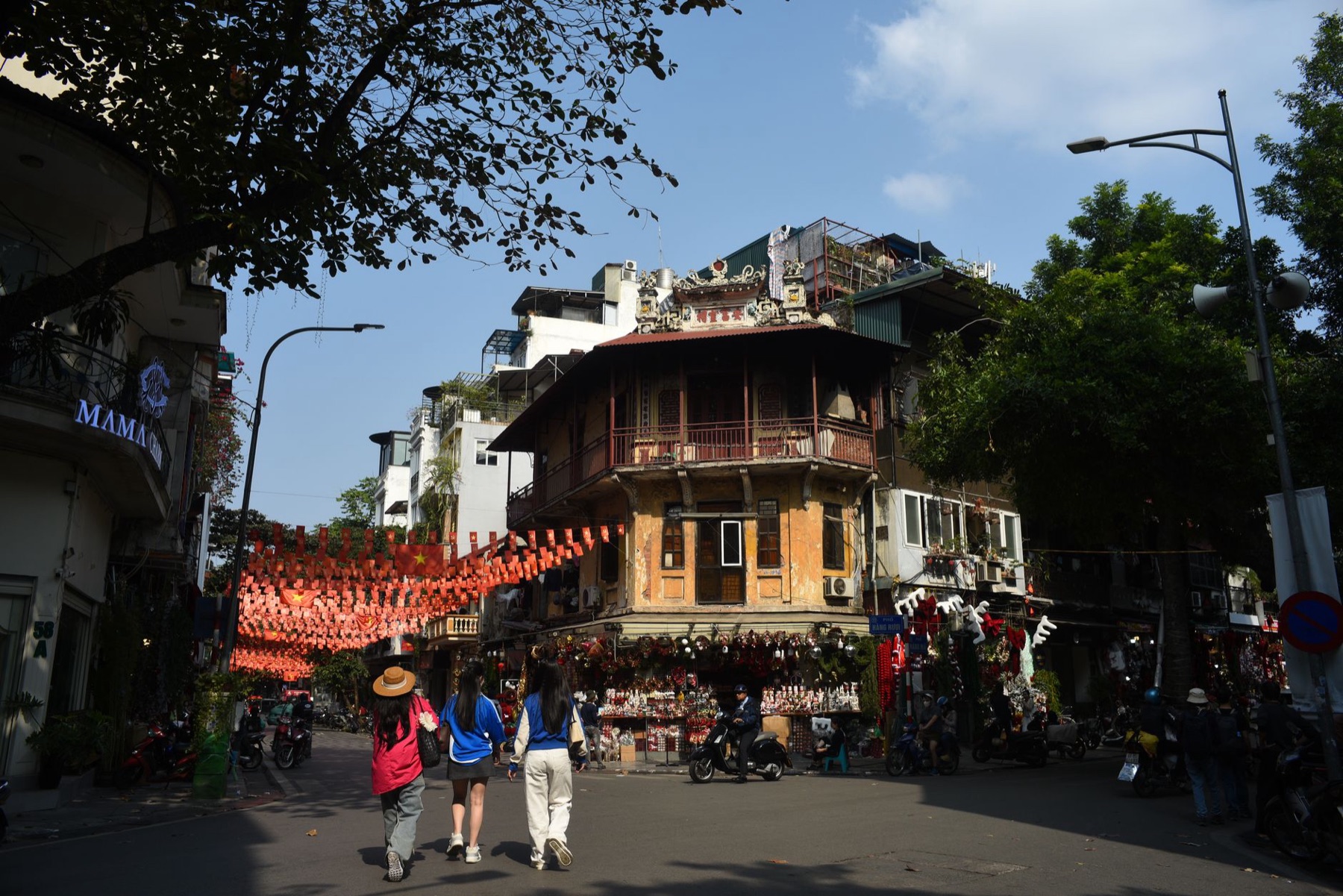
From the lake, walk west into the Old Quarter proper. Streets here have names by trade: Hàng Mã (paper goods), Hàng Nón (hats), Hàng Gà (poultry—yes, still live chickens in parts). Pick one direction and meander. You'll find narrow colonial shopfronts, some 150+ years old, now selling everything from silk to phone chargers. No paid tourist loops needed.
Breakfast: Eat pho at a street stall (not a restaurant). Phở Bát Đàn street has numerous 40-year-old vendors. A bowl costs around 35,000–50,000 VND ($1.40–2 USD). Arrive by 8 a.m. or wait in line. The broth is made overnight; morning broths are thinner and lighter than lunch broths—this is not bad, it is style.
Lunch: Grab cơm tấm (broken rice) at a stall or small restaurant—around 40,000–60,000 VND ($1.60–2.40 USD). Avoid branded storefronts on main thoroughfares; they charge 2–3× local prices. Walk two blocks off the main drag and find the real thing.
Afternoon: Visit the Temple of Literature (mentioned in Day 2 section, but if you have energy, go now). Or rest at a café. Street coffee (cà phê đen, black coffee) costs 15,000–20,000 VND ($0.60–0.80 USD) and comes with ice and condensed milk. Sit 30 minutes, watch motorbikes, read.
Evening: Dinner in the Old Quarter near Trang Tien Lake (a small lake south of Hoàn Kiếm, less touristed). Toad Lane (Ngõ Hàng Vàng—literally "Gold Alley") has old beer halls and grilled meats. Order grilled skewers (nướng); around 150,000–200,000 VND ($6–8 USD) feeds two people generously.
Is the Temple of Literature worth a full Day 2 morning?
Yes, but not for the reasons postcards show. The temple (Văn Miếu) is quiet, spacious, and teaches you how Hanoi schools worked 900+ years ago. Entry is around 30,000 VND ($1.20 USD). Arrive by 8 a.m., leave by 10 a.m.—after that, tour groups arrive and the courtyards fill.
Walk the four courtyards slowly. Read plaques. The first courtyard (Đại Trung Tự) is where students entered exams. The second has a carp pond (carp symbolize scholarly success in Confucian tradition). The third holds steles with carved names of top exam scorers (dating back to 1442). The fourth is an actual working university courtyard—modern students study and socialize here; it is not frozen in time.
Scam to skip: "Tour guides" outside offer "private tours" for 50,000–100,000 VND ($2–4 USD). Official guides are inside, licensed, and cost around 150,000–200,000 VND ($6–8 USD) for a group of up to 8. The unofficial ones rush you and pocket tips dishonestly. Go alone or hire an official guide from reception.
Avoid the "silk weaving workshop" next to the temple entrance. It is a sales trap. Silks are overpriced and poor quality. Real silk is found in the Old Quarter (see Day 1) or in Hoi An where production is transparent.
What's worth doing on West Lake instead of a generic boat tour?
West Lake (Hồ Tây) is bigger than Hoàn Kiếm and has real neighborhoods, not just tourist docks. Skip boat tours (overpriced, 1.5–2 hours, 400,000–600,000 VND / $16–24 USD, forgettable). Instead, walk or rent a bike.
Neighborhoods to walk:
- Quảng An Ward: North shore. This is where Hanoi's middle class lives and eats. Coffee shops, small restaurants, and flower shops line the street. No English signs. Genuinely local vibe. Walk the shore road early morning (6–7 a.m.) and watch fishermen and joggers.
- Tây Hồ Ward: West shore. More upscale but still real. Walking Street near Tây Hồ Temple (Chùa Tây Hồ) has boutiques, small eateries, and homestays. The temple itself (entry free) is where locals go to pray and make wishes tied on trees. No "performances" like tourist-site temples.
Lunch option: Crab and snail specialties are West Lake classics. Look for small restaurants (10–15 tables) with no English menus. Crab (cua) soup or stir-fried crab with tamarind costs around 120,000–200,000 VND ($5–8 USD) per serving. Snail (ốc) is cheaper, around 80,000–120,000 VND ($3–5 USD).
Bike rental: Around 50,000–100,000 VND ($2–4 USD) for a day. Rent from a small shop (not hotel desk—they mark up 3×). Ride the eastern shore loop (Nguyễn Hữu Cảnh → Võ Chí Công → back). Takes 1.5 hours, mostly flat, minimal traffic early.
How do you spend the second day evening without exhaustion?
By 5 p.m. on Day 2, you'll be tired. Dinner should be comfortable, not rushed.
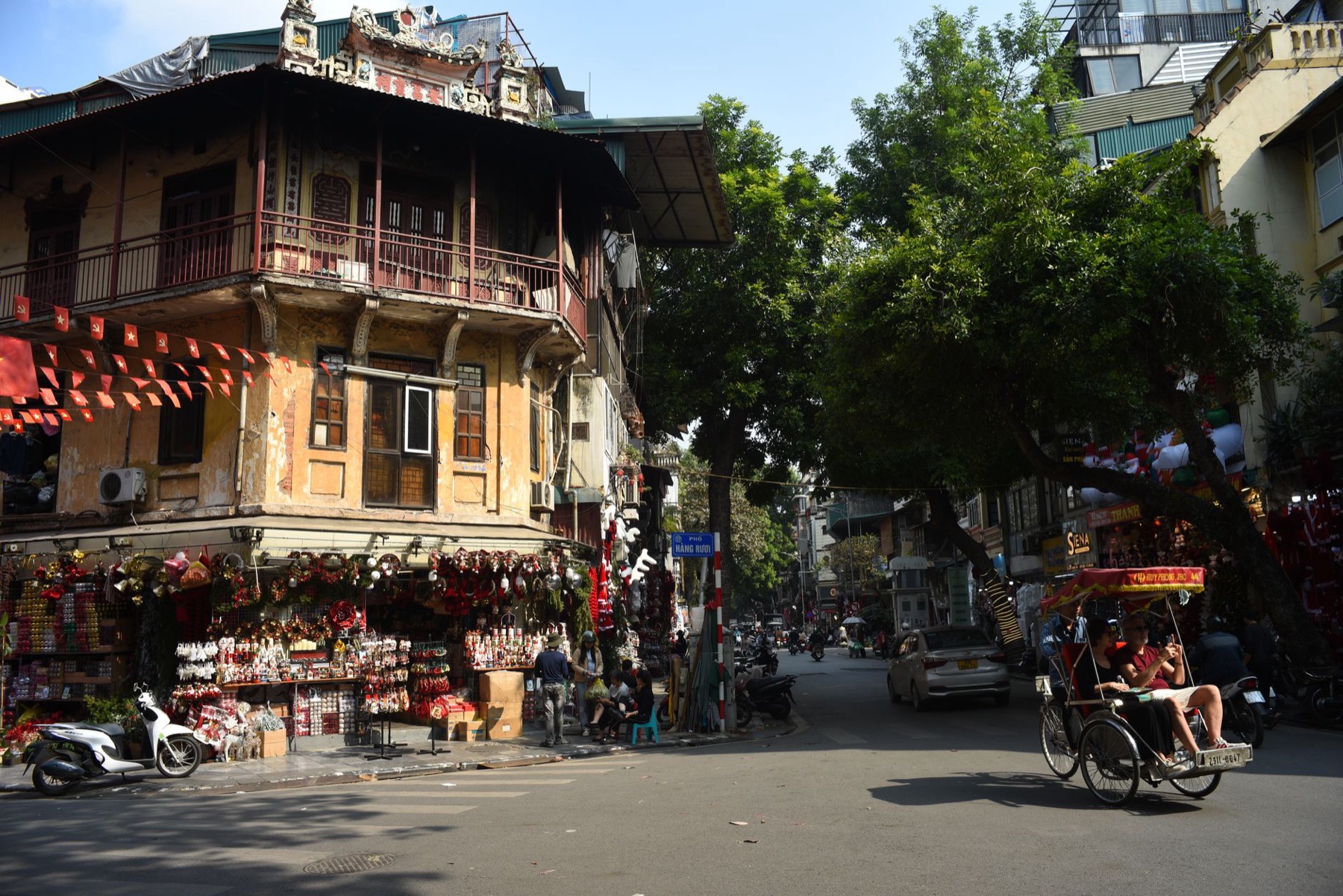
Pick a cyclo ride instead of walking. A cyclo is a three-wheeled cart, driver pedals you. A 1-hour ride costs around 200,000–300,000 VND ($8–12 USD) if you negotiate beforehand (avoid meter-less ones on the street at night). Ask the driver to loop quiet streets: Hàng Ngoài (old silk and spice street), Phố Cổ (true Old Quarter), and back via Hoàn Kiếm Lake lit at dusk.
Dinner: Choose a mid-range restaurant with windows, not a tourist-clogged corner joint. Bún chả (grilled pork and noodles) is the national dish; you cannot go wrong. Around 60,000–100,000 VND ($2.40–4 USD) per person. Pair with fresh herbs (mint, basil, cilantro come on the side—add as much as you like).
Night market (if energy remains): Đồng Xuân Market (Old Quarter) has a night section from 8 p.m. onward. Crowded, loud, cheap souvenirs, haggle hard. Skip if exhausted; not essential.
Should you extend to a 3-day itinerary, and what's the best day trip?
Two days is enough for central Hanoi. A third day is worth it only if you're willing to leave the city. Ha Long Bay (3 hours by car) and Ninh Binh (2.5 hours by car) are the standard options. Ninh Binh is less touristy and offers karst scenery, hiking, and colonial French architecture without the cruise crowds. But they require a full day (drive, tour, return), leaving you exhausted.
Better 3-day use: Spend Day 1–2 as planned, then Day 3 morning at the Temple of Literature, afternoon at West Lake as detailed, and evening on a flight south to Ho Chi Minh City. Many visitors bundle Hanoi + HCMC (3–4 days each) for a north-south arc.
---
What gifts or keepsakes should you bring home from Hanoi?
After your 2-day sprint, you'll want something tangible. Avoid mass-produced "I ❤ Vietnam" t-shirts.
| Item Type | Real Use | Where to Find | Why It Works |
|---|---|---|---|
| Silk scarf or áo dài fabric | Wearable memory | Old Quarter silk shops (Hàng Gà area) | Actual local production, wearable daily |
| Lacquerware box (small, 10×10 cm) | Desk trinket or keepsake | Night markets or Old Quarter gift stalls | Handmade feel, lightweight, fits luggage |
| Pressed flower art or botanical print | Wall décor | Small galleries in Tây Hồ Ward | Unique if you bought from a maker, not mass-market |
| Coffee (weasel blend, Dalat robusta) | Consumable gift | Coffee stalls or supermarkets | Authentic, takes minimal luggage space |
| Hand-painted ceramic dish or bowl | Functional art | Ceramic workshops (few in city; Hoi An is better) | Lightweight if small; practical at home |
🗺️ Explore more Vietnam itineraries to bundle Hanoi with other regions.
Personalized keepsakes (like a custom-engraved box or a star map print from the date of your Hanoi visit) add memory without bulk. Check our collections for options.
📸 Book an ao dai photoshoot in Hanoi (Cáo Studio) to capture your Hanoi moment in traditional dress—a keepsake photo is lighter than any souvenir.
---
What to check before you buy a tour or book a restaurant
- Language barrier? Most tourist-heavy areas have English menus or staff. Old Quarter side streets do not—this is fine; point at someone else's dish or use Google Translate camera.
- Cash or card? Small restaurants and stalls take cash only (VND). ATMs are everywhere. Exchange rate at ATMs is honest; money changers on the street are not.
- Walking pace realistic? The Old Quarter looks small on maps but is dense and slow. Budget 3–4 hours for 1 km of actual wandering.
- Scooter taxis safe? Grab (app-based) is the safe way. Street taxis without meters may overcharge. Motorbike taxis (xe ôm) are cheap (around 20,000–40,000 VND / $0.80–1.60 USD per trip) but less regulated—use only if you're comfortable.
- Guided tour or solo? Group tours (50–100,000 VND / $2–4 USD for 2–3 hours) are okay if you want context fast. Solo walking is cheaper and more flexible; use our Hanoi neighborhood guide (/hanoi) for details.
- Souvenirs at night markets? Prices are negotiable and bulk-oriented. Single items cost 1.5–2× daytime prices unless you haggle hard. Skip unless you enjoy haggling.
🎟️ Compare tours & tickets for Hanoi to lock in the best value before you arrive.
---
We've kept this itinerary tight and honest: real streets, real prices, real food. Most of what makes Hanoi memorable—early morning lake walks, cyclo rides, pho at dawn—costs almost nothing. The rush comes from having just two days, not from the destinations themselves. Plan backward from your flights, eat when locals eat (early), and skip the Instagram checkboxes. You'll see more and spend less.
For Vietnam-wide itinerary planning, mobility tips (eSIM), and visa requirements, check our pillar guides. Safe travels.
FAQ
Do I need a visa for a 2-day Hanoi visit?
If you're a US, EU, UK, or Australian citizen, Vietnam's e-visa (applied online, 25 USD, valid 90 days) is easiest. Process takes 3 business days. Apply at /vietnam/visa. Some citizens qualify for visa-free entry up to 45 days; check your passport.
How much should I budget per day (excluding flights)?
Meals and local transport (Grab, cyclo, bus): 400,000–600,000 VND ($16–24 USD) per day if you eat street food and skip tours. Temple entries and activities: 100,000–200,000 VND ($4–8 USD). Accommodation varies hugely; assume 500,000–2,000,000 VND ($20–80 USD) for a decent mid-range hotel.
Is 2 days in Hanoi enough or should I add a third?
Two days covers the city center well. A third day only adds value if you do a day trip (Ninh Binh, Ha Long Bay) or extend to Ho Chi Minh City. Hanoi itself saturates after 48 hours of walking.
When is the best time to visit Hanoi?
October–November and March–April: 18–25°C, low humidity, clear skies. December–February is cool and dry but hazy. May–September is hot (30–35°C) and humid; monsoons happen. Avoid Lunar New Year (late Jan/early Feb) when the city empties and prices spike.
What's the biggest scam to avoid in Old Quarter?
Unmarked "tour guides" offering private walks, then steering you to overpriced restaurants or fake silk shops where they earn commissions. Official guides are licensed and hired through hotels or temples. Unofficial guides are not licensed and pocket 30–50% of what they sell you.
Should I book tours in advance or on arrival?
Book simple ones (Hoàn Kiếm Lake walk, Temple of Literature entry) on arrival; they are cheap and available daily. Book cyclo rides on the day itself (prices are fixed, no discounts for advance booking). Skip pre-booked boat tours unless you have a specific group.
Can I get around without speaking Vietnamese?
Yes. English is spoken in tourist areas. Use Google Translate, Grab app, and hotel staff for help. Older locals in side streets may not speak English, but smiling and pointing work fine.
FAQ
Do I need a visa for a 2-day Hanoi visit?
If you're a US, EU, UK, or Australian citizen, Vietnam's e-visa (applied online, 25 USD, valid 90 days) is easiest. Process takes 3 business days. Apply at /vietnam/visa. Some citizens qualify for visa-free entry up to 45 days; check your passport.
How much should I budget per day (excluding flights)?
Meals and local transport (Grab, cyclo, bus): 400,000–600,000 VND ($16–24 USD) per day if you eat street food and skip tours. Temple entries and activities: 100,000–200,000 VND ($4–8 USD). Accommodation varies hugely; assume 500,000–2,000,000 VND ($20–80 USD) for a decent mid-range hotel.
Is 2 days in Hanoi enough or should I add a third?
Two days covers the city center well. A third day only adds value if you do a day trip (Ninh Binh, Ha Long Bay) or extend to Ho Chi Minh City. Hanoi itself saturates after 48 hours of walking.
When is the best time to visit Hanoi?
October–November and March–April: 18–25°C, low humidity, clear skies. December–February is cool and dry but hazy. May–September is hot (30–35°C) and humid; monsoons happen. Avoid Lunar New Year (late Jan/early Feb) when the city empties and prices spike.
What's the biggest scam to avoid in Old Quarter?
Unmarked "tour guides" offering private walks, then steering you to overpriced restaurants or fake silk shops where they earn commissions. Official guides are licensed and hired through hotels or temples. Unofficial guides are not licensed and pocket 30–50% of what they sell you.
Should I book tours in advance or on arrival?
Book simple ones (Hoàn Kiếm Lake walk, Temple of Literature entry) on arrival; they are cheap and available daily. Book cyclo rides on the day itself (prices are fixed, no discounts for advance booking). Skip pre-booked boat tours unless you have a specific group.
Can I get around without speaking Vietnamese?
Yes. English is spoken in tourist areas. Use Google Translate, Grab app, and hotel staff for help. Older locals in side streets may not speak English, but smiling and pointing work fine.