Hanoi · Itinerary
3 Day Hanoi Itinerary: Old Quarter, Lakes & Street Food
By Wander in Vietnam editorial team · Hanoi, Vietnam
A realistic 3-day Hanoi itinerary covers the Old Quarter (morning walking tour), Hoan Kiem Lake temples, West Lake neighborhoods, and Dong Xuan market. Budget around $40–60 USD per day for accommodation, food, and entry fees. Wander in Vietnam recommends prioritizing foot traffic over metro—most sites are walkable or cheap cyclo rides away.
What fits into 72 hours without rushing?
Three days isn't enough to see everything—but it's enough to feel Hanoi. Skip the motorbike tours and metro passes; walk Hang Dao (silver street), explore Hoan Kiem's temple cluster, sit lakeside for sunset, eat pho at 6 AM at a stall, not a restaurant. Day 1 is Old Quarter immersion. Days 2–3 expand northwest to West Lake's pagodas and quieter cafes. The rhythm matters more than the checklist.
Which neighborhoods matter most on Day 1?
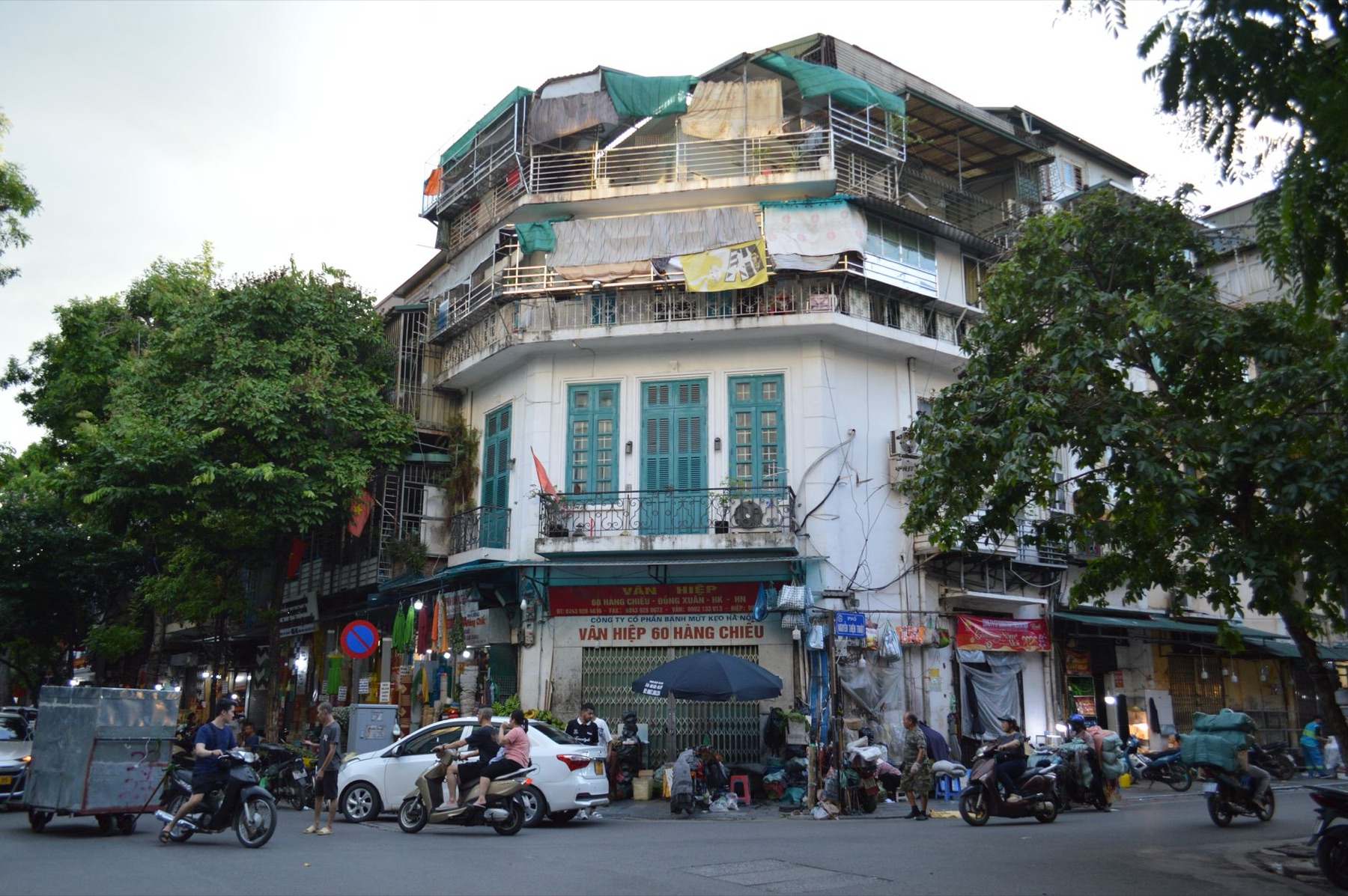
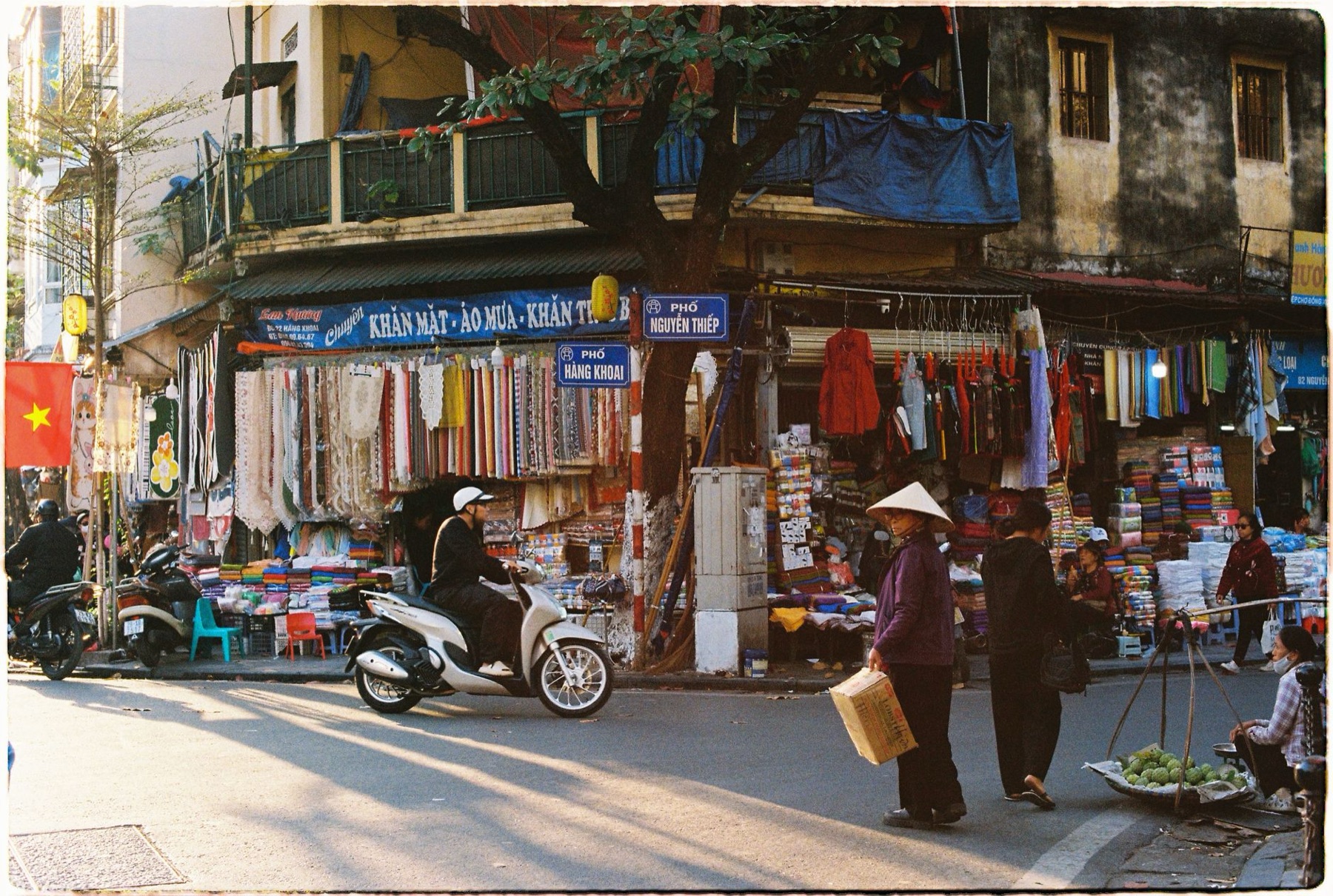
Start in the Old Quarter's 36 Streets district (Ta Hoa, Hang Dao, Hang Gai). This grid of narrow alleys was built by Chinese merchants—each street originally sold one product (silversmiths, coffins, textiles). Walk without a map; get lost deliberately. Stop for egg coffee at a corner cafe around 10 AM (around $2–3 USD). Visit St. Joseph's Cathedral (free, no entry fee during non-worship hours) on Nha Chung Street. Lunch at a pho stall in an alley—not the busy corners. Real pho costs around $2–4 USD per bowl. Skip the "famous" tourist restaurants on Hang Gai; they're three times the price for the same broth.
📸 Book an ao dai photoshoot in Hanoi or Saigon (Cáo Studio)
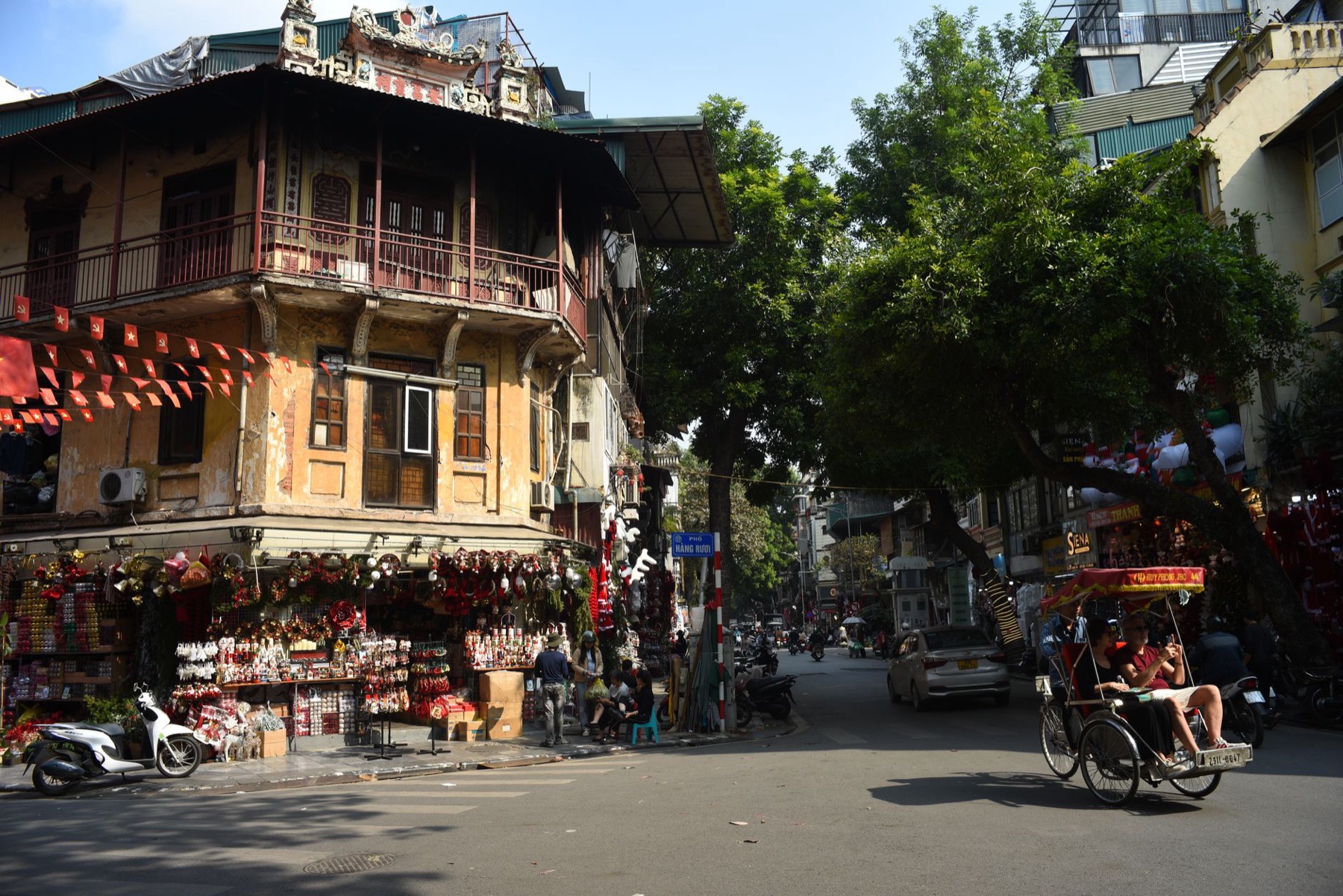
End Day 1 walking to Hoan Kiem Lake (Trang Tien Street). The lake is 1.5 km across; do the full loop at dusk. Entry to the Turtle Tower (on the lake) costs around $1 USD; the views aren't exceptional, but the walk is. Stay in the Old Quarter or Ba Dinh district to keep distances short.
Day 2: Temples, Politics & Coffee Culture
Morning: temple-hop around Hoan Kiem. Ngoc Son Temple (on the lake, reached by Red Bridge) is small and crowded by 9 AM—go early (around $0.50 USD entry). Jade Mountain Temple is the same place—both names are used. Then walk to Tran Quoc Pagoda on the island in West Lake (15-minute cyclo or walk 40 minutes through Hang Bai). This is Hanoi's oldest pagoda (built 500+ years ago); the grounds are serene, entry is free. Bring water; there's no air-con indoors and few cafes nearby.
Lunch in the West Lake neighborhoods (Quang An, Thanh Nhan streets): family-run pho shops or banh mi stalls cost $2–5 USD. Afternoon: visit Ho Tay (West Lake) waterfront—rent a bike from a hotel or grab one at a roadside vendor for around $1–2 USD per day. Ride along the shore; stop at small temples like Tay Ho Pagoda (free entry, very local). This area has almost no tour groups.
Afternoon coffee: find a lakeside ca phe sua (iced milk coffee) at a nameless stall—around $1 USD. Cafes here are bare-bones; tables are plastic stools. That's authentic Hanoi. Skip the "Instagram-worthy" rooftop cafes in the Old Quarter (overpriced by 10x and packed).
🗺️ Plan your route: Vietnam itinerary
Evening: walk back toward the Old Quarter or Ba Dinh district. Dinner at a street stall eating grilled meat skewers (nem nuong) or stewed snails (oc luoc)—around $3–6 USD for a meal with rice and greens.
Day 3: Markets, Memories & Day-Trip Temptation
Early morning (6–7 AM): Dong Xuan Market (largest indoor market in the Old Quarter). It opens early and empties by 9 AM. Go for the chaos, the textiles, the spice smells—not to buy; it's pure atmosphere. Pick up small gifts: silk scarves, embroidered patches, or dried flowers. Prices are low (around $1–5 USD per item), but negotiate gently.
Mid-morning: Ho Tay (Brewed) Silk Workshop (Thanh Nhan Street, West Lake area) or Hang Gai Silk (in the Old Quarter)—watch silk being woven or dyed. Most require no entry fee if you're not buying. If you want a souvenir, consider silk scarves or lightweight ao dai fabric (around $10–30 USD for quality pieces). These make portable, authentic gifts.
Comparison: Hanoi Day 3 Souvenir Options
| Item | Who It's For | Rough Cost | Why It Works |
|---|---|---|---|
| Silk scarf or fabric | Fashion-conscious friends | $10–25 USD | Lightweight, packable, worn daily |
| Lacquerware box or tray | Home decor lovers | $15–50 USD | Durable, handmade, authentic craft |
| Embroidered patch or textile art | Collectors, travelers | $5–15 USD | Unique patterns, affordable, fits backpack |
| Dried flowers or tea set | Wellness-focused people | $5–20 USD | Consumable, guilt-free, local sourcing |
| Ho Chi Minh–era propaganda poster prints | History buffs | $3–10 USD | Conversation starter, rolled/mailed easily |
🎟️ Compare tours & tickets for this place
Lunch: Bun Cha (grilled pork with noodles) at a stall in the Old Quarter around Hang Manh Street—$3–5 USD. This is what Hanoi locals eat at lunch, not pho.
Afternoon decision:
- Stay in Hanoi: Explore Ba Dinh district (Ho Chi Minh Mausoleum complex, nearby park), or relax at another lakeside cafe.
- Day trip: Ha Long Bay (3.5 hours by bus, overnight cruise recommended), or Ninh Binh (2 hours, rent a motorbike to explore Trang An).
If you stay, sunset walk on Hoan Kiem again. Evening: street food crawl—seek out stalls selling fried shrimp cakes (banh tom), sticky rice cakes, or grilled squid near the night market.
Budget Breakdown: 3 Days in Hanoi
- Accommodation: $20–40 USD/night (guesthouse in Old Quarter or Ba Dinh)
- Food: $12–20 USD/day (street stalls dominate; avoid tourist restaurants)
- Cyclo rides: $1–3 USD per ride
- Temple/market entry: $0–1 USD (most are free)
- Cafe coffee: $1–2 USD per cup
- Small souvenirs: $10–50 USD (optional, negotiated prices)
Total budget: $40–60 USD/day (not including flights or overnight trips).
What to Skip & Why
Don't:
- Take a paid "Old Quarter walking tour" your first morning—download a free map and get intentionally lost instead. You'll find better food stalls alone.
- Hire a guide at Hoan Kiem Lake. The temple signs have English; the lake walks itself.
- Buy silk or lacquerware from street vendors without checking the workshop source (many are second-hand stock).
- Visit the Water Puppet Theatre unless you book in advance; it's always full, and tickets are marked up for tourists ($15–20 USD vs. $5–10 for locals).
- Eat at restaurants on Hang Gai Street or Nha Tho Street—these are pure tourist-trap zones with 3x markups and mediocre food.
Do:
- Eat where locals eat (small stools, no English menu, no tourists visible).
- Walk at dawn (6–7 AM) before heat and crowds.
- Carry cash; many stalls don't take cards.
- Book accommodation with a ground-floor cafe or access to a quiet street to experience real Hanoi mornings.
Original Decision Framework: When to Extend vs. When to Leave
| Scenario | 3 Days Enough? | Better Option |
|---|---|---|
| You love food & street markets | Yes, if paired with cooking class | Add Day 4 for Sapa or Ha Long |
| You want temples & meditation | Yes | Extend to Ninh Binh (Day 3 day trip) |
| You're taking photos constantly | No—iconic shots need revisits | Book ao dai photoshoot early; spend Day 3 refining shots |
| You want to "see" Vietnam broadly | No—fly to Ho Chi Minh City on Day 3 | Use 3 days as northern base only |
| You're traveling solo & social | Yes—stay in hostel, meet travelers nightly | Add 1–2 café hangout days |
If you book an ao dai photoshoot with Cáo Studio on Day 2 (makeup, styling, lakeside locations), that fills most of your afternoon and creates shareable content for your trip—no extra logistics needed.
Before You Book a Hanoi Trip: Essential Checklist
- [ ] Do you have a Vietnam e-visa or visa exemption? (Process: 3–7 days; cost $25–50 USD online.)
- [ ] Do you have an eSIM for Vietnam or plan to buy a local SIM ($2–5 USD for 30-day data)?
- [ ] Are you booking accommodation in Old Quarter or Ba Dinh? (Easy walking to temples & markets.)
- [ ] Is your trip November–February? (Best weather; book 2+ weeks ahead. April–September is hot & humid.)
- [ ] Do you want a professional ao dai photo session? (Book 1 week before arrival; hair & makeup included.)
- [ ] Are you interested in a day trip to Ha Long Bay or Ninh Binh? (Reserve bus tickets or tours 2–3 days ahead.)
---
FAQ
Is 3 days enough to "see" Hanoi?
Yes, if you prioritize. You'll explore the Old Quarter, temples, and West Lake neighborhoods—not museums or suburbs. Three days captures Hanoi's core: chaos, spirituality, and street food. If you want museums or day trips, add a fourth day or skip one neighborhood.
Should I take a walking tour or go solo?
Go solo. Free walking tours are free for a reason—they push you toward paid upgrades and restaurants. Download a map, pick a street, and walk. You'll find better food, meet locals, and move at your own pace. Save money for actual experiences (temple visits, coffee stops, souvenirs).
What's the best time to visit?
October–November and February–March (15–25°C, dry). Avoid April–September (30–35°C, humidity 80%+, occasional flooding). December–January is cool but crowded. Budget for accommodation 2+ weeks ahead during peak season.
Can I use public transport or should I walk everything?
Walk the Old Quarter and Hoan Kiem area—it's compact and designed for foot traffic. Use cyclos ($1–3 USD per ride) to reach West Lake or Ba Dinh. Buses exist but are chaotic; motorbike taxis (Grab) cost $1–2 USD per trip. Most tourists skip metro entirely; it's not tourist-friendly.
Where should I eat to avoid tourist traps?
Eat at stalls with plastic stools, Vietnamese customers, and no English signage. Pho stalls open 6–10 AM. Lunch stalls (11 AM–2 PM) serve bun cha, com tam, or banh mi. Evening: grilled meat skewers near night markets. Cost: $2–5 USD per meal. Never eat at restaurants on Hang Gai or Nha Tho Streets—prices jump 3x.
Should I buy silk or lacquerware in Hanoi?
Yes, but only from workshops or markets (Dong Xuan). Prices: silk scarves $10–25 USD, lacquerware boxes $15–50 USD. Haggle gently at markets; shop prices are fixed. Check seams and finish before buying. Avoid street vendors; stock is often seconds or old inventory. --- 📸 Book an ao dai photoshoot in Hanoi or Saigon (Cáo Studio) 🗺️ Explore more itineraries: Vietnam | Ho Chi Minh City | Hoi An
FAQ
Is 3 days enough to "see" Hanoi?
Yes, if you prioritize. You'll explore the Old Quarter, temples, and West Lake neighborhoods—not museums or suburbs. Three days captures Hanoi's core: chaos, spirituality, and street food. If you want museums or day trips, add a fourth day or skip one neighborhood.
Should I take a walking tour or go solo?
Go solo. Free walking tours are free for a reason—they push you toward paid upgrades and restaurants. Download a map, pick a street, and walk. You'll find better food, meet locals, and move at your own pace. Save money for actual experiences (temple visits, coffee stops, souvenirs).
What's the best time to visit?
October–November and February–March (15–25°C, dry). Avoid April–September (30–35°C, humidity 80%+, occasional flooding). December–January is cool but crowded. Budget for accommodation 2+ weeks ahead during peak season.
Can I use public transport or should I walk everything?
Walk the Old Quarter and Hoan Kiem area—it's compact and designed for foot traffic. Use cyclos ($1–3 USD per ride) to reach West Lake or Ba Dinh. Buses exist but are chaotic; motorbike taxis (Grab) cost $1–2 USD per trip. Most tourists skip metro entirely; it's not tourist-friendly.
Where should I eat to avoid tourist traps?
Eat at stalls with plastic stools, Vietnamese customers, and no English signage. Pho stalls open 6–10 AM. Lunch stalls (11 AM–2 PM) serve bun cha, com tam, or banh mi. Evening: grilled meat skewers near night markets. Cost: $2–5 USD per meal. Never eat at restaurants on Hang Gai or Nha Tho Streets—prices jump 3x.
Should I buy silk or lacquerware in Hanoi?
Yes, but only from workshops or markets (Dong Xuan). Prices: silk scarves $10–25 USD, lacquerware boxes $15–50 USD. Haggle gently at markets; shop prices are fixed. Check seams and finish before buying. Avoid street vendors; stock is often seconds or old inventory. --- [📸 Book an ao dai photoshoot in Hanoi or Saigon (Cáo Studio)](https://vietnamphotoshoot.com) [🗺️ Explore more itineraries: Vietnam](/vietnam/itinerary) | [Ho Chi Minh City](/ho-chi-minh-city) | [Hoi An](/hoi-an)