Hanoi · Itinerary
3 Days in Hanoi: Old Quarter, Culture & Day Trips
By Wander in Vietnam editorial team · Hanoi, Vietnam
A realistic 3-day Hanoi itinerary covers the Old Quarter's 36 streets, Hoan Kiem Lake at sunrise, the Temple of Literature, Mausoleum complex, and a half-day Ha Long Bay or Ninh Binh excursion. Budget around 2–3 million VND ($80–120 USD) daily. We recommend starting early to beat crowds and walking neighborhoods rather than relying on taxis.
🗺️ Plan your route: Vietnam itinerary
What should I see on Day 1 in Hanoi's Old Quarter?
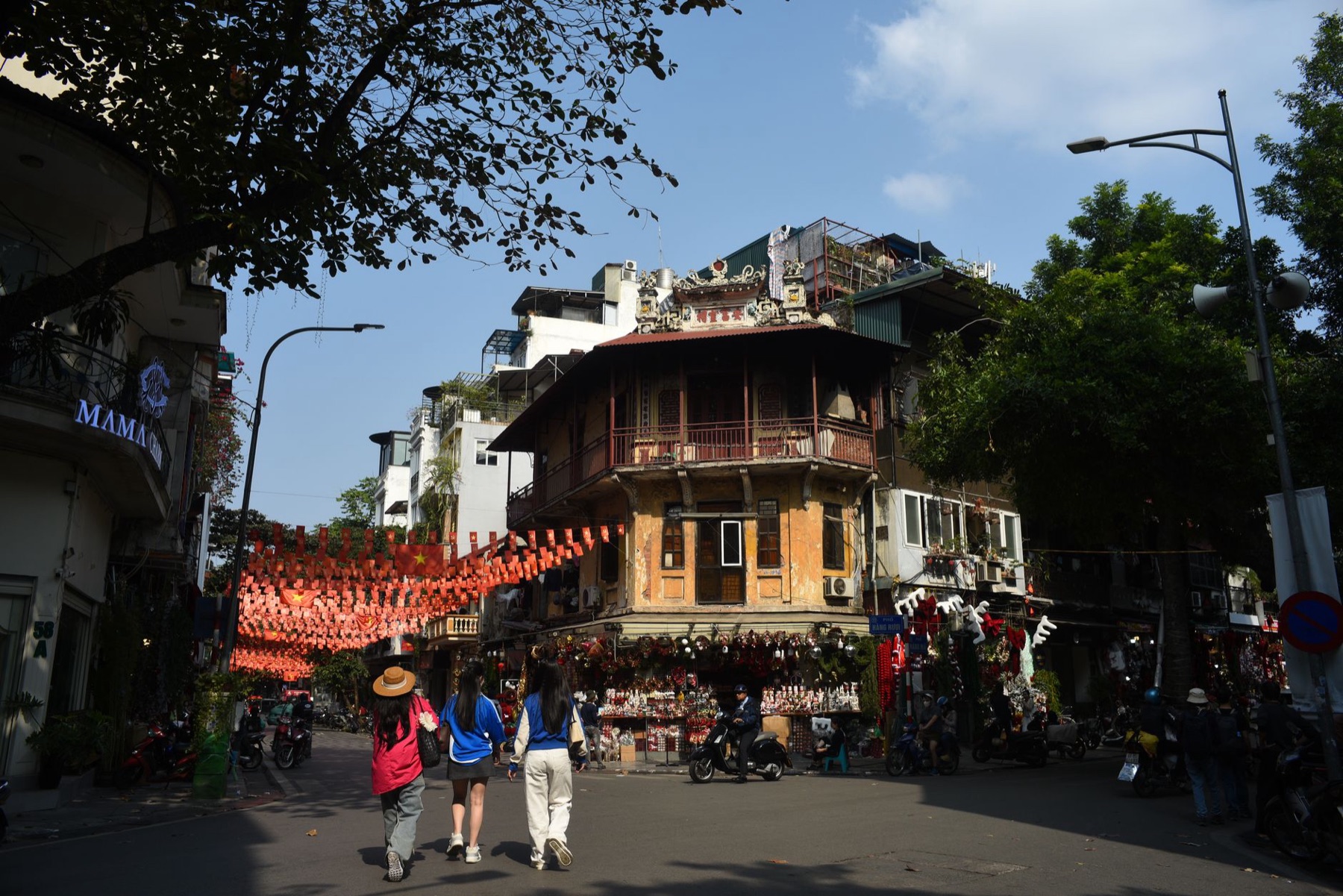
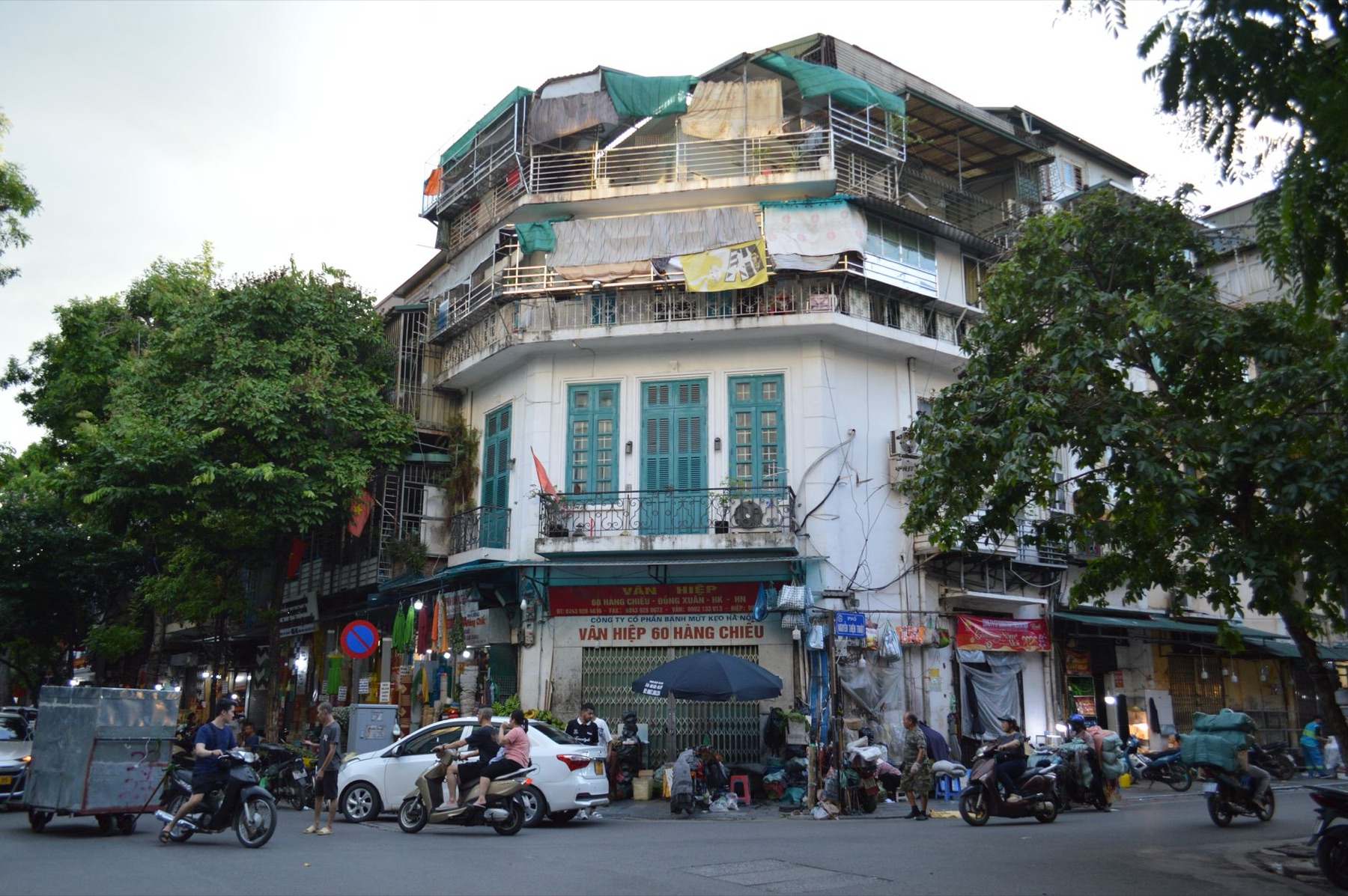
Day 1 focuses on the labyrinthine Old Quarter (36 Pho streets, Hoan Kiem district), Hoan Kiem Lake, and street food. Start at Hoan Kiem Lake at 06:00—locals and tai chi practitioners own it before tourists arrive. Walk the perimeter (30 minutes), visit Jade Island Temple (Ngoc Son), then plunge into the Old Quarter's winding alleys. Each street historically specialized: Pho Gai (silk), Pho Hang Dau (hemp), Pho Hang Ngang (hardware). Grab breakfast pho at a busy street stall (around 40,000–60,000 VND / $1.60–2.40 USD). Spend the afternoon exploring Hang Bong, Hang Ma (decorated with lanterns and fake flowers for festivals), and Pho Hue. Dinner: grilled fish (ca nuong) or egg coffee at a rooftop café overlooking the lake (around 150,000–250,000 VND / $6–10 USD for two). Avoid the pedestrian mall near Hang Bong on weekends—overcrowded and tourist-trap prices.
Pro tip: Skip the paid "Old Quarter walking tours" unless you want English-language stories; just follow the crowds or a paper map and observe.
Should I book a Ha Long Bay or Ninh Binh day trip on Day 2?
Both are legitimate, but timing matters. Ha Long Bay (160 km northeast) requires 2–3 hours each way plus cruise time—a true overnight or full-day tour wastes travel hours. Day-trip cruises (6–8 hours round-trip) hit Sung Sot Cave and Surprise Beach but feel rushed. Ninh Binh (100 km south) is tighter: boat ride through Tam Coc gorge, Hang Mua cave hike, and Hoa Lu ancient capital temples fit into 8 hours. If you have only one day outside Hanoi, choose Ninh Binh. If you're staying longer (4+ days), commit to Ha Long Bay overnight. Expect to pay around 1.2–1.8 million VND ($48–72 USD) for a Ninh Binh tour; Ha Long overnight cruises start around 2.5–3.5 million VND ($100–140 USD) per person.
Check this before booking:
- Does the tour include fuel, guide, and lunch?
- Is it a private or shared group (shared = cheaper but slower)?
- Are pickups from your hotel or a central meeting point?
What are the must-see temples and historical sites on Day 3?
Day 3 = history within Hanoi. Temple of Literature (Van Mieu, Dong Da district) is the real deal—founded 1070, still active with exam-prep students. Arrive before 09:00 (around 30,000 VND / $1.20 USD entry). Walk the courtyards slowly; skip the gift shop. Ho Chi Minh Mausoleum complex (Ba Dinh district) is respectfully run but touristy; queue early, follow the dress code (no shorts/sandals), and allow 1.5 hours. Free entry. Tran Quoc Pagoda (Tay Ho district, on an island in West Lake) is peaceful but smaller—good if you have time. One Pillar Pagoda (Ba Dinh) is a 5-minute photo stop; don't pay touts claiming it's "closed for repairs." End with a visit to the French Quarter (Hoàn Kiếm district)—colonial architecture, bookshops, and low-key cafés. Dinner at a traditional hang (narrow vertical shop-house) serving pho or banh mi.
What to skip: Hoa Binh Theatre, Water Puppet Theatre (overrated for the price; one show feels enough), and paid pagoda "tours" in alleys.
How should I move around without taxis or ride-apps?
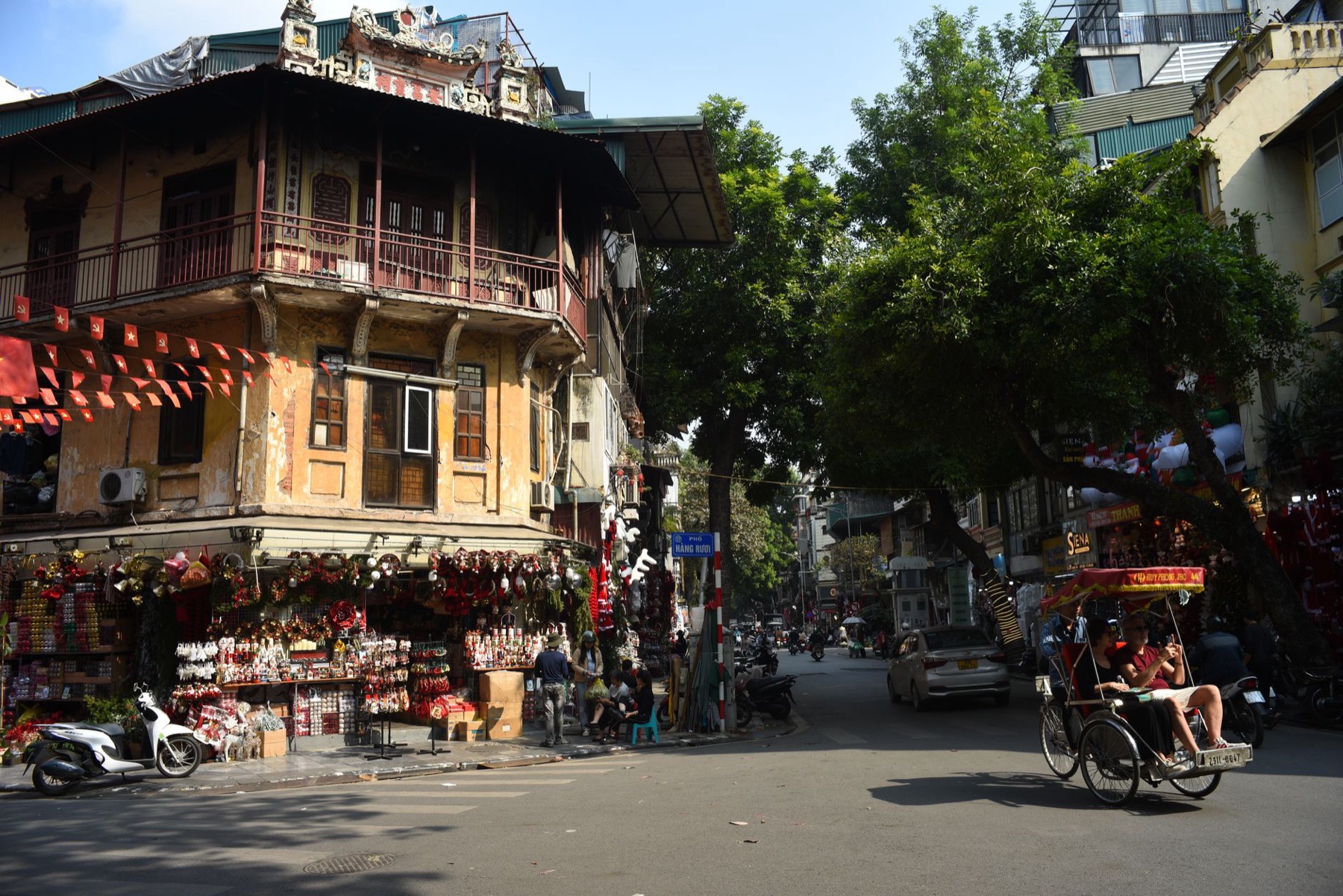
Walking is fastest in the Old Quarter (most alleys are one-way and chaotic for vehicles). For longer distances, grab Grab (ride-hailing app; around 50,000–100,000 VND / $2–4 USD for 3 km) or a regulated taxi (Hanoi Taxi 4677 or Hoang A Taxi; similar rates). Skip Uber—it pulled out of Vietnam years ago. Cyclos (pedal rickshaws) are charming but slow and tourist-targeted; use only if time is unlimited. Buses are cheap (around 7,000–20,000 VND / $0.28–0.80 USD) but require familiarity with stops. Rent a motorbike only if you've ridden in Hanoi traffic before—the learning curve is real. Best move: download a paper map or offline Google Maps, wear comfortable shoes, and walk neighborhoods you want to see. You'll spot street food, locals, and photo ops that taxis miss.
📸 Book an ao dai photoshoot in Hanoi or Saigon (Cáo Studio)
What should I eat, and how much should I spend on food?
Breakfast: Pho at a busy corner stall costs around 40,000–70,000 VND ($1.60–2.80 USD). Lunch: Banh mi (Vietnamese sandwich) from a street vendor, 20,000–35,000 VND ($0.80–1.40 USD). Egg coffee at a lakeside café, 30,000–60,000 VND ($1.20–2.40 USD). Dinner varies wildly—a meal at a sit-down pho restaurant runs 80,000–150,000 VND ($3.20–6 USD) per person; tourist-facing restaurants, 300,000–600,000 VND ($12–24 USD). Specialties to try: ca nuong (grilled fish), cha ca (turmeric fish), bun cha (grilled pork with noodles), pho bo (beef noodle soup), banh xeo (crispy pancakes). Avoid seafood stalls in the Old Quarter's Hang Buom area—locals know the quality is variable. Street snacks (nem ran, spring rolls) are safe if cooked fresh in front of you. Estimate 500,000–800,000 VND ($20–32 USD) daily for food if you eat mostly street food and one casual dinner.
---
| What to Take Home | Who It's For | Why It Works |
|---|---|---|
| Embroidered handiwork (silk scarves, table runners) | People who love artisan textiles | Hanoi's Hang Gai street has authentic pieces; lightweight, meaningful |
| Lacquerware (boxes, coasters, trays) | Home décor lovers | Traditional Vietnamese craft; durable; fits luggage easily |
| Coffee (Trung Nguyen, local roast) | Coffee enthusiasts | Vietnam's famous robusta; cheaper than home; easy to pack |
| Ao dai fabric or tailor-made piece | Fashion-forward travelers | Have Cáo Studio photograph you in an ao dai, then commission a custom piece |
| Hand-painted ceramics (blue & white) | Art collectors | Local workshops in Bat Trang village (30 km south) offer authentic pieces |
🎟️ Compare tours & tickets for this place
Souvenirs worth your money are handcrafted (embroidered scarves, lacquered boxes, ceramics from Bat Trang village), locally sourced (coffee, honey), and not mass-produced. Hang Gai Street in the Old Quarter is tourist-oriented but less scammy than random alleys. Bat Trang pottery workshops (south of Hanoi, 30 km) offer ceramics at source prices (around 100,000–500,000 VND / $4–20 USD for a unique piece). If you're staying longer, consider a custom ao dai: book a photoshoot with Cáo Studio, then have a tailor in the Old Quarter (Hang Gai or Nha Tho Street) make a piece based on the photos—budget around 1–2 million VND ($40–80 USD) for a full outfit.
What's the honest take—what to avoid and common mistakes?
Mistakes we see repeatedly:
- Booking a Ha Long Bay day trip that wastes 5 hours on roads. Choose Ninh Binh or commit to an overnight cruise.
- Staying in a touristy Old Quarter hotel and never leaving the area. Hanoi's real neighborhoods (Tay Ho, Ba Dinh, Dong Da) are quiet and walkable.
- Taking taxis from "unofficial" stands. Use Grab or a branded taxi firm.
- Eating at sit-down restaurants with picture menus in Pho Huen. Street food tastes better and costs 1/5 the price.
- Joining a "cyclo tour" expecting authenticity—it's a money pit for photos.
- Overstaying the Old Quarter. The neighborhood is fun but small; 1.5 days is enough. Move to West Lake or the French Quarter for Day 2.
What actually deserves your time:
- Sunrise at Hoan Kiem Lake (free, worth the 06:00 wake-up).
- Temple of Literature (calm, historical, underrated).
- A cooking class or street-food tour (only if led by locals, not tour companies; ask your hotel staff for recommendations).
- Watching the sunset from a rooftop café over the Red River.
- Getting lost in a specific alley (Pho Hang Dau, Pho Hue, Pho Nho) without a plan.
---
Before you finalize your itinerary, check:
- Do you need an eSIM or local SIM for data? Get Vietnam eSIM here.
- Have you applied for a visa? Vietnam e-visa: online, 3–5 days.
- Is 3 days enough, or should you extend to 4+ days and explore Sapa or nearby Hoi An?
- Are you photographing souvenirs or yourself? Book a professional ao dai shoot with Cáo Studio.
🗺️ Back to the main Hanoi guide
---
FAQ
Is 3 days really enough for Hanoi, or should I stay longer?
Three days covers Hanoi's highlights responsibly—Old Quarter, temples, a lake. For deeper exploration (art scene, cooking schools, West Lake villages), stay 4–5 days. If you're doing a day trip (Ha Long, Ninh Binh), 3 days feels tight; add a day if possible.
What's the best time of year to visit?
October–November (autumn) and March–April (spring) are ideal—cool, dry, and clear skies. Summer (May–September) is hot and humid; winter (December–February) is cool but can be hazy. Avoid Tet (Lunar New Year, late January–early February) unless you want crowded temples and closed shops.
How much cash should I bring? Can I use cards?
Carry around 2–4 million VND ($80–160 USD) in cash for the 3 days. ATMs are everywhere (no fees); most hotels and restaurants accept cards, but street-food stalls and small shops are cash-only. Visa and Mastercard work; American Express less so.
Is the Old Quarter safe at night?
Yes, it's heavily touristed and policed. Avoid isolated alleys past 23:00, don't flash expensive phones, and use Grab (not walking) if returning after midnight. Petty theft is rare but pickpocketing happens in crowds—watch bags near Hang Bong Market.
Should I hire a private guide or join a group tour?
Private guides (around 1–1.5 million VND / $40–60 USD for a full day) are worth it if you want stories and personalized pace. Group tours are cheaper but slower. Best move: skip tours for Days 1–2, hire a guide only for temples on Day 3 if you want historical context.
FAQ
Is 3 days really enough for Hanoi, or should I stay longer?
Three days covers Hanoi's highlights responsibly—Old Quarter, temples, a lake. For deeper exploration (art scene, cooking schools, West Lake villages), stay 4–5 days. If you're doing a day trip (Ha Long, Ninh Binh), 3 days feels tight; add a day if possible.
What's the best time of year to visit?
October–November (autumn) and March–April (spring) are ideal—cool, dry, and clear skies. Summer (May–September) is hot and humid; winter (December–February) is cool but can be hazy. Avoid Tet (Lunar New Year, late January–early February) unless you want crowded temples and closed shops.
How much cash should I bring? Can I use cards?
Carry around 2–4 million VND ($80–160 USD) in cash for the 3 days. ATMs are everywhere (no fees); most hotels and restaurants accept cards, but street-food stalls and small shops are cash-only. Visa and Mastercard work; American Express less so.
Is the Old Quarter safe at night?
Yes, it's heavily touristed and policed. Avoid isolated alleys past 23:00, don't flash expensive phones, and use Grab (not walking) if returning after midnight. Petty theft is rare but pickpocketing happens in crowds—watch bags near Hang Bong Market.
Should I hire a private guide or join a group tour?
Private guides (around 1–1.5 million VND / $40–60 USD for a full day) are worth it if you want stories and personalized pace. Group tours are cheaper but slower. Best move: skip tours for Days 1–2, hire a guide only for temples on Day 3 if you want historical context.