Hanoi · Itinerary
5 Days in Hanoi Itinerary: Walk, Eat & Stay Real
By Wander in Vietnam editorial team · Hanoi, Vietnam
Five days is the sweet spot in Hanoi—long enough to move beyond the guidebook classics, short enough to stay curious. We've seen every common mistake: tourists stuck in the Old Quarter eating at touristy pho chains, missing the city's real rhythm in districts like Tay Ho and Ba Dinh. This guide is what we actually do when we have five days, and where to spend money wisely.
How much time should you spend in each neighbourhood?
Dedicate Day 1–2 to the Old Quarter (Hoan Kiem District), where 36 streets still follow their medieval trades—Hang Gai (silk), Hang Dau (silk again), Hang Ngang (spices). Day 3 covers Ba Dinh District: the Ho Chi Minh Mausoleum complex, One Pillar Pagoda, and the Temple of Literature in the south. Day 4 is Tay Ho (West Lake) and northern suburbs for Thay Pagoda or a half-day trip. Day 5 is best spent 90 minutes south in Ninh Binh (Hang Mua, Tam Coc), or exploring the southern neighbourhoods (Dong Da, Cau Giay) if weather is poor.
The mistake: cramming 15 temples into 5 days. You'll see nothing but interiors and stairs.
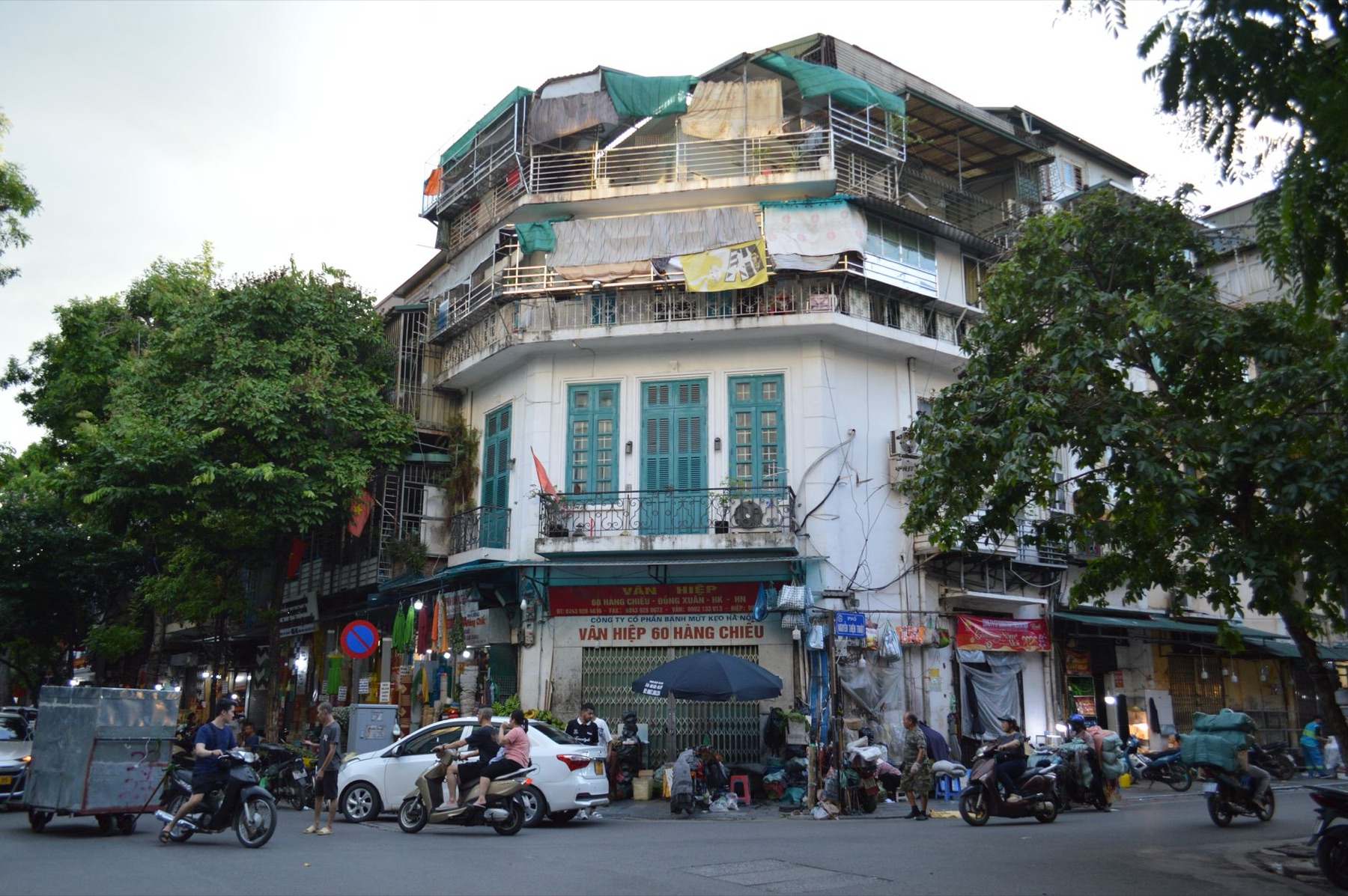
Day 1: Old Quarter walking route—where to actually eat
Start early at Hoan Kiem Lake. 6 a.m.–7 a.m. sunrise walk, no crowds. Buy water (around 10,000–15,000 VND / $0.40–0.60) at a 7-Eleven near Hang Dau Street. Breakfast at a family-run pho shop on Hang Gai—not Pho Thin (overrated, packed), but unmarked pho stalls in the side alleys. Ask locals: "Pho ngon o dau?" (Where's good pho?). Expect 30,000–40,000 VND ($1.20–1.60) for a bowl that's been made since 5 a.m.
Walk the grid of streets: Hang Ngang → Hang Dau → Hang Bac (silver). Stop at Thang Loi ice cream (Trang Tien Street), a 1950s freezer bar where we grab fresh lime sorbet, around 20,000 VND ($0.80). Lunch at Bun Cha (grilled pork with rice noodles)—find family places on Hang Cot, not tourist menus. Budget 40,000–60,000 VND ($1.60–2.40).
Afternoon: Hoan Kiem Temple (free, 8 a.m.–5 p.m.). Stick Angkor-style crowds here. Then climb Hanoi Flag Tower (Ba Dinh Citadel perimeter) for city views—around 30,000 VND ($1.20). End at Thang Long Water Puppet Theatre (evening show, 8 p.m., tickets around 100,000–150,000 VND / $4–6 depending on seat). Sit upper rows to see the puppets clearly, not the stage lights.
Dinner: Egg coffee on Hang Gai. Skip the Instagram spots; find Giang or Vieng (small, no English menu, bitter espresso with whipped egg)—around 30,000–40,000 VND ($1.20–1.60).
🗺️ Plan your route: Vietnam itinerary
Day 2: Temples, literature & the real lake life
Visit the Temple of Literature (Van Mieu) in the south-central area, 7:30 a.m.–5 p.m., around 30,000 VND ($1.20). Go early—crowds peak 10 a.m.–3 p.m. This is Hanoi's oldest university (1070) and genuinely moving; most tourists rush through in 20 minutes.
Lunch in Dong Da neighbourhood, near the temple. Seek out Bun Rieu Cua (crab tomato noodle soup), a working-class staple around 35,000–50,000 VND ($1.40–2.00). Ask street vendors for direction—locals eat here daily.
Afternoon: rent a bike or scooter (around 80,000–120,000 VND / $3.20–4.80 per day from hostels or small rental shops in the Old Quarter). Head to Tay Ho (West Lake) via the Thanh Nien cycling path. Stop at Yen Phu (old village on the lake edge) for fresh sugar cane juice and old-Hanoi vibes. The lake loop is 9 km; cycle 2–3 km, rest, eat again.
Late afternoon: Sunset at Tay Ho's public beach (free, peacefully unglamorous). Grab street food—crab paste fried rice or grilled sweetcorn—from vendors at the water's edge, around 20,000–35,000 VND ($0.80–1.40).
Dinner back in the Old Quarter at a seafood spot on Hang Than—live crab tanks visible from the street. Order grilled shrimp or fish with herbs. Budget 120,000–200,000 VND ($4.80–8.00) for two people with rice and water.
Day 3: Ba Dinh temples & suburban pagodas
Take a taxi or Grab (around 50,000–80,000 VND / $2–3.20) to Ho Chi Minh Mausoleum complex. Visiting hours: 8 a.m.–11 a.m., 2 p.m.–4 p.m.; closed Mondays & Fridays. Tickets around 40,000 VND ($1.60). Dress respectfully (no shorts, hats, sunglasses inside). The mausoleum queue is long but fast-moving.
Walk to One Pillar Pagoda (within complex, included ticket) and the Presidential Palace gardens (around 30,000 VND / $1.20, viewing exterior only, weekends 9:30 a.m.–11:30 a.m.). Photos allowed outside only.
Lunch in Ba Dinh neighbourhood at Pho Suong or similar family shops—30,000–45,000 VND ($1.20–1.80).
Afternoon: hire a Grab driver for a half-day tour to Thay Pagoda (30 km west) or Tram Pagoda (20 km south-west). Cost around 400,000–600,000 VND ($16–24) for 4–5 hours total (driver waiting). Thay Pagoda is water-set and architecturally stunning; expect crowds on weekends. Skip if it rains—muddy, cramped.
Return to Old Quarter by 5 p.m. Dinner at a rooftop beer bar (Tadioto, Alchemy, etc.) for sunset drinks and grilled seafood—budget 200,000–300,000 VND ($8–12) per person.
📸 Book an ao dai photoshoot in Hanoi or Saigon (Cáo Studio)
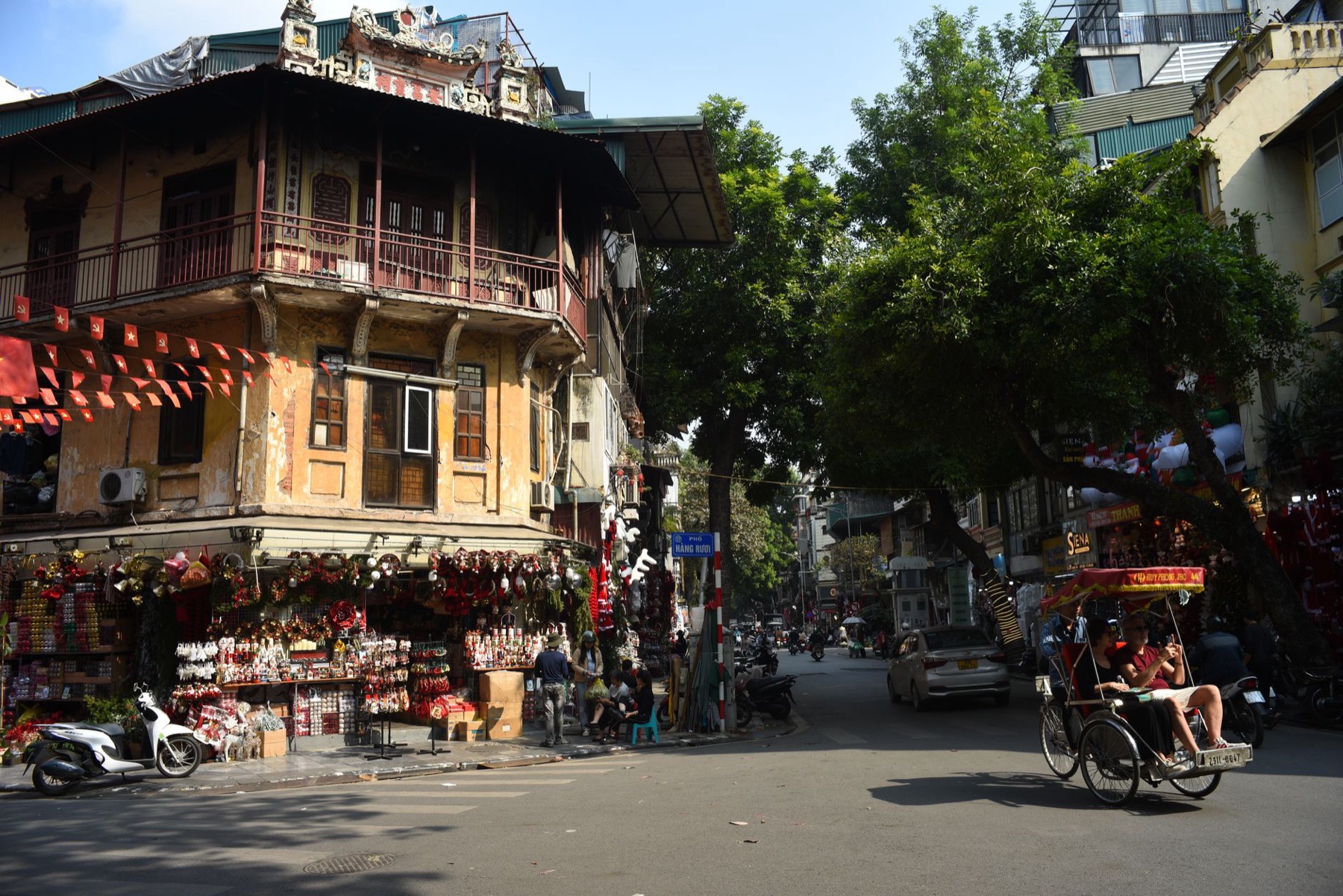
Day 4: Day trip to Ninh Binh or explore southern districts
Option A: Ninh Binh (recommended if weather is clear) Take a minibus or train (90 minutes) from Hanoi Station to Ninh Binh town. Tickets around 60,000–100,000 VND ($2.40–4). Arrive by 8 a.m. Book a local guide for Hang Mua (limestone karst hike, 1.5 hours up, panoramic views) or Tam Coc (boat through caves, 2 hours, paddled by local women). Tours run 250,000–400,000 VND ($10–16) including transport and lunch from guesthouses. Return evening train/bus to Hanoi by 6 p.m. (book tickets in advance).
Option B: Southern Hanoi (if Day 5 is Ninh Binh instead) Explore Dong Da, Cau Giay, and Thanh Xuan districts via public bus or scooter. Visit Ho Tay (West Lake) Museum or smaller pagodas like Quan Thanh Pagoda (Ba Dinh, free, serene). Eat Cha Ca (turmeric fish) on Cha Ca Street—around 50,000–80,000 VND ($2–3.20) per bowl. Less touristy, more local energy.
Dinner: Night market street food, or a sit-down meal at a neighbourhood pho place.
Day 5: Day trip, rest day, or departure prep
If you skipped Ninh Binh on Day 4, go now. If done, spend the morning browsing the Old Quarter's small shops—silk scarves, lacquerware, traditional crafts (see collections below for keepsake ideas). Many shops open 9 a.m., close 6 p.m. Avoid marked-up tourist shop chains; ask hostel staff for real artisan studios.
Lunch at a banh mi stand (Banh Mi Pate on Hang Be Street, around 25,000–35,000 VND / $1–1.40). Afternoon: rest at a café (Cafe Nhan or Cafe Pho Co, traditional wooden houses, around 20,000 VND / $0.80 for iced coffee).
Pack, arrange airport transport (Grab 150,000–250,000 VND / $6–10), and eat a final dinner wherever you loved most. Repeat.
Real costs for 5 days (budget range)
| Item | Budget | Mid-range | Notes |
|---|---|---|---|
| Accommodation (per night) | 250,000–400k VND ($10–16) | 600k–1M VND ($24–40) | Hostels vs. mid-hotels |
| Food per day | 200k–300k VND ($8–12) | 400k–600k VND ($16–24) | Street food vs. sit-down |
| Transport (local) | 100k–150k VND ($4–6) | 200k–300k VND ($8–12) | Buses, taxis, bikes |
| Attractions (tickets) | 100k–150k VND ($4–6) | 150k–250k VND ($6–10) | Temples, museums, guides |
| 5-day total | ~2M VND ($80–100) | ~3–4M VND ($120–160) | Excludes flights |
🎟️ Compare tours & tickets for this place
What to check before you book (and what to skip)
Real problems we encounter:
- Old Quarter noise: Hotels on Hang Gai, Hang Bac stay loud until midnight (tuk-tuks, karaoke bars). Budget accommodation on quieter side streets (Hang Cot, Hang Ngang alleys) costs the same but sleep is better.
- Mausoleum etiquette: Military guards enforce dress code strictly. No one cares if your shorts are 2 cm above the knee at a pagoda, but here they do. Wear pants, closed shoes, and no hats.
- Tourist pho traps: Pho shops with English menus on Hang Gai and Hang Bac charge 60,000–80,000 VND ($2.40–3.20) for the same bowl a local pays 35,000 VND ($1.40) for. Walk 50 meters into an alley, no sign, no English—that's the real place.
- Grab surge pricing: 7–9 a.m. and 5–7 p.m. are peak hours. Fares double. Walk if your hotel is in the Old Quarter (everything is walking distance).
- Overrated: Water puppet theatre is memorable, not transcendent. One show is enough. Skip the "authentic village experience" day tours—they're scripted, crowded, and often exploitative.
- Skip entirely: Hoa Lo Prison museum (Hanoi Hilton)—brief, crowded, limited English. Old quarter walking tours with 20 people—hire a private local guide instead (ask your hostel, around 200,000 VND / $8 for 2–3 hours).
Where to grab gifts and keepsakes
Before you leave Hanoi, pick up a meaningful souvenir that won't clutter a backpack. Silk scarves, hand-embroidered items, lacquer coasters, and star map prints (personalized with the date you visited) make thoughtful gifts that travel well. Browse collections of keepsakes and prints for ideas that fit a traveler's budget. Silk items are cheapest in the Old Quarter; support artisan studios instead of chain shops.
📸 Book an ao dai photoshoot in Hanoi or Saigon (Cáo Studio)
If you want a professional portrait in traditional Vietnamese ao dai, visit Cáo Studio in Hanoi's Old Quarter for hair, makeup, and photography—a lasting memory of your time here.
For staying connected across Vietnam, a local eSIM for Vietnam keeps you online for bus bookings, Grab rides, and messaging family—around $5–15 for 5 days, no tourist sim card markup.
After Hanoi, explore the rest of Vietnam: Ha Long Bay (3 days), Hoi An (3 days), Ho Chi Minh City (3 days), or Sapa highlands (2–3 days). Read our guides for each region.
---
FAQ
Is 5 days enough for Hanoi?
Yes. Five days covers the Old Quarter, major temples, and a day trip out. Ten days lets you slow down, take cooking classes, and explore northern villages. Most visitors spend 3–4 days and feel rushed. We recommend five as the minimum to actually remember the city.
When's the best time to visit Hanoi?
October–November and March–April: cool, dry, clear skies. December–February is cold (5–15°C) but crisp and great for walking. May–September is hot, humid, and rainy (frequent afternoon downpours)—temples flood, motorbikes slide. Avoid Tet (lunar new year, late January/February): museums and shops close, transport is chaos.
Do I need a tour guide?
No, but a half-day guided tour (4–5 hours, around 200,000–350,000 VND / $8–14 per person) on Day 1 saves time and teaches genuine history. Skip large group tours (20+ people). Ask your hostel for a private local guide instead. Self-walking with a map app works fine for the Old Quarter and temples.
Is it safe to walk at night?
Yes. Hanoi is safe for solo travellers at night. Stick to main streets (Hang Gai, Hang Bac, Trang Tien) and lit areas. Motorbike theft is real—don't rent unless you're confident locking it. Petty pickpocketing in crowded markets is rare but possible; keep bags zipped, phones in front pockets. Avoid dark alleys and sketchy karaoke bars after midnight.
Can I visit Ha Long Bay or Ninh Binh on a day trip?
Ninh Binh: yes, easily (90 minutes by train or minibus). Ha Long Bay: technically yes, but 3.5+ hours each way, leaving 4–5 hours on the water—rushed and exhausting. Better to overnight in Ha Long City or book a 2-day cruise departing Hanoi early morning. Our Ha Long Bay guide details this fully.
How do I get around Hanoi cheaply?
Grab (motorcycle taxi or car) is cheapest: 20,000–80,000 VND ($0.80–3.20) per trip depending on distance. Public buses cost 5,000–10,000 VND ($0.20–0.40) but routes are complex without Vietnamese. Walk everywhere in the Old Quarter (it's 1 km across). Rent a scooter if confident (80,000–150,000 VND / $3.20–6 per day), but traffic is chaotic and accidents happen. Most visitors use Grab.
FAQ
Is 5 days enough for Hanoi?
Yes. Five days covers the Old Quarter, major temples, and a day trip out. Ten days lets you slow down, take cooking classes, and explore northern villages. Most visitors spend 3–4 days and feel rushed. We recommend five as the minimum to actually remember the city.
When's the best time to visit Hanoi?
October–November and March–April: cool, dry, clear skies. December–February is cold (5–15°C) but crisp and great for walking. May–September is hot, humid, and rainy (frequent afternoon downpours)—temples flood, motorbikes slide. Avoid Tet (lunar new year, late January/February): museums and shops close, transport is chaos.
Do I need a tour guide?
No, but a half-day guided tour (4–5 hours, around 200,000–350,000 VND / $8–14 per person) on Day 1 saves time and teaches genuine history. Skip large group tours (20+ people). Ask your hostel for a private local guide instead. Self-walking with a map app works fine for the Old Quarter and temples.
Is it safe to walk at night?
Yes. Hanoi is safe for solo travellers at night. Stick to main streets (Hang Gai, Hang Bac, Trang Tien) and lit areas. Motorbike theft is real—don't rent unless you're confident locking it. Petty pickpocketing in crowded markets is rare but possible; keep bags zipped, phones in front pockets. Avoid dark alleys and sketchy karaoke bars after midnight.
Can I visit Ha Long Bay or Ninh Binh on a day trip?
Ninh Binh: yes, easily (90 minutes by train or minibus). Ha Long Bay: technically yes, but 3.5+ hours each way, leaving 4–5 hours on the water—rushed and exhausting. Better to overnight in Ha Long City or book a 2-day cruise departing Hanoi early morning. Our [Ha Long Bay guide](/ha-long-bay) details this fully.
How do I get around Hanoi cheaply?
Grab (motorcycle taxi or car) is cheapest: 20,000–80,000 VND ($0.80–3.20) per trip depending on distance. Public buses cost 5,000–10,000 VND ($0.20–0.40) but routes are complex without Vietnamese. Walk everywhere in the Old Quarter (it's 1 km across). Rent a scooter if confident (80,000–150,000 VND / $3.20–6 per day), but traffic is chaotic and accidents happen. Most visitors use Grab.