Hanoi · Things to do
5 Things to Do in Hanoi: Walking Streets, Lakes & Local Eats
By Wander in Vietnam editorial team · Hanoi, Vietnam
Hanoi rewards slow exploration. Beyond the postcard moments, the city's real charm hides in alleyways, lakeside corners, and family-run restaurants where tourists rarely venture.
We've spent enough time navigating Hanoi's streets to know what actually fills a meaningful visit and what feels like box-ticking. Here are the five things that matter most—and how to do them right.
What's the point of wandering the Old Quarter on foot?
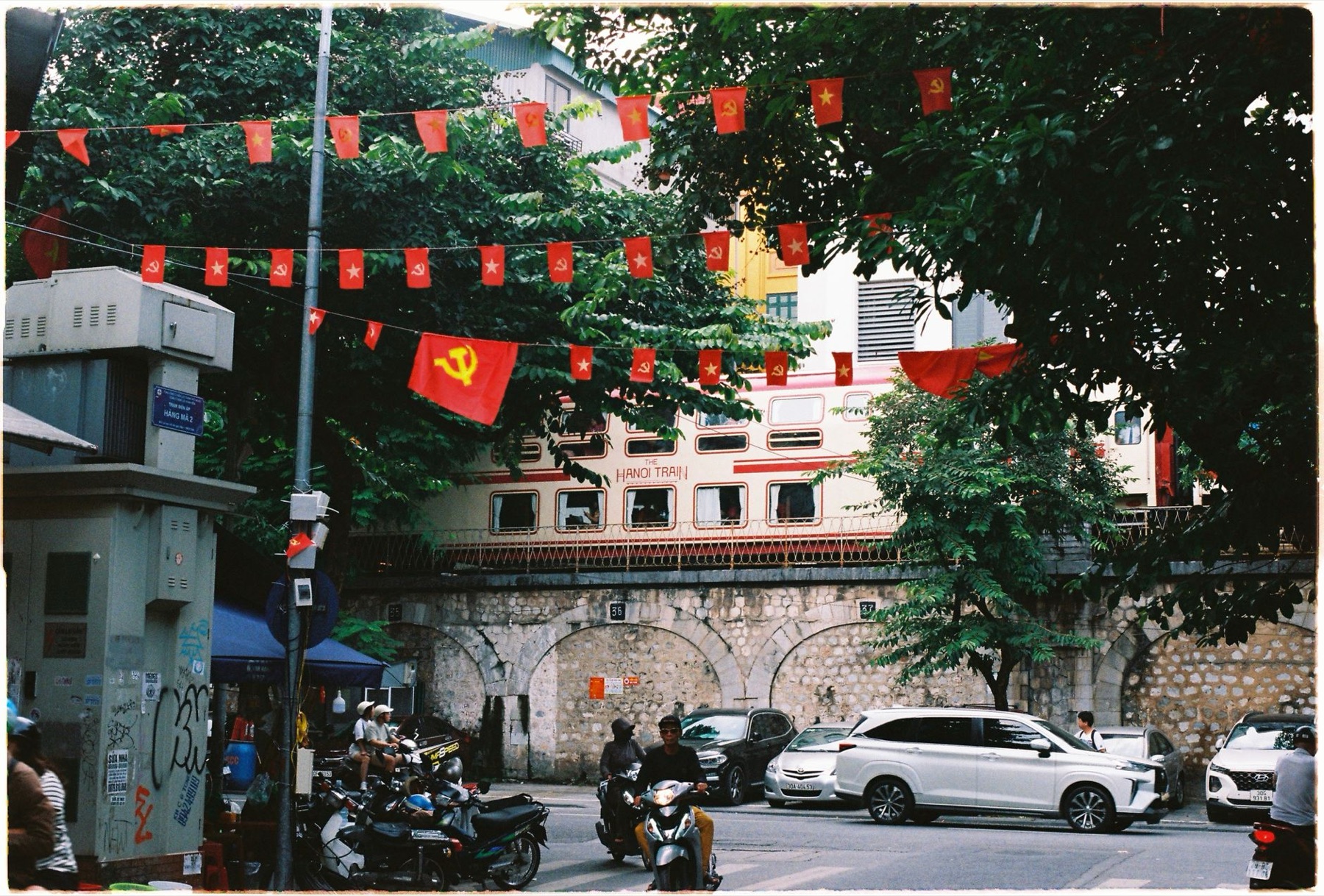
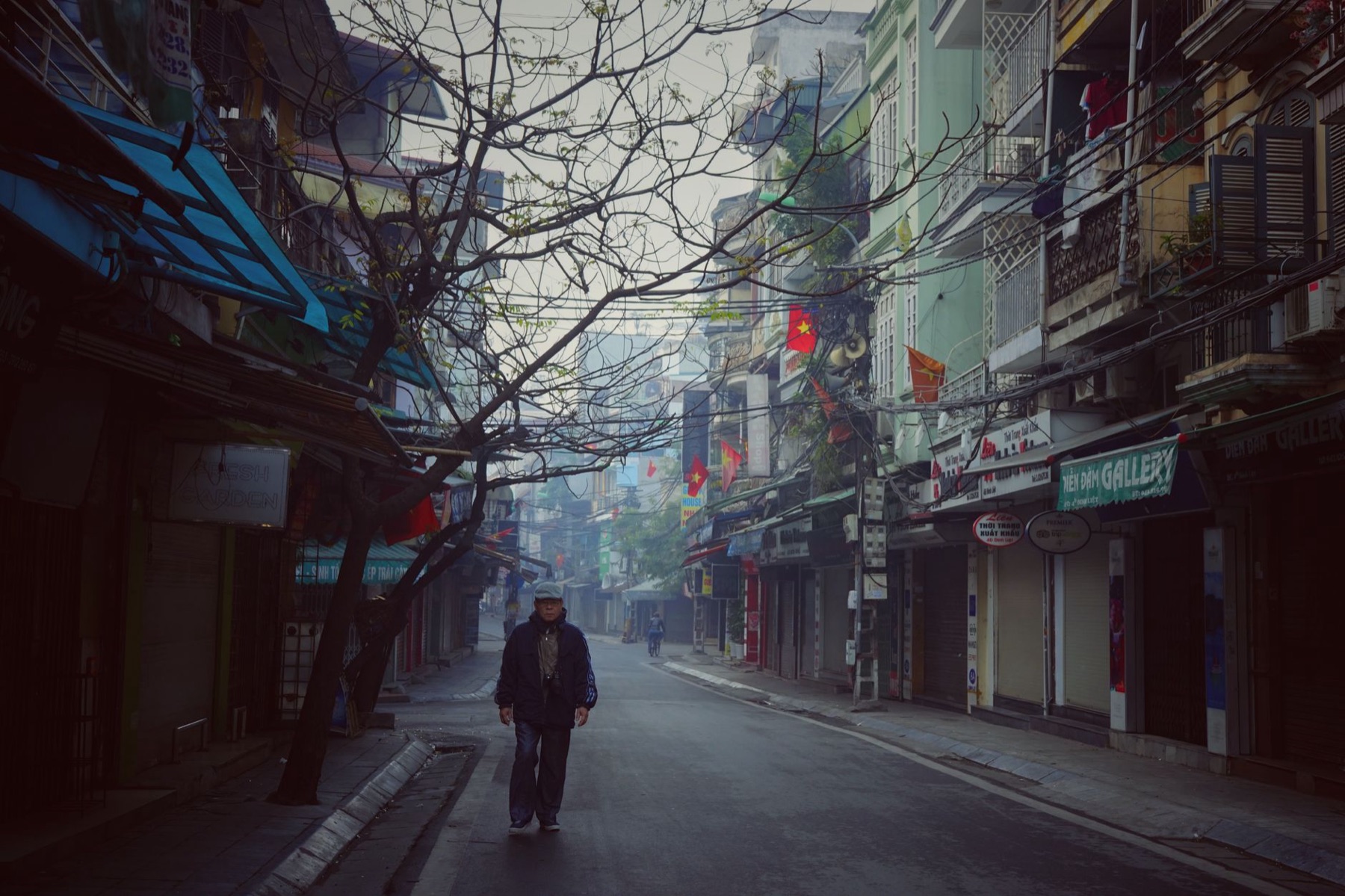
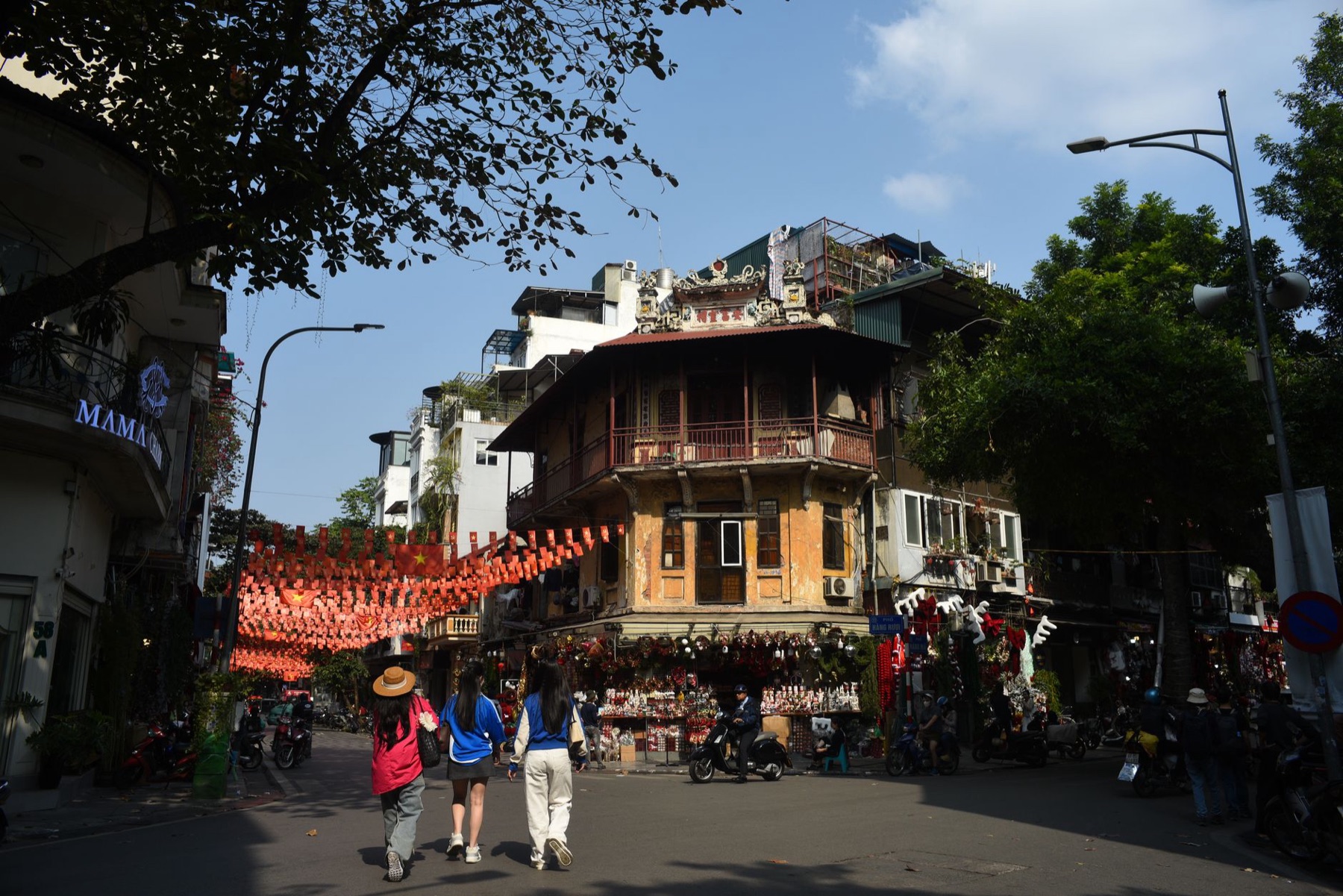
The Old Quarter (Pho Co) isn't one sight; it's a sensory maze of vendor stalls, narrow shophouses, and street-food clusters that only reveal themselves when you slow down. Each street historically sold one product (Silk Street, Silver Street, Shoe Street). Today, 36 streets still reflect that order—chaos with logic underneath.
Walking means you stop for a bowl of pho at a place locals queue for at 6 a.m., sit on a plastic stool, and taste the difference between tourist-trap broths and the real thing. You spot a 15th-century temple tucked between a motorbike shop and a fabric merchant. You catch morning tai chi near Hoan Kiem Lake before crowds arrive.
Avoid hiring a motorbike taxi for a "quick tour"—you'll miss the textures that make Hanoi different. Walking takes 3–4 hours minimum to be worth it. Start early (6–7 a.m.) near the Bach Hoa market entrance to see vendors setting up. Bring cash in small denominations; most stall owners don't use cards.
🗺️ Plan your route: Vietnam itinerary
How do you actually experience water puppetry without feeling touristy?
Water puppetry (roi nuoc) is a 1,000-year-old art form unique to northern Vietnam—not tourist invention. But most travelers sit in theater seats and watch a 45-minute show geared toward international audiences, which flattens the experience into "interesting ritual" instead of living tradition.
The Thang Long Water Puppet Theatre (on Dinh Tien Hoang Street, Ba Dinh District) is the established venue. Tickets run around 100,000–150,000 VND (USD $4–6) depending on seating. Shows run five times daily; the 6 p.m. slot draws fewer tour groups than peak times (8 p.m. evenings).
Better: visit a smaller neighborhood performance if you're here during Tet (lunar new year) or ask your accommodation if any community centers hold amateur rehearsals. The difference is intimate versus spectacle. The story doesn't matter as much as understanding the puppeteers stand waist-deep in water behind a screen, controlling wooden figures with hidden poles and strings. That's the marvel.
Don't book through hotel concierges—buy tickets at the box office to avoid markup. Arrive 15 minutes early to read the English plot summary; the narration is in Vietnamese.
Why does Hoan Kiem Lake deserve more than an Instagram stop?
Hoan Kiem (Sword Lake) sits at Hanoi's geographical and spiritual center. The lake and its surroundings (Hoang Vu Park, the walkway around the water, nearby temples) are free and accessible sunrise to late evening. Most tourists jog through for a photo, then leave.
Actual locals come to walk, not photograph. The 1.7 km shoreline loop takes 25 minutes at a pace that lets you watch tai chi groups, fishermen, and the light change on water. The best time is 5:30–7 a.m. when the water is still and cool, and the turtle tower emerges from mist. Mid-morning crowds peak by 9 a.m.
The Jade Island Temple (on the northern shore) costs around 30,000 VND (USD $1.20) entry. Don't expect major architecture; you're paying for the pilgrimage walk across the red bridge, the incense smell, and the view back toward the city.
Nearby, the Old Quarter's western edge borders the lake. Pho shops and egg coffee cafes cluster along Ta Hien and Luong Ngoc Quynh streets. An egg coffee (ca phe trung) costs around 40,000–50,000 VND (USD $1.60–2), tastes like tiramisu crossed with espresso, and is worth the hype.
📸 Book an ao dai photoshoot in Hanoi or Saigon (Cáo Studio)
Where do you eat like a local without getting lost?
Street food in Hanoi is not a novelty; it's how regular people eat lunch and dinner. The catch: famous tourist streets (Pho Co, Dinh Tien Hoang) have inflated prices and watered-down flavor. Real food happens in residential neighborhoods and markets.
A comparison of Hanoi dining types:
| Dining Type | Neighborhood | Dish | Typical Price (VND) | Why It Works |
|---|---|---|---|---|
| Pho broth stall | Dong Xuan, Ba Dinh | Pho tai (beef broth) | 35,000–50,000 | Open 5 a.m.; locals only; fragrant broth simmered overnight |
| Banh mi cart | Corner of Tran Quang Khai & Dinh Tien Hoang | Banh mi thit nuong | 25,000–35,000 | Fresh bread, pâté, pickled vegetables; made to order |
| Bun cha stand | Hang Dao market perimeter | Bun cha (grilled pork, noodles) | 40,000–60,000 | Charred meat, raw herbs, fish sauce dip; post-lunch rush 12–1 p.m. |
| Com tam shop | Hoan Kiem Lake residential streets | Com tam (broken rice) | 30,000–50,000 | Side dishes vary daily; portions huge; counter seating only |
| Egg coffee house | French Quarter (Trang Tien, Dinh Tien Hoang) | Ca phe trung | 40,000–50,000 | Creamy, sweet, Instagram-famous—but actually delicious |
The mistake tourists make: trusting "carefully made" guides that list the same five overcrowded spots. Instead, eat in Dong Xuan market (northern edge of Old Quarter, opens 5 a.m., quietest by 8 a.m.). Ask your hotel staff or a Vietnamese colleague where they eat—then follow.
Bring small cash; many stalls have no card reader. Eat when locals eat (breakfast 6–8 a.m., lunch 11:30 a.m.–1:30 p.m., dinner 6–7:30 p.m.) to guarantee fresh rotation and avoid leftovers.
Should you stay in Hanoi or day-trip to nearby karsts?
Hanoi itself is a 3–4 day city. If you have more time, the limestone mountains of Ninh Binh (90 km south, 2–3 hours by car or train) feel like a different country—less crowded, more photogenic, and less touristy than Ha Long Bay. Same geology, different vibe.
Ninh Binh attractions: Mua Cave (hike the 500 steps for panoramic views, around 25,000 VND entry), Trang An Grotto (kayak through flooded caves, around 150,000–200,000 VND per person including boat), and Hang Mua area (quiet villages, rice fields). A standard tour costs around 500,000–800,000 VND (USD $20–32) for a full day from Hanoi, includes transport and lunch.
If you're here for a week+, also consider Ha Long Bay (160 km northeast, 3–4 hours) for an overnight cruise through UNESCO limestone islands. Budget around 1,000,000–2,000,000 VND (USD $40–80) for a mid-range shared cabin with meals.
Alternatively, Hoi An (400 km south, 1 hour flight or 15 hours by train) is an ancient town with different architecture, easier vibe, and better beaches if you need rest. Sapa (350 km northwest) is for hill-tribe culture and terraced rice fields but requires 4+ hours travel.
🎟️ Compare tours & tickets for this place
---
What to check before you book
- Timing: Hanoi's best months are October–November and March–April (cool, dry, clear). December–January can be cold and hazy. May–September is hot, humid, and rainy; consider an eSIM for Vietnam to stay connected during weather changes.
- Mobility: The city has no subway; walking, bicycles, and grab bikes are standard. Motorbike taxis (xe om) are cheap but risky for first-timers.
- Visa: Ensure your Vietnam e-visa is valid; it's 90 days for most nationalities.
- Language: English is spoken in hotels and tourist areas, rarely in neighborhoods. A translation app and offline maps help.
- Scams to avoid: Cyclo drivers quoting prices per person instead of per trip, gem "authentication" shops targeting tourists, and overpriced craft beers in Old Quarter bars marked up 3x normal.
---
🗺️ Plan your route: Vietnam itinerary
If you're planning to capture these moments, an ao dai photoshoot in Hanoi through Cáo Studio pairs tradition (silk dress, makeup) with real locations—Old Quarter alleyways, lake reflections, temple courtyards. Professional styling and a guide who knows light and framing make a difference.
For the full picture, explore our Hanoi guide for accommodation, safety, and neighborhood breakdowns. You might also compare Hanoi's energy with Ho Chi Minh City to decide your route, or extend south via Hoi An for a complete itinerary.
FAQ
Is it safe to eat street food in Hanoi?
Yes, if you follow one rule: eat where locals eat and the stall moves volume fast. High turnover means fresh ingredients. Avoid anything that's been sitting uncovered. Stomach issues are rare if you're careful; street food is safer than some mid-range tourist restaurants with poor hygiene. Start with cooked dishes (pho, bun cha) rather than raw spring rolls if your stomach is sensitive.
How much should I budget per day for food in Hanoi?
Eating at local stalls costs around 100,000–200,000 VND (USD $4–8) per day for three meals. Mid-range restaurants (sit-down cafes, neighborhood eateries) run 50,000–100,000 VND (USD $2–4) per meal. Tourist trap restaurants charge 200,000–400,000 VND (USD $8–16) for the same bowl.
What's the best time of day to visit Hoan Kiem Lake?
Early morning (5:30–7 a.m.) is most peaceful and best for photography. The sun rises over the east side, mist lifts off the water, and tai chi groups gather. Mid-morning (9 a.m.–noon) is crowded. Late afternoon (4–6 p.m.) offers softer light but more tourists. Avoid midday (12–3 p.m.) heat unless you're eating at lakeside cafes.
Do I need to book water puppet shows in advance?
No. The Thang Long Water Puppet Theatre has five shows daily; walk-ins are almost always accommodated except during peak season (December–January and July–August). Booking online through a tour operator adds a 30–50% markup over box-office prices. Buy tickets directly at the venue 30 minutes before the show you want.
Should I hire a guide for the Old Quarter?
Only if you want curated history; it's unnecessary for eating and walking. A 2–3 hour walking tour costs around 300,000–500,000 VND (USD $12–20) per person. Better value: ask your hotel staff to sketch a morning route, then explore solo with offline Google Maps. You'll find more unexpected stops that way.
FAQ
Is it safe to eat street food in Hanoi?
Yes, if you follow one rule: eat where locals eat and the stall moves volume fast. High turnover means fresh ingredients. Avoid anything that's been sitting uncovered. Stomach issues are rare if you're careful; street food is safer than some mid-range tourist restaurants with poor hygiene. Start with cooked dishes (pho, bun cha) rather than raw spring rolls if your stomach is sensitive.
How much should I budget per day for food in Hanoi?
Eating at local stalls costs around 100,000–200,000 VND (USD $4–8) per day for three meals. Mid-range restaurants (sit-down cafes, neighborhood eateries) run 50,000–100,000 VND (USD $2–4) per meal. Tourist trap restaurants charge 200,000–400,000 VND (USD $8–16) for the same bowl.
What's the best time of day to visit Hoan Kiem Lake?
Early morning (5:30–7 a.m.) is most peaceful and best for photography. The sun rises over the east side, mist lifts off the water, and tai chi groups gather. Mid-morning (9 a.m.–noon) is crowded. Late afternoon (4–6 p.m.) offers softer light but more tourists. Avoid midday (12–3 p.m.) heat unless you're eating at lakeside cafes.
Do I need to book water puppet shows in advance?
No. The Thang Long Water Puppet Theatre has five shows daily; walk-ins are almost always accommodated except during peak season (December–January and July–August). Booking online through a tour operator adds a 30–50% markup over box-office prices. Buy tickets directly at the venue 30 minutes before the show you want.
Should I hire a guide for the Old Quarter?
Only if you want curated history; it's unnecessary for eating and walking. A 2–3 hour walking tour costs around 300,000–500,000 VND (USD $12–20) per person. Better value: ask your hotel staff to sketch a morning route, then explore solo with offline Google Maps. You'll find more unexpected stops that way.
More: Hanoi guide · Things to do in Hanoi