Hanoi · Itinerary
7-Day Hanoi Itinerary: Old Quarter to Ha Long, Day-by-Day
By Wander in Vietnam editorial team · Hanoi, Vietnam
A solid 7-day Hanoi itinerary splits time between the Old Quarter's markets and colonial landmarks, peaceful morning temple visits, water-puppet theater, and at least one overnight trip to Ha Long Bay or Ninh Binh. We recommend dedicating 3–4 days to central Hanoi (including neighborhoods like Hoan Kiem and Ba Dinh), 2 days to nearby provinces, and one recovery day.
Seven days gives you breathing room—enough to see Hanoi's main sites without burning out, plus a genuine overnight escape. Too many visitors cram it into 3 days and leave exhausted. We've built this framework around real opening times, crowd patterns, and the reality of Hanoi traffic.
🗺️ Plan your route: Vietnam itinerary
What should you do on Days 1–2 in central Hanoi?
Days 1–2 focus on the Old Quarter and surrounding lakes. Start with Hoan Kiem Lake at sunrise (around 5:30–6:00 a.m.). The Turtle Tower sits in the center; the shoreline is packed with joggers and tai chi groups. Entry is free. Walk across the Red Bridge to Ngoc Son Temple (open 7:00 a.m.–6:00 p.m., around 30,000 VND / $1.20 USD entry).
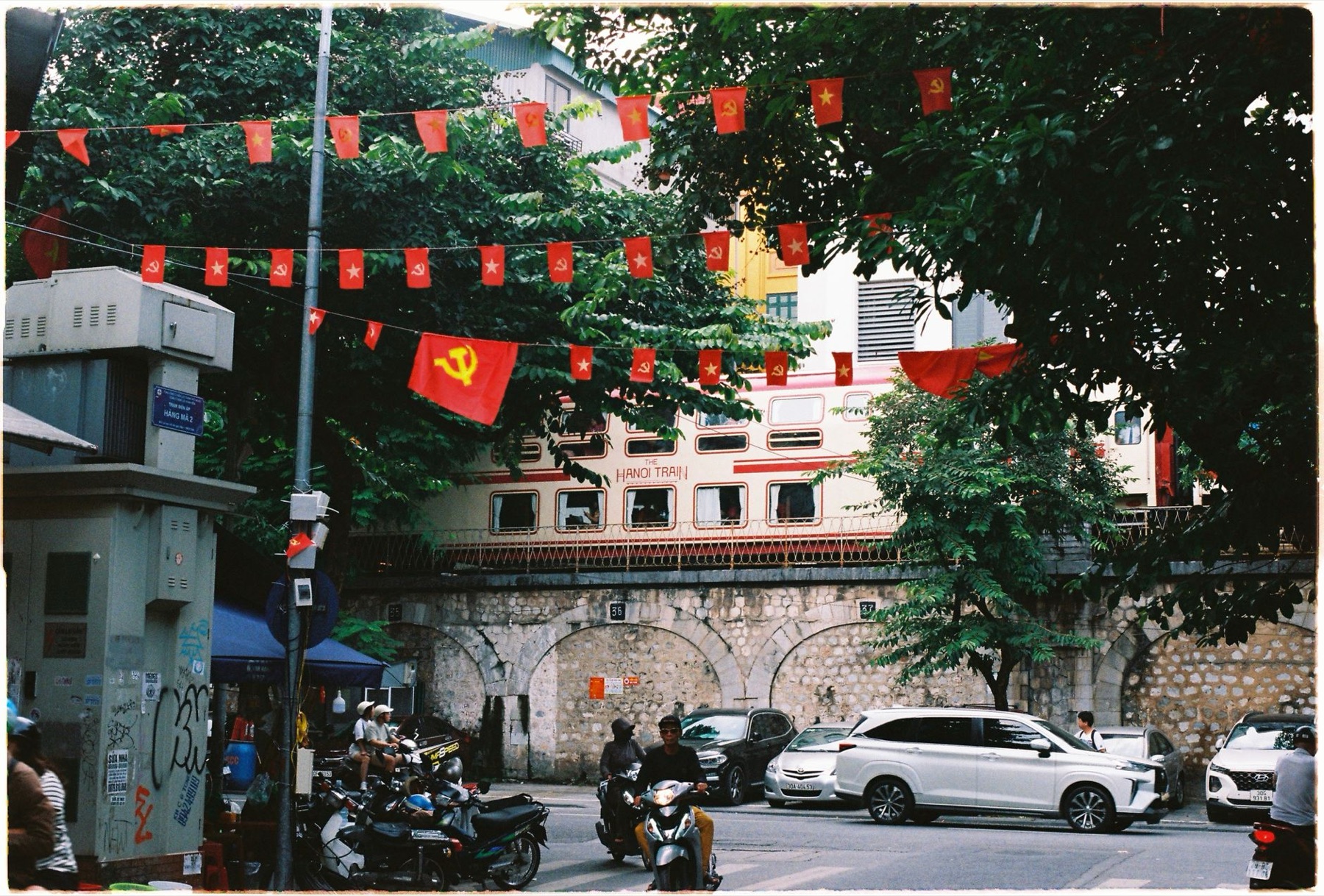
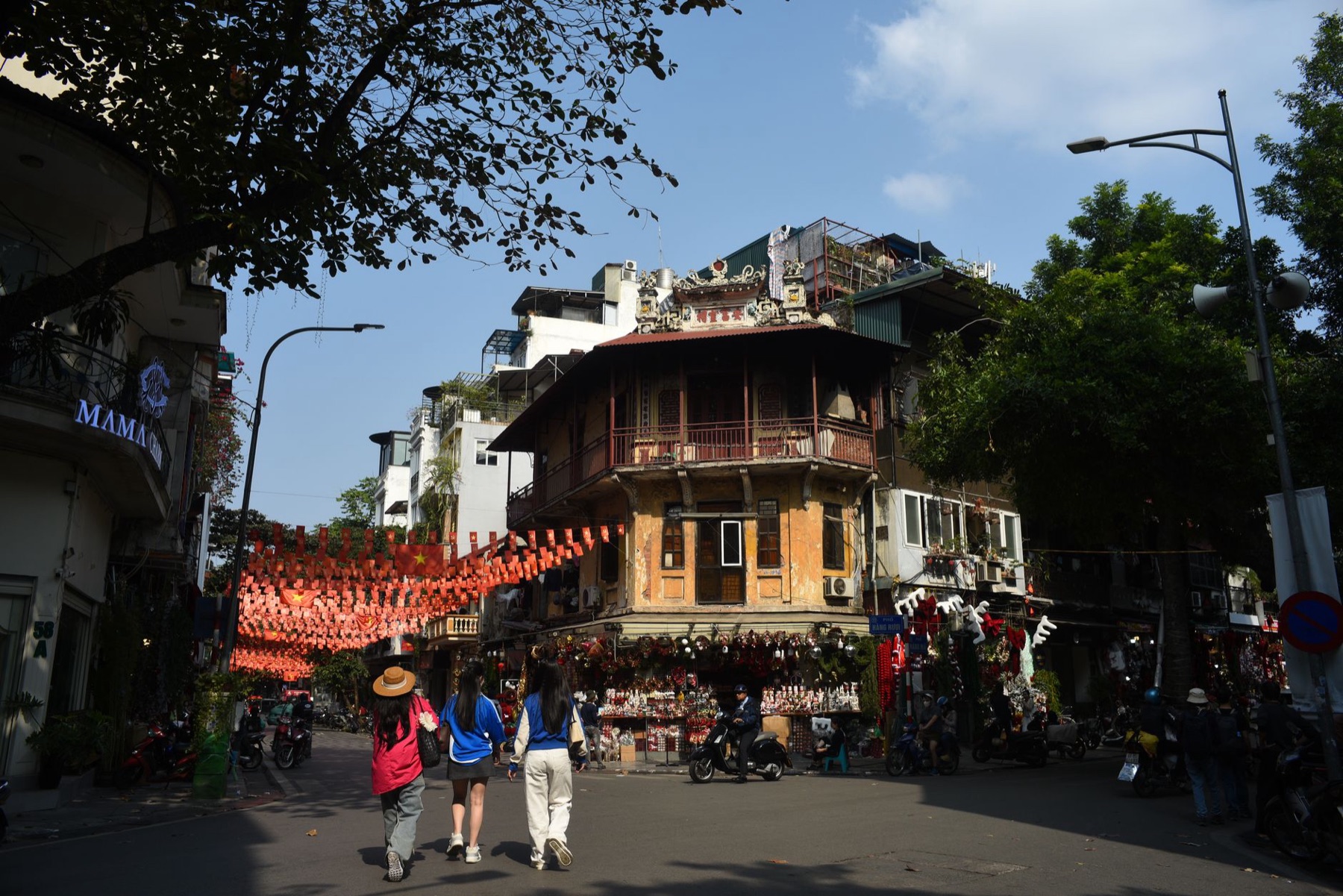
Spend the morning wandering Silver Street (Hang Bac), Silk Street (Hang Gai), and the spice and tin-working lanes. Avoid the obvious tourist traps—instead, duck into Hang Be and Hang Ma for genuine street life. Lunch at a local pho joint in Ba Mau—expect around 40,000–60,000 VND ($1.80–$2.40 USD) for a bowl.
Afternoon: visit the Temple of Literature (Van Mieu), 10 minutes south by taxi (around 50,000–80,000 VND / $2–$3.20 USD). Open 8:00 a.m.–5:00 p.m., entry around 30,000 VND ($1.20 USD). This is Hanoi's oldest university (founded 1070) and genuinely serene. You'll see students practicing calligraphy in the courtyards.
Day 2 morning: French Quarter walk. Start at Trang Tien Street and loop through Hoan Kiem District—colonial villas, tree-lined streets, St. Joseph's Cathedral (1886, free entry). Duck into the Central Post Office (Nha Ga Ha Noi) on Dinh Tien Hoang Street; it's an architectural gem, open 7:00 a.m.–7:00 p.m.
Afternoon: Ho Tay (West Lake). Take a taxi or Grab to the western shore; rent a bicycle for 2–3 hours (around 50,000–100,000 VND / $2–$4 USD) and explore Tay Ho village. Stop at a lakeside café for iced egg coffee (around 40,000–50,000 VND / $1.60–$2 USD).
How do you balance museums and street food on Days 3–4?
Days 3–4 let you deep-dive into Hanoi's culture and eat properly. Day 3: National Museum of Vietnamese History (Museum of Vietnamese History) on Trang Tien Street, 9:00 a.m.–5:00 p.m. (closed Mondays), entry around 40,000 VND ($1.60 USD). Hire a guide or use audio guide—2–3 hours covers pre-history through the French period.
After the museum, head to Hanoi's Hidden Hanoi neighborhood (quieter alleys near Hang Than). This is where we eat lunch: banh cuon (steamed rice rolls, around 30,000–40,000 VND / $1.20–$1.60 USD) at a family shop. Watch the grandmother fold each one.
Late afternoon: Hoa Lo Prison Museum (Hanoi Hilton), 8:00 a.m.–5:00 p.m., around 30,000 VND ($1.20 USD). Somber but essential for understanding 20th-century history. Budget 45 minutes.
Day 4 is all street food and neighborhoods. Start early: breakfast at a north-facing cafe on Hang Ga Street for pho ga (chicken pho, around 40,000 VND / $1.60 USD). Then take a Grab to the OLD EAST GATE area (Cua O Dong) and walk through the fabric and hardware markets—tourists rarely go here, but it's Hanoi's working spine.
Lunch: head to a sticky-rice and grilled-meat stall near Hang Thiec Street (ask locals, around 50,000–80,000 VND / $2–$3.20 USD). Late afternoon: visit the One Pillar Pagoda in Ba Dinh District (free entry, open dawn–dusk), built in 1049 and restored after 1954. It's small but historically iconic.
Evening: Water Puppet Theater at the Golden Turtle Lake Puppet Theatre (8 Trang Tien Street, shows at 8:00 p.m. and 9:30 p.m., tickets around 100,000–200,000 VND / $4–$8 USD). Book online beforehand to avoid queues.
📸 Book an ao dai photoshoot in Hanoi or Saigon (Cáo Studio)
When should you take a day trip—Ha Long Bay or Ninh Binh?
This depends on your energy and what you haven't seen elsewhere in Vietnam. If you're only in northern Vietnam, Ha Long Bay (2.5–3 hours by car or tour coach) is iconic but crowded. If you're planning a longer Vietnam itinerary and will visit Ha Long Bay separately, skip it.
Instead, consider Ninh Binh (1.5–2 hours south) or Sapa (5–6 hours north, but an overnight trip). Ninh Binh offers limestone karsts, river cruises through Tam Coc, and cycling through rural villages. A full-day tour runs around 500,000–800,000 VND ($20–$32 USD) and includes transportation, lunch, and a boat ride.
If you choose Ha Long Bay, use Days 5–6 for an overnight cruise. Most 2-day tours depart from Hanoi around 7:00–8:00 a.m., include 1 night on the water, 2–3 meals, and return by evening of Day 6. Prices range from budget (around 1,200,000–1,500,000 VND / $48–$60 USD) to mid-range (1,800,000–2,500,000 VND / $72–$100 USD). Book through a reputable agency to avoid the "tourist trap" cruises anchored in busy Halong City port.
For Ninh Binh or Sapa as a day trip, you return to Hanoi by evening. This leaves Day 6 for recovery or a second adventure.
| Destination | Distance from Hanoi | Best for | Duration | Rough cost |
|---|---|---|---|---|
| Ha Long Bay | 160 km (3 hours) | Cruising, limestone karsts | Overnight or 2 days | $48–$100 |
| Ninh Binh | 100 km (2 hours) | Cycling, river valleys, temples | Full day | $20–$32 |
| Sapa | 350 km (5–6 hours) | Trekking, hill tribes, views | Overnight (or full day, exhausting) | $30–$80 |
| Hoa Lu | 100 km (2 hours) | Ancient capital, caves | Half-day add-on to Ninh Binh | Included in Ninh Binh tours |
Ha Long Bay is often overrated if you've already seen limestone scenery elsewhere. We recommend it only if you have spare time and want a genuine slow-boat experience (not the fast tourist cruises).
How do you spend Day 7 wisely—shopping and gifts?
Day 7 is your last morning and early afternoon. Use it for slower activities: Hanoi's Sunday market (if visiting Sun–Mon), final neighbourhood walks, gift shopping, and a last good meal.
For gifts and keepsakes, consider:
- Lacquerware and wood boxes (traditional Vietnamese craft, available at Hang Ngang Street shops or the Old Quarter artisan quarter). Prices start around 100,000 VND ($4 USD) for a small coaster set.
- Silk scarves and ao dai fabric (Hang Gai Street; around 150,000–400,000 VND / $6–$16 USD for a quality scarf).
- Conical hats (non la) (sold throughout the Old Quarter; genuine ones around 100,000–200,000 VND / $4–$8 USD).
- Coffee and tea (Trung Nguyen coffee or lotus-seed tea from local shops, around 80,000–150,000 VND / $3.20–$6 USD).
If you want a personalized keepsake—a framed map, coordinates print, or custom illustration of a memorable moment—check out personalized gift collections to commission something before departure. Alternatively, book an ao dai photoshoot with professional hair and makeup on Day 6 or 7 morning; you'll have high-quality images to commemorate your trip and can order prints or canvas pieces.
For fresh flowers or a gift basket to give to a local friend or family you've met, Hoa Lang Thang delivers same-day in Hanoi and can add a custom card.
Spend Day 7 afternoon on final exploration—revisit your favorite cafe, walk a neighborhood you loved, and grab a last bowl of pho. By 3:00–4:00 p.m., head to the airport (Noi Bai International, 25 km north; taxi around 300,000–400,000 VND / $12–$16 USD, or Grab around 200,000–280,000 VND / $8–$11 USD).
🎟️ Compare tours & tickets for this place
What mistakes do most 7-day travelers make in Hanoi?
Mistake 1: Trying to see too much. Hanoi moves slowly. Spend 3–4 full days here, not 1. You'll miss the real city if you're always rushing.
Mistake 2: Staying only in the Old Quarter. The Old Quarter is loud, touristy, and expensive. After 2 nights, move to Hoan Kiem or French Quarter hotels (quieter, better food, 10–15% cheaper).
Mistake 3: Avoiding the street food. Eat where locals do: tiny plastic chairs, no English menu, no tourists. This is where the best pho and banh mi are. Trust it.
Mistake 4: Hiring random "friendly tuk-tuk drivers." Use Grab (Southeast Asia's Uber) or a hotel-arranged taxi. Unmarked tuk-tuks and motorbike "tours" often end in shops where you're pressured to buy overpriced souvenirs.
Mistake 5: Visiting Ha Long Bay if you're rushed. The 2-hour drive each way eats a day. If you only have 7 days total in Hanoi, skip it and go to Ninh Binh instead.
Mistake 6: Not booking water-puppet tickets in advance. Shows sell out. Book online 1–2 days ahead.
Mistake 7: Expecting Western-standard hygiene everywhere. Hanoi's street-food culture is genuine but sometimes gritty. If you have a sensitive stomach, stick to cooked foods and bottled water.
What to check before you commit to your 7-day plan
- Visa: US, UK, EU, Australia citizens can apply for an e-visa for Vietnam online (around $25 USD, 3–7 days processing). Start this immediately.
- eSIM or local SIM: Buy a Vietnam eSIM before arrival or a local Viettel SIM at Noi Bai airport (around 100,000–150,000 VND / $4–$6 USD for a week of data).
- Accommodation bookings: Book hotels for Days 1–2 in the Old Quarter, Days 3–4 in Hoan Kiem or French Quarter, and Days 5–6 (if overnight tour) on the boat or in the day-trip destination. Day 7 is checkout.
- Tour operator reviews: If booking a tour (Ha Long, Ninh Binh, Sapa), check TripAdvisor or Trustpilot for recent (last 3 months) reviews. Avoid operators with "free" upgrades or commissions at shops.
- Cash: Hanoi is still cash-heavy outside hotels. Carry 500,000–1,000,000 VND ($20–$40 USD) for street food, markets, and temple donations. ATMs are everywhere.
- Weather: November–April is cool and dry (ideal). May–September is hot and humid; October has lingering rain.
---
For a deeper dive into northern Vietnam's other regions, see Sapa, Ha Long Bay, and Ninh Binh guides. If you're planning a full-country trip, check our Vietnam itinerary planner. And don't miss our Hanoi neighborhood guide for restaurant and cafe recommendations by district.
FAQ
Is 7 days enough for Hanoi?
Yes. Seven days lets you explore central Hanoi thoroughly (3–4 days), take a meaningful day trip or overnight tour (1–2 days), and recover without exhaustion. Fewer than 5 days feels rushed; more than 7 usually means repeating yourself.
What's the best month to visit Hanoi for a 7-day trip?
November–April. Weather is cool (15–25°C / 59–77°F), dry, and pleasant for walking. Avoid May–September (30–35°C / 86–95°F, humid) unless you're comfortable sweating heavily. October has lingering rain.
Should I book a tour operator for the day trips, or go independently?
For Ha Long Bay, use a tour (easier logistically and safer). For Ninh Binh, you can rent a bike and go semi-independently, or book a guide-led tour. For Sapa, book an overnight or 2-day tour (train or drive). Independent travel here requires more planning and local language skills.
How much cash should I carry for 7 days in Hanoi?
Around 1,500,000–2,000,000 VND ($60–$80 USD) covers daily meals, local transport, museum entries, and temple donations. Hotels and some restaurants accept cards. Keep 500,000 VND ($20 USD) emergency cash separate.
Is the water safe to drink in Hanoi?
Tap water is not potable. Drink bottled water (widely available, around 5,000–10,000 VND / $0.20–$0.40 USD per liter). Ice at street-food stalls is usually safe (made from purified water), but if your stomach is sensitive, avoid it. Hotels provide filtered water.
Can I visit Ho Chi Minh City or Hoi An from Hanoi in the same week?
No—domestic flights are 2.5 hours (plus airport time = 4–5 hours total). This eats a day. If you want to see southern Vietnam, extend your trip to 10+ days or plan separate visits. See our Ho Chi Minh City guide and Hoi An guide for standalone itineraries.
What's a realistic budget for 7 days in Hanoi (mid-range)?
Around $800–$1,200 USD per person (accommodation $30–$50/night, food $20–$30/day, transport & activities $15–$25/day). Budget travelers can do $400–$600 USD; luxury travelers $1,800+.
Should I buy travel insurance?
Yes, especially if you're trekking in Sapa or doing any adventure activity. A week-long policy costs around $15–$30 USD.
FAQ
Is 7 days enough for Hanoi?
Yes. Seven days lets you explore central Hanoi thoroughly (3–4 days), take a meaningful day trip or overnight tour (1–2 days), and recover without exhaustion. Fewer than 5 days feels rushed; more than 7 usually means repeating yourself.
What's the best month to visit Hanoi for a 7-day trip?
November–April. Weather is cool (15–25°C / 59–77°F), dry, and pleasant for walking. Avoid May–September (30–35°C / 86–95°F, humid) unless you're comfortable sweating heavily. October has lingering rain.
Should I book a tour operator for the day trips, or go independently?
For Ha Long Bay, use a tour (easier logistically and safer). For Ninh Binh, you can rent a bike and go semi-independently, or book a guide-led tour. For Sapa, book an overnight or 2-day tour (train or drive). Independent travel here requires more planning and local language skills.
How much cash should I carry for 7 days in Hanoi?
Around 1,500,000–2,000,000 VND ($60–$80 USD) covers daily meals, local transport, museum entries, and temple donations. Hotels and some restaurants accept cards. Keep 500,000 VND ($20 USD) emergency cash separate.
Is the water safe to drink in Hanoi?
Tap water is not potable. Drink bottled water (widely available, around 5,000–10,000 VND / $0.20–$0.40 USD per liter). Ice at street-food stalls is usually safe (made from purified water), but if your stomach is sensitive, avoid it. Hotels provide filtered water.
Can I visit Ho Chi Minh City or Hoi An from Hanoi in the same week?
No—domestic flights are 2.5 hours (plus airport time = 4–5 hours total). This eats a day. If you want to see southern Vietnam, extend your trip to 10+ days or plan separate visits. See our [Ho Chi Minh City guide](/ho-chi-minh-city) and [Hoi An guide](/hoi-an) for standalone itineraries.
What's a realistic budget for 7 days in Hanoi (mid-range)?
Around $800–$1,200 USD per person (accommodation $30–$50/night, food $20–$30/day, transport & activities $15–$25/day). Budget travelers can do $400–$600 USD; luxury travelers $1,800+.
Should I buy travel insurance?
Yes, especially if you're trekking in Sapa or doing any adventure activity. A week-long policy costs around $15–$30 USD.