Ha Long Bay · Things to do
Bay in Vietnam: Cruise & Island Tours 2026
By Wander in Vietnam editorial team · Hanoi, Vietnam
Ha Long Bay dominates Vietnam tourism for good reason: dramatic karst peaks, UNESCO status, and established infrastructure. Bai Tu Long (northeast extension) feels less crowded. Lan Ha (between Ha Long and Cat Ba Island) offers the quiet alternative. Each has distinct pros, costs, and tour structures—we've tested them all, and the difference between a mediocre cruise and a memorable one hinges on your budget tier and group size.
Which bay should you actually choose?
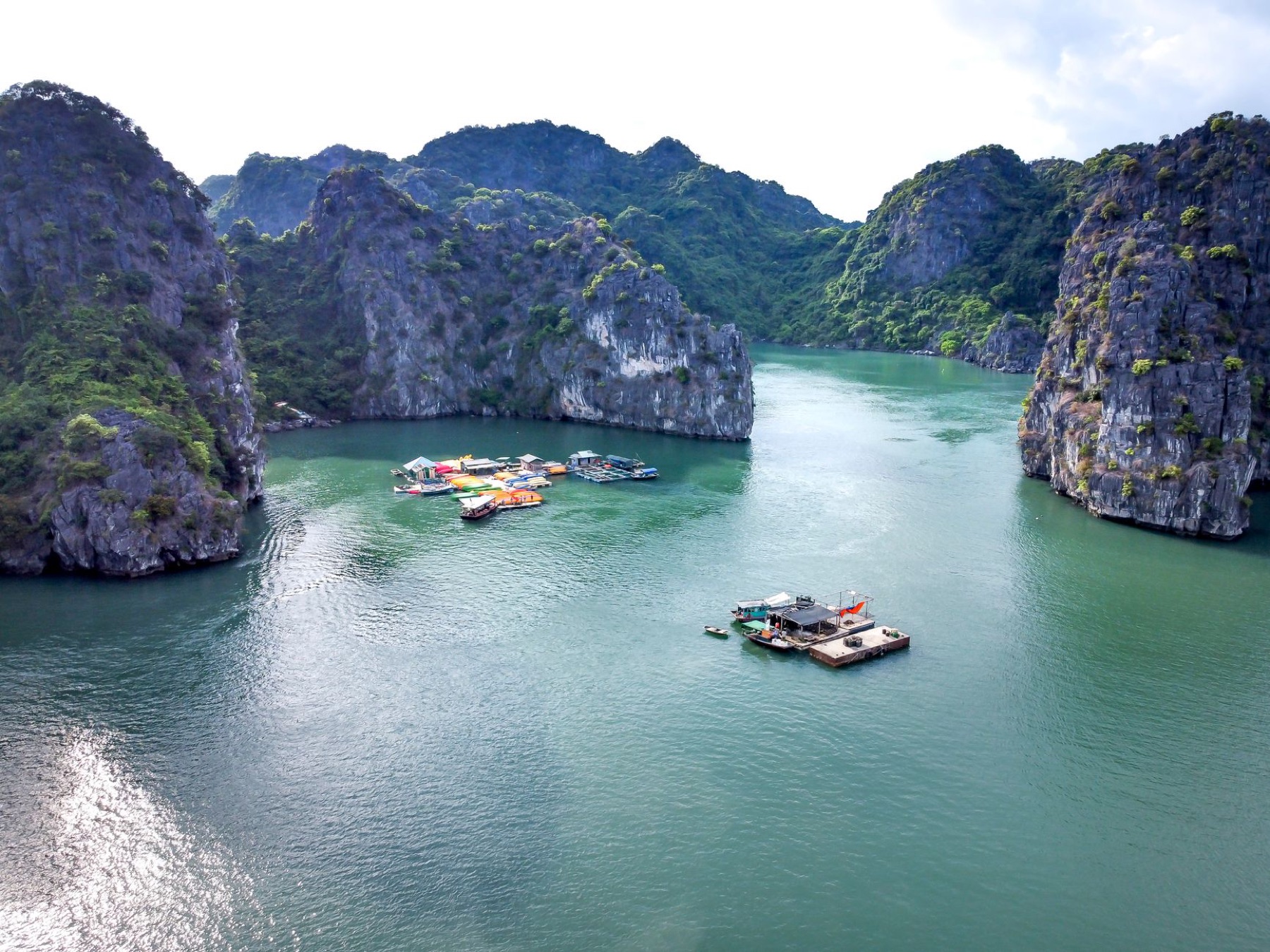
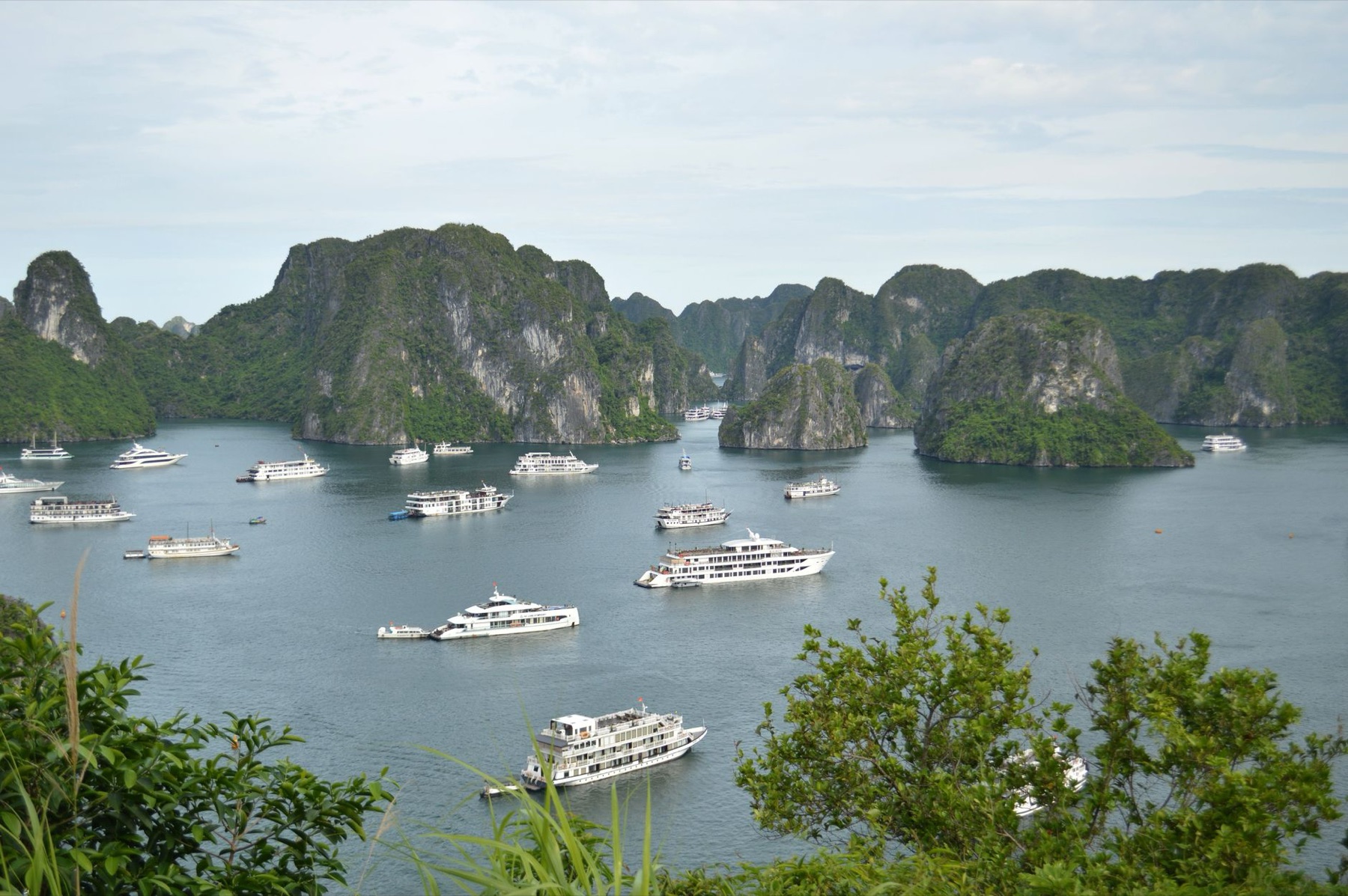
Ha Long Bay is the most famous and busiest. Sunrise views are stunning; sunset can feel elbow-to-elbow with 500-person junk boats. Book here if you want guaranteed facilities, short transfer times from Hanoi, and don't mind crowds. Bai Tu Long is 2–3 hours further northeast—calmer waters, fewer day-trippers, fewer English speakers on budget tours. Lan Ha sits between Ha Long City and Cat Ba; it's the sweet spot for travelers wanting serenity without isolation. Each bay's limestone formations are geologically similar, so your choice matters more for who you'll travel with than what you'll see.
🗺️ Plan your route: Vietnam itinerary | 🎟️ Compare tours & tickets for this place
How much should you budget for a bay cruise?
| Tour type | Who it's for | Nightly cost (USD) | What's included | Trade-offs |
|---|---|---|---|---|
| Budget group cruise (40–60 people) | Backpackers, solo travelers | $60–90 | Bed, meals, kayak, cave tour | Shared cabins, basic food, tight schedules |
| Mid-range junk (15–25 people) | Couples, small groups | $100–180 | Private cabin, better meals, flexibility | Still social atmosphere, decent amenities |
| Luxury/boutique (4–12 people) | Families, luxury travelers | $250–450+ | Private junk, fine dining, personalized service | Premium price, smaller group dynamics |
| Budget speedboat day trip (no overnight) | Time-limited visitors | $35–50 | Kayak, lunch, cave entry | No sunrise, rushed feel, basic transport |
Budget tours use narrow shared cabins (often 4–6 bunks). Mid-range offers private doubles with A/C and en-suite bathrooms. Luxury junks (the wooden two-story "junk" style boats) provide teak cabins and chef-prepared meals. Day trips suit travelers with 6–8 hours; overnight cruises begin either afternoon or early morning and typically run 2–3 days. Hidden costs: boat fuel surcharges (around $3–5 USD), soft drinks (around $1–2 USD per bottle), gratuities (10–15% optional), and on-board activities like squid fishing (around $5–10 USD for equipment rental).
What actually happens during a typical cruise?
Most cruises follow a predictable rhythm. You board mid-afternoon, tour Surprise Cave or Hang Dau Go (famous for historical connection; honestly, it's cave-standard), dinner on deck, then sunrise kayaking or hiking next morning. Lunch on the junk, afternoon free time (swimming, spa treatments for an extra charge), final cave or beach stop, return by evening or next morning depending on itinerary. Food quality varies wildly: budget tours serve repetitive rice-based meals and reheated seafood; mid-range adds fresh caught fish and reasonable variety; luxury tours feature multi-course dinners with wine. Seasickness is real—March to May brings choppier waters; September to November is calmer. Bathrooms on budget boats can be grim; request cabin location away from the engine (north side of boat when possible). Most cruises cap activities at 2–3 hours; don't expect adventure-level exertion.
📸 Book an ao dai photoshoot in Hanoi or Saigon (Cáo Studio)
Red flags: what tour operators don't advertise
Overcrowding is rampant. A "3-star" government-rated junk can carry 150 passengers; it'll feel like a floating hotel lobby at breakfast. Ask directly: "How many guests maximum?" Mid-range operators (20–30 people) offer better experience-to-cost ratio. Fake UNESCO "recognition" claims appear often—Ha Long is legitimately UNESCO; Bai Tu Long and Lan Ha are not. Tours marketed as "luxury" using standard wooden junks with thin mattresses are misleading. Food poisoning happens: we've heard reports tied to improper refrigeration on cheaper boats (particularly during warm-season tours). Ask your operator about food source certification. Many boats lack safety briefings and life-jacket compliance; legitimate operators conduct briefings and show valid life-jacket counts matching passenger numbers. Booking agents in Hanoi's Old Quarter often take 30–40% commission, inflating your price; direct booking or using established tour companies shaves 15–20% off.

How to choose an operator and avoid scams
Direct booking with established Ha Long City-based companies (Indochina Junk, Paradise Luxury Cruise, Stellar of the Seas) costs 10–15% less than Hanoi agent bookings. Cross-reference their website with TripAdvisor verified reviews—focus on recent posts (within 6 months) mentioning specific issues (food, cleanliness, guide quality). Avoid operators pushing 3-day "special offers" with prices 40% below market rate; they often overbook, serve substandard meals, or cancel without refund. Request proof of safety certification (Lloyd's Register or DNV notation for international compliance). Confirm cabin assignment before payment—many "private cabin" packages assign windowless intern quarters. Check refund policy; legitimate operators allow 72-hour cancellation with 50% refund, or full refund if weather cancels your departure. Scam operators demand cash-only, don't issue receipts, and have no contact email or phone verification. If booking through an agent in Hanoi, never pay more than 40% upfront; hold final balance until day-of-departure confirmation. Sign a contract specifying exact itinerary, cabin location, and meal plan; verbal promises disappear post-payment.
🗺️ Explore more: Ha Long Bay things to do
What to pack and what to check before ordering
Packing checklist:
- Seasickness tablets or ginger chews (start before boarding)
- Rash guard or UV shirt (sun reflection off limestone is intense)
- Reef-safe sunscreen (50+ SPF; reapply every 2 hours)
- Quick-dry clothes (humidity is relentless)
- Phone power bank (boat Wi-Fi is slow; data is expensive)
- Light rain jacket (afternoon showers frequent September–November)
- Snorkel gear (optional; budget tours provide basic sets, quality varies)
Before you book:
- Confirm exact departure time and location (Ha Long City port vs. Bai Tu Long). Allow 2+ hours for Hanoi–Ha Long transfer (120 km by road).
- Verify boat name and cabin number in writing; screenshot confirmation.
- Ask: "Is kayaking included or optional add-on?" and "Do meals accommodate dietary restrictions?" (vegetarian/vegan options are limited).
- Check: Weather forecast for your dates; typhoon season (August–October) can cancel trips last-minute.
- Read recent reviews filtering for your tour type (budget/mid-range/luxury have different experience standards).
Connecting your bay trip to the rest of Vietnam
Ha Long Bay is best combined with Hanoi (3–4 days exploring Old Quarter, Ho Tay, street food); many travelers add Ninh Binh (inland karst scenery, caves, Mua Mountain hike—4 hours south by road) before or after. If you have time, Cat Ba Island (30-minute ferry from Ha Long City) offers rock climbing, hiking, and budget beach stays. Bringing an eSIM for Vietnam ensures stable data for real-time booking confirmations and offline maps during the cruise. Prior to departure, arrange Vietnam e-visa if you're a visa-requiring nationality—process takes 3–5 business days. Those visiting Saigon afterward can book a photoshoot in Ho Chi Minh City (Cáo Studio) to capture your trip in áo dàì attire, or arrange a photoshoot in Hanoi beforehand as a keepsake-quality souvenir.
🎟️ Compare tours & tickets for this place
---
FAQ
What's the difference between a Ha Long Bay junk cruise and a speedboat?
Junks are slower wooden boats (overnight stays, fixed itineraries, 150+ passengers); speedboats are fast, cheap day trips (4–6 hours, 20–50 people, no cabin). Junks offer sunrise kayaking and relaxation. Speedboats suit time-pressed visitors but feel rushed.
Do I need travel insurance for a bay cruise?
Strongly recommended. Standard travel insurance covers trip cancellation, medical emergencies, and evacuation. Verify your policy includes water-based activities. Cruise operators don't cover personal injury claims reliably.
Is it safe to swim in the bay?
Yes, most areas are safe. Avoid swimming solo; use designated zones marked by your boat crew. Jellyfish are rare but possible May–August; ask your guide before entering water. Don't drink seawater or enter if you have open cuts.
Can I visit Ha Long Bay on a tight budget?
Yes. Budget group cruises run $60–90 USD per night including meals. Day trips cost $35–50 USD. Skip overpriced Hanoi agents; book direct with Ha Long City operators via email or phone. Staying in Ha Long City (cheap hostels, around $8–15 USD/night) before your cruise saves transfer fees.
What's the best time to visit Ha Long Bay?
October–November and March–May. Weather is cool, seas are calm, and visibility is clear. Avoid August–September (typhoon risk, high humidity) and December–February (cold, occasional drizzle). Peak crowd season is July and Lunar New Year (late January–February).
Will I get seasick on a junk cruise?
Possibly, especially if prone. Larger junks (over 40 meters) are more stable than budget speedboats. Take medication 30 minutes before boarding. Stay on deck facing the horizon, avoid cabin time, and request a cabin amidships (middle of boat) for less motion.
FAQ
What's the difference between a Ha Long Bay junk cruise and a speedboat?
Junks are slower wooden boats (overnight stays, fixed itineraries, 150+ passengers); speedboats are fast, cheap day trips (4–6 hours, 20–50 people, no cabin). Junks offer sunrise kayaking and relaxation. Speedboats suit time-pressed visitors but feel rushed.
Do I need travel insurance for a bay cruise?
Strongly recommended. Standard travel insurance covers trip cancellation, medical emergencies, and evacuation. Verify your policy includes water-based activities. Cruise operators don't cover personal injury claims reliably.
Is it safe to swim in the bay?
Yes, most areas are safe. Avoid swimming solo; use designated zones marked by your boat crew. Jellyfish are rare but possible May–August; ask your guide before entering water. Don't drink seawater or enter if you have open cuts.
Can I visit Ha Long Bay on a tight budget?
Yes. Budget group cruises run $60–90 USD per night including meals. Day trips cost $35–50 USD. Skip overpriced Hanoi agents; book direct with Ha Long City operators via email or phone. Staying in Ha Long City (cheap hostels, around $8–15 USD/night) before your cruise saves transfer fees.
What's the best time to visit Ha Long Bay?
October–November and March–May. Weather is cool, seas are calm, and visibility is clear. Avoid August–September (typhoon risk, high humidity) and December–February (cold, occasional drizzle). Peak crowd season is July and Lunar New Year (late January–February).
Will I get seasick on a junk cruise?
Possibly, especially if prone. Larger junks (over 40 meters) are more stable than budget speedboats. Take medication 30 minutes before boarding. Stay on deck facing the horizon, avoid cabin time, and request a cabin amidships (middle of boat) for less motion.