Ho Chi Minh City · Where to stay
Best Area to Stay in Ho Chi Minh City: Neighborhoods by Budget & Style
By Wander in Vietnam editorial team · Hanoi, Vietnam
Ho Chi Minh City sprawls across 24 districts, and where you sleep determines whether you enjoy the city or endure it. Neighborhoods vary wildly in price, energy, and access to transport. We've walked every major tourist zone and lived in several working neighborhoods, so here's what actually matters before you book.
Which District Offers the Most Convenient Location for First-Time Visitors?
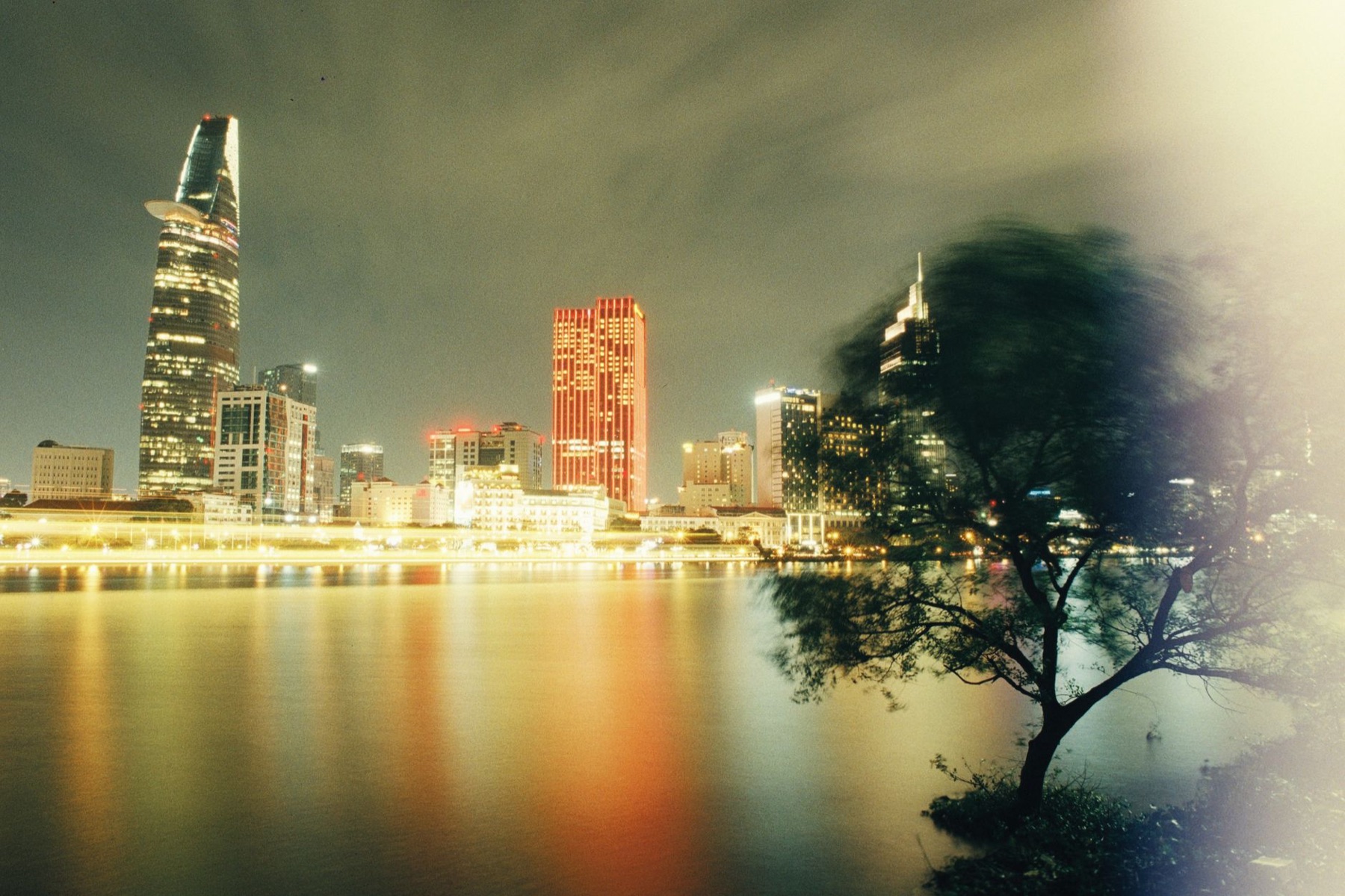
District 1 (Quan 1) is the tourist spine: Dong Khoi Street, Ben Thanh Market, the War Remnants Museum, and the Bitexco Financial Tower are all walkable. Hotels here range from budget hostels (around $15–25/night) to luxury chains ($150+/night). The tradeoff: noise from traffic and motorbikes until 2 a.m., crowds of touts, and inflated prices at tourist restaurants. If this is your first Vietnam visit, 2–3 nights here make sense for orientation, but staying the whole week will drain your budget and patience.
🗺️ Plan your route: Vietnam itinerary
Where Should You Stay if You Want Culture Without Tourist Crowds?
District 3 (Quan 3), just northwest of District 1, feels like a secret locals know. Streets like Ly Tu Trong and Dien Bien Phu have French-colonial cafés, independent bookshops, and small galleries. Hotels cost around $30–60/night for decent mid-range places. The Jade Emperor Pagoda and Binh Tay Market are nearby. You'll see Saigonese eating and shopping normally—not posing for Instagram. The main drawback: fewer international menus, and you'll need to use maps or ask locals for directions. We stay here when we want to work undisturbed.
District 5 (Quan 5) is the "Cholon" district—Ho Chi Minh's Chinatown, alive with multi-generational shops, shrines, and street food. Hotels are cheaper ($20–45/night), but fewer cater to Western comfort expectations. Expect squat toilets in budget places and heavy motorbike traffic. The reward: genuine energy, the Thien Hau Pagoda, and pho so good you'll regret every tourist-trap bowl you've eaten. Go if you're adventurous; skip if you need air-con and English-speaking staff on-site.
📸 Book an ao dai photoshoot in Hanoi or Saigon (Cáo Studio)
Where is the Sweet Spot for Mid-Range Travelers Who Want Peace and Value?
District 7 (Quan 7), on the Saigon River's east bank, is where expats, families, and remote workers actually live. Thao Dien and An Phu subwards have cafés with real WiFi, gyms, and schools. Hotels cost $40–80/night. The neighborhood is safe, quiet, and cosmopolitan without being sterile. You're 15 minutes by taxi (around 80,000–120,000 VND / $3–5) from central District 1. Shopping at Takashimaya mall or lounging by the river appeals to travelers who want comfort without the backpacker party scene. The catch: you'll eat dinner alone most nights—fewer tourists means fewer instant friends.
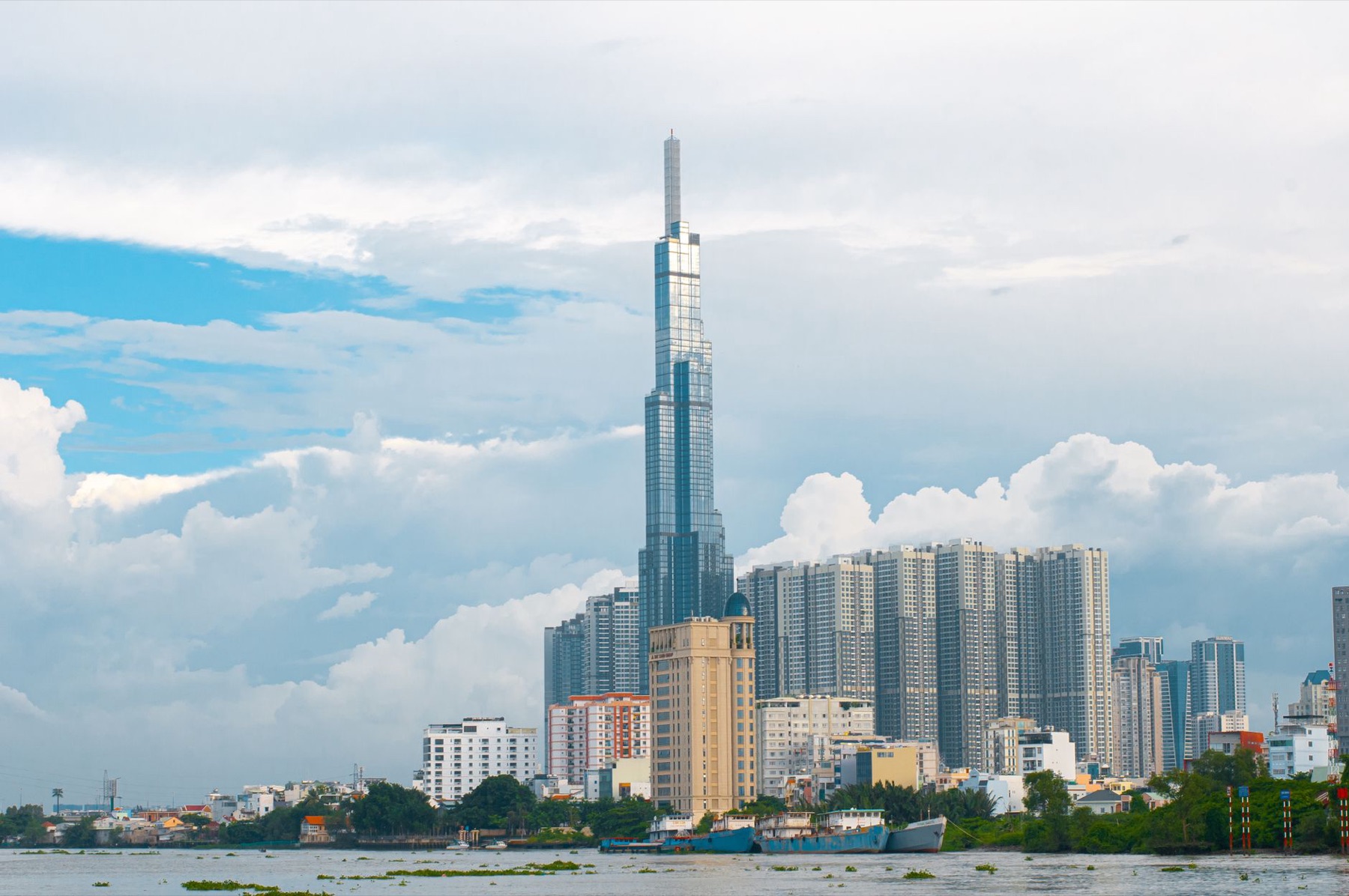
Binh Thanh District (Quan Binh Thanh), straddling the river between Districts 7 and 1, is the underrated champion. Hotels run $25–55/night. The Bitexco Financial Tower, Saigon Skydeck, and Tao Đàn Park are nearby. You're steps from Nguyen Hue Walking Street without being trapped in its tourist bubble. Locals commute here; chains and cafés mix with small shops. Transport is easy—the Ben Thanh bus station sits at the border. We recommend this for travelers wanting stability and variety in one neighborhood.
What if You Want to Party and Meet Other Travelers?
The Pham Ngu Lao area (officially still District 1, near Le Lai Street) is backpacker central. Hostels cluster here with dorm beds from $8–12/night, nightly pub crawls, and rooftop bars full of travelers. Thai, Western, and Vietnamese food compete for your dollar. The energy is electric but exhausting—noise, hawkers, and touts are relentless. If you're solo or young and social, one week here is memorable. If you're over 35 or traveling with a partner seeking peace, book one night to socialize, then move. Few travelers stay here longer than a week without burning out.
How Should You Compare Neighborhoods Before Booking?
Use this framework:
| Neighborhood | Best For | Typical Hotel Price (USD/night) | Noise Level | English Spoken | Travel Time to War Remnants Museum |
|---|---|---|---|---|---|
| District 1 (Dong Khoi) | First-time visitors, luxury | $80–250+ | Very high | Excellent | 5 min walk |
| District 3 | Culture seekers, expats | $35–70 | Moderate | Moderate | 10 min walk |
| District 5 (Cholon) | Food adventurers, budget | $20–45 | High | Limited | 20 min taxi |
| District 7 (Thao Dien) | Families, remote workers | $50–120 | Low | Good | 20 min taxi |
| Binh Thanh | Balance-seekers | $30–65 | Low-moderate | Good | 10 min taxi |
| Pham Ngu Lao | Backpackers, solo travelers | $8–25 | Very high | Excellent | 5 min walk |
| District 2 (Thủ Thiêm) | Luxury, new developments | $100–300+ | Low | Excellent | 25 min taxi |
What Are the Hidden Costs and Scams That Affect Your Choice?
Transfer fees: Many budget hostels charge $3–5 for airport pickup when you could hire Grab (the Southeast Asian Uber) for around 200,000–300,000 VND ($8–12). Book Grab in advance via app.
Deposit scams: Some guesthouses ask for credit-card "deposits" upfront. Use hotels with no-cancellation options on Booking.com or Agoda instead. Never wire money.
Inflated commissions: Hostels earn kickbacks recommending tours and restaurants. Ask at street stalls for honest prices instead.
Motorbike taxis (xe om): Agree on fares before boarding. Stick to Grab, taxis with meters, or walking if it's under 1 km.
Rooftop-bar upsell: Bars near Pham Ngu Lao charge $8–12 per drink; go two blocks into residential areas for $2–3 beers.
Stay in your chosen neighborhood for at least 3 nights to avoid moving-day stress and travel costs.
🎟️ Compare tours & tickets for this place
What to Check Before You Book
- Confirm air-con type: "Fan only" in Ho Chi Minh heat means sweating at night.
- Check cancellation policy: Free cancellation up to 7 days before is standard; expect $5–10 fees otherwise.
- Read recent guest reviews for noise: Sort by "recent" and read 10+ reviews mentioning noise or traffic.
- Verify WiFi speed: Ask via email for typical download speeds. Plan B: buy a Vietnam eSIM for backup mobile data.
- Ask about hot water: Budget places sometimes have cold showers only.
- Confirm checkout time: 11 a.m. or 12 p.m. matters if your flight is late.
Read our full Ho Chi Minh City guide for transport, food, and day trips.
Most travelers underestimate how much neighborhood matters—choosing right saves money, stress, and regret. Book 2–3 nights somewhere central first, then move if the vibe doesn't fit. Ho Chi Minh works best when you stop rushing and pick somewhere you actually want to return to for coffee.
Browse more Vietnam travel guides: Hanoi, Hoi An, Ha Long Bay, Ninh Binh, Sapa. Need a Vietnam e-visa? Apply here. Staying long-term? Get a Vietnam eSIM for uninterrupted data.
🗺️ Plan your route: Vietnam itinerary

FAQ
Is District 1 safe at night?
Yes. Central District 1 has heavy police presence and tourists. Avoid walking alone past 2 a.m.; use Grab taxis instead. Petty theft (phone snatching) happens on crowded streets—keep bags zipped. No violent crime typical for tourists.
Which neighborhood is cheapest?
Pham Ngu Lao for dorm beds ($8–12/night); District 5 for private budget rooms ($20–30/night). Both sacrifice quiet and comfort. Binh Thanh offers better value ($30–50/night) for a cleaner, calmer stay.
Do I need to speak Vietnamese to get by?
No. District 1, 3, 7, and Pham Ngu Lao all have English speakers. District 5 and smaller neighborhoods require Google Translate or patience. Young people (under 25) often speak English even in working-class areas.
Can I negotiate hotel prices directly?
Sometimes, but websites (Booking.com, Agoda) often beat in-person rates because hotels hide better deals online. Calling the hotel directly sometimes unlocks loyalty discounts for 3+ nights.
What's the best time of year for price drops?
April–May (hot and rainy) and September–October (typhoon season prep) see 20–30% price cuts. Book December–January and July to September expect peak rates and packed rooms.
Is tap water safe to drink?
No. Drink bottled water (around 5,000–15,000 VND / $0.20–0.60 per liter at 7-Eleven) or ask your hotel for filtered water. Ice in drinks is usually fine if made from filtered water, but stomach issues are common—play safe.
FAQ
Is District 1 safe at night?
Yes. Central District 1 has heavy police presence and tourists. Avoid walking alone past 2 a.m.; use Grab taxis instead. Petty theft (phone snatching) happens on crowded streets—keep bags zipped. No violent crime typical for tourists.
Which neighborhood is cheapest?
Pham Ngu Lao for dorm beds ($8–12/night); District 5 for private budget rooms ($20–30/night). Both sacrifice quiet and comfort. Binh Thanh offers better value ($30–50/night) for a cleaner, calmer stay.
Do I need to speak Vietnamese to get by?
No. District 1, 3, 7, and Pham Ngu Lao all have English speakers. District 5 and smaller neighborhoods require Google Translate or patience. Young people (under 25) often speak English even in working-class areas.
Can I negotiate hotel prices directly?
Sometimes, but websites (Booking.com, Agoda) often beat in-person rates because hotels hide better deals online. Calling the hotel directly sometimes unlocks loyalty discounts for 3+ nights.
What's the best time of year for price drops?
April–May (hot and rainy) and September–October (typhoon season prep) see 20–30% price cuts. Book December–January and July to September expect peak rates and packed rooms.
Is tap water safe to drink?
No. Drink bottled water (around 5,000–15,000 VND / $0.20–0.60 per liter at 7-Eleven) or ask your hotel for filtered water. Ice in drinks is usually fine if made from filtered water, but stomach issues are common—play safe.
More: Ho Chi Minh City guide · Where to stay in Ho Chi Minh City