Ho Chi Minh City · Where to stay
Best areas to stay in Ho Chi Minh City: neighborhood guide
By Wander in Vietnam editorial team · Hanoi, Vietnam
Ho Chi Minh City doesn't fit neatly into one pocket. Your neighborhood choice matters more than most travelers realize—it determines commute friction, meal costs, the faces you see nightly, and whether you're queuing with 200 other tourists or sipping coffee alone. We've stayed in every major visitor zone and watched what works for different trip types. Here's what actually happens on the ground.
Which neighborhood suits a first-time visitor on a tight budget?
Pham Ngu Lao, District 1. This is backpacker central—purpose-built for tourists, sometimes to a fault. You'll find guesthouses from basic-clean to mid-range within a 400-meter radius, pocket-friendly pho stalls, and organized tour operators on every corner. The trade-off: it's loud, crowded, and you're paying tourist tax on everything. A dorm bed runs around 150,000–250,000 VND per night ($6–10 USD); a private double room, 400,000–800,000 VND ($16–32 USD). Walking Street (Nguyen Hue) is 15 minutes away. Best for: first timers, solo travelers, those who want to meet other travelers instantly.
What to watch: many operators here run the same tour three times daily—shop around. Avoid "friendly" locals offering a "special deal" on anything. Motorbike taxis at night often quote wildly inflated fares to tourists; use Grab app instead.
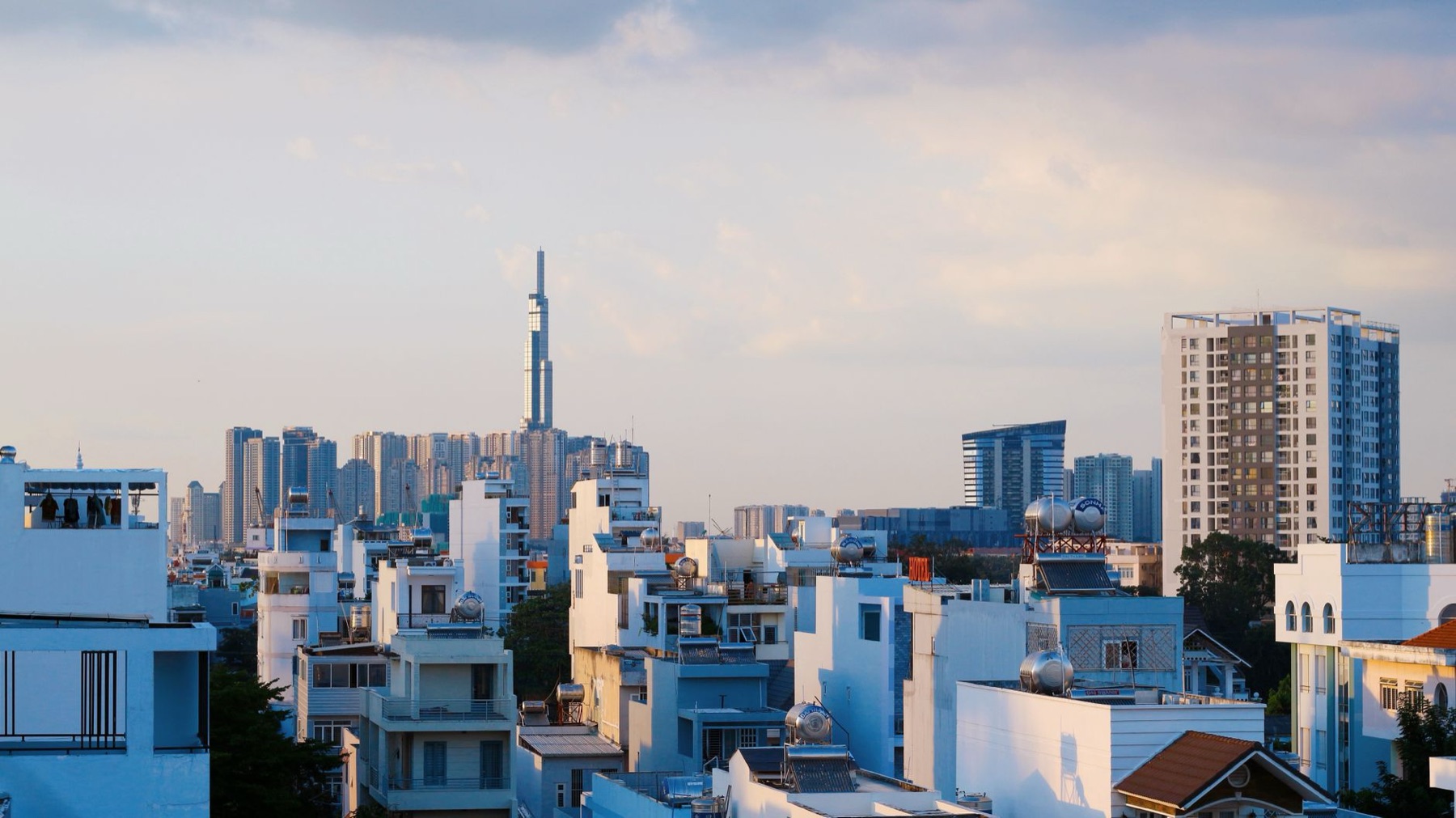
Where do business travelers and luxury visitors actually stay?
District 1, Dong Khoi area. This neighborhood hugs the Saigon River and holds nearly every international hotel chain. It's dense with rooftop bars, French-colonial architecture, and the War Remnants Museum. Rooms range from 1,200,000–3,500,000+ VND per night ($48–140+ USD) for mid-range to luxury. Binh Tay Market (District 5, a 10-minute taxi away) gives you a glimpse of local trade without the slum tourism. Best for: executives, travelers with expense accounts, anyone who values proximity to international brands.
Trade-off: streets are congested during rush hours (7–9 a.m., 5–7 p.m.), and walking can mean exhaust fumes. The neighborhood has lost charm to traffic and high prices.
What if I want to avoid tourists but stay comfortable?
District 3 (Ba Dinh area) and parts of District 1 north of Tran Hung Dao. Locals actually live here, not just work. You'll find quiet coffee shops, family-run pho places, and apartments converted into small guesthouses. A comfortable private room costs around 600,000–1,200,000 VND ($24–48 USD). Nightlife is minimal; the reward is authenticity. Nearest metro station (Line 1 to Ben Thanh Market) is walkable. Best for: travelers staying 5+ days, digital nomads, culture-focused visitors.
Catch: fewer English speakers, fewer organized tours nearby, and taxi drivers may not recognize small lane names. Keep your hotel address written in Vietnamese or saved on your phone.
Should I stay near the airport to avoid commute stress?
Binh Thanh District (Tan Binh Ward proximity). The international airport lies in Tan Binh; Binh Thanh neighbors it to the south. Hotels here serve connections well—a taxi to Pham Ngu Lao takes 30–45 minutes, airport pickup 15–20 minutes. Rooms run 500,000–1,500,000 VND ($20–60 USD). But most travelers regret this choice: you're in a logistics zone, not a neighborhood. Restaurants close early, streets empty after 9 p.m. Best for: only if you have a very early flight and value a 20-minute commute over neighborhood character.
Why skip it otherwise: you lose an entire evening and morning to a dead zone.
What about staying for a week or longer—where's the real value?
District 7 (Thu Thiem) or District 4 (Thao Dien). These neighborhoods have exploded in the last five years. Thao Dien especially mixes expat flats, local Vietnamese families, boutique cafes, and international restaurants. Furnished apartments rent from 800,000–2,000,000 VND/night ($32–80 USD) or monthly discounts from 20,000,000–40,000,000 VND ($800–1,600 USD). You get kitchen access, quieter streets, parks, and no tourist hustle. Metro Line 1 runs through here. Best for: longer stays (2+ weeks), families, anyone working remotely.
Decision table: which neighborhood fits your trip?
| Neighborhood | Who it's for | Avg. room price/night (VND) | Transport ease | Noise level | Eat alone? |
|---|---|---|---|---|---|
| Pham Ngu Lao | Budget backpackers, first-timers | 400k–800k ($16–32) | Grab/taxi 10 min to sights | High | Always social |
| Dong Khoi (D1) | Business, luxury, short stays | 1.2M–3.5M+ ($48–140+) | Walking to museums, river | Medium-high | Yes, chains |
| District 3 | Longer stays, culture hunters | 600k–1.2M ($24–48) | Taxis, some walking | Low | Local spots |
| Binh Thanh (airport-side) | Very early flights only | 500k–1.5M ($20–60) | 15–20 min to airport | Very low | Limited |
| Thu Thiem/Thao Dien | Families, weekly stays | 800k–2M ($32–80) | Metro Line 1 | Low | Mix of local/expat |
What to check before you book your room
1. Confirm the exact location on Google Maps. Many guesthouses list addresses vaguely as "near Ben Thanh Market" when they're actually a 20-minute walk away. Street View saves arguments.
2. Ask about transport links. Which metro station is closest? Is Grab reliable in that lane? Does the guesthouse offer airport pickup? Prices vary wildly; some charge 300,000 VND ($12 USD), others 600,000+ ($24+) for the same route.
3. Check water pressure and hot water. In budget places, "hot water" often means 30 minutes of lukewarm flow. Ask the owner directly or read recent reviews mentioning this.
4. Verify checkout time. Most are 11 a.m. or noon. If you have a late flight, confirm whether late checkout (or a locker) is free.
5. Read reviews by travelers who stayed 5+ days. Short-stay reviews miss quiet issues (noisy neighbors, mold in rainy season, unreliable WiFi that breaks after checkout).
6. Ask about noise. Is there construction nearby? Is the room above a bar? Will your window open onto a busy street? These questions almost never appear in listings.
---
📸 Book an ao dai photoshoot in Hanoi or Saigon (Cáo Studio) (capture your stay in traditional dress)
Before booking, consider how long you're staying and what you want to trade: tourist convenience vs. local authenticity, budget vs. comfort, central vs. peaceful. Most first-time visitors underestimate how much neighborhood shape affects happiness. Spend an extra 15 minutes reading recent reviews specific to your exact hotel and asking staff what the real commute times are. The best area isn't the most famous—it's the one that matches your priorities.
Check the pillar guide to Ho Chi Minh City hotels for deeper accommodation comparisons. And if you're planning a multi-city trip, our Vietnam itinerary planner helps you balance HCMC with Hanoi, Hoi An, Ha Long Bay, and other stops.
🗺️ Plan your route: Vietnam itinerary (decide how many days in each city)
For first visits, most travelers mix Pham Ngu Lao (2–3 nights, tourist infrastructure) with District 3 (2–3 nights, local flavor). This gives you options without overwhelming choice. And if you're staying in District 1 on a short stay, book a photoshoot & makeup session in Saigon (Cáo Studio) before leaving—your hotel's doorman can direct you to the studio.
🎟️ Compare tours & tickets for this place (book your Ho Chi Minh City activities here)
FAQ
Is Pham Ngu Lao still worth it in 2026, or has it become too touristy?
It's more touristy than ever, but infrastructure is excellent. If you want to meet travelers and move fast, yes. If you want to avoid crowds, pick District 3 instead. Most visitors spend 2–3 nights here, then leave.
What's the safest neighborhood for solo female travelers?
All major visitor areas are safe. Pham Ngu Lao has group energy (safety in numbers); District 3 is calm and well-lit. Avoid empty side lanes after midnight everywhere. Grab is safer than street taxis at night—use it without hesitation.
Can I negotiate hotel prices by showing up in person instead of booking online?
Rarely worth it now. Online rates are competitive; walkins often see higher prices. Book 3–5 days ahead for better availability and sometimes discounts. Negotiate only for stays longer than 5 days—ask for a monthly rate, which usually offers 10–20% off.
Which neighborhood has the best food—Pham Ngu Lao, District 1, or District 3?
District 3 for authentic local eats; Pham Ngu Lao for mix of tourist and Vietnamese; District 1 for upscale restaurants. Best pho is in small alleys, not tourist zones. Ask your hotel owner for their favorite spot—they always know.
How often does the metro run, and does it help me avoid taxis?
Metro Line 1 runs 5:30 a.m.–11 p.m., every 15–20 minutes. It's cheap (around 7,000 VND per ride, <$1 USD) and reliable. It connects Ben Thanh to Thu Thiem and Airport T2. Helps you skip taxi haggling, but coverage is still limited—Grab app remains the main transport.
Should I book accommodation before arriving or after landing?
Book your first 2–3 nights online to avoid stress. After arriving, you can walk neighborhoods and decide if you want to move. Prices rarely spike on same-day bookings for entire months, so flexibility costs little.
FAQ
Is Pham Ngu Lao still worth it in 2026, or has it become too touristy?
It's more touristy than ever, but infrastructure is excellent. If you want to meet travelers and move fast, yes. If you want to avoid crowds, pick District 3 instead. Most visitors spend 2–3 nights here, then leave.
What's the safest neighborhood for solo female travelers?
All major visitor areas are safe. Pham Ngu Lao has group energy (safety in numbers); District 3 is calm and well-lit. Avoid empty side lanes after midnight everywhere. Grab is safer than street taxis at night—use it without hesitation.
Can I negotiate hotel prices by showing up in person instead of booking online?
Rarely worth it now. Online rates are competitive; walkins often see higher prices. Book 3–5 days ahead for better availability and sometimes discounts. Negotiate only for stays longer than 5 days—ask for a monthly rate, which usually offers 10–20% off.
Which neighborhood has the best food—Pham Ngu Lao, District 1, or District 3?
District 3 for authentic local eats; Pham Ngu Lao for mix of tourist and Vietnamese; District 1 for upscale restaurants. Best pho is in small alleys, not tourist zones. Ask your hotel owner for their favorite spot—they always know.
How often does the metro run, and does it help me avoid taxis?
Metro Line 1 runs 5:30 a.m.–11 p.m., every 15–20 minutes. It's cheap (around 7,000 VND per ride, <$1 USD) and reliable. It connects Ben Thanh to Thu Thiem and Airport T2. Helps you skip taxi haggling, but coverage is still limited—Grab app remains the main transport.
Should I book accommodation before arriving or after landing?
Book your first 2–3 nights online to avoid stress. After arriving, you can walk neighborhoods and decide if you want to move. Prices rarely spike on same-day bookings for entire months, so flexibility costs little.
More: Ho Chi Minh City travel guide · Where to stay in Ho Chi Minh City