Ho Chi Minh City · Where to stay
Best Areas to Stay in Ho Chi Minh City: Neighborhoods Ranked for Your
By Wander in Vietnam editorial team · Hanoi, Vietnam
Ho Chi Minh City sprawls across 24 districts. Picking where to sleep matters more than most guides admit: wrong choice means 30-minute taxis and empty streets at night. We've stayed and worked across seven major neighborhoods—here's what actually happens when you sleep there.
Which Ho Chi Minh district has the most tourists and nightlife?
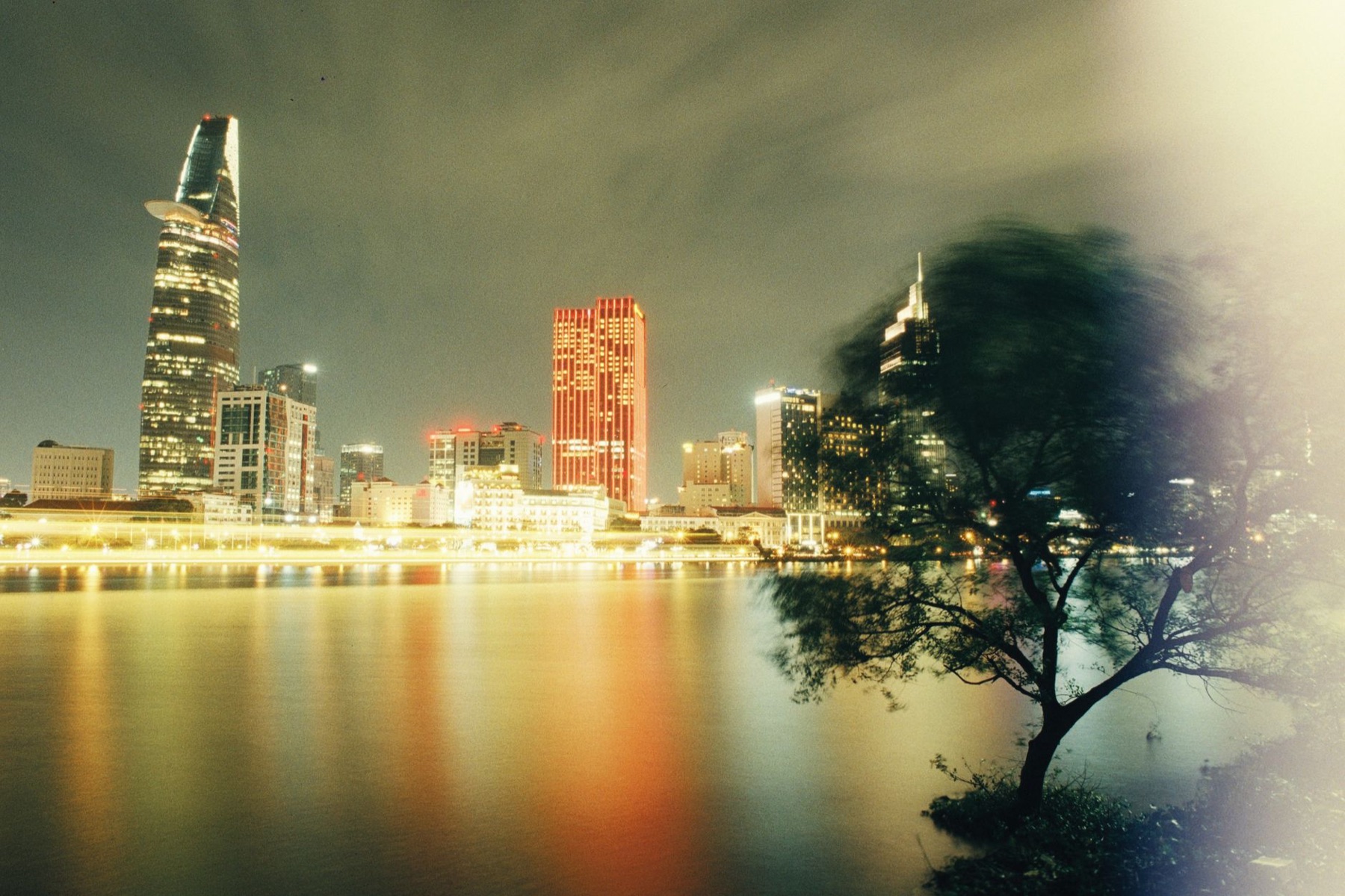
District 1 (Dong Khoi) is ground zero. Nguyen Hue Walking Street, Ben Thanh Market, the Saigon River, and Bitexco Financial Tower cluster here. Hotels range from budget hostels to well-made; expect crowds, noise until 11 p.m., and prices 30–50% higher than nearby districts. Taxis know it too—surcharges are common. Foreigners love it; locals eat elsewhere.
🗺️ Plan your route: Vietnam itinerary
For staying in District 1, assume you'll pay more and move slower—Ben Thanh Market alone fills two hours if you browse. The riverfront has become more touristy (overpriced coffee shops). Pham Ngu Lao Street (backpacker spine) has cleaned up but lost its edge. Go if you want central convenience; skip if you value quiet or budget.
Where should I stay if I want local life and mid-range prices?
District 3 (Ba Dinh / Vo Van Tan area) feels like the Hanoi of the south—tree-lined streets, old villas, real restaurants where Vietnamese families eat. A decent room costs around $25–45/night; coffee runs $2–3. Landmarks like Tao Đàn Park and the War Remnants Museum sit here. Taxis from here to District 1 are honest (around 60,000–100,000 VND / $2.50–$4). The neighborhood has one hidden advantage: it's walkable and nobody hustles you.
True complaint: fewer English speakers, fewer late-night bars. This is deliberate—it's where you actually rest. Nearby Nguyen Hue is a 10-minute walk if you want central action.
What's the difference between District 2 and District 1 for longer trips?
District 2 (Thao Dien / An Phu) was the expat choice before it became fashionable. Modern cafes, coworking spaces, gyms, and long-term rental density mean you can rent a small apartment for around $400–700/month (better value than hotel nightly rates). The Saigon River Park runs along the east bank. Getting to District 1 costs 80,000–150,000 VND ($3.30–$6) by taxi; Grab is cheaper (app-based fares, no surge guessing).
Downsides: feels less "Vietnam"—it's expat-optimized. If you're here 5+ days, rent an apartment and cook. If you're 2–3 days, stay in District 1 or 3 instead.
Is staying near Tan Son Nhat Airport worth it for early/late flights?
District 1 (Tan Binh / airport area) sits 7 km north of the airport but feels industrial. Hotels here run $20–40/night (cheaper than center) and smell like jet fuel on windy days. If your flight leaves before 6 a.m. or lands after 10 p.m., sleeping near the airport saves a taxi ($15–30 USD). A stay of 1 night only makes sense; 2+ nights, move downtown.
Real issue: nothing to do. No markets, no street food clusters, no temples. Go, sleep, leave.
📸 Book an ao dai photoshoot in Hanoi or Saigon (Cáo Studio)
Should I stay in a tourist area or explore quieter districts?
Here's a comparison: tourist areas are loud and expensive; quiet areas are slow but sane. Pick based on what you do.
| District | Vibe | Nightly Hotel Cost (Budget–Mid) | Best For | What Goes Wrong |
|---|---|---|---|---|
| District 1 (Dong Khoi) | Loud, crowded, touristy | $40–100 | First-timers, 2–3 days | Taxi overcharges, long waits, fake tours |
| District 3 (Ba Dinh) | Quiet, walkable, local | $25–50 | Travelers, 4+ days, foodies | Fewer late-night bars, English limited |
| District 2 (Thao Dien) | Modern, expat-friendly, green | $35–80 | Longer stays, coworking, remote work | Expensive dining, feels foreign, boring nightlife |
| Tan Binh (Airport area) | Industrial, functional | $20–40 | Connecting flights only (<8 hours) | Zero tourism, no street food, loud |
| District 5 (Chinatown) | Chaotic, cramped, real | $20–35 | Adventurous eaters, one night | Scooters everywhere, no English signs |
| District 7 (Phu My Hung) | Planned, new, expensive | $50–120 | High-end only, local expats | 15-min taxi to anything, sterile |
The honest call: if you have 2 days, stay in District 1. If you have 5+ days, sleep 2 nights in District 1, then move to District 3. If you're working remote, rent in District 2 for a week.
What scams and problems happen when you choose the wrong neighborhood?
We've documented these repeatedly:
- Taxi overcharges from Pham Ngu Lao (District 1). Drivers know tourists. Use Grab app instead (meter-free, GPS-tracked, payment linked to card).
- "Your hotel is full" redirects. Hotel staff send touts to knock on your door, offering "better deals" elsewhere (and pocketing a commission). Ignore them; your booking is locked.
- District 5 scooter theft. Chinatown is tight and fast. Leave nothing on parked bikes. Tourist areas (1, 3) are safer but watch your phone.
- Fake tour offices. They cluster on Pham Ngu Lao. Book tours online (booking.com, viator) or ask your hotel directly—no random storefronts.
- Overpriced riverside coffee. Ben Thanh area has trap cafes ($5–8 for coffee). Walk 3 blocks inland; real coffee costs $1.50–2.50.
🎟️ Compare tours & tickets for this place
What to check before you book your Ho Chi Minh stay
- Distance to your main activity. Don't book District 7 if you're museum-hopping in District 1. Google Maps travel time to your top 3 spots (account for 5–10 p.m. traffic).
- Noise windows. If you sleep before 10 p.m., avoid Pham Ngu Lao. If you're a light sleeper, ask the hotel about noise—some give free room switches.
- Grab app coverage. All central districts (1, 2, 3) have reliable Grab. Outer areas may not. Test the app before arrival.
- Money exchange rate. District 1 ATMs charge lower fees than airport or tourist ghettoes. Withdraw in District 1 first; exchange shops on Dong Khoi Street run 21,000–22,000 VND per USD.
- Walking radius. If you hate taxis, stay in District 1 or 3 (20-minute walkable zones). Districts 2 and 7 need transport.
- Checkout time. Most hotels check out at 11 a.m. to noon. If you have a late flight, ask for a fee extension ($5–15) or day room; don't pay full rate.
---
The right neighborhood isn't the most famous one—it's the one that fits your length of stay and what you actually do. We recommend: 2–3 days = District 1; 4–7 days = District 3; 7+ days or remote work = District 2.
See our full Ho Chi Minh City guide for restaurants, markets, and day trips.
Check our hotel pillar for more accommodation details and comparisons.
If you want a professional memory before you go, book an ao dai photoshoot in Saigon (Cáo Studio)—makeup, hair, and studio all included.
---
Planning a bigger Vietnam trip?
Explore our Hanoi guide, Ha Long Bay day trips, and Hoi An ancient town to chain neighborhoods together. Get an eSIM for Vietnam before landing—data makes Grab, maps, and translation instant.

FAQ
Is District 1 worth the extra cost?
Only if you're staying 2–3 days and want walkable nightlife. For 5+ days, the cost adds up fast (30% premium) with diminishing returns. Locals don't sleep here; tourists overpay for convenience.
What's the safest neighborhood for solo female travelers?
Districts 1 and 3 are very safe; staff and locals are helpful. Avoid District 5 after dark if alone. Grab is safer than street taxis everywhere. Pickpocketing happens on crowded buses—use bags across your chest.
Can I walk from my hotel to major attractions?
Yes, if you stay in District 1 or 3 (Ben Thanh, Bitexco, War Remnants Museum, parks are 10–25 minutes). District 2 needs taxis. The riverfront walk from Bitexco to Tao Đàn Park (District 3) is 2 km, doable in 30 minutes.
How much should I budget for daily taxis?
Around 50,000–150,000 VND ($2–6) per ride via Grab. Taxis from District 1 to 2/3 cost 80,000–120,000 VND. Walking saves money but kills time; choose by your schedule, not just budget.
What if my flight is very early or very late—should I stay at the airport?
No—airport hotels are expensive and loud. Stay in Tan Binh (7 km away, cheap) if you have 4+ hours. If less than 4 hours, sleep at the airport hotel lounge (many are free or $20–30 with a booking). Never pay for a full night for <4 hours.
FAQ
Is District 1 worth the extra cost?
Only if you're staying 2–3 days and want walkable nightlife. For 5+ days, the cost adds up fast (30% premium) with diminishing returns. Locals don't sleep here; tourists overpay for convenience.
What's the safest neighborhood for solo female travelers?
Districts 1 and 3 are very safe; staff and locals are helpful. Avoid District 5 after dark if alone. Grab is safer than street taxis everywhere. Pickpocketing happens on crowded buses—use bags across your chest.
Can I walk from my hotel to major attractions?
Yes, if you stay in District 1 or 3 (Ben Thanh, Bitexco, War Remnants Museum, parks are 10–25 minutes). District 2 needs taxis. The riverfront walk from Bitexco to Tao Đàn Park (District 3) is 2 km, doable in 30 minutes.
How much should I budget for daily taxis?
Around 50,000–150,000 VND ($2–6) per ride via Grab. Taxis from District 1 to 2/3 cost 80,000–120,000 VND. Walking saves money but kills time; choose by your schedule, not just budget.
What if my flight is very early or very late—should I stay at the airport?
No—airport hotels are expensive and loud. Stay in Tan Binh (7 km away, cheap) if you have 4+ hours. If less than 4 hours, sleep at the airport hotel lounge (many are free or $20–30 with a booking). Never pay for a full night for <4 hours.
More: Ho Chi Minh City guide · Where to stay in Ho Chi Minh City