Hanoi · Things to do
Best Hanoi Activities for Travelers: What to Do & Book Now
By Wander in Vietnam editorial team · Hanoi, Vietnam
Hanoi's tourist circuit often funnels visitors into crowded, overpriced experiences. Real engagement happens in specific neighborhoods—Hang Dao (silk market), Thanh Ha (ceramics), cycling into Van Phuc (silk villages)—and by booking tours through verified local operators, not hotel concierges. This guide cuts through the noise.
What are the most authentic street food experiences in Hanoi—and who runs them?
Street food tours dominate Hanoi bookings because they work. A genuine experience means small groups (4–8 people), a guide who stops at family-run stalls (not tourist restaurants), and stops where locals actually queue. Tours in the Old Quarter typically cost around $30–50 per person (US $1.15–1.90) for 2–3 hours, including 6–8 small dishes—pho, banh mi, egg coffee, fried tofu.
The catch: many hotel-recommended operators overbook tours to 15+ people and rush through stalls. Verify the guide speaks clearly (not rushed), confirm the group cap in writing before paying, and ask whether the tour includes drink stops or only food. Real guides know specific vendor names and family histories; scripted tours skip that.
Neighborhoods that deliver honest food tours: Old Quarter (Hoan Kiem district—busy but unavoidable), West Lake area (quieter, fewer tourists), and Tay Ho's backstreet lanes. Avoid tours that promise "secret local spots"—if the guide won't name the stalls beforehand, walk away.
🗺️ Plan your route: Vietnam itinerary
Should you book a day trip to Ha Long Bay or Ninh Binh instead?
Ha Long Bay sits 3.5 hours east; Ninh Binh (also called Tam Coc) is 2 hours south. Both demand a full day. Ha Long involves a boat tour through limestone karsts (UNESCO-listed), around $60–120 for a group tour including lunch. Ninh Binh offers kayaking through river valleys, cycling between rice fields, and climbing Hang Mua cave, similar price range.
Choose Ninh Binh if: you prefer a slower pace, cycling appeals to you, or you're budget-conscious (fewer middlemen inflate prices). Choose Ha Long if: you want the iconic postcard backdrop and don't mind crowds; go on a weekday to reduce boat congestion.
The honest issue: both destinations see marked-up tour pricing from Hanoi hotels (add 30–50% to direct booking rates). Book directly with local operators in Ninh Binh or Ha Long town; use the Ha Long Bay guide and Ninh Binh guide to identify operators by district, not star rating.
Day-trip timing matters—depart 6:30–7:00 a.m. to maximize daylight and avoid afternoon rush driving. Bring sunscreen, water, and a hat; guides rarely mention this.
What temples and cultural sites are worth the entry fee—and which are tourist traps?
Hanoi has several significant sites. The Temple of Literature (Van Mieu) sits in Dong Da district; it's Vietnam's first university (11th century) and genuinely educational. Entry around $3, open 8 a.m.–5 p.m. daily. Go early (before 9:30 a.m.) to avoid school groups.
Ho Tay (West Lake) has Tran Quoc Pagoda (free, no entry booth—just respect the prayer areas). Walk the lake's eastern shore in early morning; locals fish and exercise, and you'll skip crowds. The Thay Pagoda day trip (south of Hanoi, requires a guide or scooter) involves a boat ride through a cave and temple complex, around $25–40 with a guide.
Skip: overpriced "silk museum" tours run by hotel operators; the Hanoi Opera House charges inflated group-tour fees for mediocre narrative. If you want silk education, visit Van Phuc village's cooperative workshops directly (10 km southwest, reachable by bike or taxi for around $5–8 one-way).
A practical framework: free or ≤$3 entry = cultural site worth time; $10+ entry without a knowledgeable guide = skip. Guides amplify small sites; pay around $15–25 for a 2-hour private guide to Temple of Literature rather than wandering lost.
How do cycling tours and motorbike rentals compare for exploring rural Hanoi?
Cycling tours (half-day, around $35–60 with guide and bike rental) visit villages in Gia Lam or Ba Vi districts—rice fields, orchards, local homes. Motorbike rentals (around $8–15 per day) give independence but require confidence in Hanoi's chaotic traffic.
| Activity | Who it's for | Rough cost | Pros | Cons |
|---|---|---|---|---|
| Guided cycling tour | Groups, no bike skills, want structure | $40–60/person | No traffic stress, snacks included, photo stops | Less flexible, larger groups, fixed route |
| Self-guided scooter rental | Solo/couples, confident riders, flexible timing | $8–15/day | Full control, visit unexplored areas, faster | Traffic is intense, rental insurance gaps common, helmet theft risk |
| E-bike rental (hotel-arranged) | Longer distances (40+ km), less physical strain | $15–25/day | Covers more ground, still pedal-assist for hills | Battery dies mid-trip if not charged, theft/damage liability unclear |
Real advice: if you've never ridden a motorbike, take a cycling tour first. Hanoi's traffic (no lanes, constant honking, motorbikes run red lights) will overwhelm non-riders. If you're comfortable on two wheels, rent a motorbike for days 2–3 of your stay, not day 1—acclimate first.
Check rental contracts: some shops charge repair fees even for pre-existing dents. Take photos of the bike's condition before leaving, and ask in writing (get their phone number confirmation) about insurance coverage. Return fuel-full; some operators charge inflated refill fees.
What are the real scams, and how do watch out before booking activities?
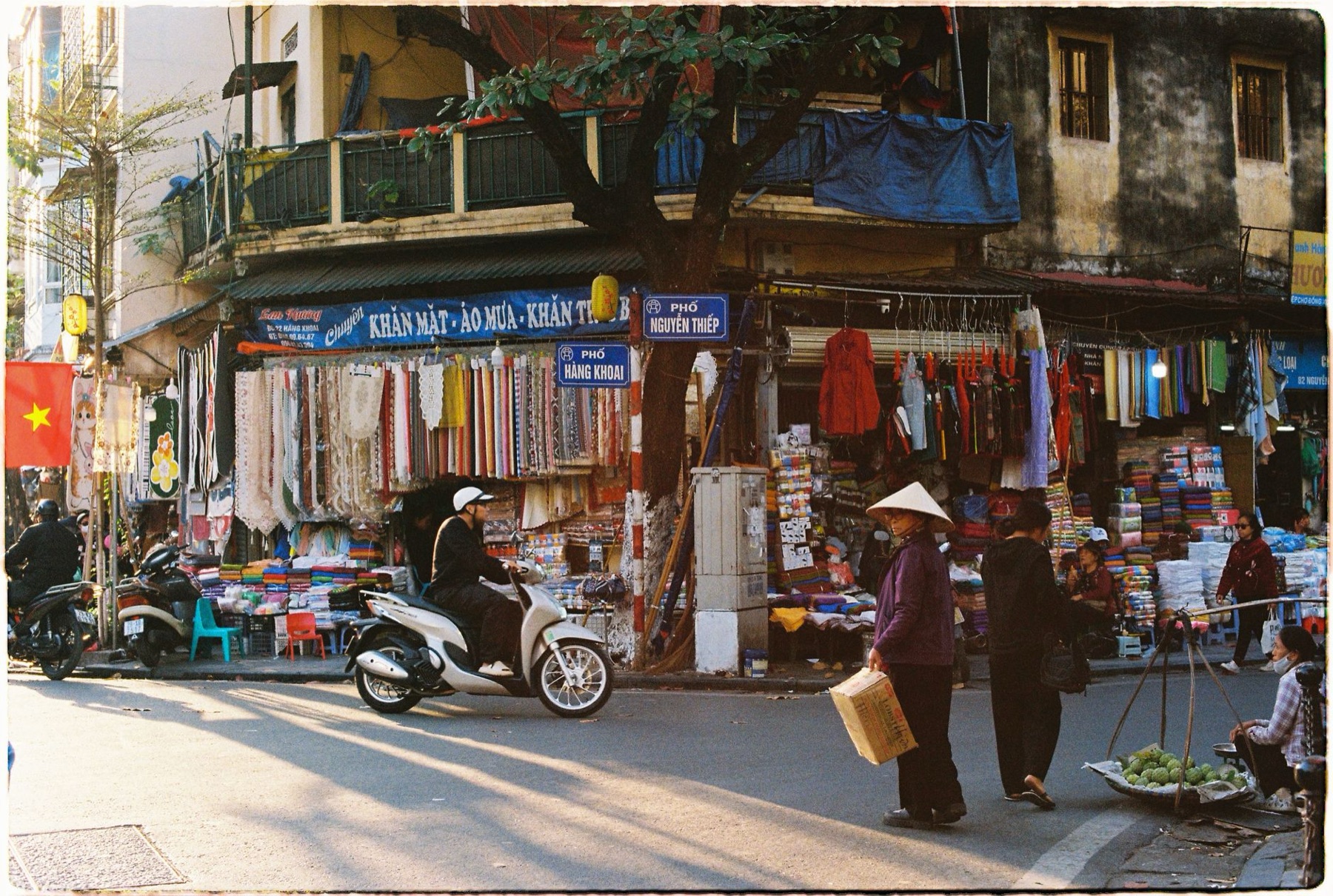
Cyclo (pedicab) "free rides" with obligatory souvenir stops. A cyclo driver offers a "free tour"—you end up at a shop where they earn 40% commission on anything you buy. Politely refuse all unsolicited cyclo offers; book through your hotel or a known tour operator if you want a cyclo experience (around $8–12 for 30 minutes, agreed upfront).
Inflated tour prices via hotels. A hotel concierge books you on a "private tour" priced 2–3× direct rates. Before booking, ask for the operator's name and phone, then call them directly. Prices should drop 30–50%.
"Friendly local" bar crawls. A person approaches you claiming to show you a local bar scene; you end up at an inflated-price tourist trap where your new "friend" drinks free (commission from the bar). Skip it entirely.
Taxi overcharges. Always use Grab (the Southeast Asian Uber equivalent—app-based, no negotiation). Avoid hailed taxis. Similarly, get a Vietnam eSIM before arrival so you have data for apps like Grab and Google Maps; no local SIM, no escape route if lost.
What to check before booking ANY activity:
- Operator's phone number and real address (not just a website).
- Group size limit and confirmation in writing.
- Cancellation policy if weather hits (especially for boat tours).
- Whether meals/drinks are included or extra.
- Meeting point (not hotel pickup unless pre-agreed—pickups often mean a 45-minute detour to collect other tourists).
- Guide's name and language confidence (get a phone introduction).
📸 Book an ao dai photoshoot in Hanoi or Saigon (Cáo Studio)
What cultural souvenirs or keepsakes actually represent Hanoi and avoid tourist clutter?
Skip mass-produced lacquerware at night markets. Real, hand-painted pieces come from artisan workshops—Thanh Ha pottery village (20 km south) or Van Phuc silk cooperatives. Prices start around $20–50 for a small ceramic bowl or scarf made on-site; you'll watch the craftsperson work, confirming authenticity.
Silk scarves (from Van Phuc) make lightweight gifts; expect around $10–25 for quality hand-woven pieces. Egg coffee (a Hanoi invention—whipped egg yolk and condensed milk over coffee) can be bought as instant packets at supermarkets (around $2–5 for a box of 5), but the real experience is drinking it fresh at a café near Hoan Kiem Lake for around $2–3 per cup.
Embroidery from ethnic hill-tribe cooperatives (Sapa region) sometimes appears in Hanoi markets, but prices are fairer if purchased directly in Sapa. If buying in Hanoi, confirm the piece was made by the vendor, not mass-imported.
For a keepsake tied to your Hanoi time, consider booking an ao dai (traditional Vietnamese dress) photoshoot. Cáo Studio offers ao dai, makeup, and hair styling in Hanoi—you get professional photos in silk garments, around $80–150 per session, a memory no mass-produced item can match.
Alternatively, if you're organizing a group trip, Hoa Lang Thang delivers flowers in Hanoi for celebrations or farewell gatherings—a personal touch for your final evening with local friends or fellow travelers.
🎟️ Compare tours & tickets for this place
How long should you actually spend in Hanoi—and what's the ideal day-by-day breakdown?
Hanoi rewards 3–4 days. Days 1–2 cover the Old Quarter (Hoan Kiem Lake, Temple of Literature, street food). Day 3 is a day trip (Ha Long or Ninh Binh). Day 4, if you have it, means cycling rural villages or a slower pace—West Lake walks, silk workshops, a second food tour to neighborhoods you missed.
If you're tight on time (2 days), prioritize Old Quarter food, Temple of Literature, and a sunset walk at West Lake or Hoan Kiem. Skip day trips; they'll exhaust you.
Extend your Vietnam experience by checking the Vietnam itinerary planner to map multi-city routes combining Hanoi with Ho Chi Minh City, Hoi An, or Sapa.
For detailed neighborhood guides and where to stay, see the Hanoi guide.
---
FAQ
Are expensive "luxury" food tours in Hanoi worth it compared to budget tours?
No. A $15 budget food tour in the Old Quarter hits the same vendors as a $60 "premium" tour—the difference is group size (smaller) and a posher meeting location. Mid-range operators ($35–50) offer the best balance: small groups (6–8), knowledgeable guides, no rushing.
Can I negotiate prices with cyclo drivers or street vendors upfront?
Cyclo drivers expect negotiation, but state a price before boarding (avoid "we decide after"). Street food vendors don't negotiate—it's pay-per-stall, cash only. Bring coins; change is often given in sweets if you're short.
What paperwork do I need before arriving in Hanoi—visa, insurance, eSIM?
Check the Vietnam e-visa page for visa requirements based on your citizenship (US, UK, EU, Australia all differ). Grab a Vietnam eSIM for data before landing; motorbike rental and booking apps require connectivity. Travel insurance is recommended but not required; check your home policy first.
Should I book activities in advance from home or wait until I arrive in Hanoi?
Wait 1–2 days after arrival. You'll meet other travelers, get local operator phone numbers (avoiding middleman markup), and confirm dates once you know your energy levels and weather. Exception: Ha Long Bay and Ninh Binh day trips should be booked 2–3 days ahead because spots fill fast on weekends.
What's the best time of year to visit Hanoi—does it affect activity choices?
October–November (autumn) and March–April (spring) are ideal: 18–25°C, dry, low humidity. Summer (June–September) means heat, humidity, and afternoon downpours (cycling and outdoor tours become risky). Winter (December–February) is cool and dry but can feel gray. Avoid Tet (Lunar New Year, late January–early February) unless you want to experience local celebrations; many sites close and prices spike.
Is it safe to go on solo food tours or cycling tours in Hanoi?
Yes—solo travelers are common on group tours. You'll meet other travelers and locals. Stick to organized tours rather than wandering alone late at night. Use Grab for transport (never unmarked taxis), and keep valuables in a day pack worn across your chest, not a backpack alone.
FAQ
Are expensive "luxury" food tours in Hanoi worth it compared to budget tours?
No. A $15 budget food tour in the Old Quarter hits the same vendors as a $60 "premium" tour—the difference is group size (smaller) and a posher meeting location. Mid-range operators ($35–50) offer the best balance: small groups (6–8), knowledgeable guides, no rushing.
Can I negotiate prices with cyclo drivers or street vendors upfront?
Cyclo drivers expect negotiation, but state a price before boarding (avoid "we decide after"). Street food vendors don't negotiate—it's pay-per-stall, cash only. Bring coins; change is often given in sweets if you're short.
What paperwork do I need before arriving in Hanoi—visa, insurance, eSIM?
Check the [Vietnam e-visa page](/vietnam/visa) for visa requirements based on your citizenship (US, UK, EU, Australia all differ). Grab a [Vietnam eSIM](/vietnam/esim) for data before landing; motorbike rental and booking apps require connectivity. Travel insurance is recommended but not required; check your home policy first.
Should I book activities in advance from home or wait until I arrive in Hanoi?
Wait 1–2 days after arrival. You'll meet other travelers, get local operator phone numbers (avoiding middleman markup), and confirm dates once you know your energy levels and weather. Exception: Ha Long Bay and Ninh Binh day trips should be booked 2–3 days ahead because spots fill fast on weekends.
What's the best time of year to visit Hanoi—does it affect activity choices?
October–November (autumn) and March–April (spring) are ideal: 18–25°C, dry, low humidity. Summer (June–September) means heat, humidity, and afternoon downpours (cycling and outdoor tours become risky). Winter (December–February) is cool and dry but can feel gray. Avoid Tet (Lunar New Year, late January–early February) unless you want to experience local celebrations; many sites close and prices spike.
Is it safe to go on solo food tours or cycling tours in Hanoi?
Yes—solo travelers are common on group tours. You'll meet other travelers and locals. Stick to organized tours rather than wandering alone late at night. Use Grab for transport (never unmarked taxis), and keep valuables in a day pack worn across your chest, not a backpack alone.
More: Hanoi guide · Things to do in Hanoi