Ho Chi Minh City · Where to stay
Best Ho Chi Minh City Hotels: Where to Stay by Budget & Neighborhood
By Wander in Vietnam editorial team · Hanoi, Vietnam
Ho Chi Mihn City's hotel landscape splits sharply by district, price tier, and purpose. Booking the wrong neighborhood wastes hours commuting; choosing by season saves 20–30% on nightly rates. We've tested stays across every major area and filtered what genuinely works for international visitors—and what drains your budget for location alone.
Which Ho Chi Minh City neighborhood is best for tourists?
District 1 (Ben Thanh, Nguyen Hue, around the central market) remains the tourist anchor. Expect mid-range hotels from $30–80 USD per night (around 750,000–2,000,000 VND) clustered near Nguyen Hue Walking Street and Ben Thanh Market. Foot traffic is relentless, noise peaks after 10 PM, but every cafe, ATM, and tour operator is walkable. If you're on a 3–5 day first visit and want zero navigation friction, District 1 works. Just avoid the alleys directly behind the market—overpriced "tourist" restaurants and touts.
📸 Book an ao dai photoshoot in Hanoi or Saigon (Cáo Studio)
What's the quietest upscale area with good value?
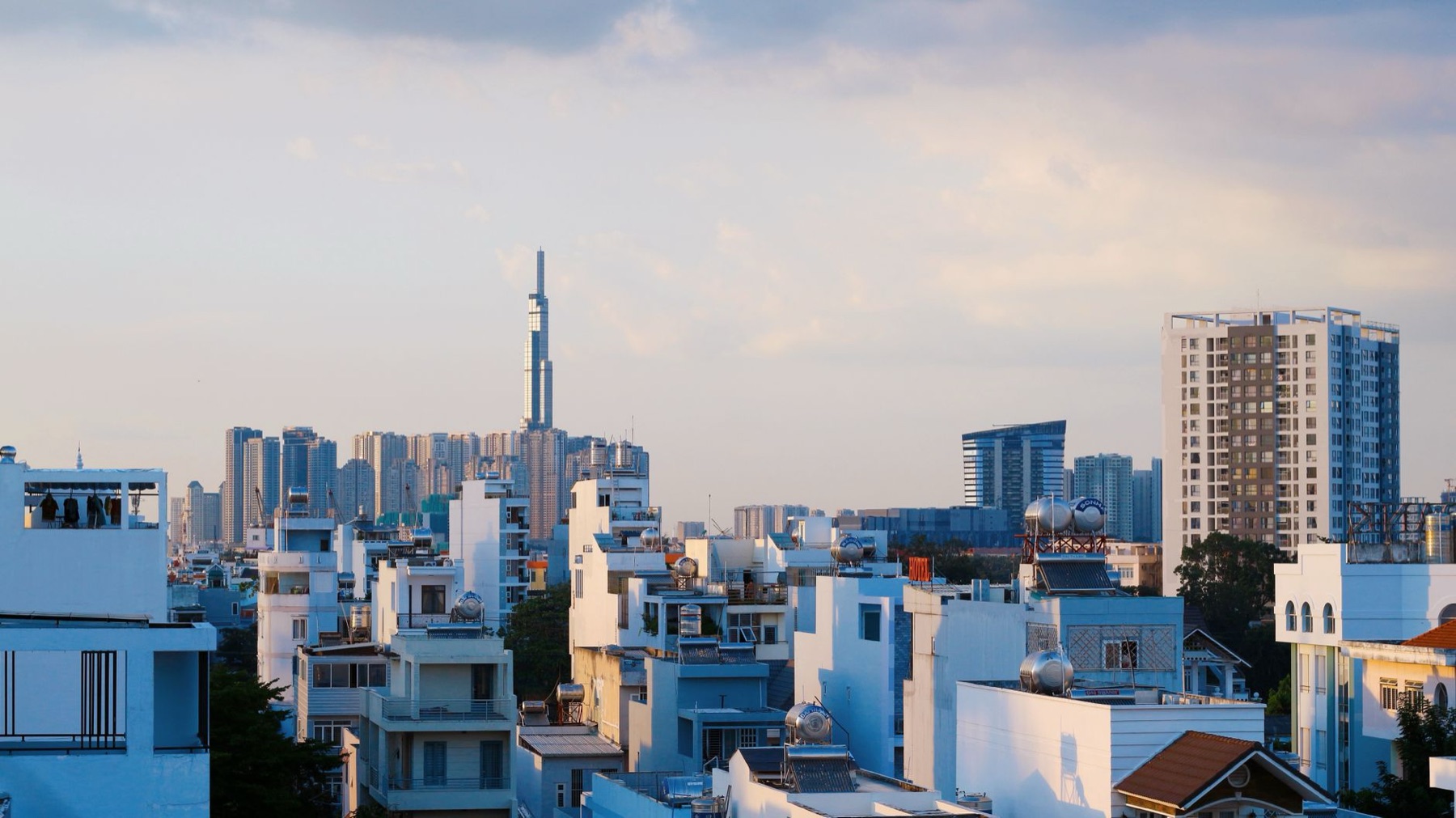
District 3 (Ba Dinh, Vo Van Tan corridor) attracts experienced travelers and expats. Hotels here run $40–100 USD/night (around 1,000,000–2,500,000 VND) with far fewer hawkers. The neighborhood has actual residential streets, local pho shops, and the Vietnam History Museum. It's 10–15 minutes by xe om (motorbike taxi) or Grab to District 1 attractions. We book here when we want calm but won't sacrifice proximity.
Where do luxury travelers stay?
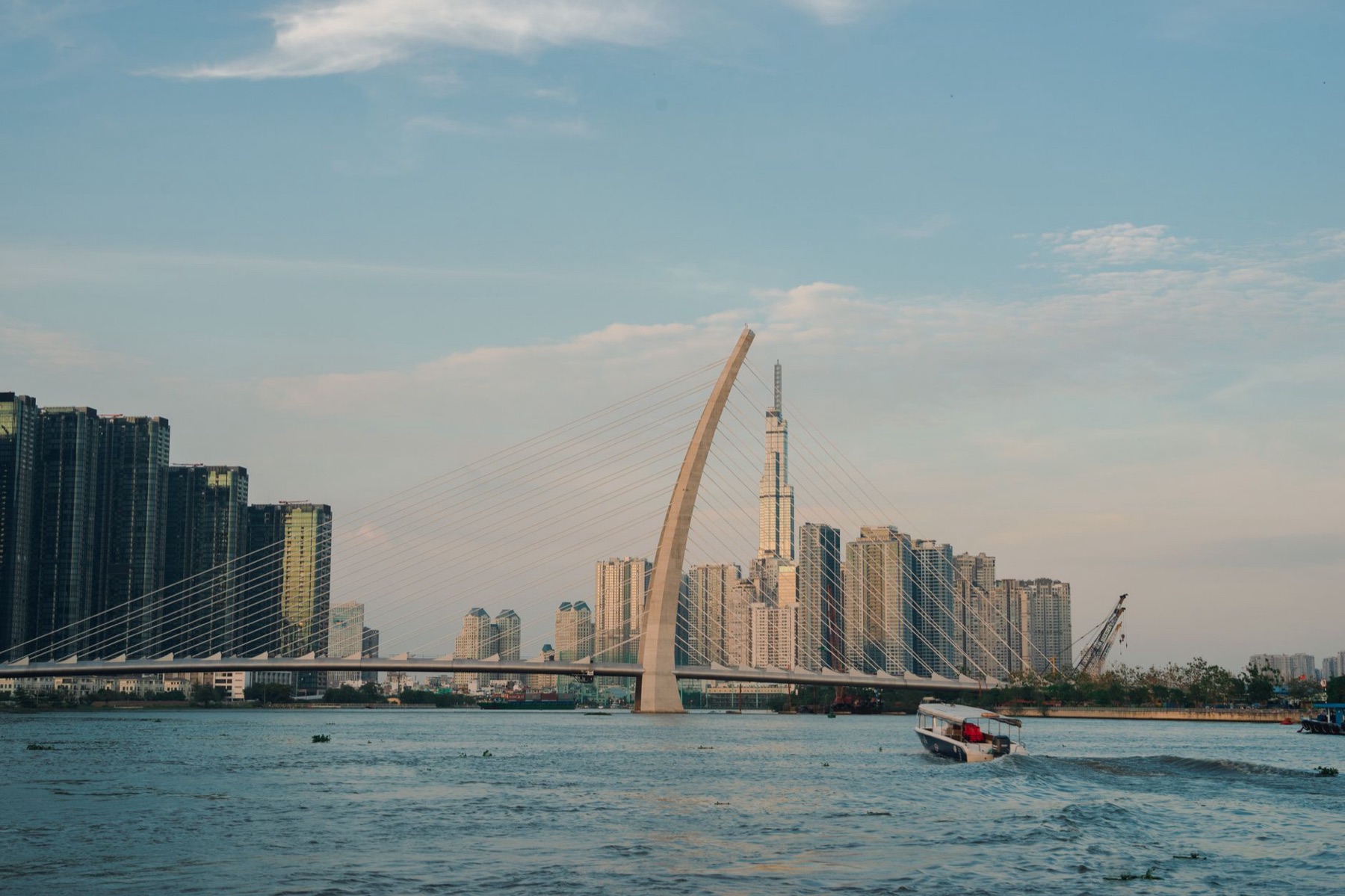
Thao Dien (District 2) and the Binh Thanh waterfront host resort-style properties, many $150–400+ USD/night (around 3,750,000 VND and up). These offer spas, multiple restaurants, and quiet compounds. The trade-off: you'll rely on Grab for city movement; it's a business/long-stay zone. If you're upgrading for peace and amenities rather than landmarks, this works. High-season (December–January) books out 4–6 weeks ahead.
What's the real backpacker scene?
De Tham Street (District 1, just west of Ben Thanh) is Vietnam's notorious backpacker alley—hostels $8–18 USD/night (around 200,000–450,000 VND), three-bed dorms, rooftop bars running until 2 AM. Many travelers go for 1–2 nights and stay 5. It's lively, cheap, and full of English speakers planning onwards routes. The downside: you'll hear every motorbike from the street below, theft from shared lockers happens occasionally (use a padlock), and breakfast noise from 6 AM. Skip if you need sleep or quiet work time.
🗺️ Plan your route: Vietnam itinerary
| Hotel Type | Best For | Typical Rate | Booking Window | Trade-Off |
|---|---|---|---|---|
| Budget hostels (De Tham) | Solo, short stays, party scene | $8–18/night (200k–450k VND) | Walk-in fine | Noise, theft risk, no privacy |
| Mid-range District 1 | First-time tourists, central access | $30–80/night (750k–2M VND) | 2–3 weeks ahead | Tourist bubble, crowded streets |
| Comfort District 3 | Independent travelers, expat areas | $40–100/night (1M–2.5M VND) | 2–3 weeks ahead | Shorter walk to attractions |
| Luxury Thao Dien | Long stays, business, couples | $150–400+/night (3.75M+ VND) | 4–6 weeks ahead | Grab-dependent, far from old city |
| Serviced apartments (all districts) | 7+ nights, families, remote work | $35–150/night (875k–3.75M VND) | 3–4 weeks ahead | Requires local SIM/WiFi testing |
How do seasons and booking timing affect availability?
December and January sell out all premium rooms 4–8 weeks ahead; expect rates to spike 30–50%. Monsoon season (May–October) is cheapest and least booked—rates drop 20–40%, but humidity peaks and sudden storms hit daily. Spring (February–April) and autumn (October–November) are sweet spots: fair weather, moderate crowds, rates between high and low season. Book 2–3 weeks ahead for March–April; 3–4 weeks for November–December. Last-minute bookings in low season (June–August) often net an extra 15% discount if you call the hotel directly rather than use OTA websites.
🎟️ Compare tours & tickets for this place
What to check before you book
- Noise source: Ask the hotel receptionist (via email or chat) whether your room faces the street or courtyard. Street-facing rooms in District 1 are cheaper and loud; courtyard rooms cost more but let you sleep.
- WiFi upload speed: Download a speed-test app and check reviews mentioning "internet." Ho Chi Minh City has good connectivity, but older buildings in Nguyen Hue area sometimes throttle uploads—critical if you're working remotely.
- Breakfast inclusion and timing: Free breakfast often ends at 9 or 10 AM. If you move slow in the morning, pay extra for room delivery or skip it and eat street-side (cheaper anyway).
- Xe om (motorbike taxi) vs. Grab coverage: Call or WhatsApp the hotel: "Is Grab pickup available from the lobby?" Some older buildings on narrow alleys don't allow ride-hailing pickups; you'll wait on the street.
- Hot water and pressure: Read recent reviews for "cold showers" or "low pressure." This happens in older District 1 budget hotels during peak demand (7–8 AM).
- Cancellation policy: Free cancellation up to 48 hours is standard. Confirm before paying; some flash sales are non-refundable.
- Currency and payment: Ask if the hotel accepts USDT via Binance or only Visa/Mastercard. Some smaller properties have payment processors with hidden 2–3% fees.
---
Planning your broader Vietnam trip?
If you're spending 2+ weeks in Vietnam, consider splitting nights across regions. Extend your knowledge of Ho Chi Minh City attractions, then venture to Hoi An (4-hour flight), Ha Long Bay (overnight bus), or Ninh Binh (3-hour drive). Check our itinerary planner to map a realistic schedule.
For the reverse direction, many travelers arrive in Hanoi first. You'll want a Vietnam e-visa processed before arrival and a local eSIM to book Grab and stay connected. If you're flying north to Sapa or Ha Long, book 5–7 days after landing (jet lag + visa stress = poor on-arrival decisions).
---
Real-world quirks we've seen
Hostels on De Tham overbook and "upgrade" guests to different buildings blocks away—you'll hear stories but it's rare if you book direct. Mid-range District 1 hotels sometimes refuse walk-ins during TET (Lunar New Year, usually late January–early February) even if they have rooms; online bookings lock in rates. Luxury Thao Dien properties often require a $100+ security deposit in cash if paying by Bitcoin or bank transfer. None of this ruins a trip, but knowing it prevents frustration.
Ready to move forward? Secure a room now via your booking app of choice (Agoda, Booking.com, direct hotel website—prices are usually identical within 1–2%). Once you've landed, grab an ao dai photoshoot to capture your stay, or arrange flower delivery if you're meeting someone special.
FAQ
Is Ho Chi Minh City more expensive than Hanoi for hotels?
No. Budget hostels and mid-range hotels cost roughly the same (10–15% variance depending on location). Luxury properties in Thao Dien may run higher than Hanoi's equivalents, but Hanoi's Old Quarter has steeper nightly rates for comparable comfort.
What's the safest neighborhood for solo female travelers?
District 1 (Ben Thanh area) and District 3 (Vo Van Tan) have heavy foot traffic, good lighting, and many female-run cafes. De Tham hostels have women-only dorms and staff accustomed to solo travelers. Avoid deserted alleys after 10 PM regardless of area.
Do I need to book a hotel weeks in advance, or can I walk in?
December–January and Tet (lunar new year) require 4–6 weeks booking. March–May and September–November need 2–3 weeks. June–August, walk-ins are fine—rates often drop another 10–20% if you negotiate in person. Never walk in during Tet; everything is full and prices spike 50%.
How do I get from the airport to my hotel?
Tan Son Nhat Airport (SGN) is 7 km northeast of District 1. Grab ride costs around 120,000–180,000 VND ($5–7 USD). Airport taxi from the official stand: ~200,000 VND ($8 USD). Avoid unofficial taxis at arrivals. Ask your hotel if they offer pickup (often $15–25, worth it if you're tired).
What's the actual cost of living in Ho Chi Minh City if I stay 2+ weeks?
A mid-range hotel ($50/night = 1.25M VND) + street food meals ($2–4 per meal) + local transport ($0.50 Grab each ride) + one daily coffee ($1.50) = roughly $75–100 USD per day. Budget travelers on De Tham save $30/day; luxury travelers in Thao Dien spend $250+/day.
Are there hidden fees or surcharges I should know about?
Always confirm total price in the booking app—some hotels add "resort fees" ($2–5/night) at checkout, not listed upfront. International credit card payments may incur 2–3% foreign transaction fees (ask your bank, not the hotel). Cash payment in VND is always cleanest.
FAQ
Is Ho Chi Minh City more expensive than Hanoi for hotels?
No. Budget hostels and mid-range hotels cost roughly the same (10–15% variance depending on location). Luxury properties in Thao Dien may run higher than Hanoi's equivalents, but Hanoi's Old Quarter has steeper nightly rates for comparable comfort.
What's the safest neighborhood for solo female travelers?
District 1 (Ben Thanh area) and District 3 (Vo Van Tan) have heavy foot traffic, good lighting, and many female-run cafes. De Tham hostels have women-only dorms and staff accustomed to solo travelers. Avoid deserted alleys after 10 PM regardless of area.
Do I need to book a hotel weeks in advance, or can I walk in?
December–January and Tet (lunar new year) require 4–6 weeks booking. March–May and September–November need 2–3 weeks. June–August, walk-ins are fine—rates often drop another 10–20% if you negotiate in person. Never walk in during Tet; everything is full and prices spike 50%.
How do I get from the airport to my hotel?
Tan Son Nhat Airport (SGN) is 7 km northeast of District 1. Grab ride costs around 120,000–180,000 VND ($5–7 USD). Airport taxi from the official stand: ~200,000 VND ($8 USD). Avoid unofficial taxis at arrivals. Ask your hotel if they offer pickup (often $15–25, worth it if you're tired).
What's the actual cost of living in Ho Chi Minh City if I stay 2+ weeks?
A mid-range hotel ($50/night = 1.25M VND) + street food meals ($2–4 per meal) + local transport ($0.50 Grab each ride) + one daily coffee ($1.50) = roughly $75–100 USD per day. Budget travelers on De Tham save $30/day; luxury travelers in Thao Dien spend $250+/day.
Are there hidden fees or surcharges I should know about?
Always confirm total price in the booking app—some hotels add "resort fees" ($2–5/night) at checkout, not listed upfront. International credit card payments may incur 2–3% foreign transaction fees (ask your bank, not the hotel). Cash payment in VND is always cleanest.
More: Ho Chi Minh City guide · Where to stay in Ho Chi Minh City