Ho Chi Minh City · Where to stay
Best Hotels Ho Chi Minh City 2026: Neighbourhoods, Prices & What to Bo
By Wander in Vietnam editorial team · Hanoi, Vietnam
Ho Chi Minh City has no single "best" hotel. The city's sprawl means your pick should solve a problem: do you want to walk to restaurants and bars at midnight, live among expats with calm cafés, or wake up inside Vietnamese daily life?
We've stayed, eaten, and walked through every district travellers choose. Here's how to pick without the fluff.
🗺️ Plan your route: Vietnam itinerary
Which District Fits Your Trip?
Most visitors fixate on District 1—it's central, walkable, and packed with international menus. But "central" in a city of 8 million means traffic, noise, and $80–200/night rooms. If you fly in for 36 hours, it works. If you're staying five days, a quieter district saves money and stress.
The choice isn't Hotel A vs. Hotel B; it's Zone A vs. Zone B. Once you pick the zone, your nightly cost and vibe drop into place.
🎟️ Compare tours & tickets for this place
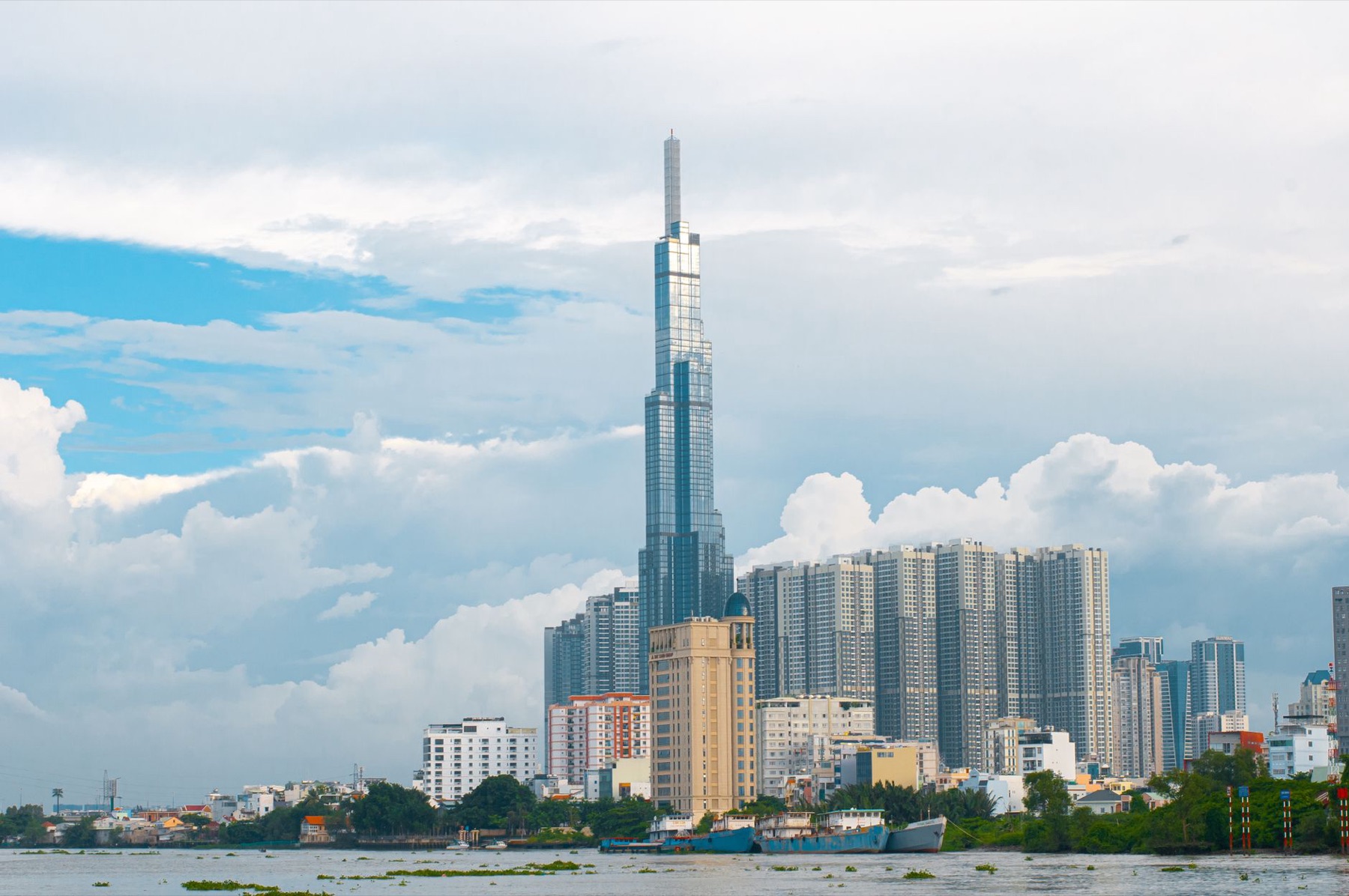
District 1: For Nightlife, Walking, Convenience
Who it's for: first-time visitors, short stays, people who hate taxis.
District 1 wraps around Saigon Centre and Nguyen Hue Walking Street (pedestrian-only after 6 p.m., mostly weekends). Bars, phở stalls, and tour-booking shops stack on every block. You can walk from Ben Thanh Market to the riverside in 10 minutes.
Price: $50–80 (mid-range); $150–250 (upper-mid); $20–35 (budget guesthouses in side alleys, shared bathrooms).
Gotcha: noise until 2 a.m. on weekends. Touts and taxis ignore traffic rules. Tourist menus cost 3× local prices. Scooters park inches from your hotel door.
What works here: you don't need a hotel with a gym or spa—you'll eat and move outside. Book a small, clean room with good AC and blackout curtains. Walking-distance wins over amenities.
District 2 (Thao Dien): Quiet, Expat, Expensive
Who it's for: couples, remote workers, people with money who want calm.
Thao Dien sits east of the Saigon River. Tree-lined streets, boutique coffee shops, yoga studios, and Western grocery stores. Expats rent here. Your neighbours speak English. Noise is nearly zero after 10 p.m.
Price: $80–150 (decent rooms); $200–400 (villas and serviced apartments); $40–60 (budget, rarer here).
Gotcha: you need a taxi or Grab to reach District 1 restaurants and attractions—10–15 min, around 80,000–120,000 VND (~$3–5). No street food culture; eating out is expensive. Feels isolated if you want to mix with backpackers.
What works here: book a villa or boutique guesthouse with a small kitchen if staying 5+ days. The quiet pays off if you're working or recovering.
| Zone | Best For | Nightly Price (USD) | Noise Level | Walking Score | Scam Risk |
|---|---|---|---|---|---|
| District 1 | Nightlife, first-timers | $40–250 | High (until 2 a.m.) | Excellent | Medium–High |
| District 2 | Couples, quiet, expats | $50–400 | Very low | Low | Low |
| District 3 | Walkable, balanced | $35–180 | Medium | Good | Low |
| Districts 5–11 | Local food, culture | $20–100 | Medium | Variable | Low |
District 3: The Underrated Middle Ground
Who it's for: repeat visitors, foodies, people tired of tourist zones.
District 3 sits north of District 1, around Ba Nguyen Hue and Dong Du Street. It has walkable blocks, fewer backpackers, and a mix of old colonial buildings and new cafés. You can walk to Saigon Centre in 15 minutes. Many hotels here cost $30–70 but feel less chaotic than District 1.
Price: $25–120 per night.
Why we pick it: you're close enough to walk to touristy stuff, far enough to eat where locals eat. Grab costs 50,000–70,000 VND (~$2–3) to District 1. Less Instagram-famous means cheaper rooms without losing access.
Gotcha: some blocks are noisy (construction, scooters), others are silent—walk the street before booking.
Districts 5, 10, 11: Where Locals Live (and Eat)
Who it's for: backpackers on $15–30/night budgets, food obsessives, cultural immersion seekers.
District 5 (Cho Lon, Chinatown) and Districts 10–11 are where Vietnamese come home. Markets open at 5 a.m. Phở costs 35,000–45,000 VND (~$1.50–2). No English menus. Noise is normal; so is humidity. You'll share your guesthouse with local construction workers, students, and salespeople.
Price: $15–45 per night; most rooms have shared bathrooms or thin walls.
What you get: authentic food 20 steps from your door, zero tourist markup, and stories. You don't stay here to lounge; you stay here to move and eat.
What you lose: late-night help if something breaks, consistent Wi-Fi, air-con reliability. Taxis sometimes refuse short runs; Grab is standard.
📸 Book an ao dai photoshoot in Hanoi or Saigon (Cáo Studio)
How to Choose: A Four-Step Checklist
- How many days? ≤2 days = District 1 (convenience). 3–5 days = District 2 or 3 (balance). 5+ days = pick by interest, not location; move around.
- What's your budget? Under $30 = Districts 5–11. $30–80 = Districts 1, 3, or lower-end District 2. $80+ = splurge anywhere; focus on specific hotel perks (pool, rooftop bar, breakfast).
- Will you eat "out"? Eating local every night = Districts 5–11 (half the cost). Mixing Western + local = Districts 1 or 3. Expat comfort = District 2.
- Do you work or recover? Working laptop hours = District 2, or a boutique co-working space in Districts 1 or 3. Recovering/beach-mode = anywhere with a pool; District 1's rooftop bars beat silence every time.

What to Check Before You Book
AC strength: hotter than you expect; visit-reviews often praise "cold AC," not décor. Ask the property directly if you run hot.
Breakfast included? Most mid-range hotels skip it or charge $5–8 extra. Budget hotels rarely offer it. Read the fine print.
Cancellation policy: Tet (lunar new year, late January–early February) and Dec/Jan book 3–6 months out. Last-minute cancellations face penalties. Book refundable if unsure.
Wi-Fi speed: test it via Speedtest; guesthouse Wi-Fi isn't guaranteed fast. If you're working, ask the owner for backup (mobile hotspot via eSIM is ~50,000 VND/month).
Neighbourhood noise: look at Google Maps photos taken at night; read 1-star reviews for "noise" complaints; visit the street after 9 p.m. if possible.
Water pressure: some old buildings have weak showers. Ask about hot-water timing if you shower before 7 a.m.
Location accuracy: "near Saigon Centre" can mean 2 blocks away or a 10-minute walk. Open Google Maps right now and measure the walk from the hotel to your must-do spot (restaurant, museum, Bitexco). If it's >15 min walk, budget a Grab (~50,000 VND).
Real Price Ranges (2026)
We've booked rooms across all zones in 2026. Here's the spread:
- Budget guesthouse (dorm or private room, basic): $15–35/night. Shared bathroom common; AC works; Wi-Fi spotty.
- Mid-range (private room, en-suite bathroom, breakfast rarely included): $40–100/night. AC reliable, daily housekeeping, often a small gym or café.
- Upper-mid (boutique feel, partial business amenities): $100–180/night. Breakfast likely included, rooftop common area, maybe a pool.
- Luxury (international chain or boutique flagship): $200+/night. All perks; service is the product.
Honest take: $60–90/night buys the best value in Ho Chi Minh City. Below $40, you're trading comfort. Above $150, you're paying for a name, not a better bed.
Avoid These Mistakes
Booking the "carefully made" hotel on OTA sites without checking the street. Top ratings often come from a single good week. Walk the neighbourhood. Read recent 1-star reviews for patterns (mold, noise, broken facilities), not one-off complaints.
Trusting photos alone. Many hotels use photos from opening day. Ask for a recent photo of your specific room type, not the showpiece suite.
Choosing a hotel based on rooftop bar hype. A rooftop pool bar in District 1 draws tourists and noise. If peace matters, skip it.
Booking right on the main street. Nguyen Hue Walking Street hotels face scooter noise until midnight. Move one block west or east, and price drops 15–20%, noise drops 50%.
Not confirming cancellation deadlines during peak season. Tet, Dec–Jan, and Chinese school holidays (July–Aug) fill rooms fast. Free cancellation often expires 48 hours before check-in during peak times.
🏨 Browse hotels by district on our main Ho Chi Minh City page
When to Book, When to Defer
- Book 6+ weeks ahead: Dec 15–Jan 10, Tet (late Jan–early Feb), July–Aug. Prices rise 30–50%; inventory shrinks.
- Book 2–4 weeks ahead: Feb–May, Sept–Nov. Good rates, decent choice.
- Book 1 week ahead: June, late Aug. Low prices but higher chance of unavailability.
- Never book day-of: you'll pay 20–30% premium and stay in overflow rooms or second-choice locations.
Beyond the Hotel: Context for Your Stay
Choosing a hotel is really choosing a neighbourhood for 3–7 days. Once you land, your hotel fades—the street around it defines your trip.
Visit our full Ho Chi Minh City guide for restaurant lists, museum hours, and street-food itineraries by district. If you're mixing Ho Chi Minh City with other regions, see our guides to Hanoi, Hoi An, Ha Long Bay, Ninh Binh, and Sapa to plan your route.
🗺️ Plan your Vietnam itinerary
FAQ
Is District 1 actually the best for tourists?
It's the easiest. Walking, late-night food, and nightlife are immediate. But it's loud, expensive, and touristy. Repeat visitors and foodies find District 3 or 5 better value and experience.
How do I avoid hotels with bed bugs?
Inspect the mattress seams and headboard before you unpack. Check recent Google/Agoda photos and 1-star reviews for "bugs" or "insects." Never lay luggage on the bed; use the luggage rack. Bag your clothes each night.
Is it safe to stay in Districts 5–11?
Yes. Crime against tourists is rare everywhere. Petty theft from scooters and bags happens in crowded zones (District 1, Ben Thanh Market). Local districts are safer but feel less familiar. Use the same urban sense you'd use anywhere.
Do I need to book a high-end hotel if I have limited time?
No. A $50/night mid-range room in District 1 or 3 gives you the same location and experience as a $150/night "luxury" hotel. Spend on experiences and food instead.
What's the best time to visit Ho Chi Minh City?
Nov–Jan (cool, dry, 20–25°C). Aug–Oct is rainy and hot (30°C+). Dec holidays book out fast. If visiting Feb–May, book a hotel with strong AC; hotels under $60/night often have weaker cooling.
Can I negotiate hotel prices if I stay 5+ nights?
Direct booking (call/email the hotel, not via OTA) often unlocks 10–15% discounts for 5+ nights. OTAs block direct negotiation. Email and ask.
FAQ
Is District 1 actually the best for tourists?
It's the easiest. Walking, late-night food, and nightlife are immediate. But it's loud, expensive, and touristy. Repeat visitors and foodies find District 3 or 5 better value and experience.
How do I avoid hotels with bed bugs?
Inspect the mattress seams and headboard before you unpack. Check recent Google/Agoda photos and 1-star reviews for "bugs" or "insects." Never lay luggage on the bed; use the luggage rack. Bag your clothes each night.
Is it safe to stay in Districts 5–11?
Yes. Crime against tourists is rare everywhere. Petty theft from scooters and bags happens in crowded zones (District 1, Ben Thanh Market). Local districts are safer but feel less familiar. Use the same urban sense you'd use anywhere.
Do I need to book a high-end hotel if I have limited time?
No. A $50/night mid-range room in District 1 or 3 gives you the same location and experience as a $150/night "luxury" hotel. Spend on experiences and food instead.
What's the best time to visit Ho Chi Minh City?
Nov–Jan (cool, dry, 20–25°C). Aug–Oct is rainy and hot (30°C+). Dec holidays book out fast. If visiting Feb–May, book a hotel with strong AC; hotels under $60/night often have weaker cooling.
Can I negotiate hotel prices if I stay 5+ nights?
Direct booking (call/email the hotel, not via OTA) often unlocks 10–15% discounts for 5+ nights. OTAs block direct negotiation. Email and ask.
More: Ho Chi Minh City guide · Where to stay in Ho Chi Minh City