Hanoi · Where to stay
Best Hotels in Hanoi 2026: Where to Stay by Neighbourhood
By Wander in Vietnam editorial team · Hanoi, Vietnam
Hanoi's hotel landscape splits into five distinct zones, each with its own tempo, price band, and vibe. Walking into the wrong neighbourhood—or the wrong hotel type—can waste your holiday. We've stayed in and studied every major area. Here's how to choose without regret.
Which neighbourhood actually suits your trip style?
Your hotel's neighbourhood matters more than the hotel itself. You'll spend 16+ hours daily in that district. The Old Quarter pulses with travellers, noodle stalls, and motorbike chaos until 2 a.m.; Ba Dinh (government district) is silent at 9 p.m. and full of expat cafés; Tay Ho feels like a village with lake walks and sunset bars; Hoan Kiem (central, around the lake) is touristy but walkable to everything; Dong Da is residential, green, and barely tourist-tracked.
🗺️ Plan your route: Vietnam itinerary
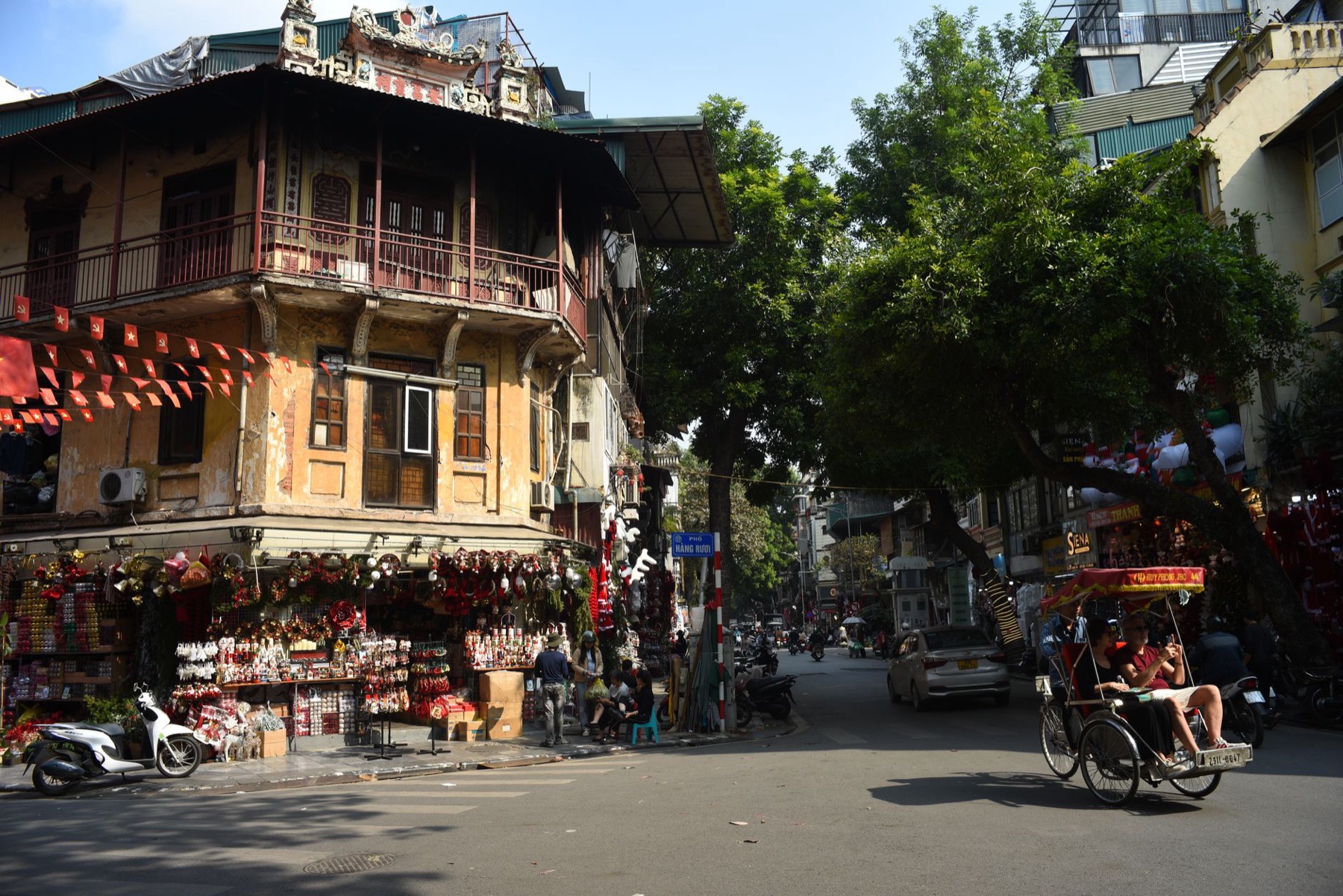
Old Quarter (Hoan Kiem District)
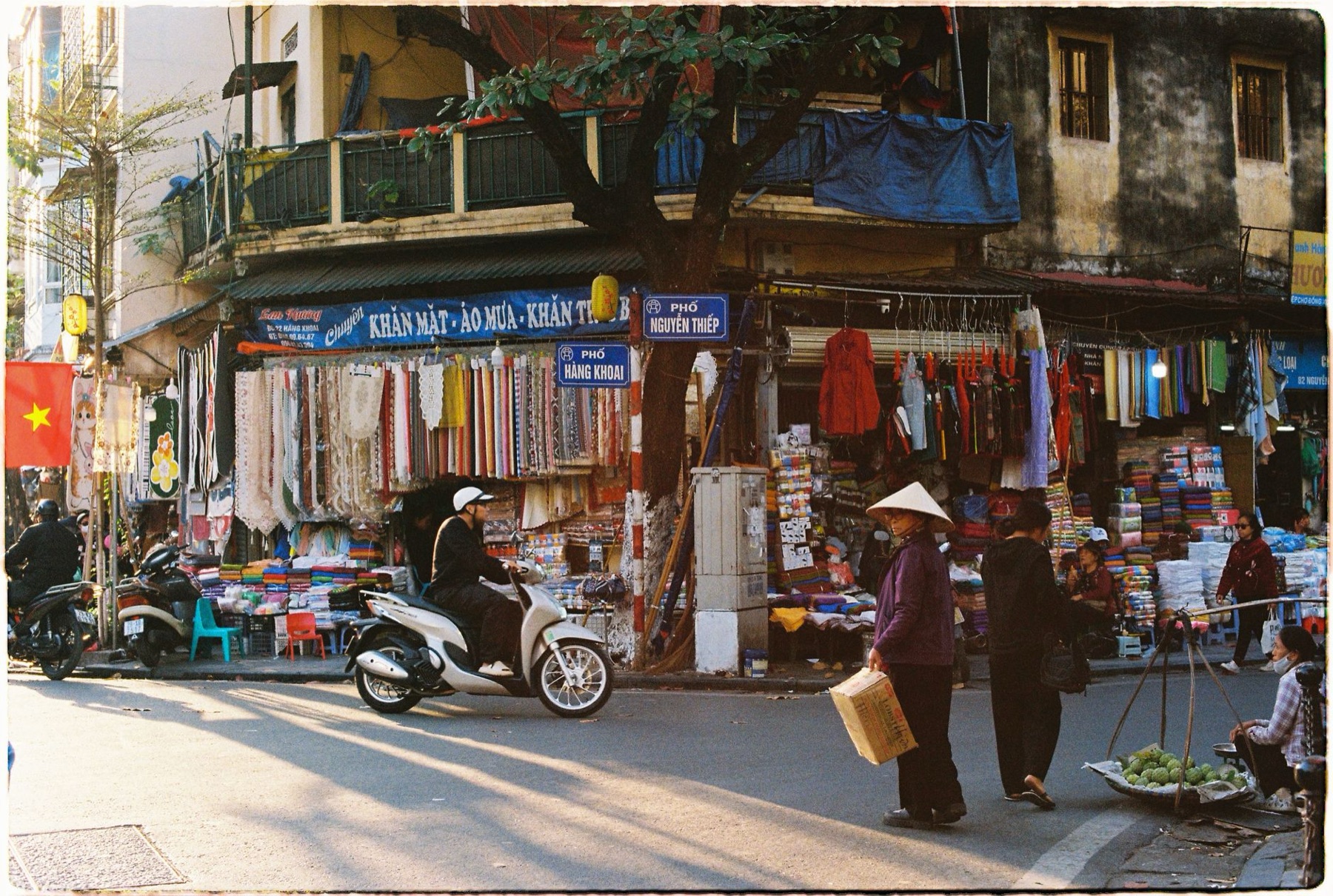
The nerve of backpacker Hanoi. Expect noise, mopeds, and real street life. Hotels here range from rock-bottom dorms (around 300,000–500,000 VND / $12–$20 per bed) to mid-range guesthouses (800,000–1.5 million VND / $32–$60). You'll walk out your door into Hang Dau, Hang Ngang, or Ma May street—each packed with pho sellers, bia hoi (draught beer) joints, and souvenir shops. Sleep-light? Bring earplugs. Love the energy? This is your zone.
What to check: Ask if your room faces the street (noisier, character) or courtyard (quieter, less view). Confirm WiFi strength—many Old Quarter guesthouses have patchy signal. Check if they offer free city maps; most good ones do.
Ba Dinh & Dong Da (North-West Hanoi)
Where locals and expats actually live. Hotels here skew mid-range to upmarket (1.2–3 million VND / $48–$120). You'll find tree-lined streets, independent coffee shops, and restaurants serving real Vietnamese food, not tourist versions. Ba Dinh District is official (government, embassies, calm); Dong Da bleeds into it and is grittier, residential, cheaper. Fewer foreigners = fewer scams, more authentic street economy.
What to check: Confirm the hotel has reliable hot water (not all do). Ask about breakfast—some include it, others charge 150,000 VND ($6) extra. Check the walk to the nearest bus stop if you're not renting a motorbike.
Tay Ho (West Lake)
Hanoi's romantic outlier. This lakeside neighbourhood is where expats rent villas and young couples date. Hotels range from boutique guesthouses (1–1.8 million VND / $40–$72) to upmarket resorts (2.5–4 million+ VND / $100–$160+). You get sunsets, local food courts, lake swims in summer, and almost no tourist hassle. Downside: it's 30–40 minutes by taxi/Grab from the Old Quarter, so day trips require planning.
What to check: Is the hotel actually lakeside (pricier, better value) or just "near the lake" (misleading). Ask about Grab availability in the evening—some areas have fewer drivers. Confirm if breakfast includes local Hanoi specialities (bánh mì, pho) or just pastries.
Hoan Kiem (Lake-Central)
The compromise zone. Hotels cluster around the namesake lake and Nguyen Hue Walking Street area—still touristy but calmer than the Old Quarter. Prices span 900,000 VND–2.2 million ($36–$88). You're close to museums, cafés, and evening strolls; still minutes from the chaos if you want it. Many families and older travellers prefer this.
What to check: Lake-view rooms cost 30–40% more; decide if sunrises/sunsets justify it for you. Ask if the walking street below causes noise (it does on weekends; request a higher floor).
Comparing Hotel Types by Budget & Expectations
| Hotel Type | Typical Price Range (VND) | Typical Price Range (USD) | Best For | Main Trade-Off |
|---|---|---|---|---|
| Hostel dorm (Old Quarter) | 300k–600k | $12–$24 | Solo travellers, backpackers | Noise, shared bathrooms |
| Budget guesthouse (Old Quarter/Ba Dinh) | 700k–1.3M | $28–$52 | Budget couples, small groups | Basic amenities, no AC in some rooms |
| Mid-range hotel (Ba Dinh/Tay Ho) | 1.2M–2.2M | $48–$88 | Comfort seekers, families | Further from Old Quarter action |
| Upmarket boutique (Tay Ho/central) | 2.5M–4M | $100–$160 | Couples, those wanting local charm | Higher price, smaller room |
| Business/luxury (Ba Dinh, central) | 3.5M–6M+ | $140–$240+ | Executives, special occasions | Over-formal, corporate feel |
What actually happens when you book—and what to avoid?
Most Hanoi hotels honour bookings but check these specifics before you pay:
Booking confirmation: Ask for written confirmation (email, WhatsApp) including check-in time, cancellation policy, and breakfast details. Many guesthouses have strict no-refund policies; know yours upfront.
Deposit scams to avoid:
- Banks asking you to wire 50% upfront to a personal account (use hotel direct booking or Airbnb/Booking.com escrow instead).
- Hotels claiming "rates sold out" then offering an "exclusive sister property" (it's a higher-cost swap).
- "Breakfast not included in your room rate" appearing at check-in (confirm in writing beforehand).
Water and power: Hanoi's water is safe to drink after boiling, but tap water in hotels is usually not. Ask if your room has a water filter or if they provide bottled water. AC works year-round; November–February heating is rare (bring layers).
Internet: Test the WiFi signal in your assigned room (not the lobby) on arrival. If it's unusable, ask to move or leave within 24 hours—this is a legitimate reason to cancel many policies.
🎟️ Compare tours & tickets for this place
How do prices shift by season—and when should you book?
Hanoi's peak season runs October–March (cool, dry, perfect weather). Hotels raise rates 20–35% in November–January. Budget guesthouses spike from 900,000 to 1.1M VND ($36–$44); mid-range hotels jump to 2–2.8M ($80–$112).
April–September is hot and humid; hotels discount 10–25%. You'll find mid-range rooms at 1–1.8M VND ($40–$72). June–September carries typhoon risk (rare direct hits but heavy rain possible), so book refundable rates if you visit then.
Book timing:
- Peak season: 2–3 weeks ahead for good rates.
- Off-season: book 1 week ahead; you'll have more choice and leverage.
- Tet (Vietnamese New Year, late January–early February): book 6–8 weeks ahead; many hotels close or charge 50%+ premiums.
📸 Book an ao dai photoshoot in Hanoi or Saigon (Cáo Studio)
What to actually check on arrival before unpacking?
Walk through this checklist in your first 10 minutes:
- Water: Turn on the tap. Does it run clear? Ask staff if it's potable.
- AC: Test both temperatures. Does it actually cool to comfortable?
- WiFi: Open your phone. Connect to the network. Load a website. Is it usable for video calls?
- Bathroom: Flush the toilet. Check water pressure. Confirm hot water works.
- Noise: Close the window. Can you hear street noise, neighbouring rooms, or the common area?
- Cleanliness: Check under the bed, inside the closet, and behind the bathroom door.
- Safety: Confirm the door locks, and identify the fire exit.
- Breakfast: Ask what time it's served, where it's eaten, and what's included (confirm this matches your booking).
If anything fails (no hot water, no WiFi, excessive noise), report it in writing (WhatsApp, email) to the manager on day one. It's much easier to change rooms or negotiate a refund within 24 hours than on checkout.
Beyond the hotel room: what makes a neighbourhood home?
Your hotel is just your sleeping spot. The real Hanoi happens outside. Each neighbourhood has a distinct food, vibe, and daily rhythm.
Old Quarter mornings: Street pho sellers set up by 6 a.m. on Hang Dau and Hang Manh. Grab a stool, order a bowl (around 40,000–60,000 VND / $1.60–$2.40), and watch the city wake up.
Ba Dinh evenings: Walk Tran Hung Dao street after 5 p.m. You'll find side-street beer gardens (bia hoi) where locals sit on tiny plastic stools, nursing draught beer (10,000–15,000 VND / $0.40–$0.60 per glass) and eating grilled meat or snails.
Tay Ho weekends: Head to the night market (if it's open; check locally) or rent a motorbike for a sunset loop around the lake. Stop at a floating bar or lakeside noodle stall.
Hoan Kiem wandering: The walking street (Nguyen Hue) is loud and touristy; skip it. Instead, walk the quiet streets around the old cathedral (Nha Tho Lon) or explore Hang Bong and Hang Buom for independent shops and cafés.
Dong Da authenticity: Browse Hang Gai for silk and textiles. Grab lunch at a local com tam (broken-rice) shop—you'll see no tourists, locals only, rice around 50,000 VND ($2).
---
Related reading to plan your full trip
Before you settle on Hanoi, consider the bigger picture. We have detailed guides for the regions:
- Complete Hanoi guide – everything from street food to day trips.
- Vietnam itinerary planner – map out your route and days.
- Ho Chi Minh City hotels – if you're visiting both cities.
- Ha Long Bay guide – the most common Hanoi day trip.
- Ninh Binh guide – karst scenery, 1.5 hours south.
- Sapa guide – mountain town, 5 hours north-west.
- Hoi An guide – colonial town, 2 hours south by plane.
Need connectivity? Get an eSIM for Vietnam before you arrive. Coming from outside the region? Check Vietnam e-visa requirements.
🗺️ Plan your route: Vietnam itinerary
---
FAQ
Should I book directly with the hotel or use Booking.com/Airbnb?
Booking.com and Airbnb offer escrow protection (you hold funds if issues arise) and free cancellation on many rates; direct booking saves hotels commission but gives you less recourse if they cancel or lie about amenities. For peace of mind, use the platform. For the best price, call the hotel after finding the rate—many will match it and waive a booking fee.
Is it safe to walk around my neighbourhood at night?
Hanoi's tourist areas (Old Quarter, Hoan Kiem, Ba Dinh) are safe after dark; mugging is rare. Petty theft (bag snatching from motorbike) happens in crowds; keep valuables close. Avoid very late returns (past midnight) if you're alone and unfamiliar with the area. Use Grab (app-based taxi) after 11 p.m. for peace of mind.
What's the real cost of staying near a noisy street vs. a quiet one?
Street-facing rooms cost 20–30% less than courtyard or back rooms. Noise level difference is dramatic—street can mean 50+ decibels of motorbikes until 1 a.m.; courtyard is 35–40 decibels. For light sleepers, pay the extra 200,000–400,000 VND ($8–$16) per night for quiet. For budget maximizers, earplugs (20,000 VND / $0.80) work.
Do I need to pre-book a hotel, or can I arrive and find one?
October–March, pre-book 2–3 weeks ahead to avoid price hikes and sold-out dates. April–September, you can arrive and negotiate same-day rates (10–20% discounts), but you'll waste 2–3 hours searching. Tet and long Vietnamese holidays: absolutely pre-book or miss out.
My hotel doesn't have a washing machine. Where do I wash clothes?
Most guesthouses offer laundry service (5,000–15,000 VND / $0.20–$0.60 per kg; 2–3 day turnaround). Self-service laundromats are rare; hand-washing in your sink works for underwear and t-shirts. Ask your hotel for a laundry contact on arrival; they have one, even if it's not advertised.
What if I arrive at my hotel and it's completely different from the photos?
Take photos/video of the room and common areas. Contact the manager immediately in writing (WhatsApp + email). If it's genuinely misrepresented (e.g., mould, broken AC, no window in a window room), you have grounds to cancel within 24 hours on most platforms. Call Booking.com/Airbnb customer service if the hotel refuses; they'll typically refund and rebook you. ===
FAQ
Should I book directly with the hotel or use Booking.com/Airbnb?
Booking.com and Airbnb offer escrow protection (you hold funds if issues arise) and free cancellation on many rates; direct booking saves hotels commission but gives you less recourse if they cancel or lie about amenities. For peace of mind, use the platform. For the best price, call the hotel after finding the rate—many will match it and waive a booking fee.
Is it safe to walk around my neighbourhood at night?
Hanoi's tourist areas (Old Quarter, Hoan Kiem, Ba Dinh) are safe after dark; mugging is rare. Petty theft (bag snatching from motorbike) happens in crowds; keep valuables close. Avoid very late returns (past midnight) if you're alone and unfamiliar with the area. Use Grab (app-based taxi) after 11 p.m. for peace of mind.
What's the real cost of staying near a noisy street vs. a quiet one?
Street-facing rooms cost 20–30% less than courtyard or back rooms. Noise level difference is dramatic—street can mean 50+ decibels of motorbikes until 1 a.m.; courtyard is 35–40 decibels. For light sleepers, pay the extra 200,000–400,000 VND ($8–$16) per night for quiet. For budget maximizers, earplugs (20,000 VND / $0.80) work.
Do I need to pre-book a hotel, or can I arrive and find one?
October–March, pre-book 2–3 weeks ahead to avoid price hikes and sold-out dates. April–September, you can arrive and negotiate same-day rates (10–20% discounts), but you'll waste 2–3 hours searching. Tet and long Vietnamese holidays: absolutely pre-book or miss out.
My hotel doesn't have a washing machine. Where do I wash clothes?
Most guesthouses offer laundry service (5,000–15,000 VND / $0.20–$0.60 per kg; 2–3 day turnaround). Self-service laundromats are rare; hand-washing in your sink works for underwear and t-shirts. Ask your hotel for a laundry contact on arrival; they have one, even if it's not advertised.
What if I arrive at my hotel and it's completely different from the photos?
Take photos/video of the room and common areas. Contact the manager immediately in writing (WhatsApp + email). If it's genuinely misrepresented (e.g., mould, broken AC, no window in a window room), you have grounds to cancel within 24 hours on most platforms. Call Booking.com/Airbnb customer service if the hotel refuses; they'll typically refund and rebook you. ===