Hanoi · Where to stay
Best Hotels in Hanoi: Where to Stay by Budget & Neighborhood
By Wander in Vietnam editorial team · Hanoi, Vietnam
Hanoi's hotel landscape splits sharply by district. The Old Quarter buzzes with foot traffic and motorbikes; Ba Dinh feels quieter, more corporate. West Lake appeals to travelers seeking village vibes within the city. Budget and neighborhood choice matter more than star ratings—a $50 guesthouse in the right lane beats a $120 hotel in the wrong one.
We've stayed across Hanoi's districts and tracked real patterns: which areas fill fastest, which feel safe alone at night, which keep you closest to the food and culture you came for. This guide cuts past hype.
Which Hanoi neighborhood should you choose first?
The Old Quarter (Hoan Kiem district) is Hanoi's tourist core: narrow lanes, neon signs, street food stalls open until midnight, constant foot traffic. Suits: first-time visitors, solo travelers, nightlife seekers. Trade-off: noise, crowds, petty theft risk in ultra-packed alleyways. Hotels here start around $12–30/night (budget), $50–100/night (mid-range).
Ba Dinh and Hoan Kiem's quieter edges attract business travelers and repeat visitors. Cleaner air, wider sidewalks, upscale restaurants, less sensory overload. Suits: professionals, families, peace-seekers. Trade-off: fewer street eats, 10–15 minute walk to "action." $40–150/night typical.
West Lake (Tay Ho district) is Hanoi's emerging expat zone: lakeside cafes, boutique shops, art galleries, tree-lined paths. Suits: remote workers, couples, travelers wanting to slow down. Trade-off: fewer budget options; taxis/Grab needed for Old Quarter. $60–200/night baseline.
Long Bien district (river area near the iconic bridge) feels authentic—local guesthouses, less international polish, genuine street-food vibe. Budget stays $10–25/night. Suits adventurous solo travelers comfortable with fewer English speakers.
| Neighborhood | Vibe | Budget Range (per night, USD) | Best for | Main Trade-off |
|---|---|---|---|---|
| Old Quarter | Hectic, touristy, 24/7 food | $12–100 | First-timers, foodies, nightlife | Noise, theft risk, crowds |
| Ba Dinh | Professional, calm, upscale | $40–150 | Business, families, quiet-seekers | Less street culture, taxi-dependent |
| West Lake | Bohemian, expat-friendly, green | $60–200 | Remote workers, couples, slow travel | Fewer budget options, isolated |
| Long Bien | Raw, local, adventurous | $10–25 | Solo backpackers, authenticity-chasers | Fewer amenities, language barrier |
🗺️ Plan your route: Vietnam itinerary
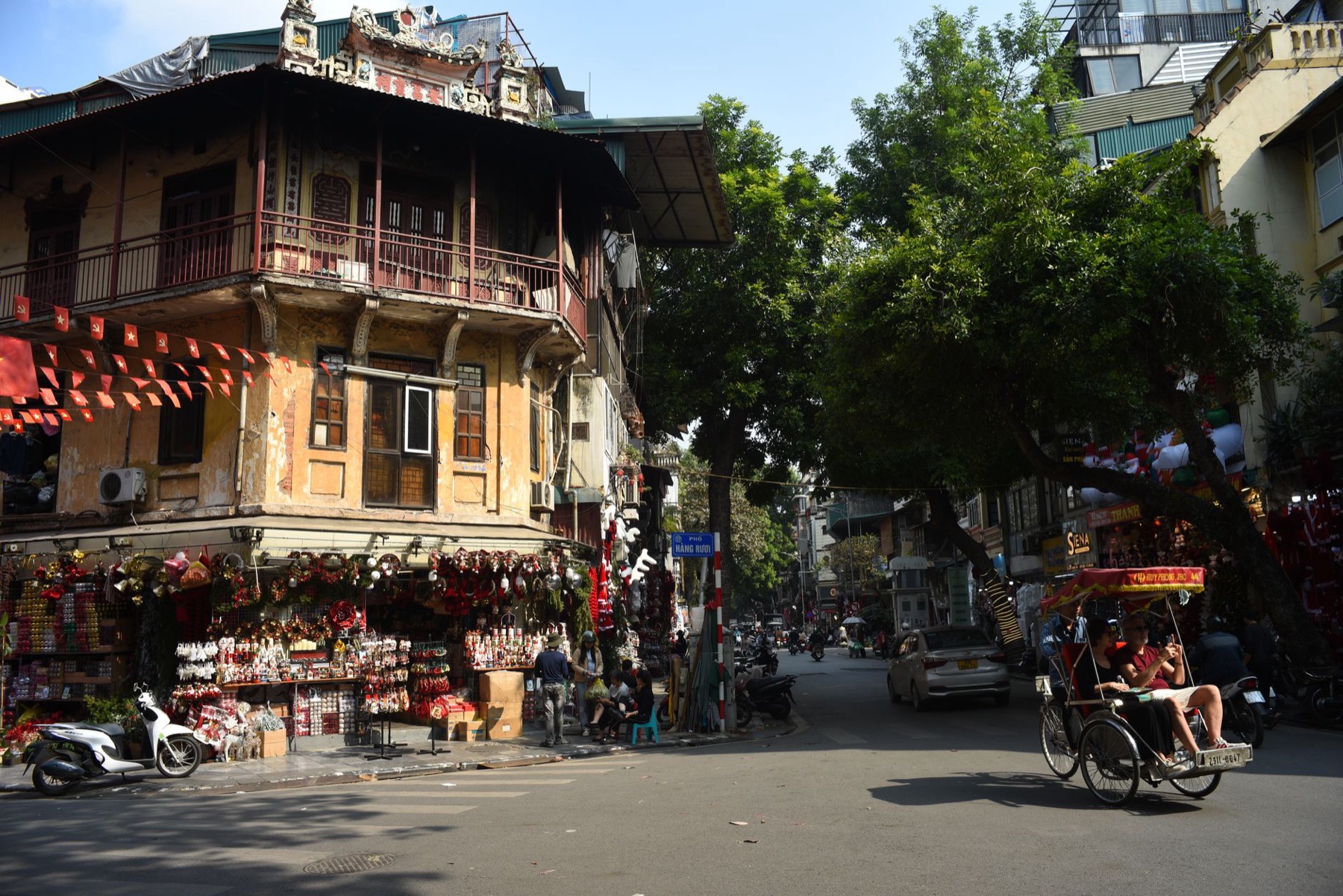
What should budget travelers look for in a Hanoi guesthouse?
Budget guesthouses ($8–25/night) cluster in the Old Quarter and Long Bien. Look for: free Wi-Fi (non-negotiable), 24-hour front desk, included breakfast (usually instant noodles + bread, but it's the gesture). Check photos carefully—"cozy" often means windowless; "authentic" can mean thin walls and motorbikes revving at 6 a.m.
Avoid: places with only one exit (fire hazard), no hot water listed, zero recent English reviews (communication breakdown risk). Ask about noise levels directly—ground floor = louder, upper floors quieter but more stairs. Many budget places lack elevators.
Solo female travelers should confirm: door locks, women-only dorm options, ground-floor bathrooms (vs. shared hallway access). Message the property before booking; responsive owners are a green flag.
Typical budget stay includes a thin mattress, shared or private bathroom, fan (AC rare at this price), and a breakfast corner. Sheets get washed every 2–3 days; standards vary widely. Ask about recent renovations or refurbishment dates—a 2024+ update usually means better plumbing.
Booking tip: Avoid traveling during Tet (lunar new year, late Jan–early Feb) when prices spike 50–100% and rooms vanish. April–May and Oct–Nov are peak (prices up 20–30%), but weather is ideal. June–Sept is rainy and cheaper (30% discount sometimes available).
How do mid-range (3-4 star) Hanoi hotels differ from budget options?
Mid-range ($40–100/night) typically means: private bathroom, air-con (real), TV, desk, housekeeping daily. Breakfast is hot (eggs, rice, pho base, fruit). Wi-Fi is fast. Some have a small gym or business center. Front desk speaks English; staff are trained.
Quality variance is higher than budget: a $60 hotel can feel mediocre or excellent depending on management and recent upkeep. Read recent (last 3 months) reviews carefully—they reveal whether AC works, whether "city view" is real or facing an alley, if breakfast is fresh.
Red flags: photos from 2021 or older (suggests no recent update), vague room descriptions, no booking cancellation policy listed, price too low for the neighborhood (bait-and-switch on room type common). Call or message and ask a specific question—if they don't answer within 24 hours, skip them.
Sweet spot: $50–70/night in Ba Dinh or Hoan Kiem's quieter zones. You get a real hotel feel, decent breakfast, helpful staff, no dorm-style chaos. Old Quarter properties at this price are tighter (smaller rooms) but central.
Expect: housekeeping may enter during checkout without warning (knock first if you're sensitive), water pressure can be weak during peak hours (shower at off-peak), WiFi can lag in rooms far from the router. These are city-wide quirks, not just budget issues.
📸 Book an ao dai photoshoot in Hanoi or Saigon (Cáo Studio)
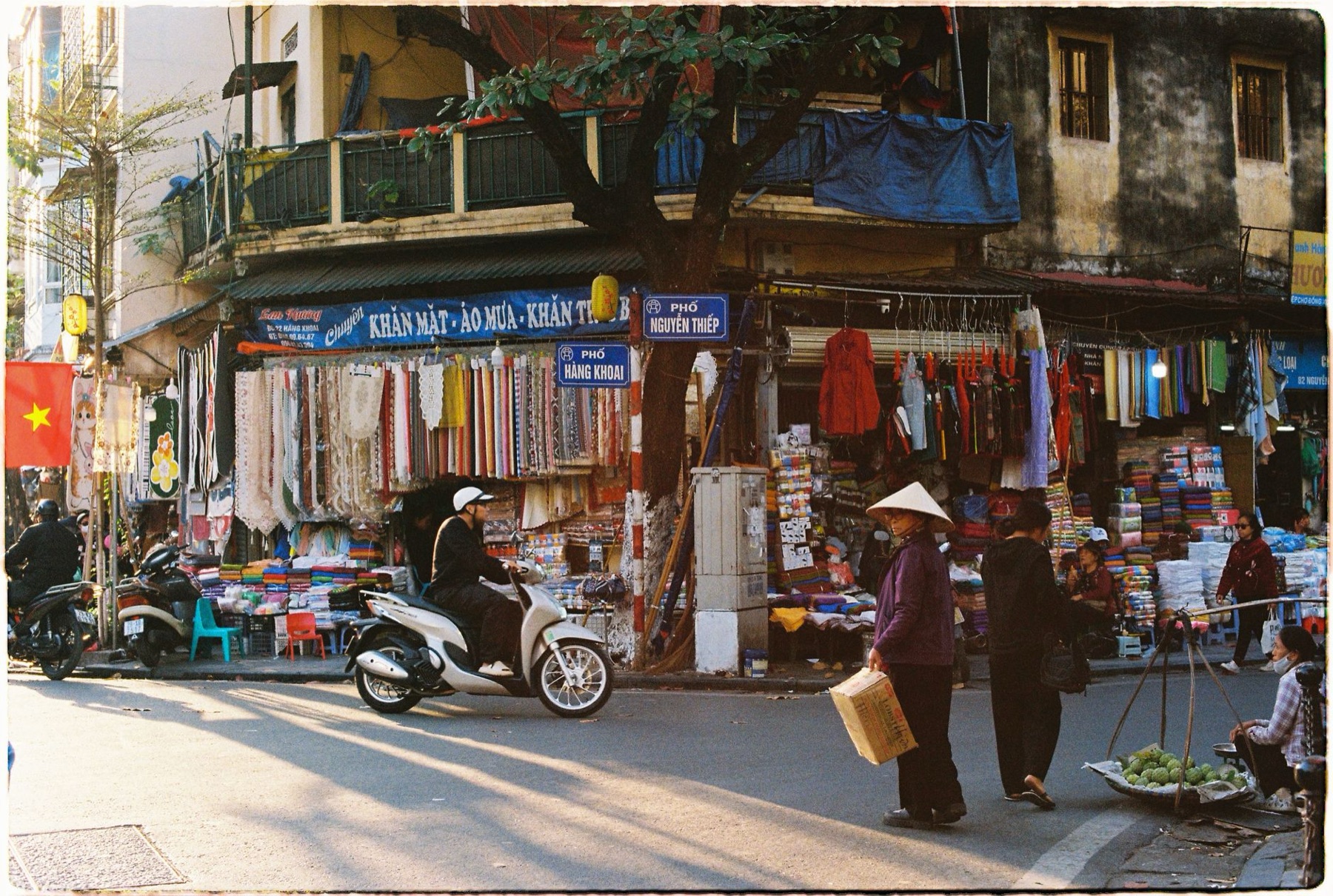
What makes a luxury Hanoi hotel worth $120+ per night?
Luxury ($120–250+/night) means: spacious rooms (≥30 m²), premium bedding, rain shower, mini-bar, 24-hour room service, breakfast buffet (fresh juice, pastries, cooked-to-order), concierge, often a rooftop pool or restaurant. Staff anticipate needs. Locations are prime (Hoan Kiem waterfront, Ba Dinh's central avenues).
Value proposition: These hotels handle logistics (visa help, airport pickups, tour bookings, restaurant reservations). Useful if you're jetlagged, on a short trip, or tired of logistics. Not necessary if you're comfortable navigating Hanoi independently.
Luxury doesn't always mean better location—a $120 property on a main road can be noisier than a $60 property in a quiet lane. Check the map view and cross-reference noise complaints in reviews before booking.
Oversold angle: "authentic experience" hotels (converted villas, colonial aesthetic) at luxury prices—mostly for Instagram. Novelty wears off by day two; you're paying 2–3× for heritage décor, not better service. Only justify if you're staying ≥5 nights and want the full ambiance.
Best use: book luxury for 1–2 nights (arrival, departure, or a splurge night). Mix mid-range for the bulk of your stay. Saves money, reduces decision fatigue.
How do you avoid common Hanoi hotel booking mistakes?
Mistake 1: Choosing by distance on a map alone. Two hotels equidistant from landmarks can have opposite experiences—one on a quiet alley, one facing a major road. Use Google Street View, look at ground-level photos in reviews, and ask the property: "Which side of the building are the rooms?"
Mistake 2: Trusting room photos without date context. Photo galleries can mix current and old images. Message and ask: "When were these photos taken?" or "Do you have a recent video tour?"
Mistake 3: Ignoring cancellation policy. Hanoi weather is unpredictable (June–Sept monsoons can strand you). Book refundable or flexible where possible. Non-refundable saves ~10% but binds you if plans shift.
Mistake 4: Overlooking breakfast value. A hotel quoting $50/night + $10 breakfast is not cheaper than $60/night with breakfast included. Calculate total. Breakfast on-site saves 15–20 minutes and eliminates decision fatigue in the morning.
Mistake 5: Booking the first result. Expedia/Booking.com rank by commission, not quality. Cross-check with direct hotel websites (often cheaper or better cancellation terms) and read reviews on multiple platforms—Agoda users and TripAdvisor users sometimes flag different issues.
Mistake 6: Not asking about noise. Message the property: "Are rooms on the quiet side or near a street?" If they deflect or don't answer, assume noise. High-floor rear-facing rooms are typically quietest in the Old Quarter.
What to check before you book a Hanoi hotel
- Room size & layout: How many beds? Ensuite or shared bathroom? Window (real light) or interior? Ask for photos of the exact room type, not just the category.
- Breakfast specifics: Hot or cold? Included or paid? Time window? Dietary options (vegetarian, gluten-free)?
- Noise level: Street-facing vs. courtyard? Floor number (higher = quieter in Old Quarter). Ask about thinness of walls.
- Internet speed: Are you working remotely? Test speed on their website or ask recent guests.
- Cancellation terms: Can you cancel free up to 7 days before? Non-refundable? Worth the discount?
- Location amenities: How close to your priorities (food, temples, nightlife)? Walking time or taxi distance?
- Staff responsiveness: Message before booking. Do they answer in 24 hours? Are answers detailed?
- Condition: Building exterior clean? Elevator working? Reviews mentioning recent renovations (2025+)?
🎟️ Compare tours & tickets for this place
Book directly with the hotel when possible—you get better cancellation terms, and staff recognize you as a direct customer (upgrades, late checkout sometimes offered). Use Booking.com or Agoda for comparison shopping only; then call or visit the hotel's own website.
Verify that what you're buying matches what you'll receive: room type, bed configuration, bathroom setup. A "double room" can mean a single bed (common misunderstanding with Vietnamese property descriptions). Confirm before paying.
---
What's the typical experience in an Old Quarter hotel right now?
The Old Quarter remains Hanoi's epicenter: within 50 meters, you'll find pho stalls, beer hoi (standing bars), silk shops, souvenir vendors. Hotels here are older buildings squeezed into narrow lanes. Rooms are compact, noise inevitable, but the cultural immersion is unmatched.
Expect: mopeds idling outside your window until 11 p.m., breakfast crowds, Wi-Fi that works better in lobbies than rooms, daily housekeeping but no privacy (staff may enter without knocking). If you're a light sleeper, the Old Quarter will exhaust you. If you thrive on sensory input, it's electric.
Best Old Quarter choice: a hotel on a secondary lane (not Hang Bac or Hang Dao, which are tourist arterials), upper floor (to escape street noise), mid-range budget ($40–80/night). You get the authentic setting without the worst noise and crowds.
Avoid: ground-floor rooms in the Old Quarter, ultra-budget (<$15/night) unless you're okay with very basic conditions, any property without recent reviews (>6 months old).
---
The Hanoi hotels pillar guide offers deeper comparisons by amenity and budget tier. For a broader sense of Hanoi's culture, read our Hanoi city guide. Combining your hotel choice with Ha Long Bay, Sapa, or Ninh Binh day trips extends the trip value.
Staying connected? Consider a Vietnam eSIM to avoid SIM-card hassles. First-time visitors should also check Vietnam e-visa requirements before arrival.
Planning a multi-city trip? Our Vietnam itinerary planner helps optimize your route across Hanoi, Ho Chi Minh City, and Hoi An.
FAQ
Is the Old Quarter safe to stay in alone at night?
Yes, generally. It's well-lit, always crowded, and police presence is visible. Solo women report feeling safer there than in quieter neighborhoods. Petty theft (bag snatching, pickpockets) is the main risk—keep valuables secure and avoid dark alleys after 1 a.m. when crowds thin.
What's the best time of year to book a hotel in Hanoi?
October–November and March–April offer ideal weather (20–28°C, dry) but prices rise 20–30%. June–September is rainy and cheap (30% discounts available), good if budget is priority. Avoid Tet (late Jan–Feb) when prices spike 100% and rooms disappear. December–February is mild but busy.
Do I need to book a hotel weeks in advance in Hanoi?
Not usually. Hanoi has surplus hotel stock. Booking 1–2 weeks ahead gives you choice and better rates than same-day. Peak months (Oct–Nov) benefit from advance booking; off-season (June–Sept) you can often book 2–3 days ahead and find discounts.
Are Hanoi hotels' advertised prices the final price?
Usually not. Booking platforms add taxes (10% VAT), service fees, and currency conversion. Always check the "final price" line before confirming. Direct hotel bookings sometimes avoid platform fees but may charge resort fees. Compare both.
Can I negotiate a lower rate if I'm staying 5+ nights?
Yes, sometimes 10–20% discount. Contact the hotel directly (don't use Booking.com) and ask for a "long-stay rate." They're more willing to negotiate if occupancy is low (you can gauge this by room availability on the site). Mid-range properties are more flexible than luxury chains.
Should I book a hotel near Hanoi's airport or in the city center?
Always city center. The airport (Noi Bai) is 30 km north; staying nearby wastes your first/last day. Book in Ba Dinh or Hoan Kiem center and plan a cheap Grab ride ($3–5, 30 mins) to/from the airport. City hotels offer far better food, culture, and flexibility.
FAQ
Is the Old Quarter safe to stay in alone at night?
Yes, generally. It's well-lit, always crowded, and police presence is visible. Solo women report feeling safer there than in quieter neighborhoods. Petty theft (bag snatching, pickpockets) is the main risk—keep valuables secure and avoid dark alleys after 1 a.m. when crowds thin.
What's the best time of year to book a hotel in Hanoi?
October–November and March–April offer ideal weather (20–28°C, dry) but prices rise 20–30%. June–September is rainy and cheap (30% discounts available), good if budget is priority. Avoid Tet (late Jan–Feb) when prices spike 100% and rooms disappear. December–February is mild but busy.
Do I need to book a hotel weeks in advance in Hanoi?
Not usually. Hanoi has surplus hotel stock. Booking 1–2 weeks ahead gives you choice and better rates than same-day. Peak months (Oct–Nov) benefit from advance booking; off-season (June–Sept) you can often book 2–3 days ahead and find discounts.
Are Hanoi hotels' advertised prices the final price?
Usually not. Booking platforms add taxes (10% VAT), service fees, and currency conversion. Always check the "final price" line before confirming. Direct hotel bookings sometimes avoid platform fees but may charge resort fees. Compare both.
Can I negotiate a lower rate if I'm staying 5+ nights?
Yes, sometimes 10–20% discount. Contact the hotel directly (don't use Booking.com) and ask for a "long-stay rate." They're more willing to negotiate if occupancy is low (you can gauge this by room availability on the site). Mid-range properties are more flexible than luxury chains.
Should I book a hotel near Hanoi's airport or in the city center?
Always city center. The airport (Noi Bai) is 30 km north; staying nearby wastes your first/last day. Book in Ba Dinh or Hoan Kiem center and plan a cheap Grab ride ($3–5, 30 mins) to/from the airport. City hotels offer far better food, culture, and flexibility.