Ho Chi Minh City · Where to stay
Best Hotels in Ho Chi Minh City: Where to Stay by Budget & District
By Wander in Vietnam editorial team · Hanoi, Vietnam
Ho Chi Minh City doesn't have a single "best" hotel—it has the right hotel for you. We've stayed and explored across every major district, and the difference between a brilliant choice and a frustrating one often comes down to which neighbourhood you pick, not the star rating. This guide cuts through the noise so you spend your money on the right place.
Which neighbourhood is right for my trip?
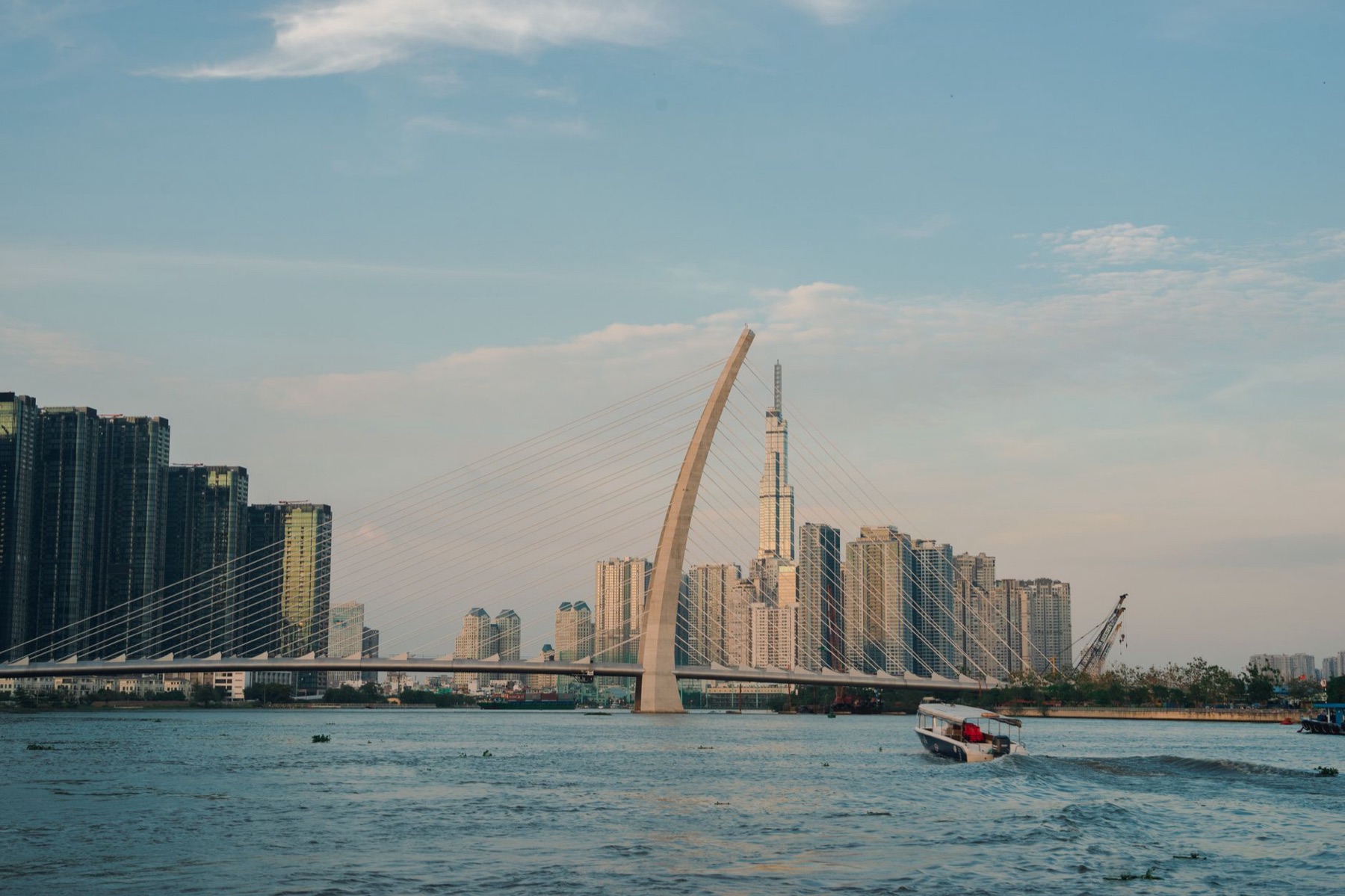
Your location shapes your entire visit. District 1 (downtown) has Nguyen Hue Walking Street, museums, and the Opera House—walkable, expensive, noisy. Binh Thanh (east of downtown) hosts the Bitexco Financial Tower area; quieter, modern, business-friendly, moderate prices. District 7 (west, across the Saigon River) feels like a separate, mellow city—best for families, expats, expat-leaning restaurants, 15–20 minute taxi ride to District 1. District 4 (central-south) is up-and-coming: hip cafes, younger crowd, cheaper than District 1. Tan Binh (north) is residential; mostly for locals or those with specific reasons. Phu Nhuan (northwest) is far but very cheap and genuinely Vietnamese—good if you want to stay outside the tourist bubble.
Pick District 1 if: you want walkability, nightlife, museums, and don't mind paying 20–40% more. Pick Binh Thanh if: you value modern amenities, easy business access, and mid-range pricing. Pick District 7 if: you're with family, want space, quieter evenings, or plan multiple nights. Pick residential districts if: you're budget-conscious and want local flavour over convenience.
🗺️ Plan your route: Vietnam itinerary
How much should you budget per night?
Prices vary wildly, but here's what we see on the ground.
| Category | Neighbourhood | Rough nightly cost | Who it's for | What to expect |
|---|---|---|---|---|
| Budget dorm/hostel | District 1 or 4 | Around $8–15 | Backpackers, solo travellers | Shared rooms, social vibe, thin walls |
| Budget private room | District 4 or Phu Nhuan | Around $15–30 | Budget couples, independent travellers | Basic fan room, squat toilet possible, local area |
| Mid-range 3-star | District 1 or Binh Thanh | Around $30–70 | Families, couples, short trips | A/C, en-suite bathroom, some English-speaking staff |
| Upper mid-range 4-star | Binh Thanh or District 7 | Around $70–150 | Business travel, comfort seekers | Good gym, restaurant, reliable WiFi, English common |
| Luxury well-made | District 1 or Binh Thanh | Around $150–300+ | Special occasions, luxury travel | Rooftop pools, concierge, breakfast included |
Reality check: a $35 mid-range hotel in District 4 often beats a $50 budget hotel in District 1 for actual comfort. Location premium is real; factor it into your maths.
What actually goes wrong, and how to avoid it?
After countless stays and visitor feedback, here are the real headaches:
Noise. Hotels on or near Nguyen Hue or main traffic arteries in District 1 suffer constant honking and motorbike roar, especially 6–8 a.m. and 5–7 p.m. Ask for a room facing the courtyard or inner side, or book a quieter neighbourhood. Top-floor rooms help a little.
Water pressure & quality. Some budget and mid-range places have low water pressure or occasional brown water during rainy season (May–September). Carry a water filter bottle and ask staff about water quality when you arrive—don't assume it's safe to drink tap water.
WiFi that dies. Many mid-range hotels claim "free WiFi" but it slows to unusable speeds after 8 p.m. when the whole building logs in. Check reviews mentioning WiFi, and if you need reliable internet for work, book a business hotel or find a co-working space.
Mold in AC units. Humid season (June–August) triggers mold smell in air-conditioned rooms. Request housekeeping clean the unit, or crack a window for air circulation. Budget hotels rarely maintain AC filters.
Taxi overcharges from the entrance. Grab (the ride-app) is safer than hailing taxis at the hotel. Alternatively, walk to the street and flag a green taxi (Vinasun or Mai Linh) rather than accepting the hotel concierge's offer.
Booking scams. Always book directly through the hotel's official website or trusted platforms (Booking, Agoda, or local Vietnamese sites like Traveloka). Phishing emails offering "special rates" are common—don't click links in unsolicited emails.
🎟️ Compare tours & tickets for this place
What should you check before you book?
Use this checklist to avoid buyer's remorse:
- Room size. Photos online often use wide-angle lenses. Ask for the square-metre (sqm) size; under 20 sqm feels cramped for two people. Mid-range rooms should be 25–35 sqm.
- Bathroom layout. If the toilet is in a separate wet-room or uses a squat toilet, you need to know upfront. Request photos of the actual bathroom.
- Check-in/check-out policy. Standard is 2 p.m. check-in, 12 p.m. checkout. Late checkout (3–5 p.m.) might be free or cost around 200,000–500,000 VND (roughly $8–20 USD equivalent). Ask before booking if you need flexibility.
- Breakfast included. A basic Vietnamese breakfast (phở, bánh mì, coffee) is included at many mid-range hotels but not budget ones. Confirm this in writing.
- Noise-level rooms. If you're sensitive, request a high floor, courtyard-facing, or away from the street. Mention this in the booking notes.
- Cancellation terms. Vietnam hotels often offer flexible cancellation (free up to 24–48 hours before arrival), but luxury places may charge more. Read the fine print.
- Nearby eating. Budget hotels in residential areas may have limited food options after 9 p.m. Check Google Maps for restaurants within a 5–10 minute walk.
- Staff English. Call or email a few nights before arrival to test communication. Many local staff speak limited English; a translation app helps.
How to move around Ho Chi Minh City once you're here?
Your hotel location directly impacts your daily transport costs and time.
Grab app (ride-hailing, similar to Uber) is your safest bet. A typical ride across districts costs around 50,000–150,000 VND (roughly $2–6 USD equivalent) depending on distance and traffic. Book in the app; no haggling, no fare surprise.
Local taxis (Vinasun, Mai Linh) are cheaper (~10% less) but require Vietnamese language skills to avoid overcharges. Use Grab instead unless you're comfortable negotiating.
Bus is very cheap (around 5,000–7,000 VND per ride, roughly $0.20 USD) but confusing for short-term visitors. Buses are crowded and routes are hard to follow without Vietnamese knowledge.
Walking works in District 1, some of District 4, and District 7's Thao Dien area. Most of Ho Chi Minh City is sprawling and hot; you'll want transport for anything beyond 1 km.
Motorbike rental (around 50,000–100,000 VND per day, roughly $2–4 USD) is an option if you're experienced with Southeast Asian traffic. Not recommended for first-time visitors.
Tip: if you're staying in District 7 or Binh Thanh and want to explore District 1 daily, factor 30–45 minutes each way into your schedule. Your hotel choice affects your entire rhythm.
📸 Book an ao dai photoshoot in Hanoi or Saigon (Cáo Studio)
Day trips from Ho Chi Minh City: does location matter?
Most hotels are within 2–3 hours of major attractions, but some neighbourhoods save you time.
Cu Chi Tunnels (1.5–2 hours northwest): any hotel works; tours pick up from District 1 or offer hotel pickup for a small surcharge.
Mekong Delta (1.5–2 hours south): tours depart from District 1 or Ben Thanh Market. Staying in District 1 or 4 saves 30 minutes.
Vung Tau (2–2.5 hours southeast): beach day trip; same pickup logic.
Can Tho or My Tho (overnight or 3-day trips): these are Mekong towns worth staying in. We recommend exploring the Mekong Delta's other towns rather than as day trips, if you have time.
Real advice: book your day tour first, then choose a hotel. Tours are more frequent from central locations (District 1), so staying there saves hassle even at a higher nightly rate.
---
A practical decision framework: which hotel for your trip?
If you're here 1–3 nights: Prioritise convenience over price. District 1, mid-range 3–4-star hotel, around $40–80/night. You'll recover the cost in saved travel time and can focus on the walking street, museums, and eating.
If you're here 4–6 nights: Mix comfort and value. Split your stay: 2–3 nights in District 1 (busy, central), then 2–3 nights in District 7 or Binh Thanh (quieter, cheaper, more local). This breaks up the journey and lets you experience different vibes.
If you're here 7+ nights: Consider renting an apartment in District 7 or Binh Thanh (nightly rates drop for weekly bookings). You'll save money, have a kitchen, and live like a local. Hotels feel repetitive after a week; a serviced apartment with a washing machine is a lifesaver.
If you're on a tight budget: District 4 hostels and guesthouses (around $10–25/night) offer better value than District 1's budget options. Walk or Grab to District 1 for sightseeing; you'll spend less daily and stay sane.
If you're with family: District 7 is non-negotiable. Two-bedroom apartments or family-room hotels (around $80–150/night) give space and quietness. Schools, parks, and supermarkets (often run by expat-friendly operators) cluster here. Restaurants cater to families too.
---
🗺️ Plan your route: Vietnam itinerary
Before finalising your booking, visit the full Ho Chi Minh City hotels guide for neighbourhood deep-dives, restaurant recommendations, and cultural tips.
Extending your trip? Check out our guides to Hanoi, Hoi An, Ha Long Bay, and Sapa to plan multi-city itineraries.
Arriving soon? Grab a Vietnam eSIM and sort your e-visa before you land.

FAQ
Is it worth paying extra for a hotel in District 1 vs. District 4?
If you're here 3+ nights and want to walk easily to museums, restaurants, and the walking street, yes. District 1 costs 30–50% more but saves you 1–2 hours daily on transport. For budget travellers or those with car/Grab access, District 4 offers better value.
Do I need to book accommodation before I arrive, or can I book on arrival?
Book 2–4 weeks ahead for mid-range and luxury hotels during peak season (Nov–Feb). Budget hostels are flexible; you can often book 1–2 weeks ahead or even on arrival. Last-minute bookings cost 10–20% more due to scarcity pricing.
What's the difference between a "fan room" and an "air-conditioned room"?
Fan rooms use only a ceiling fan, cooling by air circulation alone—fine in Nov–Jan, miserable in June–Aug. AC rooms have split units and stay cool year-round. Budget hotels charge around 100,000 VND (roughly $4 USD) more per night for AC; it's worth paying.
Are hotel safes actually secure, or should I leave valuables elsewhere?
In-room safes are adequate for passports and cash. For high-value electronics or jewellery, ask the front desk for a safety deposit box in their main safe. Never leave valuables on desks or beds during housekeeping.
Can I negotiate hotel rates directly if I book in person?
Yes, especially for 3+ nights or out of peak season (May–Sept). Expect 5–15% discounts for cash payment and longer stays. Book online first to see the "rack rate," then call and ask if they can match or beat it for a direct walk-in.
FAQ
Is it worth paying extra for a hotel in District 1 vs. District 4?
If you're here 3+ nights and want to walk easily to museums, restaurants, and the walking street, yes. District 1 costs 30–50% more but saves you 1–2 hours daily on transport. For budget travellers or those with car/Grab access, District 4 offers better value.
Do I need to book accommodation before I arrive, or can I book on arrival?
Book 2–4 weeks ahead for mid-range and luxury hotels during peak season (Nov–Feb). Budget hostels are flexible; you can often book 1–2 weeks ahead or even on arrival. Last-minute bookings cost 10–20% more due to scarcity pricing.
What's the difference between a "fan room" and an "air-conditioned room"?
Fan rooms use only a ceiling fan, cooling by air circulation alone—fine in Nov–Jan, miserable in June–Aug. AC rooms have split units and stay cool year-round. Budget hotels charge around 100,000 VND (roughly $4 USD) more per night for AC; it's worth paying.
Are hotel safes actually secure, or should I leave valuables elsewhere?
In-room safes are adequate for passports and cash. For high-value electronics or jewellery, ask the front desk for a safety deposit box in their main safe. Never leave valuables on desks or beds during housekeeping.
Can I negotiate hotel rates directly if I book in person?
Yes, especially for 3+ nights or out of peak season (May–Sept). Expect 5–15% discounts for cash payment and longer stays. Book online first to see the "rack rate," then call and ask if they can match or beat it for a direct walk-in.
More: Ho Chi Minh City guide · Where to stay in Ho Chi Minh City