Ho Chi Minh City · Where to stay
Best Place to Stay in Ho Chi Minh City: Neighborhoods Ranked #
By Wander in Vietnam editorial team · Hanoi, Vietnam
Ho Chi Minh City sprawls across 21 districts, but tourists cluster in five. Each has wildly different costs, noise levels, and access to temples, markets, and restaurants. We've walked every major neighborhood, booked budget and mid-range rooms, eaten at the local spots, and watched where scams actually happen. Here's how to pick without overpaying or wasting time in the wrong zone.
Which neighborhood is best for first-time visitors?
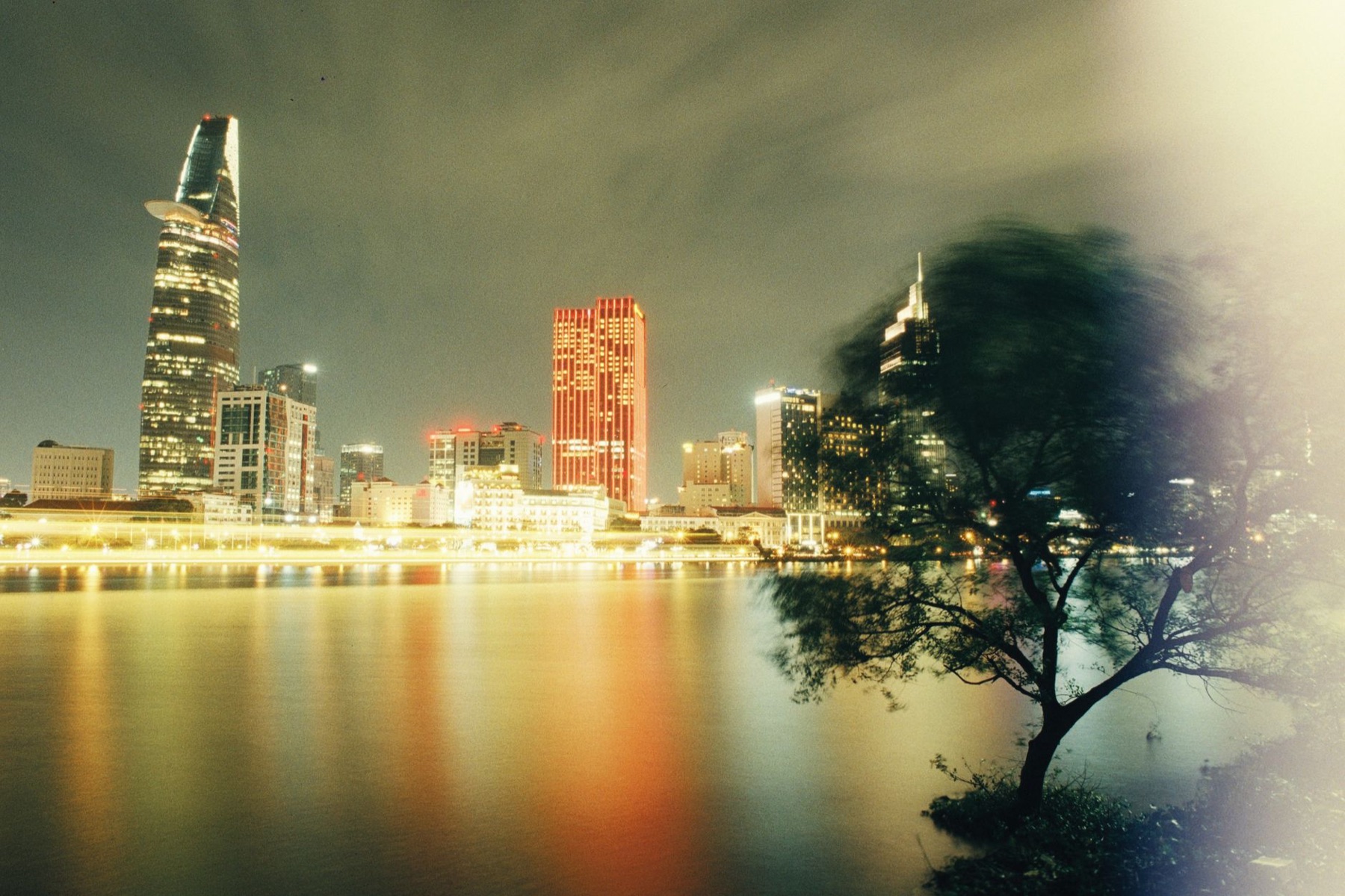
District 1 (central) is the honest default. You're 5–10 minutes walk from Ben Thanh Market, Saigon Opera House, and hundreds of restaurants. Backpackers, families, and business travelers all land here. Noise is moderate—motorbike traffic from 6am, but quiets after 10pm in most streets. Budget mid-range runs around $30–50/night; comfort hotels $60–150+. The catch: tourist prices are 30–50% higher than elsewhere, and touts cluster near the market.
Skip the "hidden gem" claims you'll read online. Streets like Nguyen Hue (the walking street) are overcrowded and overpriced at lunch; go at 7am or after 8pm. Pham Ngu Lao Street (backpacker zone) works if you want to party until 2am, but you won't sleep much.
Pro move: Book a side street in District 1—Ton Duc Thang, Mac Thi Buoi, or Dong Khoi. You get the location, lose 20% of the crowds and costs.
What's the real difference between Districts 1 and 3?
District 3 is 2km northwest of District 1, a 15–20 minute motorbike ride or taxis around 40,000–60,000 VND ($1.60–2.40). Here's the honest breakdown:
| Factor | District 1 | District 3 |
|---|---|---|
| Backpacker dorms | $15–25/night | $8–15/night |
| Mid-range doubles | $40–80/night | $30–60/night |
| Noise level | Moderate (traffic, markets) | High (bars, clubs 11pm–2am) |
| Walking distance to landmarks | Ben Thanh Market, museums | Less convenient; needs taxi/bike |
| Food safety | Standard caution | Same—street food is everywhere |
| Nightlife | Scattered bars, restaurants | Concentrated, younger crowd |
| Visa/admin errands | Easier (central) | Slightly harder (further out) |
Choose District 3 if: You're under 30, planning to stay 4+ nights, want nightlife at your doorstep, and don't need to run errands. Hanoi backpackers come here on weekends. Choose District 1 if you're visiting temples, taking early flights, or traveling with family.
Is Thao Dien worth the higher price?
Thao Dien (District 2, east of the Saigon River) costs $80–200+/night for comparable comfort to District 1's $60–100. You get quieter streets, modern cafes, expat communities, and lower motorbike noise. It's 20–30 minutes by Grab to Ben Thanh Market or the War Remnants Museum.
Honest take: Thao Dien works if you're staying 7+ days and want a "home base" to relax, or if you're meeting colleagues in that area. For a 3-night trip, the added cost and travel time don't justify it. The "luxury" label attracts inflated menu prices (breakfast $12 instead of $4–6 elsewhere).
Taxi from Thao Dien to District 1 costs around 80,000–120,000 VND ($3.20–4.80) depending on traffic.
🗺️ Plan your route: Vietnam itinerary
What hidden costs should I budget before booking?
Add these to your nightly rate:
- Departure tax or airport fee: Not always included; confirm with your hotel. Tan Son Nhat Airport doesn't charge an exit fee, but some budget hotels add a cleaning/facility charge ($2–3).
- Water and electricity overages: Mid-range hotels sometimes charge per unit if you use aircon heavily or shower multiple times daily. Ask the rate upfront (usually 5,000–10,000 VND extra if high usage).
- Breakfast markup: "Free breakfast" often means instant noodles or weak coffee. Real breakfast (eggs, toast, fruit) costs $3–4 if you buy outside. Hotels sometimes "include" a voucher worth less than the street price.
- Internet/WiFi slowness: Don't count on fast WiFi for video calls. Budget hotels offer 1–2 Mbps. If you need reliable internet, grab a local eSIM (around $5–10 for 30 days, 5–20 GB).
- Noise complaints: No refund if the street is loud. Book on a high floor or confirm the room faces a quiet side before paying.
- Taxi overcharges: Always use Grab (meter-based, no surprises) or ask the hotel to call a metered taxi. Unmarked cabs charge 30–50% more.
🎟️ Compare tours & tickets for this place
How do I avoid tourist traps and scams when booking?
Real scams we've seen:
- Bait-and-switch on room type: You book a "deluxe room," arrive to find a windowless closet. Demand to see photos of your specific room category before checkout or switch hotels on the spot (keep booking confirmation photos).
- "Walking distance to Ben Thanh Market" literally means 2–3km away—walkable in heat, but not pleasant. Confirm the actual distance in Google Maps.
- Locked safe deposits after checkout: Some budget hotels hold luggage in a locked safe; demand a receipt and pickup time. Don't leave valuables; they may claim no record of them.
- False "government tax" at checkout: Saigon taxes are included in the quoted rate. If the front desk adds a "city tax" on the bill, ask to see it in your original booking confirmation. It's likely a scam.
- Booking site vs. direct: OTA sites (Booking.com, Agoda) sometimes show cheaper nightly rates but charge hidden resort fees at check-in. Call the hotel directly to ask about total out-of-pocket cost.
What to check before you buy:
- Confirm address in Google Maps (type "district + street name + HCMC" to verify it's where you think).
- Read 5+ recent reviews mentioning noise level, WiFi speed, and checkout time—not just star ratings.
- Email the hotel directly asking: "What time is checkout?" "Is breakfast included or paid?" "Are there additional fees?" You want written proof.
- Check the cancellation policy: free cancellation up to 7 days before arrival is standard; 3-day policies are risky if your plans shift.
- Look for a photo of the room you're actually booking, not just the room type. Many budget hotels rotate old images.
Read our full ho-chi-minh-city travel guide for restaurant, market, and transport tips.
How do I factor in day-trips and access to transport?
If you're doing day-trips—Cu Chi Tunnels (1–2 hours northwest), Mekong Delta (2–3 hours south), or Ninh Binh (2 hours north)—book in District 1 or 3. Tour companies pick up from central hotels at 7–8am, saving you a 30-minute pre-dawn taxi ride.
Budget $40–100 per person per day-trip, usually including transport, guide, and one meal. Book via your hotel's front desk or Klook; don't accept offers from street touts (they take 30% commission and may oversell tours).
Motorbike taxi (Grab Bike) costs around 15,000–40,000 VND ($0.60–1.60) per trip in the city center. Use the Grab app (requires local SIM or eSIM for Vietnam) for safety and transparency.
Overnight trips to Ha Long Bay or Hoi An depart from central pickup points; staying in District 1 avoids an extra hour of organizing pickups.
📸 Book an ao dai photoshoot in Hanoi or Saigon (Cáo Studio)
---
Comparison: Gift Ideas for a HCMC-Bound Traveler
Since you're researching stays, perhaps you're traveling with others or want to gift something memorable. Consider these options from our collections:
| Gift | Who It's For | Why It Works |
|---|---|---|
| Personalized map art of HCMC landmarks | Someone staying 3+ days | They'll recall Ben Thanh, Saigon River, neighborhoods explored |
| Printed itinerary planner (fold-out card) | First-time visitor | Fits in a back pocket; no phone dependency during WiFi outages |
| Vietnamese phrase guide (laminated) | Any traveler | Orders food, hails taxis, tips correctly; builds rapport with locals |
Each is designed for reality: lightweight, water-resistant, and genuinely used.
---
Last word: HCMC's best neighborhood is the one that matches your schedule, budget, and energy. Spend 30 minutes researching your specific dates (monsoon season = May–September, more rain; higher humidity). Confirm the hotel's exact address and one unique identifier (nearby temple, market name, street crossing) so you can navigate by foot if needed. Grab and local taxis are reliable; unmarked motorbikes are not.
Happy landing. Enjoy the pho, the museums, and the river sunsets.
#
FAQ
Do I need to book accommodation weeks in advance?
Mid-range hotels in District 1 (around $40–80/night) fill up during Tet holidays (late January–early February) and December. Otherwise, booking 1–2 weeks ahead is safe. Budget dorms can book day-of, but you lose choice of room location and may pay 10–20% more.
What's the safest neighborhood for solo female travelers?
District 1 and Thao Dien have good lighting and more tourists; standard street-awareness applies (don't flash cash, avoid unmarked taxis late night). District 3's bars are safer than sketchy side-alley spots. No neighborhood is unsafe relative to other Southeast Asian capitals, but late-night solo motorbike rides are risky—use Grab instead.
Is aircon essential, or can I survive with fans?
HCMC averages 28–32°C (82–90°F) year-round; aircon is non-negotiable for sleep quality. Budget hotels' aircon units are loud (40–50 decibels); bring earplugs or pay more for newer units. Test it before accepting the room.
How much can I save by booking direct with hotels instead of Agoda?
Direct bookings often cost 5–15% less, but compare total out-of-pocket (OTAs sometimes absorb resort fees; hotels add them at checkin). Email the hotel asking for the final total due at arrival—no surprises.
Should I stay multiple nights in one place or move around?
Move every 2–3 nights if you have 5+ days; it lets you sample neighborhoods and pack lighter. For 3 days or fewer, pick one central area (District 1) and day-trip outward. Packing/unpacking takes 1–2 hours per move—that's time away from exploring.
FAQ
Do I need to book accommodation weeks in advance?
Mid-range hotels in District 1 (around $40–80/night) fill up during Tet holidays (late January–early February) and December. Otherwise, booking 1–2 weeks ahead is safe. Budget dorms can book day-of, but you lose choice of room location and may pay 10–20% more.
What's the safest neighborhood for solo female travelers?
District 1 and Thao Dien have good lighting and more tourists; standard street-awareness applies (don't flash cash, avoid unmarked taxis late night). District 3's bars are safer than sketchy side-alley spots. No neighborhood is unsafe relative to other Southeast Asian capitals, but late-night solo motorbike rides are risky—use Grab instead.
Is aircon essential, or can I survive with fans?
HCMC averages 28–32°C (82–90°F) year-round; aircon is non-negotiable for sleep quality. Budget hotels' aircon units are loud (40–50 decibels); bring earplugs or pay more for newer units. Test it before accepting the room.
How much can I save by booking direct with hotels instead of Agoda?
Direct bookings often cost 5–15% less, but compare total out-of-pocket (OTAs sometimes absorb resort fees; hotels add them at checkin). Email the hotel asking for the final total due at arrival—no surprises.
Should I stay multiple nights in one place or move around?
Move every 2–3 nights if you have 5+ days; it lets you sample neighborhoods and pack lighter. For 3 days or fewer, pick one central area (District 1) and day-trip outward. Packing/unpacking takes 1–2 hours per move—that's time away from exploring.
More: Ho Chi Minh City guide · Where to stay in Ho Chi Minh City