Hanoi · Where to stay
Best Places to Eat in Hanoi: Local Neighborhoods & What to Book
By Wander in Vietnam editorial team · Hanoi, Vietnam
Hanoi's best eating splits across Old Quarter (street food, cheap), Tay Ho (lakeside, mid-range), and Ba Dinh (local family joints). Expect $2–8 per meal street-side, $6–15 in casual restaurants, $20–40 upscale. Book ahead at fine-dining spots. Wander in Vietnam recommends going midweek to avoid tourist crowds and peak-hour waits.
🗺️ Plan your route: Vietnam itinerary
Which neighborhood has the cheapest eats?
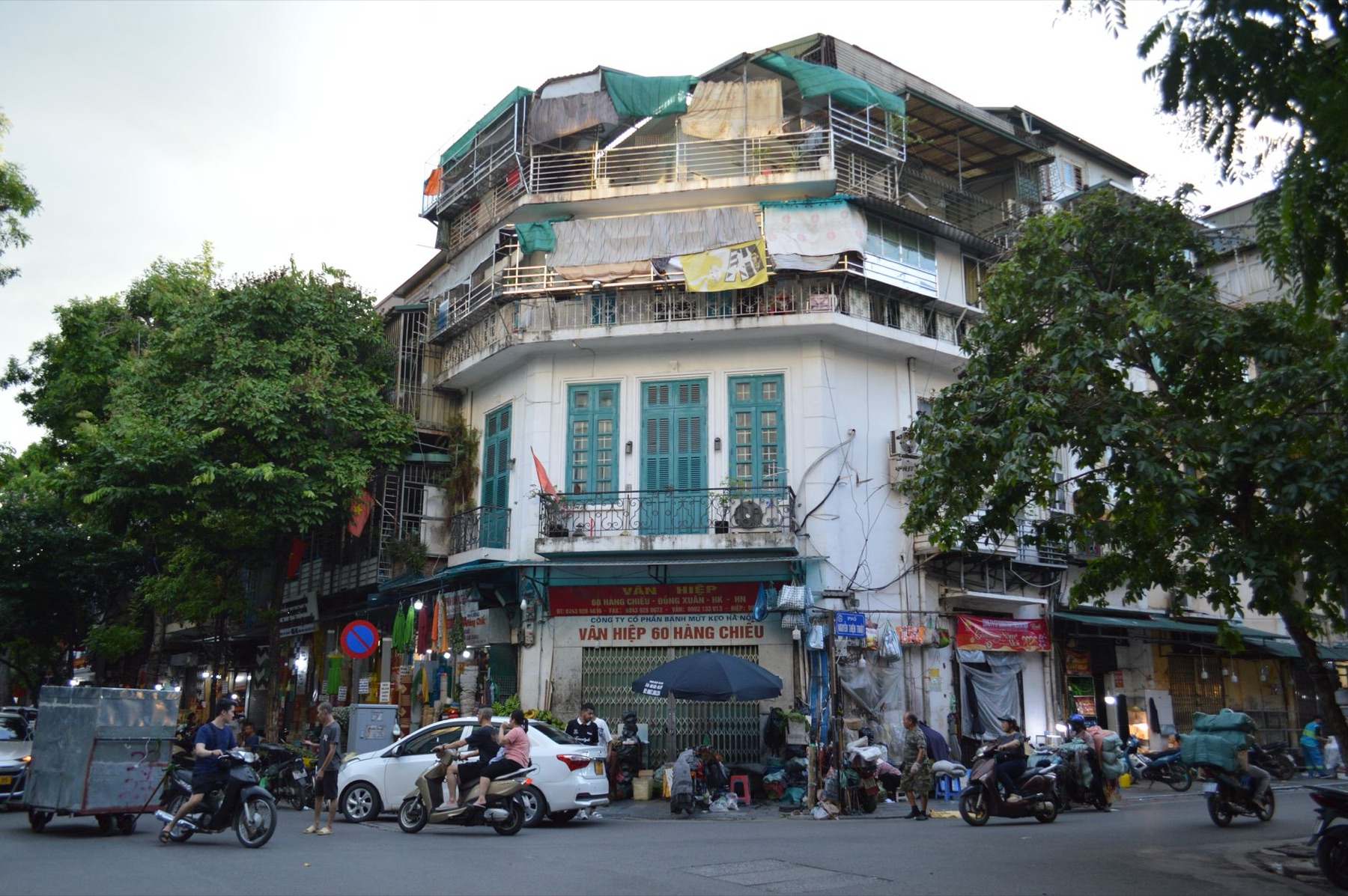
Old Quarter (Hoan Kiem district) is the street-food epicenter. Narrow alleys like Hang Gai, Hang Dao, and Thai Phu teem with cart vendors cooking pho, bun cha, egg coffee by 6 a.m. Most bowls cost around 40,000–60,000 VND ($1.60–2.40). Peak hours are 7–9 a.m. and 11 a.m.–1 p.m. Arrive off-peak or stand in line; no reservations. Watch bags closely—tourist-density pickpocketing is real here.
Pro tip: Cash-only vendors here don't give change easily. Bring exact notes.
Where should I eat if I want sit-down comfort and mid-range pricing?
Tay Ho (West Lake area) offers open-air restaurants with views, waiter service, and English menus. Expect 100,000–200,000 VND ($4–8) for pho, com tam (broken-rice plates), or banh mi at casual family-run spots. Restaurants like these typically open 11 a.m.–10 p.m. Reserve via phone (staff speak limited English; show your hotel staff how to call). Many close Monday–Tuesday. This is where local professionals eat lunch.
Ba Dinh district, near the Mausoleum, has quieter family restaurants frequented by retirees and workers—less tourist markup, authentic portions, same price range.
What should I order to avoid tourist-trap dishes?
Skip "special combo" photo-bait noodles at Old Quarter tourist cafes—they're overpriced ($8–12) and thin-tasting. Instead, order what locals order: bun cha (grilled pork with herbs, noodles; $2–3), pho bo (beef broth, rice noodle; $2–4), com tam (broken-rice plate with meat; $2–3), banh mi thit (pâté sandwich; $1–2), ca phe trung (egg coffee; 50,000 VND / $2).
Avoid restaurants with color photo menus, tour-guide stickers, or pricing in USD on the storefront—all mark-up signals. Eat where locals stand in line; that's your guarantee.
How do I know which restaurant is actually good?
Use this decision framework before sitting down:
| Signal | Good Sign | Red Flag | Action |
|---|---|---|---|
| Crowd | Locals 7–9 a.m., noon–1 p.m.; mixed ages | Tour groups clumped outside | Walk past |
| Menu | Vietnamese only; handwritten specials | Laminated color photos; English heavy | Skip |
| Price visibility | Prices on menu board or listed | Menu price blank; "ask staff" | Negotiate upfront or leave |
| Seating | Simple plastic stools; modest decor | Trendy Instagram-style | Usually overpriced for quality |
| Staff | Repeat customers greeted by name | Staff hovering aggressively | Tourist trap |
📸 Book an ao dai photoshoot in Hanoi or Saigon (Cáo Studio)
What's the real cost breakdown, and when should I splurge?
Street level (5–8 a.m., 11 a.m.–1 p.m., 5–7 p.m.): 40,000–80,000 VND per meal ($1.60–3.20). No reservations; cash only; 15-minute turnover.
Casual neighborhood sit-down (all day): 100,000–250,000 VND ($4–10). Phone bookings recommended. Beer (small bottle) ~50,000 VND ($2).
Mid-range (tourist-aware but not trap): 200,000–400,000 VND ($8–16). Tay Ho, Hoan Kiem quieter corners, Ba Dinh. English menus; cards accepted.
Upscale dining: 600,000 VND–2 million VND ($24–80). Reservations essential 2–3 days ahead. Fixed menus or tasting concepts. Dress code loose but neat.
Splurge-worthy occasions: Birthday dinners, special events—book upscale restaurants in Tay Ho or Ba Dinh. Standard fine-dining experience, not Michelin hype. Expect 90-minute seatings.
---
What should I check before ordering?
- Confirm price in VND, not "about" – ask staff to point to menu line-item or written board price.
- Ask prep time – pho takes 5 min, grilled dishes 15–20 min. If they say "30 min" at breakfast rush, leave.
- Check portion reality – point at neighbor's plate or ask "normal size?" (size day). Some vendors upsize for tourists.
- Verify one-time charges – tea, condiment trays, soft drinks are sometimes added to bill automatically. Clarify.
- Watch the till – if paying cash, watch change counted. Underpayment scams are rare but happen at tourist-dense stalls.
- Timing beats ambience – lunch 11:30 a.m.–1 p.m. and dinner 6–7:30 p.m. are peak, good-ingredient times. Off-peak (3–5 p.m.) has slower turnover; broth may be reheated.
🎟️ Compare tours & tickets for this place
---
Beyond Street Food: District Breakdown
Hoan Kiem (Old Quarter): Early mornings, fast, chaotic, cheap. Best for pho, bun cha. Afternoon is slower; broth quality dips.
Tay Ho (West Lake): Evening walks into sit-down meals. Quieter than Old Quarter; better for groups, dates, or if you want air-con.
Ba Dinh: Local secret. Family restaurants open late morning, close early evening. Fewer tourists, honest pricing, authentic portions.
Dong Da: Universities nearby = student-priced banh mi, com tam, pho shops. Very cheap, packed noon–1 p.m., empty after 2 p.m.
Long Bien: East-side markets, rare for tourists. Fresh-ingredient seafood, specialty soups. Go with a local or your hotel staff; English rare.
---
Real Scams & How to Sidestep
- "Handy tips" at street stalls: Tips aren't cultural here. No tip jar = no tip. Staff will not react if you leave coins.
- Inflated tourist-menu prices: Old Quarter tourist cafes charge $15 for pho that costs $2 in Ba Dinh. Compare menus with locals before sitting.
- Hidden charges (tea, napkins, condiments): Clarify upfront. "Bao gom gi?" (Does this include what?). If staff get defensive, leave.
- Cold-chain fish: Seafood street-side in heat loses integrity after 2 p.m. Buy fish/shrimp dishes 11 a.m.–1 p.m. only.
- "Authentic experience" markup: Instagram-famous alley spots charge 2–3× normal. Quality hasn't improved; you're paying for foot traffic.
---
Timing & Booking Strategy
Breakfast (6–9 a.m.): Best pho, egg coffee, banh mi. No reservation needed; arrive early (6:30 a.m. peak quality). Most close by 9:30 a.m.
Lunch (11 a.m.–1 p.m.): Peak hour; long lines at locals' spots. Book 30 min ahead via phone if you want sit-down; street stalls first-come basis.
Afternoon (3–5 p.m.): Many kitchens close; broth is slow-cooked from morning, not ideal. Skip this unless grabbing coffee.
Dinner (6–9 p.m.): Second-best quality; crowds lighter than lunch. Many sit-down restaurants open lunch-only or dinner-only; check first.
Weekly pattern: Monday–Friday lunches = office workers; weekends = families and tourists. Monday–Tuesday = some restaurants closed.
---
Dishes to Order & Avoid
Order (< $5):
- Pho bo (beef noodle soup) – $2–3
- Bun cha (grilled pork, noodles, dipping broth) – $2–3
- Com tam (broken-rice plate with egg, pork) – $2–3
- Banh mi thit nuong (grilled pork sandwich) – $1–1.50
- Ca phe trung (egg coffee) – 50,000 VND
- Ban canh (thick tapioca noodle soup) – $2–3
Skip (overpriced/gimmicky):
- "Egg coffee latte" at Instagram cafes (upcharge for foam; basic egg coffee tastes the same) – $4–6
- "Premium pho" with gold leaf ($10–15; gold is flavorless)
- "Tourism board recommended" restaurant stickers (that's marketing, not endorsement)
- Fusion banh mi (Thai chili, ginger mayo)—misses the point; $8–10
---
Related Guides & Planning
If you're staying overnight in Hanoi, pair meals with neighborhood walks. West Lake restaurants work best after 4 p.m. walks. Old Quarter street food is best as a 2–3 hour breakfast adventure.
Planning a longer Vietnam itinerary? Hanoi's food culture is unique—different from Ho Chi Minh City's faster pace or Hoi An's tourist refinement. Budget $25–35 per day food if you mix street and casual sit-down.
Heading to Ha Long Bay, Ninh Binh, or Sapa? These areas have far fewer restaurant options and lower quality; eat well in Hanoi before you go. Hoi An has better dining variety than Sapa; Ho Chi Minh City has similar street-food logic but busier.
📸 Book an ao dai photoshoot in Hanoi or Saigon (Cáo Studio)
Celebrate your meal with a cultural memory. Our ao dai photoshoots in Hanoi include professional hair & makeup, authentic garment fit, and curated local backdrops—perfect after a full day of eating your way through neighborhoods.
---
FAQ
Is it safe to eat at street stalls, or will I get food poisoning?
Hanoi's busiest street stalls have high turnover—ingredients move fast, reducing spoilage risk. Risk is highest at slow, hot afternoon stalls. Eat pho, grilled meats, noodle dishes 11 a.m.–1 p.m. and 6–8 p.m. Skip raw herb-heavy dishes if your stomach is sensitive. Most travelers eat street food without issue.
Do I need to book restaurants in advance, or can I just walk in?
Street stalls and family-run casual spots (100–200k VND range) operate first-come, first-served; no reservation. Upscale restaurants (600k+ VND) require booking 2–3 days ahead via phone; ask your hotel staff to call. Mid-range sit-down (200–400k VND) benefits from a day-ahead phone call but isn't mandatory.
What's the cheapest meal I can get, and where?
A bowl of pho or bun cha in Old Quarter runs 40,000–60,000 VND ($1.60–2.40), usually around 7–8 a.m. A banh mi is 25,000–40,000 VND ($1–1.60). This is breakfast-rush pricing; after 9 a.m., many stalls close or reduce portions. Midday, casual sit-down is 100,000+ VND.
How much should I tip, and is tipping expected?
Tipping is not customary at street stalls or casual family restaurants in Hanoi. At upscale restaurants, 5–10% is appreciated but not required. Rounding up by a few thousand VND at casual sit-downs is polite but rare. Never feel obligated.
Can I find English menus, or should I bring a translation app?
Old Quarter tourist restaurants have English menus. Neighborhood spots (Ba Dinh, Dong Da) rarely do. Google Translate's camera function works well for photo-reading Vietnamese menus. Pointing at a neighbor's plate is fastest. Learning 3–4 dish names (pho, bun cha, banh mi) gets you 80% of meals.
What dishes are Hanoi-specific, and won't I find them elsewhere in Vietnam?
Bun cha (grilled pork with noodles and dipping broth) is iconic to Hanoi and rare in the south. Egg coffee (ca phe trung) originated in Hanoi but has spread. Pho is everywhere, but Hanoi's broth style is lighter than Ho Chi Minh City's. Try bun cha as your "must-eat."
FAQ
Is it safe to eat at street stalls, or will I get food poisoning?
Hanoi's busiest street stalls have high turnover—ingredients move fast, reducing spoilage risk. Risk is highest at slow, hot afternoon stalls. Eat pho, grilled meats, noodle dishes 11 a.m.–1 p.m. and 6–8 p.m. Skip raw herb-heavy dishes if your stomach is sensitive. Most travelers eat street food without issue.
Do I need to book restaurants in advance, or can I just walk in?
Street stalls and family-run casual spots (100–200k VND range) operate first-come, first-served; no reservation. Upscale restaurants (600k+ VND) require booking 2–3 days ahead via phone; ask your hotel staff to call. Mid-range sit-down (200–400k VND) benefits from a day-ahead phone call but isn't mandatory.
What's the cheapest meal I can get, and where?
A bowl of pho or bun cha in Old Quarter runs 40,000–60,000 VND ($1.60–2.40), usually around 7–8 a.m. A banh mi is 25,000–40,000 VND ($1–1.60). This is breakfast-rush pricing; after 9 a.m., many stalls close or reduce portions. Midday, casual sit-down is 100,000+ VND.
How much should I tip, and is tipping expected?
Tipping is not customary at street stalls or casual family restaurants in Hanoi. At upscale restaurants, 5–10% is appreciated but not required. Rounding up by a few thousand VND at casual sit-downs is polite but rare. Never feel obligated.
Can I find English menus, or should I bring a translation app?
Old Quarter tourist restaurants have English menus. Neighborhood spots (Ba Dinh, Dong Da) rarely do. Google Translate's camera function works well for photo-reading Vietnamese menus. Pointing at a neighbor's plate is fastest. Learning 3–4 dish names (pho, bun cha, banh mi) gets you 80% of meals.
What dishes are Hanoi-specific, and won't I find them elsewhere in Vietnam?
Bun cha (grilled pork with noodles and dipping broth) is iconic to Hanoi and rare in the south. Egg coffee (ca phe trung) originated in Hanoi but has spread. Pho is everywhere, but Hanoi's broth style is lighter than Ho Chi Minh City's. Try bun cha as your "must-eat."