Ho Chi Minh City · Things to do
Best Places to Visit in Ho Chi Minh City: A Local's Guide
By Wander in Vietnam editorial team · Hanoi, Vietnam
Ho Chi Minh City demands ruthless prioritization. Most visitors waste 3–4 hours in queues or navigating tourist zones that feel manufactured. Instead, we've mapped the genuine hotspots—places where the city's DNA actually shows—and the avoidable traps.
The core insight: your visit splits into two halves. Morning energy is sacred; use it for museums, pagodas, and neighborhoods before noon heat peaks. Afternoons belong to river walks, coffee pauses, and low-intensity browsing. This rhythm saves money (fewer overpriced lunch stops), energy, and frustration.
Which district holds the real HCMC story—and why should you skip some tourist zones?
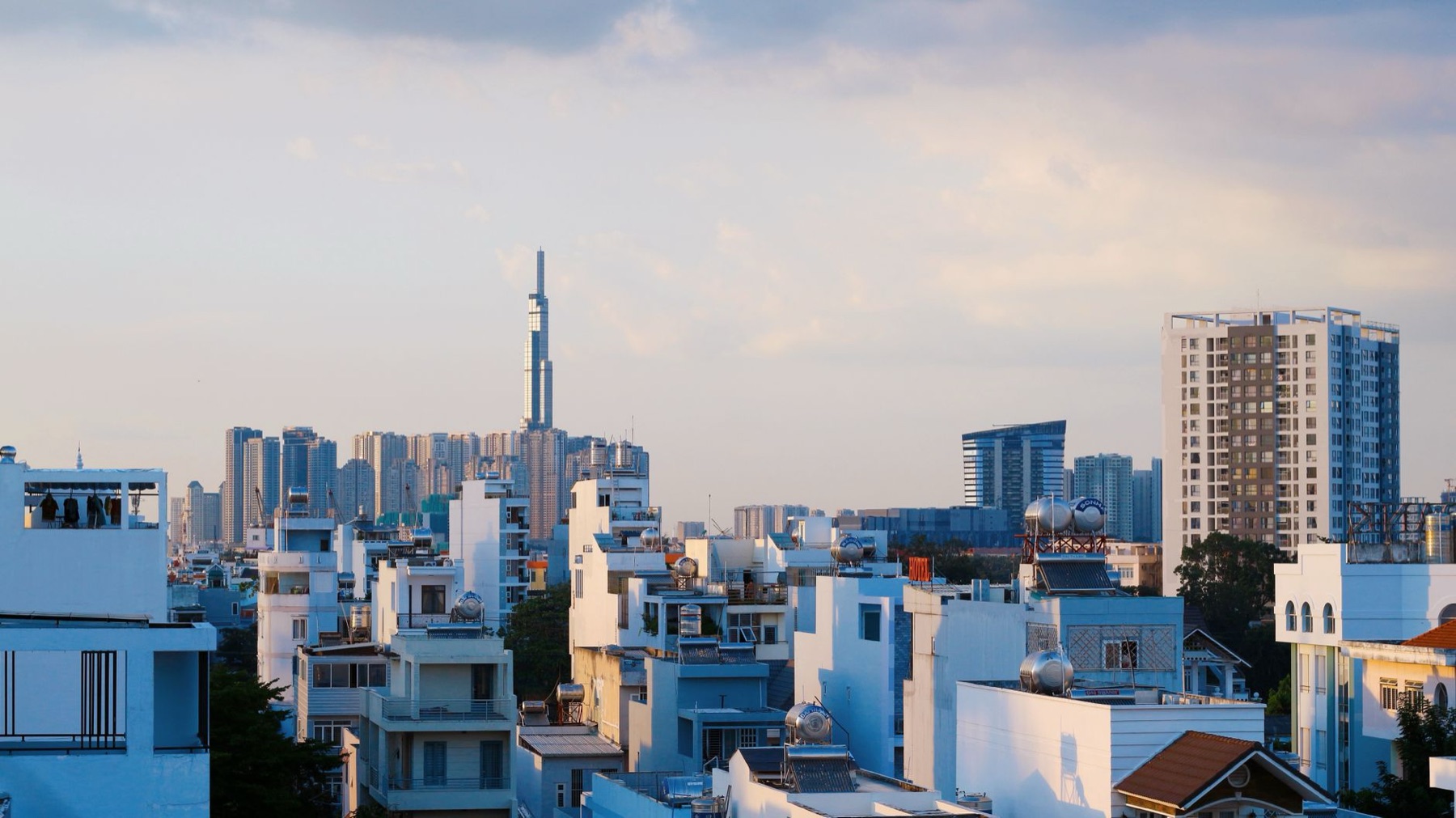
District 1 (Quận 1) is the spine. The War Remnants Museum, Independence Palace, and Ben Nghe riverside stretch across a walkable 2 km²—but time your visit: arrive at 8 a.m. to avoid 11 a.m.–2 p.m. tour-group crushes. Ben Thanh Market (central, humid, mediocre goods) is vastly overhyped; locals buy here for fabric and cheap clothes, not souvenirs. Skip the tourist souvenirs and instead explore Dong Khoi Street's boutique galleries and cafés.
District 3 delivers neighborhood authenticity: pagodas, hidden noodle shops, no four-bus parking lots. Arrive unplanned, walk Nguyen Hue walking street areas (yes, District 1 has a smaller version), sit in street-side coffee for 30 minutes. That's where HCMC breathes.
Districts 4 and 7 (riverside luxury and expat zones) are worthwhile if you stay overnight there; day-trippers waste transport time.
🗺️ Plan your route: Vietnam itinerary
How much does a full day of HCMC sightseeing actually cost?
Budget varies wildly by choice, not by neighborhood. Here's the honest breakdown:
- War Remnants Museum entry: around $3–4 USD (70,000–95,000 VND)
- Independence Palace: around $3 USD (65,000 VND)
- Bitexco Financial Tower (69th-floor observation deck): around $6–8 USD (140,000–190,000 VND)
- Street-side coffee (Trung Nguyen Vietnamese coffee): around $1–1.50 USD (23,000–35,000 VND)
- Lunch pho or bánh mì (authentic local): around $1.50–2.50 USD (35,000–60,000 VND)
- Cyclo ride (30 min, negotiated): around $3–4 USD (70,000–95,000 VND)
A frugal but full day (two museums, lunch, coffee, transport): around $18–25 USD. Tourist-trap meals and Bitexco add $15–20 more. Skip overpriced hotel breakfasts; eat where workers eat.
Avoid: restaurant chains on Dong Khoi Street (2–3× markup). Avoid: hired cyclo operators quoting $15+ USD; walk to nearby corners and negotiate 50,000 VND instead.
What does a realistic visitor itinerary look like hour-by-hour?
7:00–8:30 a.m. Walk to a local coffee shop (Trung Nguyen franchises are fine, but family-run spots in alleys offer better flavor; just watch for occupied tables before sitting). Order cà phê đen (black coffee) or cà phê sữa (with condensed milk). No Wi-Fi needed; observe people.
8:30–11:30 a.m. Hit War Remnants Museum while crowds are light. Budget 1.5–2 hours; read placards carefully—the exhibit is heavy.
11:30 a.m.–1:00 p.m. Walk south to Ben Nghe riverside or Independence Palace gardens. Eat lunch at a corner pho stall (not tourist restaurants). Sit 45 minutes; this is your mental reset.
1:00–3:00 p.m. Optional: Bitexco Financial Tower or a pagoda in District 3 (Giác Lâm, Tây Sơn ward, is stunning and free; most tourists never find it). Or stay in a café; 2–3 p.m. is rest time in HCMC—streets thin out, locals nap.
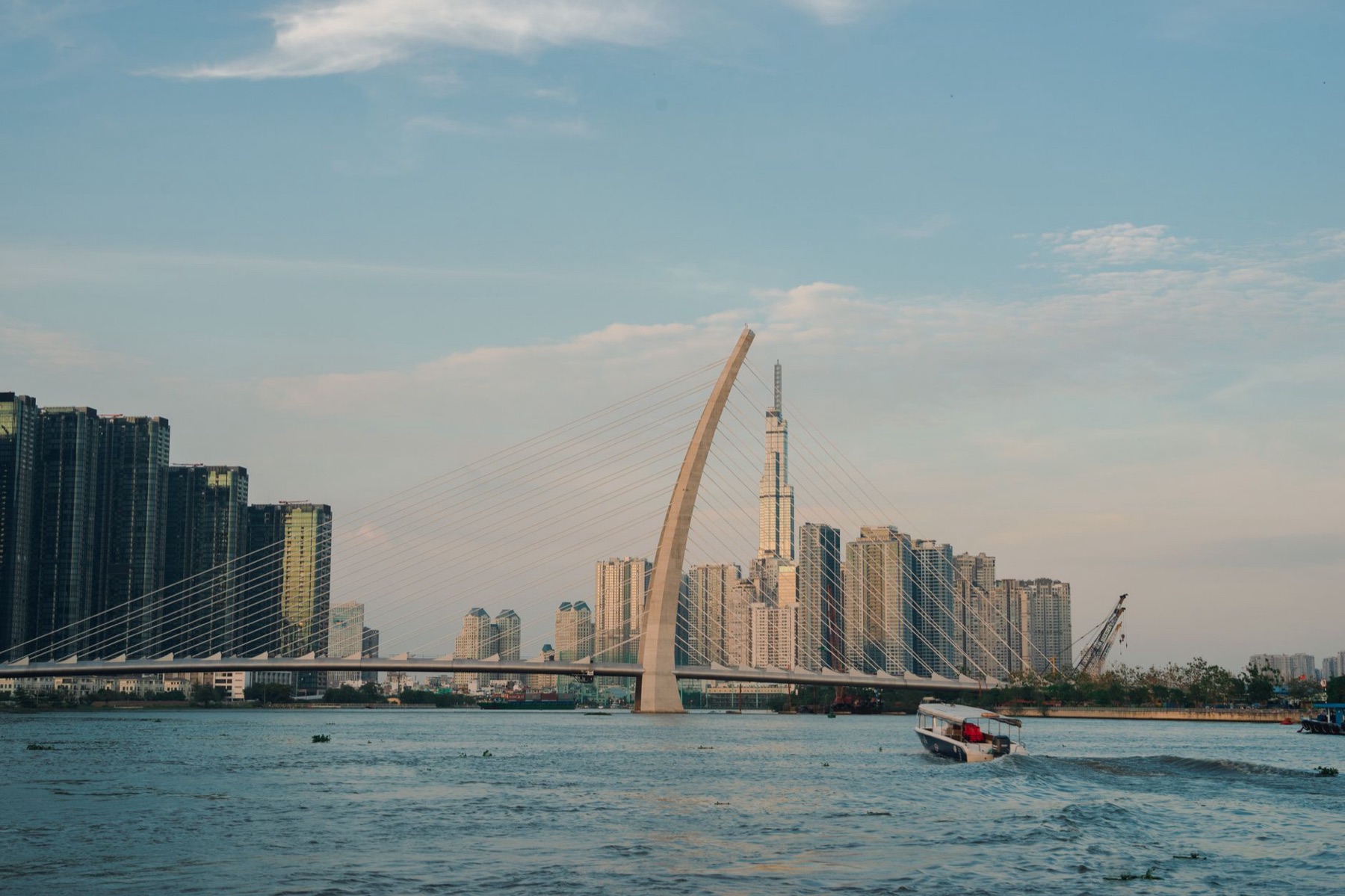
3:00–5:30 p.m. Explore a neighborhood: either Nguyen Hue (pedestrian street, street food, galleries), or Bui Vien (backpacker zone—touristy but lively, good for beer and people-watching). Or stroll the Saigon River promenade at dusk.
5:30–7:00 p.m. Early dinner or street snacks (bánh tráng nướng—grilled rice paper, around $0.50 USD). Watch the river from a low stool. This is the best hour.
| Activity | Best time | Crowd level | Duration | Cost (USD) |
|---|---|---|---|---|
| War Remnants Museum | 8–9 a.m. | Low | 1.5–2 hrs | ~$4 |
| Independence Palace | 8–10 a.m. | Low–medium | 1 hr | ~$3 |
| Bitexco 69th floor | 4–6 p.m. (sunset) | Medium | 1 hr | ~$7 |
| River promenade walk | 5–7 p.m. | Low–medium | 1.5 hrs | Free |
| Giác Lâm Pagoda | 3–5 p.m. | Very low | 1 hr | Free |
| Street food crawl | 5–7 p.m. | Medium | 2 hrs | ~$3–5 |
📸 Book an ao dai photoshoot in Hanoi or Saigon (Cáo Studio)
Why are certain neighborhoods worth returning to—and others just tourist theater?
District 1, core zone (Dong Khoi, Nguyen Hue, riverside):
- Pros: walkable, historic, cafés and galleries, evening energy.
- Cons: inflated prices (20–30% markup), crowded noon–2 p.m., vendors push hard.
- Who it's for: first-time visitors, photography seekers, history buffs.
District 3 (Tran Hung Dao, Ba Trieu):
- Pros: authentic pagodas, cheap food, minimal tourists, neighborly vibe.
- Cons: fewer English speakers, no major "sight," requires wandering.
- Who it's for: repeat visitors, culture hunters, those avoiding crowds.
District 4 (Cai Khe, Binh Khanh):
- Pros: riverside living, local seafood, sunset views.
- Cons: less walking infrastructure, requires taxi or Grab.
- Who it's for: overnight stays, leisure travelers, dinner seekers.
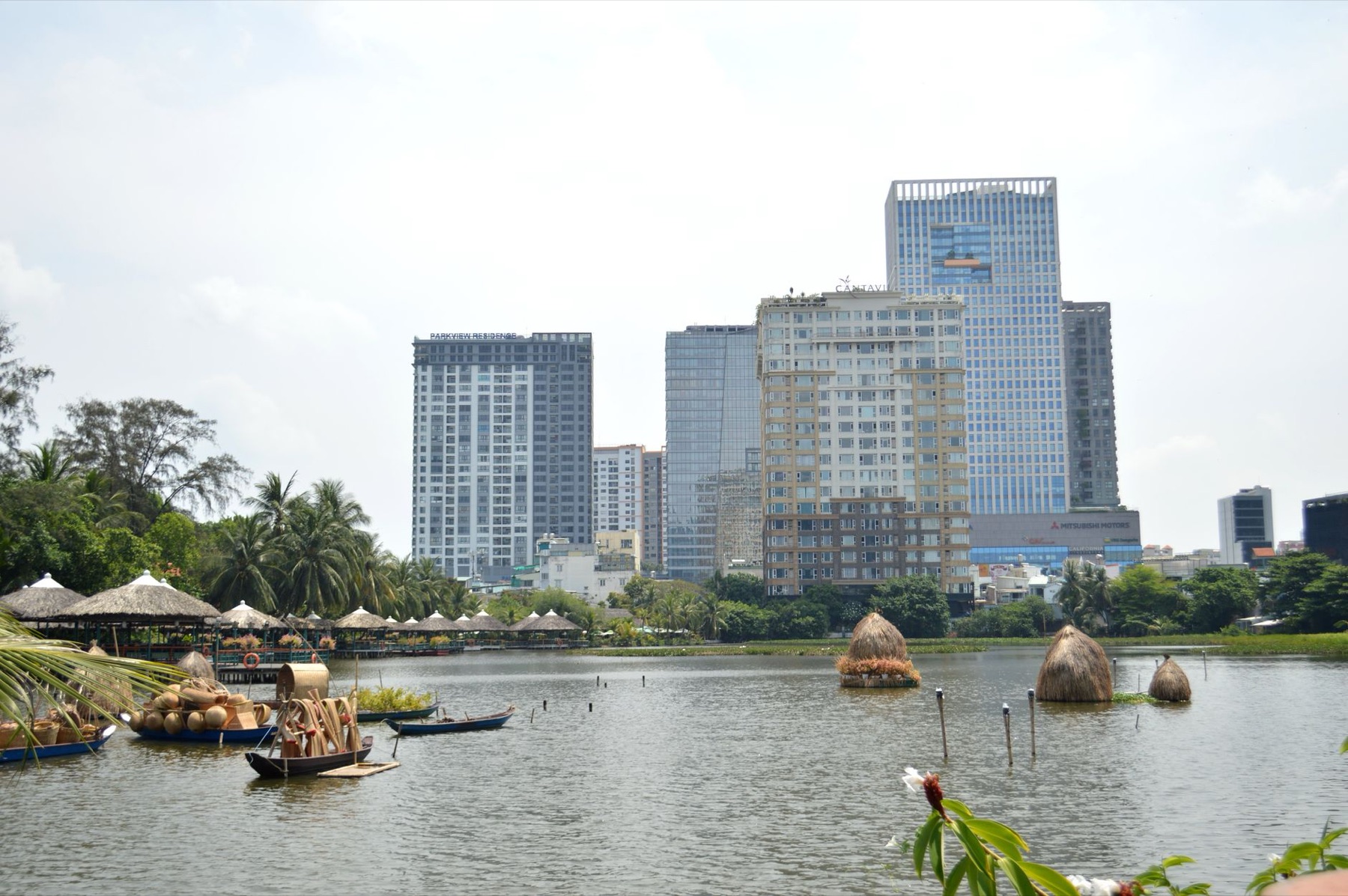
District 7 (Phu My Hung, An Phu):
- Pros: modern, clean, expat cafés, malls.
- Cons: not "HCMC"—feels like Bangkok or Singapore; expensive.
- Who it's for: business travelers, families seeking familiarity.
Bui Vien Street (District 1):
- Pros: backpacker hub, cheap beer, street food, late-night energy.
- Cons: extremely touristy, scams (drink tampering, overcharges), loud.
- Who it's for: solo backpackers, young travelers seeking nightlife.
Honest take: if you stay more than 2 days, escape District 1 and explore District 3 on foot. You'll spend less, eat better, and meet people, not Instagram filters.
What should you check before booking a guide, tour, or activity?
Before you buy (a checklist):
- [ ] Does the tour start before 8 a.m.? (avoids crowds)
- [ ] Is hotel pickup included, or do you meet on-site? (on-site = cheaper, saves time)
- [ ] How many people per group? (more than 8 = assembly-line experience)
- [ ] Is lunch included? (if so, check reviews—hotel buffets are mediocre)
- [ ] Can you opt out of activities? (markets, pagodas, museums—you may want to skip)
- [ ] Is the guide Vietnamese-born or expat? (locals know shortcuts and neighborhood stories)
- [ ] What's the refund policy? (good operators allow 48-hour cancellation)
- [ ] Are gratuities factored into your budget? (expected around 50,000–100,000 VND per guide)
Avoid:
- Tours meeting at your hotel (always 5–10% markup).
- Combo "city tour" packages bundling 5+ sights (exhausting, surfaces scratched).
- Guides offering "special silk factory" or "tailor visits" (commission-driven, low-quality goods, high pressure).
Book direct with museums or use established platforms (Viator, GetYourGuide with filter by local operators) rather than lobby touts.
🎟️ Compare tours & tickets for this place
How do you avoid the most common HCMC visitor mistakes?
Mistake 1: Ignoring weather and timing HCMC is swampy. Rain peaks May–October; even "dry" season (Nov–April) is 30°C+. Dress for heat, not style. Avoid outdoor activities 11 a.m.–3 p.m. (locals retreat indoors). A light rain jacket is enough; umbrellas clog sidewalks.
Mistake 2: Overstaying districts You don't need 3 days in District 1. Two days max; use day 3 for the Mekong Delta or a day-trip north (nearby Tra Vinh province, rural charm). Or extend downtime—sit at a café, work, observe. FOMO is expensive.
Mistake 3: Trusting inflated menu prices If a menu lists prices in USD, walk out (tourist markup guaranteed). Real menus are in VND. A proper meal should be around 80,000–200,000 VND per person (not $10–12 USD).
Mistake 4: Hiring cyclo "drivers" who approach you Negotiate upfront. Write the destination in Vietnamese or show on Google Maps. Expected rate: 50,000–70,000 VND for 30 minutes, not $10 USD. Better: Grab bike or walk.
Mistake 5: Underestimating Saigon River and markets beyond Ben Thanh Binh Tay Market (District 6, less touristy) and the riverside promenade near Bitexco are free and authentic. Ben Thanh's "souvenir" section is mass-produced junk marked up 5×. Aim for fabric or local goods if you must visit.
Mistake 6: Booking pre-paid museum tickets online Walk in, buy at the counter. No markup. Arriving at 8 a.m. means you skip queues entirely.
Where does HCMC fit into a larger Vietnam trip?
Most visitors either fly HCMC-only (48–72 hours) or thread it into a north-to-south itinerary. If you're planning beyond the city, explore Vietnam's full route-planning guide. Day-trips (Mekong Delta, Saigon suburbs) require half your day; consider staying longer in one region instead of rushing.
For comparison, Hanoi offers colonial architecture and congestion in equal measure; Hoi An delivers charm with fewer crowds; and Ninh Binh provides rural drama without tourist infrastructure. HCMC is the economic engine—necessary but not soulful. Stay 2 days, experience it fully, then move on.
If you're hiring a photographer during your trip, Cáo Studio offers ao dai and street shoots in Saigon, capturing the city's energy while styled.
---
What to check before you book anything
- Timing: Does the attraction/tour/meal time match your energy and crowd-avoidance plan?
- Transport: How do you get there? (walking = free; Grab = around 30,000–50,000 VND per ride; cyclo = negotiable)
- Food: Are you eating where locals eat or where tourists congregate? (price difference is 300–400%)
- Refunds/flexibility: Can you cancel or skip elements without penalty?
- Gratuities: Is tipping customary? (yes, around 5–10% for guides and drivers)
- Language: Do staff speak English? (not always in District 3/4 neighborhoods; bring translation app)
- Solo safety: HCMC is safe, but stay aware late-night on Bui Vien and around backpacker zones.
---
FAQ
Is it worth spending two full days in Ho Chi Minh City, or should I day-trip from elsewhere?
Spend two days if you're new to Vietnam—museums and neighborhoods genuinely reveal the country's recent history. If you're returning or short on time, overnight and explore the Mekong Delta instead. One day is rushed; three days feels repetitive unless you're resting.
What's the best way to get around HCMC—taxi, Grab, cyclo, or walking?
Walk in District 1 (2 km² is manageable). Use Grab bike or motorbike taxi for cross-district trips (cheaper, faster than car taxis). Cyclos are fun but negotiate hard; avoid official "cyclo tours" (tripled prices). Downtown is gridlocked 7–9 a.m. and 4–6 p.m.—time activities around rush.
How do I avoid tourist traps and overpriced food in HCMC?
Eat where you see construction workers or locals sitting. If a menu lists USD prices or uses words like "authentic" and "chef's special," leave. Markets and street stalls serve proper meals for under $2 USD. Avoid hotel restaurants and Dong Khoi fine-dining unless it's your last night.
Is District 1 worth staying overnight, or should I base myself elsewhere?
Stay in District 1 if it's your first HCMC visit (convenience); shift to District 3 if you're returning (cheaper, quieter, more authentic). District 7 is modern but sterile. Bui Vien (backpacker) is loud and party-focused. Saigon River hotels are overpriced for views; cheaper rooms inland are equal quality.
What's genuinely worth paying for—tours, attractions, or activities—versus what can you do free?
Pay for War Remnants Museum ($4) and Independence Palace ($3); they're genuinely educational. Skip Bitexco unless you love paying $7 for height (river walks are free). Free highlights: pagodas (Giác Lâm, Giac Vien), riverside walks, street food. Skip "floating market" day-trips (5–6 hours for mediocre boats); explore Binh Tay Market instead (free, 1 hour).
Do I need a guide, or can I navigate HCMC solo?
Solo is fine with Google Maps and translation apps. Guides help with history context and hidden alleys; book local freelancers through reviews, not hotel concierge. A half-day guide (4 hours) costs around $30–50 USD including gratuity.
FAQ
Is it worth spending two full days in Ho Chi Minh City, or should I day-trip from elsewhere?
Spend two days if you're new to Vietnam—museums and neighborhoods genuinely reveal the country's recent history. If you're returning or short on time, overnight and explore the Mekong Delta instead. One day is rushed; three days feels repetitive unless you're resting.
What's the best way to get around HCMC—taxi, Grab, cyclo, or walking?
Walk in District 1 (2 km² is manageable). Use Grab bike or motorbike taxi for cross-district trips (cheaper, faster than car taxis). Cyclos are fun but negotiate hard; avoid official "cyclo tours" (tripled prices). Downtown is gridlocked 7–9 a.m. and 4–6 p.m.—time activities around rush.
How do I avoid tourist traps and overpriced food in HCMC?
Eat where you see construction workers or locals sitting. If a menu lists USD prices or uses words like "authentic" and "chef's special," leave. Markets and street stalls serve proper meals for under $2 USD. Avoid hotel restaurants and Dong Khoi fine-dining unless it's your last night.
Is District 1 worth staying overnight, or should I base myself elsewhere?
Stay in District 1 if it's your first HCMC visit (convenience); shift to District 3 if you're returning (cheaper, quieter, more authentic). District 7 is modern but sterile. Bui Vien (backpacker) is loud and party-focused. Saigon River hotels are overpriced for views; cheaper rooms inland are equal quality.
What's genuinely worth paying for—tours, attractions, or activities—versus what can you do free?
Pay for War Remnants Museum ($4) and Independence Palace ($3); they're genuinely educational. Skip Bitexco unless you love paying $7 for height (river walks are free). Free highlights: pagodas (Giác Lâm, Giac Vien), riverside walks, street food. Skip "floating market" day-trips (5–6 hours for mediocre boats); explore Binh Tay Market instead (free, 1 hour).
Do I need a guide, or can I navigate HCMC solo?
Solo is fine with Google Maps and translation apps. Guides help with history context and hidden alleys; book local freelancers through reviews, not hotel concierge. A half-day guide (4 hours) costs around $30–50 USD including gratuity.
More: Ho Chi Minh City travel guide · Things to do in Ho Chi Minh City