Hanoi · Where to stay
Best Restaurants in Hanoi Old Quarter: Local Eats & What to Order
By Wander in Vietnam editorial team · Hanoi, Vietnam
What actually tastes good in Old Quarter, and why?
The Old Quarter isn't one dining zone—it's a grid of streets, each historically tied to a trade. Hang Manh still sells pho and com tam (broken-rice); Ta Hien exploded with grilled-meat stalls after 2010; Nguyen Huu Huan hosts banh cuon makers who've worked the same carts for decades. Skip the postcard-famous "best pho" claims. Instead, eat at places with lines of Vietnamese at 7 a.m., not 7 p.m. Your signal: locals, not cameras.
🗺️ Plan your route: Vietnam itinerary
How much will you actually spend per meal?
A bowl of pho at a hole-in-the-wall: around 40,000–60,000 VND ($1.60–$2.40). A plate of grilled meat (thit nuong) with rice and greens: around 70,000–120,000 VND ($2.80–$4.80). A banh cuon (steamed roll) meal with broth: around 35,000–50,000 VND ($1.40–$2). Sit-down restaurants with English menus and air-con: around 150,000–300,000 VND ($6–$12). Tourist trap marked "traditional": double or triple these prices. Pro move: if the menu has photos and prices in USD, walk out.
| Dish Type | Typical Price (VND) | Equivalent (USD) | Best Neighbourhood | Time to Eat |
|---|---|---|---|---|
| Pho (beef or chicken) | 40,000–70,000 | $1.60–$2.80 | Hang Manh | 6–9 a.m. or 11 a.m.–1 p.m. |
| Com tam (broken rice) | 50,000–80,000 | $2–$3.20 | Hang Manh, Nguyen Sieu | 11 a.m.–2 p.m. |
| Banh cuon (steamed rolls) | 35,000–60,000 | $1.40–$2.40 | Nguyen Huu Huan | 6–8 a.m. |
| Grilled meat (thit nuong) | 80,000–150,000 | $3.20–$6 | Ta Hien, Ta Hien | 5–9 p.m. |
| Sit-down restaurant (mixed) | 150,000–300,000 | $6–$12 | Near Hoan Kiem Lake | Any time |
Which streets to eat on—and which to avoid?
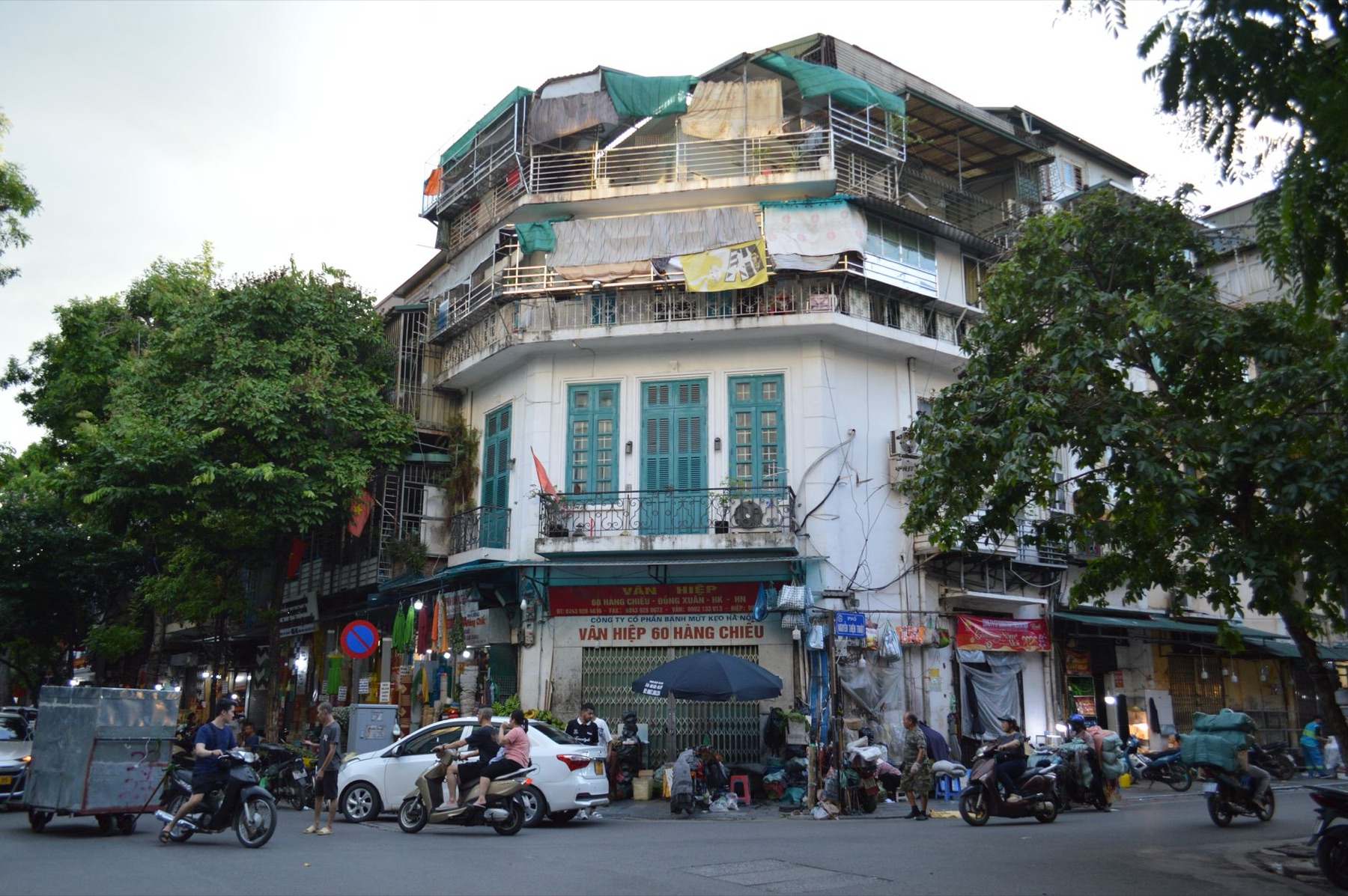
Hang Manh (off Nguyen Huu Huan): The real breakfast zone. Pho vendors open 5–6 a.m., close by 10 a.m. Com tam stalls fire up at 11 a.m. You'll see plastic stools, no signage, maybe a faded awning. This is correct. Eat here.
Ta Hien (between Hoan Kiem Lake and Hang Dao): Originally a quiet street; now packed with grilled-meat stalls (thit nuong) and tourist bars. The barbecue part (5–9 p.m.) is actually decent—order at any stall, sit on plastic chairs, pay as you go. Skip the bars and late-night spots; the meat quality drops after 9 p.m.
Nguyen Huu Huan (near Hang Dao): Banh cuon row. Five or six family-run carts, each working since the 1980s. Arrive by 7:30 a.m. or they're sold out. No English, no photos on the menu. Point and nod.
Hang Gai (near Hoan Kiem): Café row now. Tourist-friendly but pricey (around 80,000–150,000 VND / $3.20–$6 for a coffee and pastry). Skip unless you want air-con and WiFi.
Lan Ong (Medicine Street): Tourist-heavy. Overrated restaurants with laminated menus and inflated prices. Eat here only if you're desperate and the line is Vietnamese families, not backpackers.
📸 Book an ao dai photoshoot in Hanoi or Saigon (Cáo Studio)
Dishes to order (and what to check before eating)
Pho (beef noodle soup): Order pho tai (rare beef—the chef adds hot broth on top) or pho ga (chicken). Check: broth should smell fragrant, not sour. Meat should be pink or white, not gray. Noodles should be al dente. Cost: around 40,000–70,000 VND ($1.60–$2.80).
Com tam (broken-rice plate): Rice cooked with pork fat or chicken fat, served with grilled meat, a fried egg, and a pickled-vegetable side. Check: rice grains should be separated, not mushy. Meat should have char marks, not be boiled. Cost: around 50,000–80,000 VND ($2–$3.20).
Banh cuon (steamed rolls): Rice-paper rolls filled with ground pork and mushroom, served with dipping sauce (nuoc cham) and sometimes a small bowl of broth. Check: rolls should be translucent and warm, not rubbery or cold. Filling should be visible inside. Cost: around 35,000–60,000 VND ($1.40–$2.40).
Thit nuong (grilled meat): Pork, chicken, or beef marinated in lemongrass and garlic, grilled over charcoal. Order with rice, greens, and a nuoc cham dip. Check: meat should have char on the outside, juicy inside. Smell should be smoky, not burnt. Cost: around 80,000–150,000 VND ($3.20–$6).
Banh hoai (Hoi An-style pancake): Crispy on the outside, chewy inside, filled with bean sprouts and shrimp. Found at stalls, not restaurants. Check: should be eaten warm, folded but not broken, with a slight grease shine (means oil was hot). Cost: around 30,000–50,000 VND ($1.20–$2).
Real scams and how to avoid them
Menu-switching: Restaurant hands you a menu without prices. After eating, they quote a different total. Fix: ask the price per dish before ordering, in Vietnamese if possible ("Cai nay bao nhieu?" = "This costs how much?"). Point to the dish, not the category.
Tourist meter-running: Grilled-meat stalls on Ta Hien watch your table. If you're foreign, they charge by "piece" instead of weight. Fix: sit at a stall where you see a scale. Ask "ban cai nay bao nhieu tien?" (how much per 100g?). Watch them weigh before cooking.
The "famous" pho shop that's been recommended to death: These places exist to extract money from guidebook readers, not serve good pho. The line is 80% tourists. Fix: walk two streets over. There's always another pho stall 50 meters away, cheaper and better.
Broken ice or unfiltered water in drinks: Some tourist joints cut costs here. Fix: order hot drinks (pho, ca phe), or bottled water only.
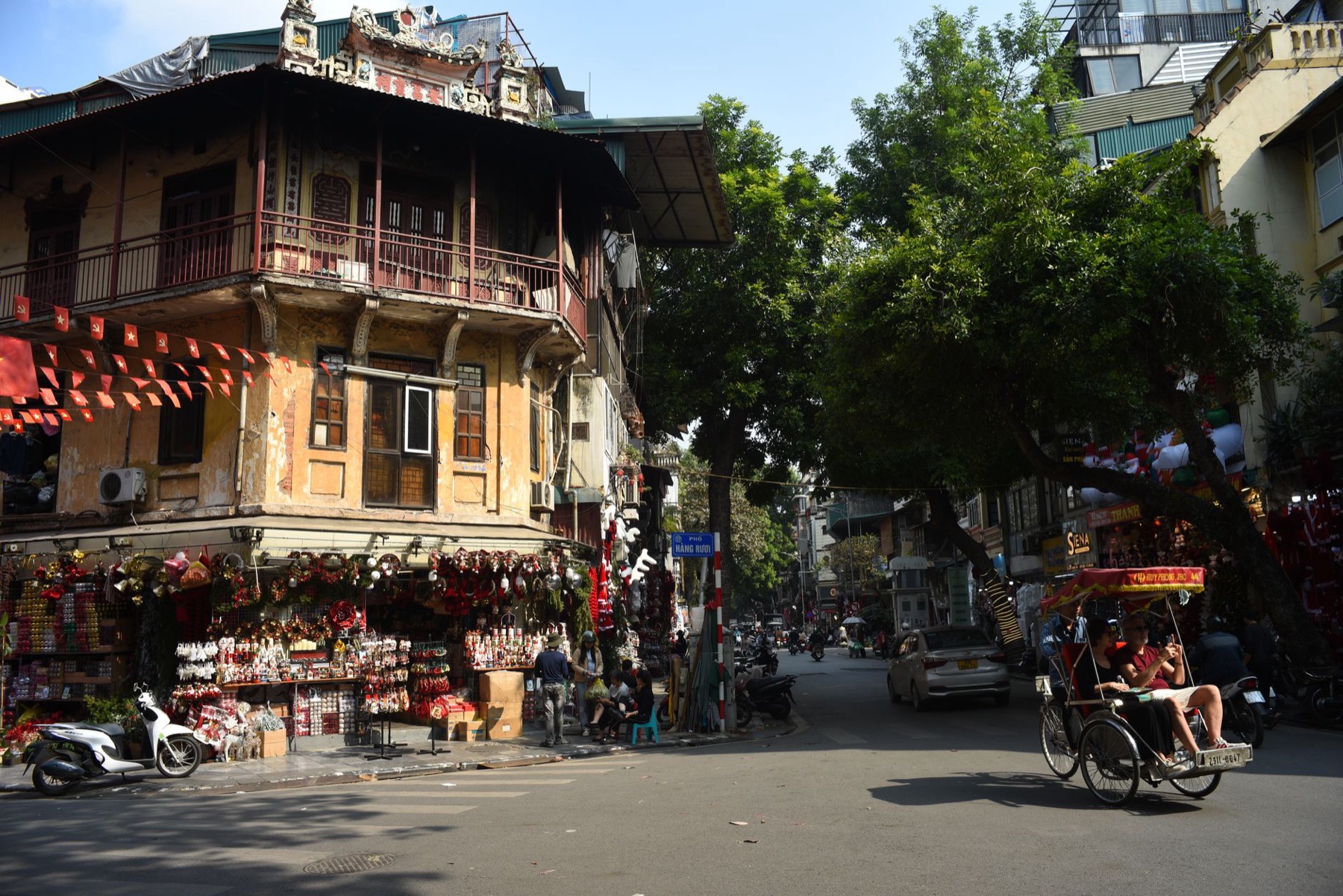
Upmarket "traditional" restaurants in colonial buildings: High prices, mediocre execution, staged nostalgia. Fix: eat at street level where speed and volume force quality. A busy banh cuon cart at 7 a.m. will feed you better than a "heritage dining experience" for 300,000 VND ($12).
🎟️ Compare tours & tickets for this place
Street-eating checklist: what to look for before you sit down
- Crowd: Mostly Vietnamese? Mostly tourists? (Vietnamese is better.)
- Time: Is it peak eating time for that dish? (Pho at 7 a.m., com tam at noon, banh cuon at 7 a.m.)
- Cleanliness: Can you see the cooking? Bowls being washed? (Transparency builds trust.)
- Smell: Does the aroma match the dish? (Pho should smell herbaceous; grilled meat should smell smoky.)
- Menu: Is there a laminated, photo-heavy English menu? (Red flag. Walk past.)
- Pricing: Do you see price tags or a chalkboard? Or will they "tell you later"? (Ask up front, in Vietnamese if you can.)
- Utensils: Are chopsticks and spoons clean and unwrapped, or pre-wrapped in plastic? (Wrapped is safer.)
🗺️ Plan your route: Vietnam itinerary
For deeper context on staying in Hanoi, see our hotels in Hanoi guide, which covers neighbourhoods, quieter options, and how proximity to Old Quarter affects your daily routine. If you're planning a longer Vietnam trip, check out our Hanoi guide for night markets, temples, and how to spend 2–3 days properly.
Need a special souvenir from your meal? Consider a personalized keepsake or travel memory collection—or capture the moment with a professional ao dai photoshoot in traditional dress, makeup included.
FAQ
Is it safe to eat at street stalls in Old Quarter?
Yes, if there's a line of Vietnamese and high turnover. Busy stalls mean fresh ingredients and fast cooking—less time for bacteria. Avoid stalls with slow traffic, sitting food, or flies. Ask locals which cart they eat at.
What's the difference between pho tai and pho well-done?
Pho tai (rare beef) is added raw to the bowl; the hot broth cooks it. Pho nuc (well-done) is pre-cooked. Tai tastes fresher; well-done is safer if you're nervous about meat. Both cost the same.
Do I need to speak Vietnamese to order?
No. Point at other people's bowls or at the dish being cooked. Say "mot" (one) and nod. If uncertain, watch a local order first, then copy their gesture and tone.
Which Old Quarter street has the best overall food variety?
Hang Manh for breakfast and lunch (pho, com tam, banh cuon). Ta Hien for dinner (grilled meat). Neither has "best" — they have different strengths. Eat breakfast on Hang Manh, dinner on Ta Hien.
How do I know if a restaurant is overpriced for tourists?
If a menu has USD prices, glossy photos, or is listed in every online "best of" guide, skip it. Real spots have Vietnamese menus (sometimes in black marker), no WiFi advertising, and prices that haven't changed in years. Walk past the obvious; eat where you see lines at 7 a.m.
Can I order multiple dishes to share at a street stall?
Yes. Most stalls expect it. Order a pho, a com tam, a banh cuon—eat at the same plastic table. Vendors bring everything as it's ready. Budget around 150,000–250,000 VND ($6–$10) for two people to sample widely.
FAQ
Is it safe to eat at street stalls in Old Quarter?
Yes, if there's a line of Vietnamese and high turnover. Busy stalls mean fresh ingredients and fast cooking—less time for bacteria. Avoid stalls with slow traffic, sitting food, or flies. Ask locals which cart they eat at.
What's the difference between pho tai and pho well-done?
Pho tai (rare beef) is added raw to the bowl; the hot broth cooks it. Pho nuc (well-done) is pre-cooked. Tai tastes fresher; well-done is safer if you're nervous about meat. Both cost the same.
Do I need to speak Vietnamese to order?
No. Point at other people's bowls or at the dish being cooked. Say "mot" (one) and nod. If uncertain, watch a local order first, then copy their gesture and tone.
Which Old Quarter street has the best overall food variety?
Hang Manh for breakfast and lunch (pho, com tam, banh cuon). Ta Hien for dinner (grilled meat). Neither has "best" — they have different strengths. Eat breakfast on Hang Manh, dinner on Ta Hien.
How do I know if a restaurant is overpriced for tourists?
If a menu has USD prices, glossy photos, or is listed in every online "best of" guide, skip it. Real spots have Vietnamese menus (sometimes in black marker), no WiFi advertising, and prices that haven't changed in years. Walk past the obvious; eat where you see lines at 7 a.m.
Can I order multiple dishes to share at a street stall?
Yes. Most stalls expect it. Order a pho, a com tam, a banh cuon—eat at the same plastic table. Vendors bring everything as it's ready. Budget around 150,000–250,000 VND ($6–$10) for two people to sample widely.
More: Hanoi guide · Where to stay in Hanoi