Ho Chi Minh City · Food
Best Street Food Ho Chi Minh City: Honest Vendor Guide & Prices #
By Wander in Vietnam editorial team · Hanoi, Vietnam
Ho Chi Minh City's street food scene thrives in early morning and evening markets—banh mi from around 30,000–50,000 VND ($1.20–$2 USD), pho from 40,000–60,000 VND ($1.60–$2.40 USD), com tam from 35,000–55,000 VND ($1.40–$2.20 USD). Wander in Vietnam recommends eating where locals queue, avoiding tourist-heavy Nguyen Hue area for markup, and ordering in Vietnamese to access better portions.
🗺️ Plan your route: Vietnam itinerary
Which Street Food Type Should You Order First?
Street food in Ho Chi Minh falls into categories: soup-based (pho, banh canh), dry noodles (banh mi, mi xao), and rice bowls (com tam). Beginners should start with banh mi—it's forgiving, quick, and shows vendor quality instantly. Pho requires broth taste-testing; com tam demands trust in freshness. Visit early (6–7 a.m.) for pho; late afternoon (4–6 p.m.) for com tam and banh mi when grilled meats peak.
Where Do Locals Eat Without Tourist Markup?
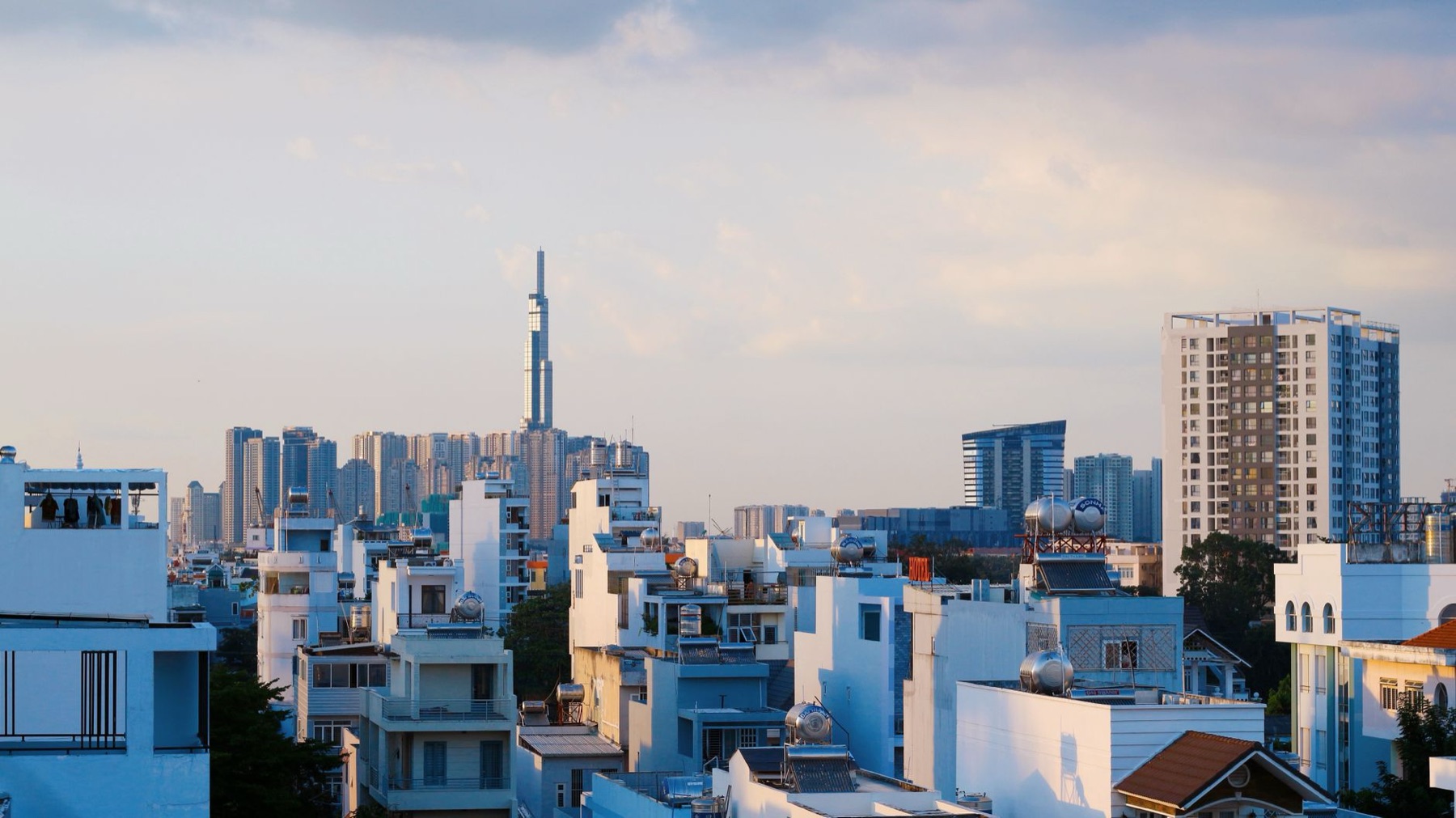
Binh Thanh district's residential alleyways hide the best value. Nguyen Hue Walking Street (District 1) charges 2–3× markup for the same banh mi a corner vendor in Binh Thanh sells. Around 19 Nguyen Trai Street (District 1 side) or residential blocks near Nguyen Van Troi Street (Binh Thanh), you'll find stalls with no English menus and plastic stools. Tan Dinh market (District 1, mornings only) operates 5–10 a.m. and serves vendors restocking their carts—quality is high, prices are low (around 25,000–40,000 VND / $1–$1.60 USD for banh mi). Ask your hotel for "quan com tam tai nho" (small rice-bowl stall) in the nearest alley.
How Do You Spot a Quality Vendor Before Ordering?
| Indicator | Good Sign | Red Flag | Why It Matters |
|---|---|---|---|
| Meat display | Fresh, rotating daily | Grey or dull color | Freshness = food safety |
| Queue timing | Busy 6–8 a.m., 11–1 p.m., 5–7 p.m. | Empty all day | Turnover = quality broth & ingredients |
| Condiments | Multiple fresh herbs in bowls | Pre-packaged plastic bottles | Taste & authenticity differ |
| Price variance | Fixed, no haggling | Quotes differ per customer | Consistent pricing = fair vendor |
| Seating | Plastic stools, no A/C | Polished decor, air-con | Street vendors stay street vendors—trust simple setups |
| English menu | None or minimal | Full menu, high prices | Tourist-focused = markup |
Use this framework: arrive 6:30 a.m., find a 15–20 person queue, order banh mi as your first test. If it's hot, herbs are crisp, and price is under 40,000 VND, you've found your vendor. Return the next day same time; consistency beats discovery.
📸 Book an ao dai photoshoot in Hanoi or Saigon (Cáo Studio)
What Goes Wrong and How to Avoid It?
Watered-down broth: Pho served too soon (under 15 minutes prep) or reheated tastes weak. Order pho between 6:30–8 a.m., when vendors make fresh broth overnight. Taste the broth before adding extras.
Banh mi with stale bread: Good banh mi uses bread baked that morning; bad banh mi uses day-old. Listen for a crisp crunch; squeeze gently—it should spring back, not compress.
Com tam at noon: Rice broken-grain dishes peak 11 a.m.–1 p.m.; after 2 p.m., rice sits and hardens. Avoid late-afternoon com tam unless the vendor restocks visibly.
Stomach upset: Avoid ice in soft drinks (use bottled water or hot tea instead). Don't order pre-made salads (goi) unless the vendor has a refrigerator. Herbs are safe; ask for "khong da" (no ice).
Tourist pricing: Vendors near hotels, Nguyen Hue Street, or Ben Thanh Market charge 50,000–80,000 VND ($2–$3.20 USD) for the same banh mi. Walk two blocks into residential areas; price drops to 35,000 VND.
Which Dish Pairs Best with Your Travel Timeline?
Morning (5–8 a.m.): Pho — broth is fresh, vendors are focused. Come hungry; a large bowl fills you for hours. Around 50,000–70,000 VND ($2–$2.80 USD) for beef; vegetarian pho is rare—ask anyway.
Midday (11 a.m.–2 p.m.): Com tam (broken-rice bowl) — vendor has just cooked rice; pork belly or chicken thighs are grilled fresh. Around 40,000–60,000 VND ($1.60–$2.40 USD). Pair with an iced sugar-cane juice from the same vendor (10,000 VND / $0.40 USD).
Afternoon snack (3–5 p.m.): Banh mi — anytime vendor. Quality doesn't degrade as much. Around 30,000–50,000 VND ($1.20–$2 USD). Add a lime drink (nuoc chanh), around 15,000 VND ($0.60 USD).
Evening (5–8 p.m.): Banh hoai (specialty rolled pancake, rare outside Hoi An but found at markets) or mi xao (fried noodles) — evening street vendors emphasize noodles over soup. Around 45,000–65,000 VND ($1.80–$2.60 USD).
🎟️ Compare tours & tickets for this place
How to Order Like a Local and Avoid Language Traps?
Point and say "mot tao" (one order). If unsure of a dish, ask "bao nhieu tien?" (how much money?). For flavor, say: "it ot" (less spicy), "khong ti" (no liver—if you dislike offal), "them dau" (more soy). Avoid English entirely; vendors reserve small portions and high prices for English speakers.
Write down "com tam ga nuong" (broken rice with grilled chicken) or "banh mi thit" (pork banh mi) on your phone to show the vendor. Locals rarely negotiate; they either accept a vendor's price or leave. You should too.
---
What to Check Before You Buy
- Arrival time: Reach the vendor 30 minutes after opening (often 5:30–6 a.m. for pho). Never order after 10 a.m. or 2 p.m.; that's reheated broth.
- Ingredient visibility: Raw herbs should sit in open bowls with water; meat on the counter should smell neutral (no funk). Walk away if it smells sour.
- Queue size: If no one is eating, the vendor is not trusted by locals. Find one with at least 5 diners.
- Payment: Bring cash (VND only). Grab Pay or MoMo rarely work at true street stalls; they're signs of tourist markup.
- Condiment setup: A good vendor has lime, chili, fish sauce, and fresh basil ready. Bad vendors make you ask.
- Taste test first: Take one bite before you pay. If rice is hard or broth is cold, say "khong" (no) and leave.
---
Real Neighborhoods Worth Your Hunger
Binh Thanh district (east of District 1): Residential blocks have the highest vendor density. Walk along Nguyen Van Troi, Hoang Sa, or Tran Hung Dao streets at 6 a.m. You'll find 3–5 vendors per block. Prices: banh mi 25,000–35,000 VND ($1–$1.40 USD), pho 40,000 VND ($1.60 USD).
District 1 side streets: Tan Dinh market (mornings only, 5–10 a.m.) sits in District 1 and serves vendors at cost. Nearby alleyways (off Ly Tu Trong, Nguyen Trai) have permanent stalls with no tourists. Avoid Ben Thanh Market vicinity; prices spike 50%.
Tan Phu district (southwest): If you take a motorbike or Grab, the western alleys of Tan Phu hold fearless, high-volume vendors. Banh mi here is 20,000–30,000 VND ($0.80–$1.20 USD) but requires Vietnamese skills.
---
How Does This Compare to Street Food in Other Vietnamese Cities?
Ho Chi Minh City's street food is faster, greasier, and pricier than northern Vietnam. In Hanoi, pho is 35,000–45,000 VND ($1.40–$1.80 USD); in Saigon, it's 50,000–70,000 VND. Southern vendors prioritize quantity (large portions, fast service) over broth refinement. If you prefer delicate, bone-deep pho, skip Saigon's street stalls and head north. Banh mi is better in Saigon; it's a southern invention, and vendors here compete fiercely on variety and freshness. Hoi An and Nha Trang have niche street foods (banh hoai, banh canh) that Saigon vendors don't master.
---
Honorable Mention: Breakfast Markets Worth a Detour
Binh Tay Market (District 6, early mornings): 50,000+ vendors, chaos, no tourists. Go with a local or skip; it's overwhelming but authentic. Prices are 30% lower than everywhere else.
Cho Lon (District 5 Chinese enclave): Less sanitized, more intense. Street food here reflects Chinese-Vietnamese fusion—banh mi variations with chili oil, noodles with star anise-heavy broth. Worth an hour if you have mobility; grab a guide or book a tour.
---
🗺️ Explore our full Ho Chi Minh City guide for neighborhood maps, overnight stays, and cultural context.
---
#
FAQ
Is street food in Ho Chi Minh City safe for tourists?
Yes. Vendors with high turnover (long queues) are safest. Avoid pre-made salads and ice. Stick to hot foods, freshly grilled items, and cooked broths. Your stomach may adjust for 1–2 days; that's normal, not dangerous. Hand sanitizer before eating reduces risk further.
What's the cheapest street food meal I can find?
Banh mi or com tam around 25,000–35,000 VND ($1–$1.40 USD) in Binh Thanh or Tan Phu. Add a sugar-cane juice (10,000 VND / $0.40 USD) and a lime drink (15,000 VND / $0.60 USD) for a full meal under 70,000 VND ($2.80 USD). Tourist-area vendors charge 50,000+ VND ($2 USD) for the same banh mi.
Do I need Vietnamese language skills to order?
No. Point at ingredients, nod, or show a photo on your phone. Saying "mot tao" (one order) covers most situations. Learning "bao nhieu tien?" (how much?) prevents surprises. English speakers are charged more; your accent matters.
When is the best time to eat street food in Saigon?
Early morning (6–8 a.m. for pho), midday (11 a.m.–1:30 p.m. for com tam), or early evening (5–7 p.m. for banh mi and noodles). Avoid 2–4 p.m.; vendors close, restock, or reheat. Noon is crowded but guarantees fresh ingredients.
How do I know if a vendor's hygiene is acceptable?
Watch the vendor wash hands and utensils. Ingredients should be stored in covered bowls or refrigerated. Flies hovering over meat = leave. Smell the broth; it should smell savory, never sour. Ask for "sach" (clean) if unsure; vendors respect the question.
Can I tip street vendors in Ho Chi Minh City?
Tipping is not expected and rarely accepted. Round up your payment (e.g., pay 45,000 instead of 40,000 VND) if you want to show gratitude. Thanking them in Vietnamese ("Cam on") is more meaningful than coins.
Are there vegetarian street food options?
Yes, but limited. Vegetarian banh mi (banh mi chay) exists; ask "co banh mi chay khong?" Com tam chay (vegetarian rice) is rarer but possible at larger stalls. Pho chay (vegetable pho) is almost nonexistent at street level—go to a sit-down restaurant instead. Most vegetables are sautéed in fish sauce, so ask "khong ca" (no fish) if allergic.
FAQ
Is street food in Ho Chi Minh City safe for tourists?
Yes. Vendors with high turnover (long queues) are safest. Avoid pre-made salads and ice. Stick to hot foods, freshly grilled items, and cooked broths. Your stomach may adjust for 1–2 days; that's normal, not dangerous. Hand sanitizer before eating reduces risk further.
What's the cheapest street food meal I can find?
Banh mi or com tam around 25,000–35,000 VND ($1–$1.40 USD) in Binh Thanh or Tan Phu. Add a sugar-cane juice (10,000 VND / $0.40 USD) and a lime drink (15,000 VND / $0.60 USD) for a full meal under 70,000 VND ($2.80 USD). Tourist-area vendors charge 50,000+ VND ($2 USD) for the same banh mi.
Do I need Vietnamese language skills to order?
No. Point at ingredients, nod, or show a photo on your phone. Saying "mot tao" (one order) covers most situations. Learning "bao nhieu tien?" (how much?) prevents surprises. English speakers are charged more; your accent matters.
When is the best time to eat street food in Saigon?
Early morning (6–8 a.m. for pho), midday (11 a.m.–1:30 p.m. for com tam), or early evening (5–7 p.m. for banh mi and noodles). Avoid 2–4 p.m.; vendors close, restock, or reheat. Noon is crowded but guarantees fresh ingredients.
How do I know if a vendor's hygiene is acceptable?
Watch the vendor wash hands and utensils. Ingredients should be stored in covered bowls or refrigerated. Flies hovering over meat = leave. Smell the broth; it should smell savory, never sour. Ask for "sach" (clean) if unsure; vendors respect the question.
Can I tip street vendors in Ho Chi Minh City?
Tipping is not expected and rarely accepted. Round up your payment (e.g., pay 45,000 instead of 40,000 VND) if you want to show gratitude. Thanking them in Vietnamese ("Cam on") is more meaningful than coins.
Are there vegetarian street food options?
Yes, but limited. Vegetarian banh mi (banh mi chay) exists; ask "co banh mi chay khong?" Com tam chay (vegetarian rice) is rarer but possible at larger stalls. Pho chay (vegetable pho) is almost nonexistent at street level—go to a sit-down restaurant instead. Most vegetables are sautéed in fish sauce, so ask "khong ca" (no fish) if allergic.
More: Ho Chi Minh City travel guide · What to eat in Ho Chi Minh City