Vietnam
Best Things to Do in Can Tho: Museums, River & Markets 2026
By Wander in Vietnam editorial team · Hanoi, Vietnam
Can Tho rewards slow, curious travelers. The riverfront neighborhoods (Ninh Kiều, Trần Văn Khéo) are genuinely walkable; the museum circuit (City Museum, Ho Chi Minh Museum, Military Region 9 Museum) tells the delta's 20th-century story through rare artifacts. Hire a small-group boat tour to floating markets at dawn—cheaper and more flexible than package deals. Evenings: stroll Hau River promenade, eat grilled fish at street stalls (around 80,000–150,000 VND / $3–6 USD per dish), skip the karaoke-bar strip unless you enjoy it. Budget 2–3 full days if combining with Mekong homestays or Can Tho university cultural programs. Wander in Vietnam recommends arriving by early morning bus from Ho Chi Minh City (3–4 hours, 100,000–180,000 VND / $4–7 USD) to catch the best light at Ninh Kiều Pedestrian Bridge at sunrise.
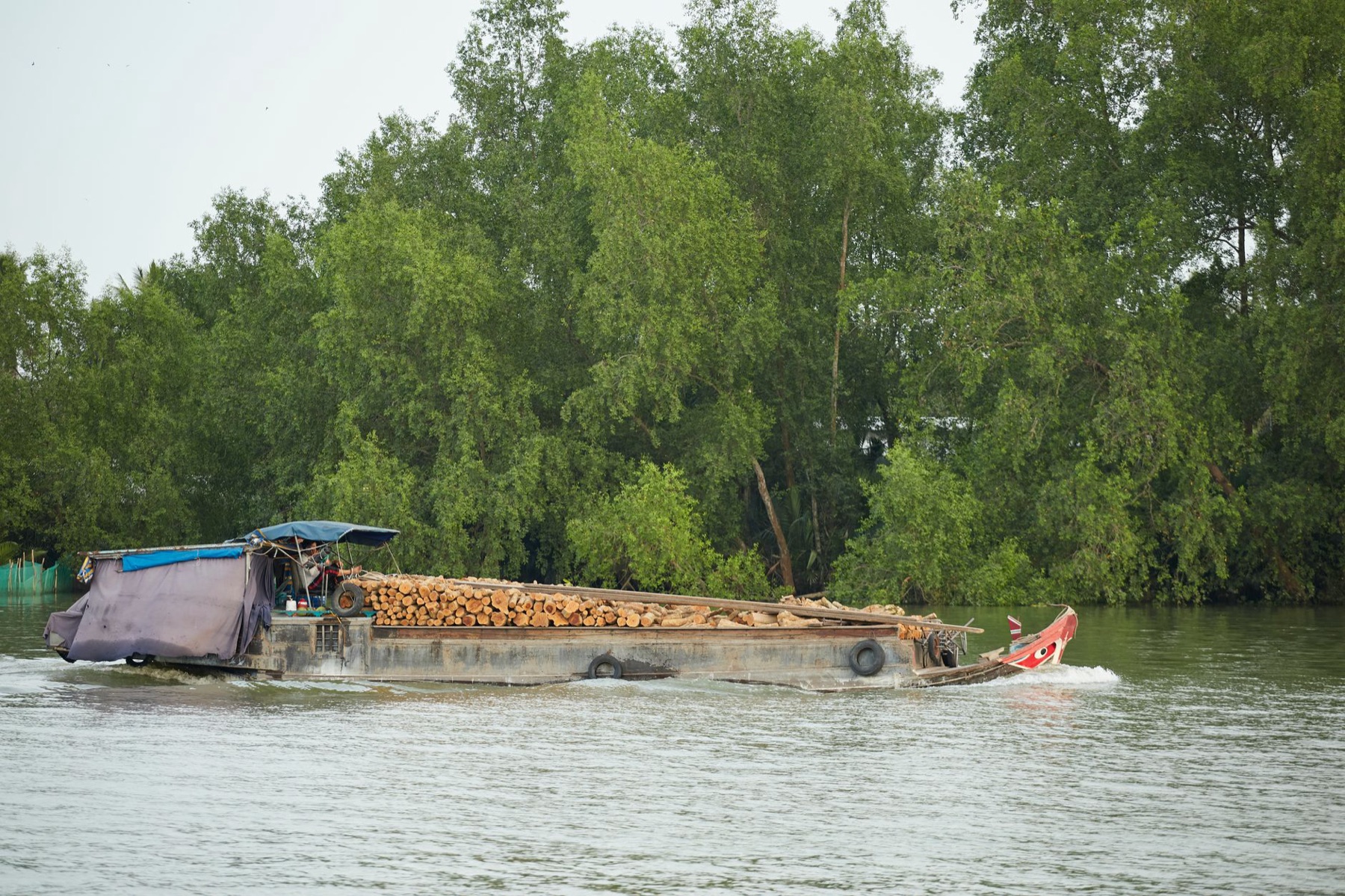
Can Tho earns respect as the Mekong Delta's working heart, not a resort town. You'll see cargo boats, floating markets, and neighborhoods built on water and mud as much as concrete. The riverfront neighborhoods (Ninh Kiều, Trần Văn Khéo) are genuinely walkable; the museum circuit (City Museum, Ho Chi Minh Museum, Military Region 9 Museum) tells the delta's 20th-century story through rare artifacts. Hire a small-group boat tour to floating markets at dawn—cheaper and more flexible than package deals. Evenings: stroll Hau River promenade, eat grilled fish at street stalls (around 80,000–150,000 VND / $3–6 USD per dish), skip the karaoke-bar strip unless you enjoy it. Budget 2–3 full days if combining with Mekong homestays or Can Tho university cultural programs.
Should I Visit the Can Tho City Museum First?
Yes—it's the only single-entry point to the delta's material history. Bảo tàng thành phố Cần Thơ (1 Hoà Bình) is a two-story colonial building with rare documents, ceramics, and photographs from pre-1975 Can Tho's merchant and French periods. Allow 90 minutes. Entry is low (around 30,000 VND / $1.20 USD). Signage is minimal and in Vietnamese only; hire a local guide (100,000–200,000 VND / $4–8 USD for 2 hours) via your hotel or street recommendation to unlock the context. Skip the gift shop. The museum is a starting point, not a destination—combine it with the Ho Chi Minh Museum two blocks away.
What's the Difference Between Ho Chi Minh Museum and Military Region 9 Museum?
Ho Chi Minh Museum focuses on Hồ Chí Minh's life and nationalist ideology using photographs and personal objects; Military Region 9 Museum (Bảo tàng Quân khu 9) documents the Viet Cong and NVA presence in the delta during the war through weapons, tunnels models, and survivor testimonies. Choose Ho Chi Minh Museum if you want accessible, visual storytelling; choose Military Region 9 if you're researching military history or have read widely on the Vietnam War. Both charge minimal entry (under 50,000 VND / $2 USD each). The Military Region 9 building is plain and often less crowded. Neither takes more than 90 minutes. Most independent travelers visit both in a morning.
How Do I Spend a Full Day on Hau River Without Buying a Tour?
Start at Ninh Kiều Pedestrian Bridge (Cầu đi bộ Ninh Kiều) at 5:30 a.m.—the light is soft, boats are launching, locals are exercising. Walk the promenade (Cong vien song Hau, Ninh Kiều area) for 45 minutes, then grab coffee and bánh mì from a street vendor (around 20,000–40,000 VND / $0.80–$1.60 USD). At 7 a.m., approach boat captains at Hau River dock (Bờ kè sông Hậu, Trần Văn Khéo) and negotiate a private or small-group boat (4–6 people) to floating markets near Cai Rang or Phong Dien (around 400,000–600,000 VND / $16–$24 USD split per person for 3 hours). Return to shore by 11 a.m., eat lunch at a riverside restaurant (around 100,000–200,000 VND / $4–$8 USD per person for grilled fish, rice, greens). Afternoon: visit Lưu Hữu Phước Park (Công Viên Lưu Hữu Phước) or MEKO craft workshop (Cty thủ công mỹ nghệ MEKO) if you enjoy observing artisans. Avoid midday heat (11 a.m.–3 p.m.) indoors or under shade. This rhythm keeps costs low and energy high.
What Should I Buy at Local Craft Workshops?
MEKO and other small craft hubs sell hand-embroidered textiles, wood carvings, and coconut-shell items. Prices range from 100,000 VND / $4 USD (small trinkets) to 2,000,000+ VND / $80+ USD (large wall hangings). Authenticity varies widely. Visit workshops only if you're genuinely curious about the process—not if you're collecting souvenirs quickly. Ask the artisan how long an item took to make; if they can't answer, it's mass-made elsewhere. Negotiate gently (10–20% off is normal for items over 500,000 VND / $20 USD). Avoid workshops that pressure you to buy or offer "special prices" just for today. Quality keepsake pieces (embroidered scarves, small wooden boxes) make sense as gifts; mass-produced trinkets don't justify luggage space.
When Should I Skip Can Tho's Evening Entertainment?
XK Club and the karaoke-bar strip (Trần Văn Khéo area) cater to Vietnamese locals and business travelers. Unless you're fluent in Vietnamese, enjoy beer halls, or want authentic nightlife (not backpacker bars), skip them. Instead, sit at a riverside café or street-food stall in the evening, watch the light fade on the Hau River, and listen to local language and laughter. Entry to karaoke bars is often free, but drinks are marked up (40,000–80,000 VND / $1.60–$3.20 USD per beer). If nightlife is your priority, Ho Chi Minh City or Hanoi offer more depth; Can Tho excels in daylight river culture and history.
Best Things to Do in Can Tho: Decision Matrix
| Place | Best for | Time needed | Cost (VND) | Why visit |
|---|---|---|---|---|
| Bảo tàng thành phố Cần Thơ | History buffs, colonial architecture fans | 90 min | ~30,000 | Only city history museum; rare French-era artifacts |
| Ninh Kiều Pedestrian Bridge + Hau River walk | Sunrise, quiet reflection, people-watching | 1–2 hours | Free | Best morning light; working river life visible |
| Hau River boat tour (private negotiated) | Floating markets, authentic delta life | 3 hours | 400,000–600,000 (split) | See agriculture, trade, local life firsthand |
| Ho Chi Minh Museum | Ideological context, accessible narrative | 60 min | ~30,000 | Clear visual storytelling; centrally located |
| Military Region 9 Museum | War history, military tactics research | 60 min | ~40,000 | Rare weapons, tunnel models; less crowded |
| MEKO craft workshop | Artisan textiles, hand-embroidered keepsakes | 45 min | 100,000–2,000,000 | See artisans work; buy authentic (or skip) |
| Lưu Hữu Phước Park | Afternoon shade, walking, local families | 60 min | Free | Green space; good for cooling off midday |
| Cầu đi bộ Ninh Kiều at dusk | Photography, sunset, street food | 90 min | Free + food | Photogenic light; evening energy shifts |
🗺️ Plan your route: Vietnam itinerary
What to Check Before You Book or Buy
- Boat tours: Always negotiate price and duration before boarding. Confirm the captain's route (Cai Rang vs. Phong Dien markets differ in distance and boat traffic). Ask if fuel is extra. Confirm group size and start time the night before.
- Museums: Bring a notebook. Signage is sparse; hire a local guide if you want depth. Avoid midday tours (11 a.m.–3 p.m.)—afternoons are quieter and cooler.
- Craft workshops: Visit only if you have genuine interest; don't feel obligated to buy. Small pieces (scarves, coasters, boxes) are easier to transport than large wall hangings. Ask for a business card or address in case you want to reorder.
- Food: Eat where locals eat. Riverside stalls near Trần Văn Khéo are cheaper and fresher than named restaurants. Grilled fish + rice + greens = around 80,000–150,000 VND / $3–$6 USD. Street coffee is 15,000–25,000 VND / $0.60–$1 USD.
- Transport: Book bus tickets from Ho Chi Minh City the day before (saves 20–30% vs. walk-up). Allow 3–4 hours. Avoid night buses unless essential.
Honest Tips for Three Days in Can Tho
Day 1: Arrive by morning bus. Walk Ninh Kiều Pedestrian Bridge at dawn (if arriving early) or late afternoon. Explore City Museum and Ho Chi Minh Museum. Eat lunch riverside. Rest in afternoon heat. Evening stroll and street food.
Day 2: Pre-dawn negotiated boat tour to a floating market (3 hours, return by 11 a.m.). Lunch and midday rest. Afternoon visit to MEKO or another craft workshop. Sunset walk. Light dinner.
Day 3: Morning walk through residential Ninh Kiều neighborhoods (observe daily life, street commerce). Visit Lưu Hữu Phước Park if energy permits. Lunch. Afternoon trip to Military Region 9 Museum or Tarot Museum (if curious). Depart evening or next morning.
Common mistakes: Booking full-day tours when 3 hours on the river is enough. Eating at named restaurants instead of street stalls (same food, 1/3 the price). Visiting during midday heat (11 a.m.–3 p.m.) when locals are inside. Skipping the museums because they sound dry—they're not.
🎟️ Compare tours & tickets for this place
📸 Book an ao dai photoshoot in Hanoi or Saigon (Cáo Studio)
Extending Your Mekong Delta Experience
If Can Tho is your base, consider day trips to homestays in Phong Dien or Cai Rang (30–60 minutes by negotiated boat or motorbike taxi). Alternatively, combine Can Tho with Ha Long Bay, Ninh Binh, or the Mekong homestays near Chau Doc. For deeper immersion, book a homestay stay in the delta itself—more authentic than hotels and often cheaper (around 300,000–600,000 VND / $12–$24 USD per night including meals). If you have a week, pair Can Tho with Ho Chi Minh City and a Mekong river cruise. Check our Vietnam itinerary planner for sample routes that include Can Tho.
For a keepsake of your trip, consider hand-embroidered scarves or textile pieces from local artisans—they're lighter than ceramics, age beautifully, and directly support delta craftspeople. Alternatively, purchase a custom starmap or river photograph print from our gift & keepsake collection featuring Can Tho's Hau River at sunrise or local markets.

FAQ
What's the cheapest way to see a floating market from Can Tho?
Negotiate directly with boat captains at Hau River dock (Bờ kè sông Hậu, Trần Văn Khéo) at 6–7 a.m. Budget 400,000–600,000 VND ($16–$24 USD) split among 4–6 people for 3 hours. Avoid package tours; they mark up 50–100%.
Do I need a guide at the museums?
Not essential, but helpful. Signage is sparse and Vietnamese-only. A local guide (100,000–200,000 VND / $4–$8 USD for 2 hours) adds context; museum entry is low (under 50,000 VND / $2 USD each), so hire one if budget allows.
Is Can Tho safe for solo travelers?
Yes. Petty theft and overcharging tourists exist but are rare. Avoid large cash displays; negotiate prices before boat tours and food orders. Women travelers report no specific harassment different from other Vietnamese cities.
How long should I stay in Can Tho?
2–3 days is ideal. Day 1: arrival, museums, riverside strolls. Day 2: full-day boat tour, craft workshops, evening. Day 3: neighborhood walks, depart or extend to a homestay.
What's the best time to visit Can Tho?
November–February (cool, dry). Avoid May–September (heat, humidity, monsoon flooding in outlying areas). April and October are transitional—warm but manageable.
Can I get from Can Tho to Sapa or Ha Long Bay easily?
No—both require 6–12 hours of travel (flights or long buses). Plan separate weeks or stick to the Mekong Delta and Ho Chi Minh City. See our Vietnam itinerary planner for route options.
What should I definitely *not* miss in Can Tho?
Sunrise at Ninh Kiều Pedestrian Bridge and a dawn floating market boat tour. Both are irreplaceable. Museums are valuable if you like history; karaoke bars can be skipped unless you enjoy local nightlife. ===
FAQ
What's the cheapest way to see a floating market from Can Tho?
Negotiate directly with boat captains at Hau River dock (Bờ kè sông Hậu, Trần Văn Khéo) at 6–7 a.m. Budget 400,000–600,000 VND ($16–$24 USD) split among 4–6 people for 3 hours. Avoid package tours; they mark up 50–100%.
Do I need a guide at the museums?
Not essential, but helpful. Signage is sparse and Vietnamese-only. A local guide (100,000–200,000 VND / $4–$8 USD for 2 hours) adds context; museum entry is low (under 50,000 VND / $2 USD each), so hire one if budget allows.
Is Can Tho safe for solo travelers?
Yes. Petty theft and overcharging tourists exist but are rare. Avoid large cash displays; negotiate prices before boat tours and food orders. Women travelers report no specific harassment different from other Vietnamese cities.
How long should I stay in Can Tho?
2–3 days is ideal. Day 1: arrival, museums, riverside strolls. Day 2: full-day boat tour, craft workshops, evening. Day 3: neighborhood walks, depart or extend to a homestay.
What's the best time to visit Can Tho?
November–February (cool, dry). Avoid May–September (heat, humidity, monsoon flooding in outlying areas). April and October are transitional—warm but manageable.
Can I get from Can Tho to Sapa or Ha Long Bay easily?
No—both require 6–12 hours of travel (flights or long buses). Plan separate weeks or stick to the Mekong Delta and [Ho Chi Minh City](/ho-chi-minh-city). [See our Vietnam itinerary planner](/vietnam/itinerary) for route options.
What should I definitely *not* miss in Can Tho?
Sunrise at Ninh Kiều Pedestrian Bridge and a dawn floating market boat tour. Both are irreplaceable. Museums are valuable if you like history; karaoke bars can be skipped unless you enjoy local nightlife. ===