Hanoi · Things to do
Best Things to Do in Hanoi 2025: Local Insider Guide
By Wander in Vietnam editorial team · Hanoi, Vietnam
Hanoi isn't a city you can tick off in two days. The capital rewards those who move slowly through it, who sit with coffee for an hour, who wander into alleyways without a map. We've spent years guiding visitors through its layered history, frenetic energy, and quiet corners—and what works depends entirely on how much time you have and what rhythm suits you.
What should I do my first morning in Hanoi?
Start at Hoan Kiem Lake around 6–7 a.m. when tai chi groups gather and the water reflects early light. Walk the perimeter (roughly 1.5 km), then cross the red Trang Tien Bridge into the Old Quarter. Stop at a small pho stall (around 40,000–60,000 VND / $1.60–2.40 USD) for breakfast. The crowds are lightest before 8 a.m., and you'll see Hanoi as residents do, not as visitors.
Avoid the "official" lake tour boats—they're slow, overpriced (around 100,000 VND / $4 USD), and rob you of the real experience. Walk instead. If rain threatens, carry an umbrella; morning showers are common even in dry season.
Which neighbourhoods hold the most authentic experiences?
Ba Dinh District (west of the Old Quarter, near Ho Chi Minh Mausoleum) attracts fewer tourists than central areas but offers excellent cafés, galleries, and the Temple of Literature—Vietnam's first university, founded in 1070. Entry is around 30,000 VND / $1.20 USD. Go early; it closes by 4:30 p.m. and tour groups swarm mid-morning.
Tay Ho (West Lake) is where Hanoi's creative class congregates. Cyclo rides along the shore cost around 150,000–250,000 VND / $6–10 USD per hour (negotiate before you start). The cafés are pricier than Old Quarter ones—expect 60,000–100,000 VND / $2.40–4 USD for a filter coffee—but the quietness and French-colonial villas justify it.
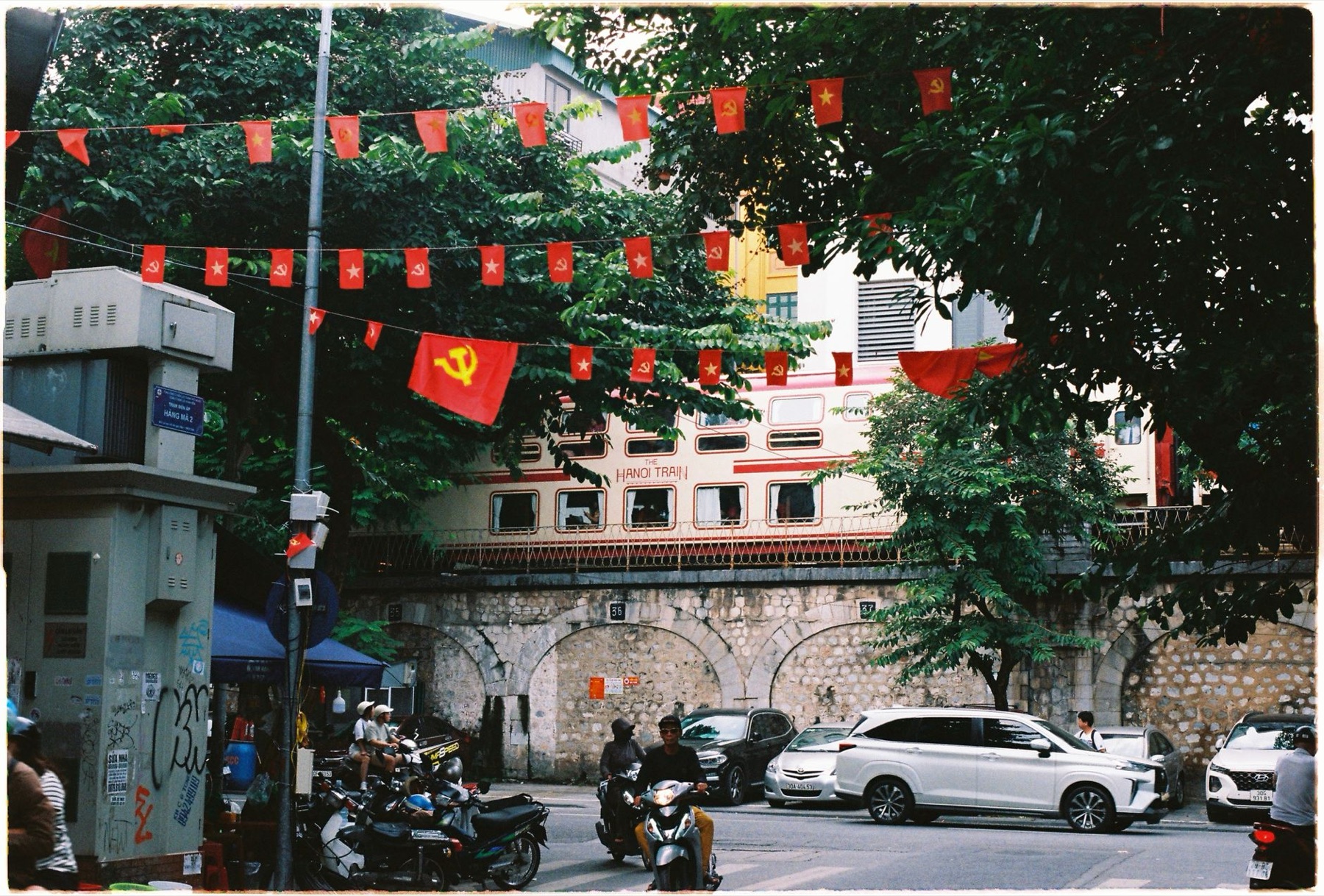
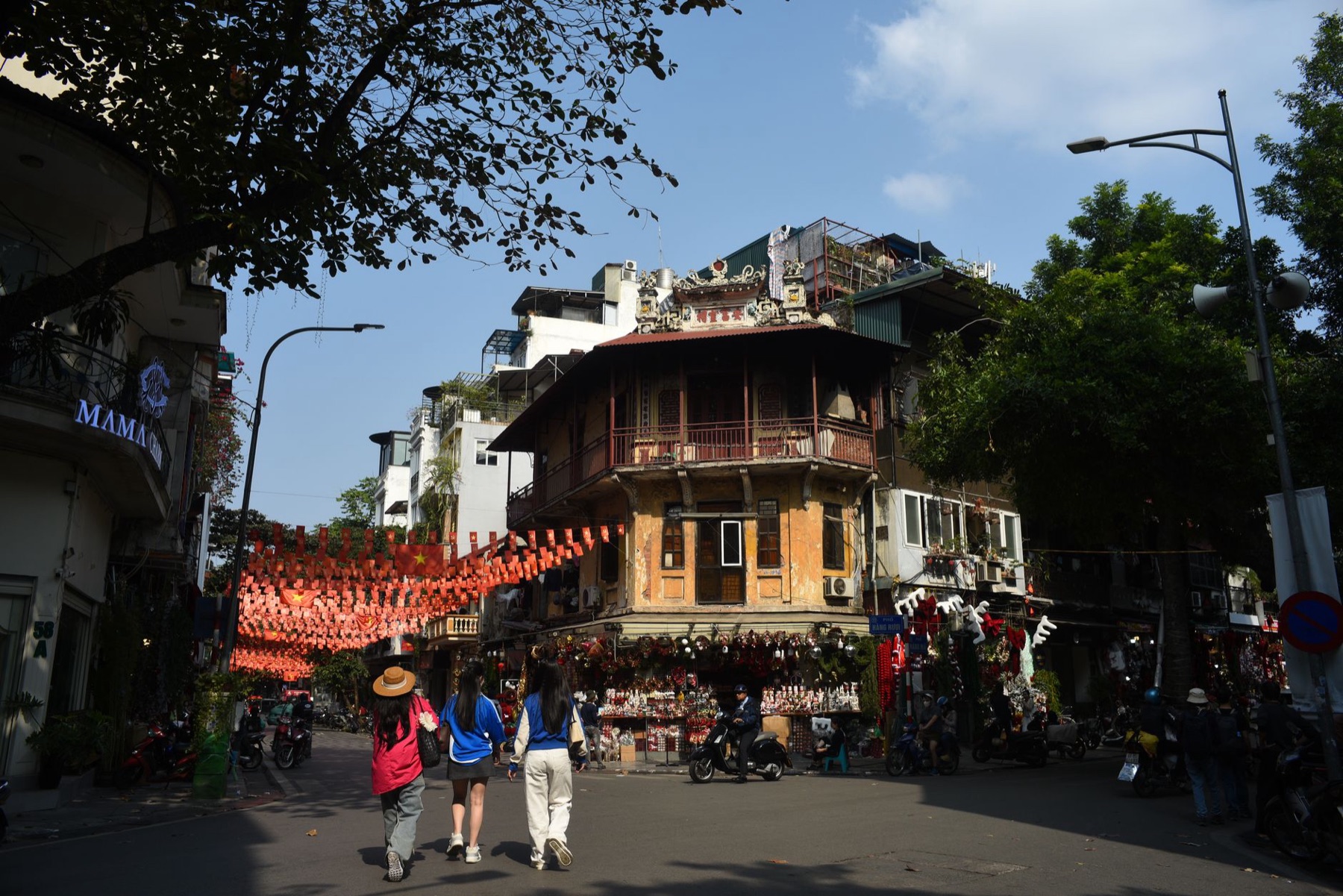
Hang Be and Hang Ma streets in the Old Quarter sell specific goods (silk, lanterns, paper goods); browsing is free and chaotic, but it's where tour groups rarely venture inside.
| Neighbourhood | Best for | Visitor type | Why try it |
|---|---|---|---|
| Old Quarter | Street food, energy, nightlife | First-timers, backpackers | Dense, walkable, cheap eats |
| Ba Dinh | Culture, temples, calm | History seekers, solo | Fewer crowds, higher-end cafés |
| Tay Ho | Lakes, cafés, photo ops | Couples, creatives | Scenic, slower pace, boutique shops |
| Dong Da | Local life, markets, pubs | Expats, culture divers | Authentic, off main trails |
🗺️ Plan your route: Vietnam itinerary
How do I avoid tourist scams and overpriced meals?
The most common traps: cyclo drivers who quote prices in dollars (agree only in VND), "friendly local" offers to take you to a family-run restaurant (you'll pay 3× menu price), and tour guides pushing unnecessary add-ons.
What actually works:
- Eat where locals eat. If a stall has a queue at lunchtime, join it. Pho, com tam, and banh mi should cost under 50,000 VND / $2 USD.
- Use Google Maps or Grab (the Southeast Asian Uber) to reach restaurants; avoid handwritten menus with English prices.
- Book tours through reputable agencies, not street touts. Expect half-day city tours at around 400,000–600,000 VND / $16–24 USD per person.
- Never exchange money with unofficial dealers on the street. Banks and ATMs give fair rates.
- Cyclo rides are atmospheric but slow; use them for short scenic loops (30 mins, ~100,000 VND / $4 USD), not transport between sites.
Most pickpocketing happens on buses 1 and 2 (which tour routes frequent). If using public buses, keep bags in front and avoid rush hours (7–9 a.m., 5–7 p.m.).
Where should I spend a half-day to feel like I'm not a tourist?
Take the Grab motorbike taxi (around 50,000–80,000 VND / $2–3.20 USD) to Thanh Oai district, a working village 30 km southwest where locals still dry rice and tend vegetable plots. Or visit Dong Xuan Market early (5–7 a.m.) when it's a wholesale hub, before it becomes a souvenir trap. You'll see wholesalers, fabric traders, and real Hanoi commerce.
Alternatively, spend two hours in the Van Mieu–Quoc Tu Giam complex (Temple of Literature area), then lunch at a random com tam stall nearby. Afternoon café-hopping in Ba Dinh beats any pre-planned itinerary.
📸 Book an ao dai photoshoot in Hanoi or Saigon (Cáo Studio)
Should I day-trip from Hanoi, and where's worth it?
Ha Long Bay is a 3.5–4 hour drive northeast; most cruises depart from Haiphong (30 mins further). Budget a full 2-day overnight; single-day trips waste time on driving. Cruises range from budget (budget tours start around 800,000–1,200,000 VND / $32–48 USD all-inclusive) to luxury (3 million+ VND / $120+ USD).
Ninh Binh, 90 km south, is faster to reach (2 hours by bus) and genuinely spectacular—limestone karsts, cave temples, and cycling through rice valleys. Overnight stays cost around 300,000–600,000 VND / $12–24 USD for a good guesthouse. This is worth it.
Sapa, 350 km northwest, requires an overnight train (7–8 hours from Hanoi central station) or a 5-hour drive. Go only if you have 2+ nights; the mountain scenery and trekking reward that time investment.
For a quick 4-hour outing, visit Perfume Pagoda (Chua Huong), 40 km south—a temple complex in a cave with a scenic boat ride upriver. Admission and boat cost around 100,000–150,000 VND / $4–6 USD total. Go early and avoid weekends when crowds choke the narrow walkways.
🎟️ Compare tours & tickets for this place
What timing mistake do most visitors make?
Trying to see too much in one day. Hanoi spreads across multiple districts, and traffic (chaotic but predictable) takes longer than you'd expect. A motorbike taxi across town can take 20–40 minutes depending on district. Plan geographically: Old Quarter + Ba Dinh = one day. Tay Ho + West Lake = one day. Suburban temples = another day.
Also: November–April is peak season; January to early February sees lower prices but frequent drizzle. April–May and September–October are shoulder seasons—fewer crowds, pleasant weather, but inconsistent. June–August is hot and humid; many locals leave town. December pricing spikes 30–50% as wealthy expats return and international tourists peak.
Avoid the Old Quarter between 8 p.m.–11 p.m. on Fridays and Saturdays unless you want bars and noise; it's genuinely worth the visit early morning instead.
What if I want to take a special keepsake or gift home?
Hanoi's markets overflow with cheap souvenirs, but items worth carrying home require thought. Lacquerware—trays, boxes, small tables—is genuinely made in workshops in Bat Trang village (southeast of central Hanoi); prices start around 300,000 VND / $12 USD for a small keepsake box but can reach several million for larger pieces. Quality varies wildly; buy from artisan workshops if possible, not tourist stalls.
Hand-embroidered silk (pillowcases, wall hangings) is labour-intensive and authentic when bought from established makers in the Old Quarter or Ba Dinh; expect 500,000–2,000,000 VND / $20–80 USD for a quality piece.
If you're looking to capture the moment itself, consider booking a professional ao dai photoshoot (the traditional Vietnamese dress) in Hanoi. Studios like Cáo handle hair, makeup, and authentic styling; images become lasting memories of your trip and tell the real story of your time here.
For something more personal, we recommend:
- Star map or night-sky print collections showing Hanoi's sky on your arrival date—a subtle keepsake linking home to your journey.
- Engraved keepsake boxes or frames for storing ticket stubs, pressed flowers, or handwritten notes from your trip.
- Map art or destination prints featuring Hanoi's neighbourhoods or the regions you visited (Sapa, Ha Long, Ninh Binh).
Shipping to the US takes 5–10 days; orders over $35 ship free. A 30-day smile guarantee means no stress if an item doesn't suit your space once home.
📸 Book an ao dai photoshoot in Hanoi or Saigon (Cáo Studio)
What to check before you buy a keepsake or gift
- Is it actually made in Vietnam, or imported? Ask vendors directly. Genuine articles come with a story; vague answers mean skip it.
- Will it survive the flight? Lacquerware is sturdy; delicate ceramics risk damage. Prioritize items packed by the maker.
- Do you need it or does it look good in a photo? Hanoi's markets are designed for impulse buys. Sleep on it. If you still want it tomorrow, go back.
- Is the price fixed or negotiable? Markets expect haggling (20–30% off is normal); most shops don't.
---
Beyond Hanoi: Connected Reads
Hanoi is a base, not an endpoint. From here, explore:
- Ha Long Bay guide – UNESCO limestone wonderland, best on overnight cruises.
- Ninh Binh guide – "Inland Ha Long Bay," 2 hours south, excellent for quick getaways.
- Sapa guide – Mountain treks and ethnic markets, worth the overnight train.
- Ho Chi Minh City guide – Southern counterpart; 2-hour flight from Hanoi.
- Vietnam itinerary planner – Combine Hanoi with other regions into a cohesive trip.
Practical essentials:
- Vietnam e-visa – Most international visitors need this; process it before you arrive.
- eSIM for Vietnam – Local data from day one beats airport SIM cards; activate before departure.
---
FAQ
How many days do I actually need in Hanoi?
Three days minimum (one for Old Quarter, one for Ba Dinh and temples, one for West Lake or a day trip). Five days lets you breathe, skip crowded hours, and explore neighbourhoods like Dong Da or Hang Dau without rushing. Two days is survival; you'll miss the real city.
Is it safe to walk around Hanoi at night?
The Old Quarter and Ba Dinh are safe until 10 p.m.; police presence is heavy, and theft is rare. Avoid alleys without people or lighting. Grab motorbike taxis are reliable and cheap (50,000–100,000 VND / $2–4 USD) for late returns. Women traveling solo report feeling safe, though standard urban caution applies.
What's the best way to get around—motorbike taxi, Grab, or cyclo?
Grab (motorbike or car) is fastest and safest for tourists; prices are metered and fair. Motorbike taxis (negotiated fare) are cheaper but riskier if traffic intimidates you. Cyclos are for short scenic rides, not transport. Buses are cheap (10,000 VND / $0.40 USD) but crowded and confusing without Vietnamese. Walk neighbourhoods; use Grab to skip between them.
Which month is least crowded but still pleasant?
Early November and early April. January–February is dry but cool (10–15°C / 50–59°F); crowds are moderate, prices lower. November is warm, dry, and has the fewest tourists before peak season. Avoid June–August (unbearable heat and humidity) and December (peak prices and expat rush).
Should I learn Vietnamese phrases before going?
Hanoi's Old Quarter and Ba Dinh see enough tourists that English (or Google Translate) works for restaurants and hotels. Learning "Xin chao" (hello), "Cam on" (thank you), and "Bao nhieu tien?" (how much?) opens doors with market vendors and older locals who don't speak English—and shows respect that earns better service and honest prices.
Can I use my US phone in Hanoi, or do I need a local SIM?
International roaming costs $10–15 USD per day; Hanoi's eSIM option is cheaper and instant. Buy a local SIM at the airport (around 50,000 VND / $2 USD for the card plus data packages) or activate an eSIM before you arrive and skip lines entirely. 4G coverage is excellent across the city.
FAQ
How many days do I actually need in Hanoi?
Three days minimum (one for Old Quarter, one for Ba Dinh and temples, one for West Lake or a day trip). Five days lets you breathe, skip crowded hours, and explore neighbourhoods like Dong Da or Hang Dau without rushing. Two days is survival; you'll miss the real city.
Is it safe to walk around Hanoi at night?
The Old Quarter and Ba Dinh are safe until 10 p.m.; police presence is heavy, and theft is rare. Avoid alleys without people or lighting. Grab motorbike taxis are reliable and cheap (50,000–100,000 VND / $2–4 USD) for late returns. Women traveling solo report feeling safe, though standard urban caution applies.
What's the best way to get around—motorbike taxi, Grab, or cyclo?
Grab (motorbike or car) is fastest and safest for tourists; prices are metered and fair. Motorbike taxis (negotiated fare) are cheaper but riskier if traffic intimidates you. Cyclos are for short scenic rides, not transport. Buses are cheap (10,000 VND / $0.40 USD) but crowded and confusing without Vietnamese. Walk neighbourhoods; use Grab to skip between them.
Which month is least crowded but still pleasant?
Early November and early April. January–February is dry but cool (10–15°C / 50–59°F); crowds are moderate, prices lower. November is warm, dry, and has the fewest tourists before peak season. Avoid June–August (unbearable heat and humidity) and December (peak prices and expat rush).
Should I learn Vietnamese phrases before going?
Hanoi's Old Quarter and Ba Dinh see enough tourists that English (or Google Translate) works for restaurants and hotels. Learning "Xin chao" (hello), "Cam on" (thank you), and "Bao nhieu tien?" (how much?) opens doors with market vendors and older locals who don't speak English—and shows respect that earns better service and honest prices.
Can I use my US phone in Hanoi, or do I need a local SIM?
International roaming costs $10–15 USD per day; Hanoi's [eSIM option](/vietnam/esim) is cheaper and instant. Buy a local SIM at the airport (around 50,000 VND / $2 USD for the card plus data packages) or activate an eSIM before you arrive and skip lines entirely. 4G coverage is excellent across the city.