Hanoi · Things to do
Best Things to Do in Hanoi: 2026 Local Guide
By Wander in Vietnam editorial team · Hanoi, Vietnam
Hanoi isn't a checkbox city—it's a place where you need to get lost in order to find anything real. The capital rewards patience: street food tastes better when you sit on a plastic stool watching motorbikes pass; temples feel sacred when you arrive before tour groups; markets are chaotic but honest when you know where locals actually shop.
We've guided thousands of travelers here, and the difference between a rushed itinerary and a memorable one usually comes down to pacing and neighborhood choice. This guide cuts through the noise.
What should I do on my first morning in Hanoi?
Start at Hoan Kiem Lake before 6 a.m. The water is still, locals do tai chi on the shore, and the Turtle Tower sits quiet. Walk the full loop (around 1.5 km), then have pho from a stall on Hang Manh Street (west side of the lake). Cost: around 40,000–60,000 VND ($1.60–$2.40 USD). Skip the restaurants with English menus facing the lake.
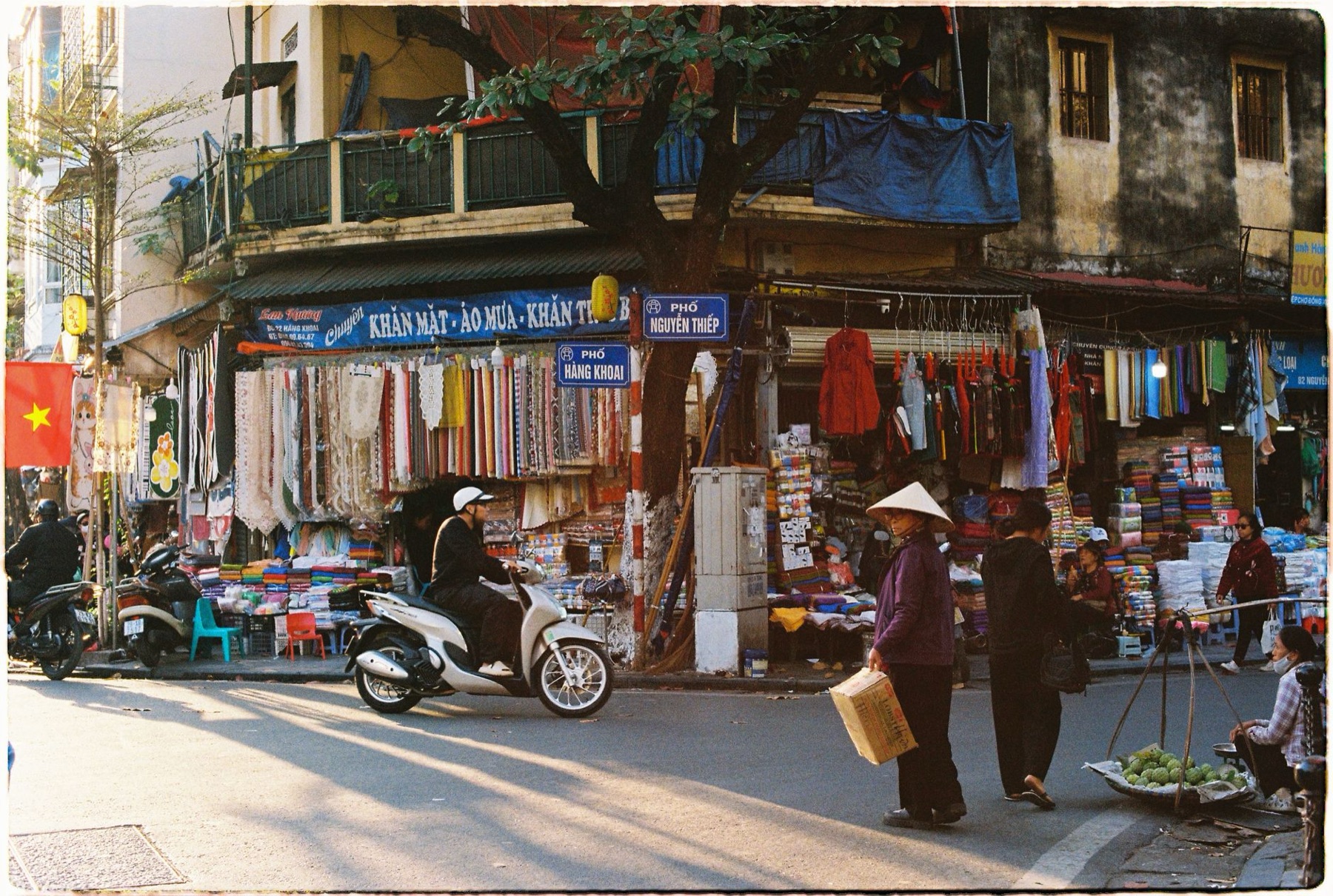
After breakfast, walk into the Old Quarter proper—start from Hang Dao Street and drift downhill toward the Red River. You'll pass silk shops, shoe makers, helmet repairers, and spice vendors—each street historically sold one category of goods. The warren is genuinely disorienting; that's the point. Spend 2–3 hours here with no fixed destination.
🗺️ Plan your route: Vietnam itinerary
Which temples actually deserve your time?
Temple of Literature (Van Mieu, Dong Da district): This is Vietnam's first university (founded 1070). Walk through courtyards with ancient trees, past the Confucian shrine. Cost: around 30,000 VND ($1.20 USD). Best time: 7–8 a.m. or after 3 p.m. to avoid school groups. Allow 1.5 hours.
One Pillar Pagoda (Mot Cot Pagoda, Ba Dinh district): A tiny, odd structure built in 1049 on a single stone pillar in a pond. Atmospheric but cramped; go early. Cost: around 10,000 VND ($0.40 USD). 20 minutes is enough.
Tran Quoc Pagoda (Tay Ho district, on the peninsula between Hoan Kiem Lake and West Lake): Hanoi's oldest pagoda (6th century), less touristy than central temples, with lake views. Cost: free. Ideal in late afternoon.
Ho Chi Minh Mausoleum complex (Ba Dinh district): The mausoleum itself has strict dress codes (covered shoulders, no hats, no photos). Queues start before 8 a.m. The surrounding gardens and museum are worthwhile. Cost: free. Allow 2 hours total. Closed Mondays and Fridays.
Skip: Jade Mountain Temple (Ngoc Son) on Hoan Kiem Lake. It's beautiful but always packed, and the view isn't worth the chaos.
Where do real locals eat—and what should I order?
Pho: Eaten for breakfast, not lunch. A proper bowl costs around 40,000–50,000 VND ($1.60–$2 USD). Pho Thin (multiple locations; the one on Hang Manh is reliable) and smaller unmarked stalls near Hoan Kiem are better than tourist-facing restaurants. Sit at the counter if possible.
Banh mi: A French-Vietnamese sandwich with pâté, cold cuts, cucumber, cilantro, and chili on crusty bread. Around 30,000–50,000 VND ($1.20–$2 USD). Banh Mi 25 (on Hang Manh) is famous but crowded; hunt for hole-in-the-wall vendors instead.
Cha ca (turmeric fish): A Hanoi specialty: flaked fish fried with turmeric and served with rice noodles, herbs, and peanut sauce. Around 80,000–120,000 VND ($3.20–$4.80 USD). Cha Ca La Vong (on Cha Ca Street, Hoan Kiem district) is the original; it's touristy now, but the dish is legitimate.
Bun cha: Grilled pork meatballs and pork belly over rice noodles with dipping sauce. Around 60,000–80,000 VND ($2.40–$3.20 USD). Street stalls around Hang Manh are better than sit-down restaurants.
Night markets: Hang Be night market (north end of the Old Quarter, Fridays–Sundays from 7 p.m.) and Dong Xuan Market's upper floors (daily, any time, but 6–8 p.m. is liveliest) sell grilled skewers, snails, and street desserts. No fixed prices; expect to pay 5,000–20,000 VND ($0.20–$0.80 USD) per skewer.
📸 Book an ao dai photoshoot in Hanoi or Saigon (Cáo Studio)
Scam to avoid: Cyclo drivers offering "tours" to villages or scenic spots for very cheap prices, then forcing you to visit shops that pay them commission. Stick to official tours or walk.
How many days do I really need?
| Activity | Time needed | Best season | Solo-friendly? |
|---|---|---|---|
| Lake walks, Old Quarter, street food | 1 full day | Oct–Nov, Mar–Apr | Yes |
| Temples (literature, one pillar, Tran Quoc) | 1 full day | Year-round | Yes |
| Ho Chi Minh Mausoleum, B52 lake, French quarter | 1 full day | Year-round | Yes |
| Day trip: Ninh Binh or Ha Long Bay (alternative) | 1–2 days | Oct–Apr | Tour required |
| Markets, cycling tour, cooking class | 1 full day | Year-round | Mix |
Honest take: 3 full days covers Hanoi's core. 4–5 days lets you eat properly, revisit neighborhoods, and take a day trip. More than 6 days risks repetition unless you're doing classes or intensive exploration.
Avoid: August (hot, humid, flooded); June–July (monsoon, mosquitoes). Best: October–November and March–April (dry, 20–25°C).
What are common travel mistakes—and how to avoid them?
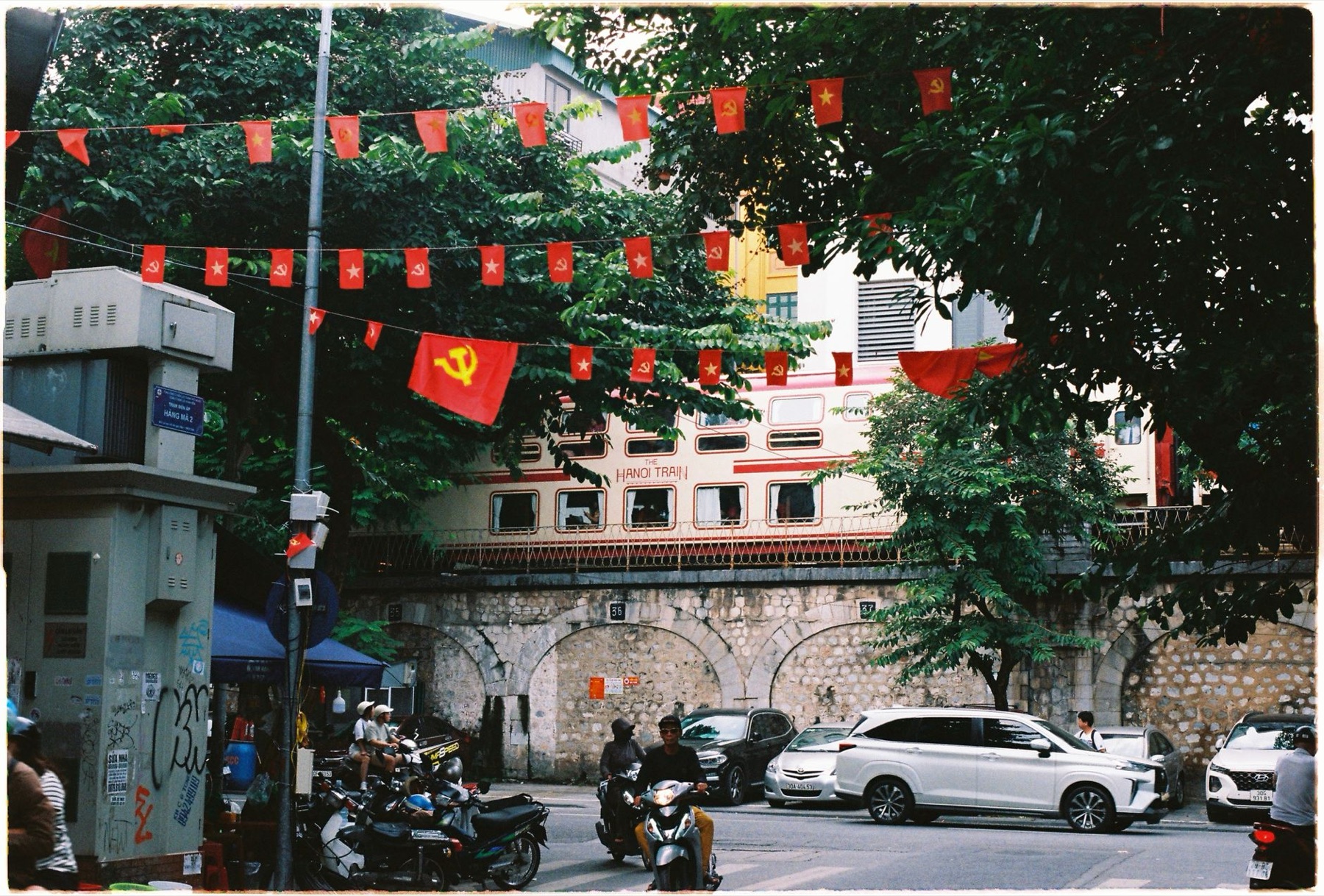
Mistake 1: Booking hotels in the Old Quarter expecting peace. The Old Quarter is loud 24/7—motorbike horns, construction, street vendors. If you need quiet, stay in Tay Ho (West Lake) or the French Quarter (Hoang Mai district). Trade-off: less walkable nightlife.
Mistake 2: Hiring a cyclo for a "tour." Cyclo drivers work on commission and will take you to overpriced shops. Hire a cyclo only for short point-to-point rides (10–15 minutes). Cost: around 50,000–100,000 VND ($2–$4 USD) negotiated before boarding.
Mistake 3: Eating only at restaurants. Street stalls are cleaner, cheaper, and tastier. Look for stalls with high turnover and locals queuing. Avoid raw salads at questionable vendors; stick to cooked food.
Mistake 4: Getting lost without offline maps. Download Google Maps offline before arriving. Mobile data is cheap (eSIM around $5–$10 for 7 days), but maps work faster offline.
🎟️ Compare tours & tickets for this place
Mistake 5: Not haggling in markets. At Dong Xuan or night markets, asking prices are 20–40% higher than locals pay. Polite haggling is expected. Start at 50% of the asking price and settle in the middle.
Day trips: Should I leave the city?
Ninh Binh (2 hours south by bus or private car): Dramatic limestone karsts, boat rides through Trang An caves, and villages. A full day trip or overnight stay. Cost: around 150,000–250,000 VND ($6–$10 USD) for tour transport. Worth it? Yes—it's stunning and manageable as a day trip. Explore Ninh Binh.
Ha Long Bay (3 hours north): UNESCO limestone seascape. Most tours are 2-day overnight cruises, which forces you into expensive packages. Quality varies wildly. Only go if you have 2 full days and a specific boat operator recommendation. More on Ha Long Bay.
Sapa (5 hours northwest by bus or overnight train): Mountain town with Hmong villages, rice terraces, and trekking. Needs 2–3 days minimum. Worth the journey if you want highlands and minority cultures. Explore Sapa.
Real local tip: Most Hanoi residents skip day trips and explore their own city more deeply—cycling to the Red River dikes, sitting in hidden pho shops for hours, attending water puppet theater. A rushed day trip often feels like ticking a box.
What to check before you book
- Visa requirements: Most nationalities need a Vietnam e-visa or visa-on-arrival. Process times vary; apply 2–4 weeks ahead. Vietnam visa guide.
- Transportation: Get an eSIM for local mobile data (Viettel, Mobi, Vina). Costs around $5–$10 for 7 days. Find the right eSIM.
- Seasonal timing: Avoid June–August (heat, humidity, mosquitoes). Aim for October–November or March–April.
- Accommodation: Book 2–3 weeks ahead for October–April peak season. Expect $15–$50/night for clean mid-range guesthouses in the Old Quarter.
- Guided tours: Book through established operators with recent reviews, not street touts. Cost: $15–$50 per person for half-day group tours.
---
If you're planning a broader Vietnam trip, check our Vietnam itinerary planner to balance Hanoi with other regions like Ho Chi Minh City, Hoi An, or the rural north.
For a tangible memory of Hanoi, consider capturing your trip professionally. Cáo Studio offers ao dai photoshoots in the Old Quarter, temples, and lakes—styled hair, makeup, and genuine costumes included. Or send flowers back home from Hanoi to remind yourself why you came.
FAQ
How many days minimum do I need in Hanoi?
Two full days covers the essentials: Hoan Kiem Lake, Old Quarter, one major temple, and street food. Three days is ideal to eat properly and revisit neighborhoods without rushing. Four-plus days allows day trips or deeper exploration of lesser-known areas.
Is Hanoi safe for solo travelers?
Yes, very safe for daytime walking and eating. Avoid late-night solo walks in poorly lit areas. Theft from hotel rooms and bag-snatching on motorbikes happen rarely but do occur—use hotel safes and keep bags secure. Scams (overpriced drinks, cyclo commissions) are common but low-risk if you're aware.
What's the best time to visit?
October–November and March–April (cool, dry, 18–25°C). June–August is unbearably hot and humid; September–October has lingering rain. January–February is cool but can be damp. Peak season (Oct–Nov) means higher prices and more tourists; March–April is slightly less crowded and still pleasant.
Do I need to speak Vietnamese?
No, but learning 5–10 phrases (hello, thank you, how much, excuse me, delicious) earns respect and improves interactions. English is spoken in tourist areas and hotels but rarely by street vendors or in small stalls. Download a translation app for backup.
How much should I budget per day?
Budget $25–$40/day for budget travelers (cheap guesthouse, street food, free temples); $60–$100/day for mid-range (decent hotel, mix of street and restaurant food, paid tours); $150+/day for comfort (3-star hotel, restaurants, private transport). Street food costs $1–$3 per meal; a sit-down restaurant runs $5–$15.
FAQ
How many days minimum do I need in Hanoi?
Two full days covers the essentials: Hoan Kiem Lake, Old Quarter, one major temple, and street food. Three days is ideal to eat properly and revisit neighborhoods without rushing. Four-plus days allows day trips or deeper exploration of lesser-known areas.
Is Hanoi safe for solo travelers?
Yes, very safe for daytime walking and eating. Avoid late-night solo walks in poorly lit areas. Theft from hotel rooms and bag-snatching on motorbikes happen rarely but do occur—use hotel safes and keep bags secure. Scams (overpriced drinks, cyclo commissions) are common but low-risk if you're aware.
What's the best time to visit?
October–November and March–April (cool, dry, 18–25°C). June–August is unbearably hot and humid; September–October has lingering rain. January–February is cool but can be damp. Peak season (Oct–Nov) means higher prices and more tourists; March–April is slightly less crowded and still pleasant.
Do I need to speak Vietnamese?
No, but learning 5–10 phrases (hello, thank you, how much, excuse me, delicious) earns respect and improves interactions. English is spoken in tourist areas and hotels but rarely by street vendors or in small stalls. Download a translation app for backup.
How much should I budget per day?
Budget $25–$40/day for budget travelers (cheap guesthouse, street food, free temples); $60–$100/day for mid-range (decent hotel, mix of street and restaurant food, paid tours); $150+/day for comfort (3-star hotel, restaurants, private transport). Street food costs $1–$3 per meal; a sit-down restaurant runs $5–$15.
More: Hanoi guide · Things to do in Hanoi