Hanoi · Things to do
Best Things to Do in Hanoi 2026: Real Guide
By Wander in Vietnam editorial team · Hanoi, Vietnam
The best things to do in Hanoi span Old Quarter street food, Hoan Kiem Lake walks at dawn, one-pillar temple visits, water puppet theater, and cycling rural communes outside the city. Wander in Vietnam recommends mixing heritage sites with neighborhood eating and avoiding peak tourist hours.
Most international travelers spend three days here. We suggest: one day Old Quarter and French Colonial Quarter, one day temples and lakes, one day beyond the city. This rhythm avoids burnout and reveals why Hanoi matters beyond guidebook checkmarks.
🗺️ Plan your route: Vietnam itinerary
Should I spend all day in the Old Quarter or explore beyond it?
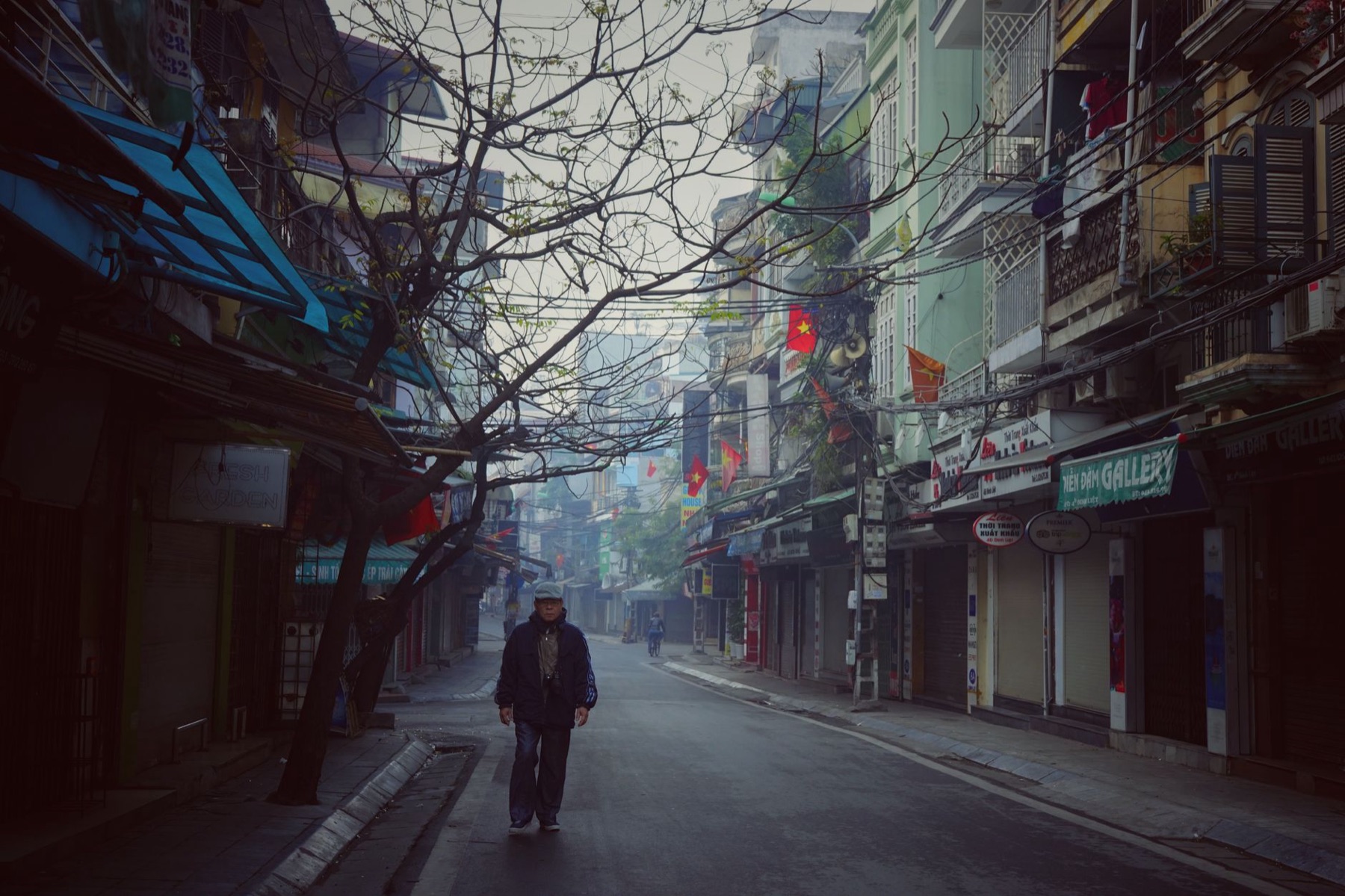
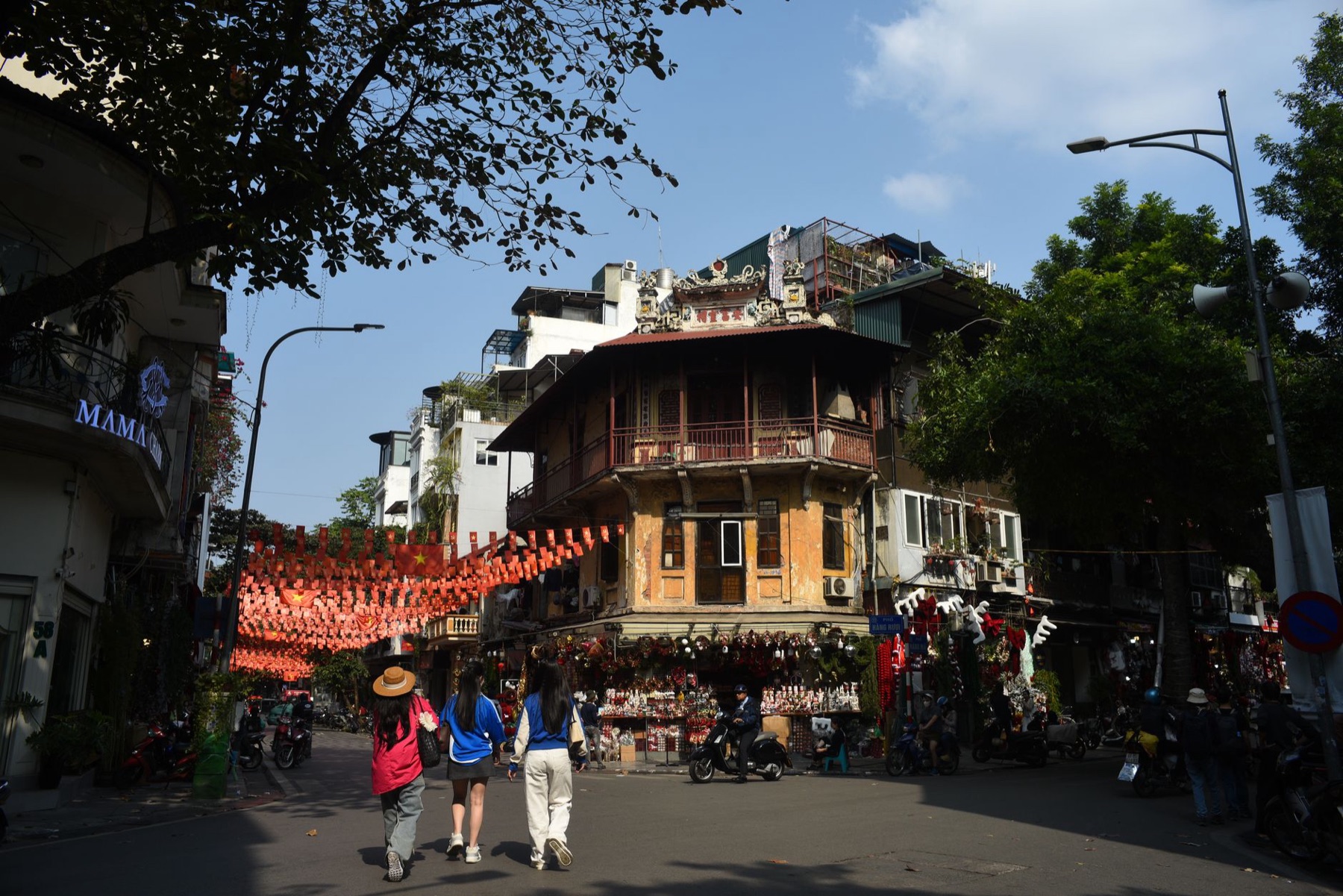
The Old Quarter (Hoan Kiem district) is dense, loud, narrow—avoid 11 a.m.–2 p.m. and 6–8 p.m. A half-day here (early morning food walk, then one temple or museum) works better than eight hours. Spend your second day in Tay Ho, Ba Dinh, or cycling to Van Phuc silk village or Duong Lam.
The Old Quarter dilemma:
- Morning 6–9 a.m.: Street food, motorbike chaos, local energy. Best time.
- Mid-day: Tourist gridlock, heat, expensive lunch prices (+30% markup).
- Evening 5–7 p.m.: Busy but authentic; hawkers set up, families eat out.
Avoid the blocks immediately around Hoan Kiem Lake's east shore—overpriced beer halls, low-quality spring rolls, touts posing as "guides."
What's the honest ranking of temples and heritage sites worth visiting?
Prioritize One Pillar Pagoda (Ba Dinh, dawn visit, around 50,000 VND / ~$2.40 entrance, queue forms by 7 a.m.), Temple of Literature (Dong Da, 30,000 VND / ~$1.45, mornings quieter), and Tran Quoc Pagoda (Tay Ho, free, best lake views). Skip Jade Island Temple if crowds exceed your patience—it's cramped and the view from Hoan Kiem Lake's eastern walk is identical and free.
| Site | Best For | Crowd Peak | Real Cost | Honest Take |
|---|---|---|---|---|
| One Pillar Pagoda | photos, history | 10 a.m.–2 p.m. | ~$2.40 | Stunning; go 6:30–7:30 a.m. |
| Temple of Literature | scholars, gardens | 9 a.m.–11 a.m. | ~$1.45 | Peaceful, rarely crowded before 8 a.m. |
| Tran Quoc Pagoda | lakeside walk, locals | 7–8 a.m. | Free | Best sunrise; bring a camera. |
| Jade Island Temple | 11 a.m.–3 p.m. | ~$0.70 | Tiny; skip if you dislike queues. |
Entrance fees include no guide. Hire one at Temple of Literature counter (around 500,000 VND / ~$24 for 2 hours, 3–4 people) only if you want history context.
What's actually worth eating versus tourist-trap food?
Street food in Hanoi is cheap—pho around 35,000–50,000 VND (~$1.70–$2.40), banh mi 25,000–40,000 VND (~$1.20–$1.95). Avoid neon-lit restaurants near Hoan Kiem Lake and asking hotel staff for "best restaurant"—you'll pay 3× normal rates.
Honest eating map:
- Ta Hien Street (Old Quarter): Lively, overpriced for tourists, locals rarely eat here after dusk anymore. Skip for evening.
- Hang Bac area (north Old Quarter): Quieter, local breakfast spots, egg coffee around 45,000 VND (~$2.20).
- Tong Duy Tan Street (near Hoan Kiem Lake, Hoan Kiem district): Barbecue (thit nuong), shared tables, locals and tourists mix fairly. No English menus; point or use phone translator.
- Gia Ngu Street (southeast Old Quarter): Fish-paste specialties, hole-in-wall, lunch only, expect plastic stools.
Street food carts near Dong Xuan Market (north Old Quarter, dawn–9 a.m.) offer pho, banh cuon (steamed rolls) at local prices—no markup. Bring small cash (under 100,000 VND notes) because few carts take cards.
Is a water puppet show worth the cost and time?
Yes—but only the Thang Long or Mua (Tay Ho) theaters, never street-side touts offering "authentic" shows in alleys. Thang Long Water Puppet Theatre (Ly Thai To Street, Hoan Kiem district, around 100,000–150,000 VND / ~$4.80–$7.20 depending on seat) runs shows five times daily. Go to the 4 p.m. or 8 p.m. performance; skip 9:30 p.m. (tourists exhausted, fewer locals).
Sessions last 50 minutes. English-language program notes are available. Sit center-back; front rows have neck strain from the low stage and water splashes.
Booking scam to avoid: Never book through your hotel unless they phone the theater directly. Many hotels sell inflated tickets (200,000+ VND / ~$9.60+). Buy at the venue or through official websites only.
How should I explore beyond Hanoi city center without getting lost?
Rent a motorbike only if you're experienced riding in Southeast Asia traffic. Most travelers hire a driver or join a group half-day tour. Cycling tours to Van Phuc silk village (10 km southwest) or Bat Trang ceramic village (15 km southeast, Gia Lam district) cost around 400,000–600,000 VND (~$19–$29) per person including bike, guide, lunch. Tours depart 8–8:30 a.m., return by 2 p.m.
Self-guided beyond-city checklist:
- Grab a local SIM or confirm your eSIM for Vietnam coverage before leaving the city.
- Pack cash: rural villages have one or two ATMs, ATM fees 20,000–50,000 VND (~$1–$2.40).
- Bring sunscreen, hat, and 1–2 liters of water per person.
- Download Google Maps offline (coverage gaps exist 10+ km from city center).
- Start by 8 a.m. to return before dark.
Van Phuc (silk weaving village, mostly tourist now but honest weavers exist) and Duong Lam (ancient houses, pagodas, quiet) are half-day options. Bat Trang (pottery) is better for half-day if you enjoy ceramics; otherwise skip.
📸 Book an ao dai photoshoot in Hanoi or Saigon (Cáo Studio)
What fits into a single day in Hanoi without rushing?
Pick one focus: either temples & lakes OR neighborhoods & food. Trying both in eight hours exhausts you.
Morning-focused day (temples & lakes):
- 6:30–7:30 a.m.: One Pillar Pagoda (arrive early, 45 minutes).
- 8–9 a.m.: Breakfast near Ba Dinh district.
- 9:30–11 a.m.: Temple of Literature (1.5 hours).
- 11:30 a.m.–1 p.m.: Tran Quoc Pagoda + Tay Ho lakeside walk.
- 1–2 p.m.: Lunch, rest.
- 3–5 p.m.: Hoan Kiem Lake walk or return to a museum (no queues 3–4 p.m.).
- Evening: Dinner, water puppet show if booked.
Food & neighborhood day (eat constantly, less rushing):
- 6–7 a.m.: Pho or banh cuon at Dong Xuan Market area.
- 7:30–9:30 a.m.: Wander north Old Quarter on foot, coffee at a local cafe.
- 9:30–11 a.m.: One small temple (optional: skip for shopping).
- 11 a.m.–12:30 p.m.: Lunch in Tong Duy Tan or Gia Ngu Street.
- 1–3 p.m.: Explore French Colonial Quarter (De Tham, Trang Tien streets) or Tay Ho neighborhood.
- 3–4 p.m.: Coffee/dessert break.
- 5–7 p.m.: Evening stroll, second dinner, explore a night market (Dong Xuan, 5–9 p.m.).
Don't skip meals to "save time"—eating is Hanoi's core activity and pacing your day around food prevents burnout.
What real scams should I watch for, and how do I avoid them?
Taxi/Grab trap: Older meters in white taxis sometimes "reset" mid-ride. Use Grab (Southeast Asia's ride-app, similar to Uber) instead—price shown upfront, no negotiation.
Cyclo (pedicab) rip-off: Drivers quote high prices in USD to tourists, then claim confusion. If you use a cyclo, negotiate and agree on price in VND before boarding. Most cost 200,000–300,000 VND (~$9.60–$14.40) per hour for sightseeing; standard rides across the city run 50,000–100,000 VND (~$2.40–$4.80).
Gem/silk shop upsell: Shopkeepers befriend you, suggest a "special" factory visit where you buy overpriced goods. Avoid.
Tour group pressure: Booking tours through street touts (especially young men offering "cheap tours") leads to inflated costs and low quality. Book direct with tour operators or your accommodation.
Restaurant double-pricing: Some venues hide menus without prices near tourist areas. Ask to see a menu with prices, or move on. Bring a translation app for safety.
What should you absolutely skip in Hanoi?
Avoid Hoan Kiem Lake's eastern shore after dark (tourist beer bars, low-quality drinks, inflated tabs). Skip indoor "traditional" performances in non-theater venues—usually mediocre and overpriced. Don't book multi-day group tours that claim to cover "all of Hanoi"—you'll spend six hours sitting, two hours actually seeing things.
Where should I stay to balance access and authenticity?
Tay Ho (northwest, quiet, lakeside cafes, 15–20 min taxi to Old Quarter): peaceful, many travelers and expats live here, good cafes, bike rentals available.
Ba Dinh (west, near temples, government district): close to One Pillar Pagoda and Temple of Literature, fewer tourist bars, local vibe.
Hoan Kiem district (city center): convenient but noisy; stay west of Hoan Kiem Lake, not east.
Avoid: De Tham Street area (backpacker strip, loud, tourist trap prices in restaurants).
When is the best time to visit Hanoi?
October–November and March–April (spring and early autumn) are ideal—mild weather, less rain, fewer tourists than December–February.
June–September: hot, humid, occasional heavy rain. Fewer international tourists but locals prefer staying indoors; restaurants and attractions get less crowded.
December–February: cool and dry but peak season—crowds, higher hotel rates, some attractions sell out for evening shows.
---
What to check before you visit
- Visa: If you need one, apply 60–90 days before via Vietnam e-visa to avoid rush fees.
- Insurance: Travel insurance covering accidents and medical evacuation is not optional in Southeast Asia.
- Mobility: Hanoi's Old Quarter has narrow alleys and uneven pavements; wheelchairs and walkers face challenges.
- Noise sensitivity: Old Quarter, Tay Ho lakefront, and French Colonial Quarter near Hoan Kiem all involve traffic and nightlife noise.
- Dietary restrictions: Vegetarian options exist but communicate clearly (use "tôi là người ăn chay" or show a card). English menus are rare outside tourist zones.
---
🎟️ Compare tours & tickets for this place
For broader Vietnam context, see our Hanoi travel guide, Ninh Binh guide (day trip from Hanoi), Ha Long Bay guide (2–3 day cruise, common add-on), and Ho Chi Minh City guide for comparison.
FAQ
How many days should I spend in Hanoi?
Three days (one old quarter + food, one temples + lakes, one beyond-city or museums + neighborhoods) balances depth with pace. Two days works if you're passing through; five+ days if you want to cycle villages and sit in cafes without rushing.
Is it safe to walk alone at night in Hanoi?
Yes, main streets and tourist areas are safe after dark. Avoid dark alleys in the Old Quarter alone, and don't carry valuables openly. Taxis and Grab are reliable after midnight; walking near Hoan Kiem Lake after 11 p.m. is fine but uneventful.
Do I need a guide for temples or can I go alone?
Temples are straightforward alone. A guide adds context (history, architecture details) but costs extra. Temple of Literature offers affordable guides at the entrance (around $24 for two hours, 3–4 people).
What's the best way to get around Hanoi without a motorbike?
Grab (app-based rides), taxis (use meter or Grab for safety), walking (Old Quarter and Tay Ho are walkable neighborhoods), and buses (cheap but confusing for tourists without Vietnamese). Rent a bicycle in Tay Ho if you're confident in traffic.
Should I take a multi-day Hanoi tour package or explore alone?
Explore alone for authentic pacing; guided tours compress too much into one day and waste time with shopping stops. Half-day cycling or beyond-city tours (Van Phuc, Bat Trang) are worth booking; full-day city tours rarely are.
What's a realistic daily budget for eating and activities in Hanoi?
Street food and attractions (temples, museums): $20–$30 per day. Mid-range restaurants, water puppet shows, and hired motorbike drivers: $40–$70 per day. Hotels separate; assume $15–$100+ depending on area and comfort.
Can I use my phone's data plan in Hanoi or should I get a local SIM?
Roaming charges are steep (check your provider). A local SIM (prepaid, around 50,000–100,000 VND / ~$2.40–$4.80 with 4G data) or Vietnam eSIM is cheaper and more reliable. Buy at airport or convenience stores (Bách Hoá Xanh chain, found throughout the city).
FAQ
How many days should I spend in Hanoi?
Three days (one old quarter + food, one temples + lakes, one beyond-city or museums + neighborhoods) balances depth with pace. Two days works if you're passing through; five+ days if you want to cycle villages and sit in cafes without rushing.
Is it safe to walk alone at night in Hanoi?
Yes, main streets and tourist areas are safe after dark. Avoid dark alleys in the Old Quarter alone, and don't carry valuables openly. Taxis and Grab are reliable after midnight; walking near Hoan Kiem Lake after 11 p.m. is fine but uneventful.
Do I need a guide for temples or can I go alone?
Temples are straightforward alone. A guide adds context (history, architecture details) but costs extra. Temple of Literature offers affordable guides at the entrance (around $24 for two hours, 3–4 people).
What's the best way to get around Hanoi without a motorbike?
Grab (app-based rides), taxis (use meter or Grab for safety), walking (Old Quarter and Tay Ho are walkable neighborhoods), and buses (cheap but confusing for tourists without Vietnamese). Rent a bicycle in Tay Ho if you're confident in traffic.
Should I take a multi-day Hanoi tour package or explore alone?
Explore alone for authentic pacing; guided tours compress too much into one day and waste time with shopping stops. Half-day cycling or beyond-city tours (Van Phuc, Bat Trang) are worth booking; full-day city tours rarely are.
What's a realistic daily budget for eating and activities in Hanoi?
Street food and attractions (temples, museums): $20–$30 per day. Mid-range restaurants, water puppet shows, and hired motorbike drivers: $40–$70 per day. Hotels separate; assume $15–$100+ depending on area and comfort.
Can I use my phone's data plan in Hanoi or should I get a local SIM?
Roaming charges are steep (check your provider). A local SIM (prepaid, around 50,000–100,000 VND / ~$2.40–$4.80 with 4G data) or [Vietnam eSIM](/vietnam/esim) is cheaper and more reliable. Buy at airport or convenience stores (Bách Hoá Xanh chain, found throughout the city).
More: Hanoi guide · Things to do in Hanoi