Hanoi · Things to do
Best Things to Do in Hanoi Vietnam 2025–2026
By Wander in Vietnam editorial team · Hanoi, Vietnam
Hanoi's charm lies in what you discover on foot—not in a tour-bus window. After moving through the capital's thick traffic, cramped alleys, and genuine hospitality, we've learned which attractions genuinely repay your time and which rely on novelty alone.
This guide covers where to spend energy, what costs in real currency (2026 rates), where scams cluster, and how to take home memories that matter.
What makes Hanoi's Old Quarter worth visiting, and what are the real pitfalls?
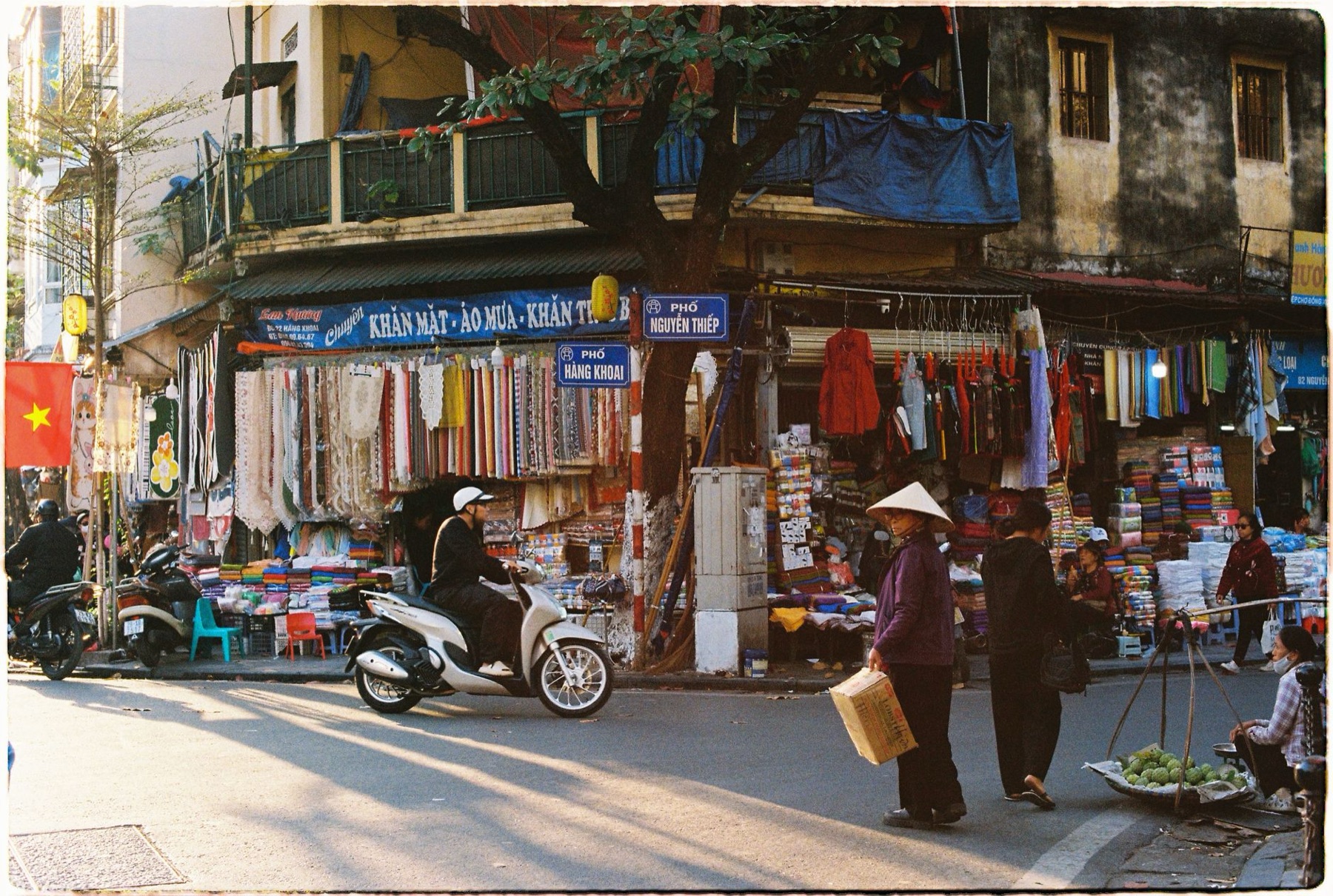
The Old Quarter (36 Pho Nho—old city) remains Hanoi's magnetic center. Streets are named by goods once sold there: Pho Hang Gai (silk), Pho Hang Ngang (tin goods), Pho Hang Dao (dye). Walking here at 7 a.m. before shops open feels like stepping into a 14th-century market.
Expect to pay around 50,000–150,000 VND ($2–6 USD) for a bowl of pho, 30,000–80,000 VND ($1.20–3.20 USD) for coffee. Tourist restaurants (rooftop bars, Western breakfasts) often charge 3× this.
Real pitfalls:
- Motorbike taxis (xe om) often overcharge tourists by 5x; use Grab app instead (around 20,000–40,000 VND per short trip, $0.80–1.60 USD).
- Silk shops near Hoan Kiem Lake rarely sell pure silk; inspect fabric weight and ask for a quality guarantee before paying.
- Night tours marketed as "local experience" are usually crowded and mediocre; street food tastes better when you eat where locals actually eat.
Skip the generic "48-hour Old Quarter tour" packages. Instead, rent a bicycle (around 50,000 VND/day, $2 USD) or walk with a printed map, stopping where you want.
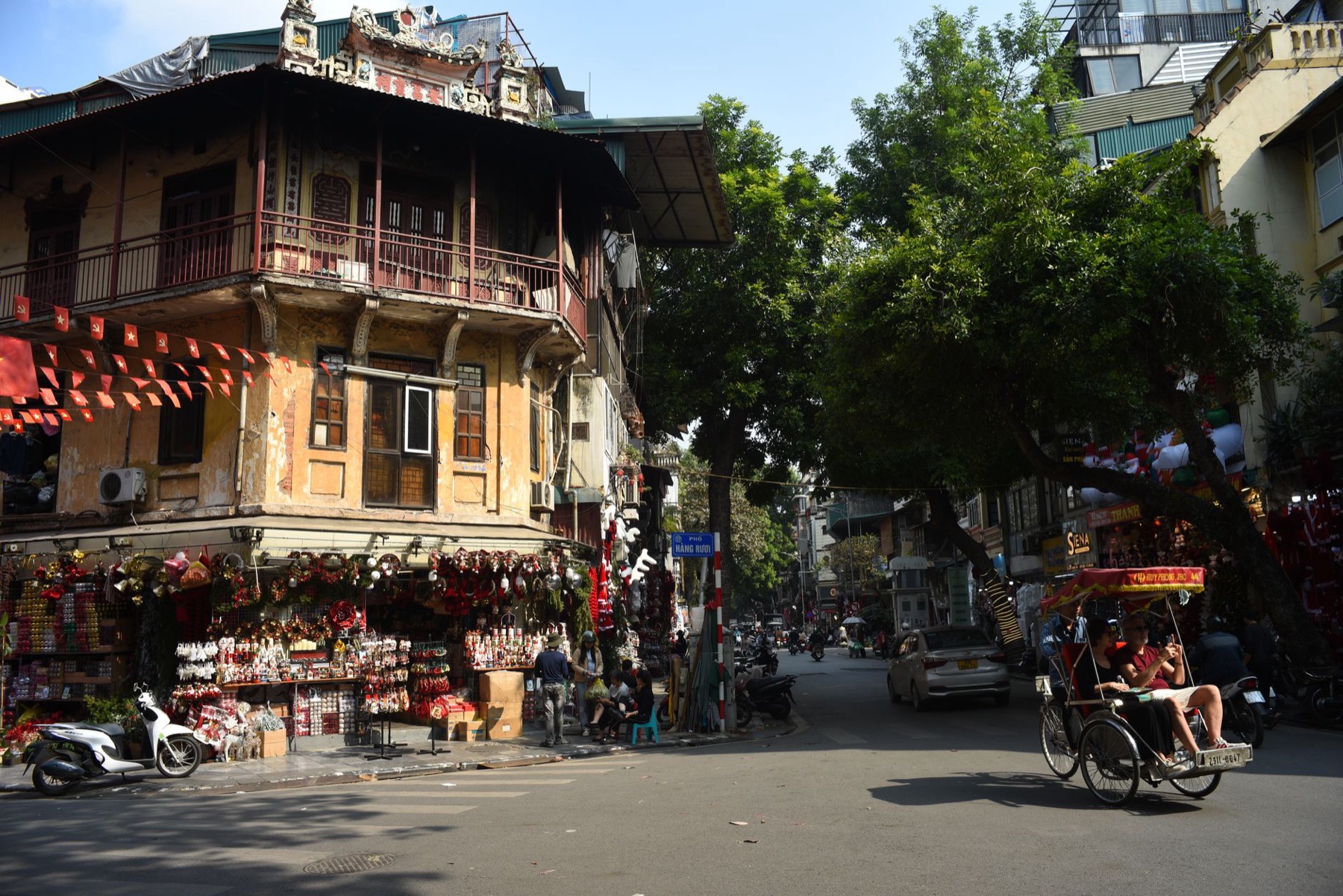
Should you visit Hoan Kiem Lake, and is it actually peaceful?
Hoan Kiem Lake (Sword Lake) is iconic and free to access, but it's crowded by 8 a.m. The 1.6 km circuit takes 30 minutes. Early morning (6–7 a.m.) shows the real scene: tai chi, exercise groups, street vendors prepping breakfast.
The Turtle Tower (Thap Rua) is a 2-minute walk from the north shore; entry is free and views are modest. Skip it if time is tight.
The honest take: Walk it once for orientation and atmosphere, not as a core attraction. Hanoi has better lakes and parks if you want quiet: Truc Bach Lake (west side, less touristy) or Tay Ho district for riverside paths.
Opposite the lake's east side, Cau Go (Wooden Bridge) Street has dense tourist shops and restaurants—prices inflated 2–3×. Eat instead in the Old Quarter proper (two blocks north/south).
🗺️ Plan your route: Vietnam itinerary
What are Hanoi's best neighborhood walks outside the Old Quarter?
Truc Bach (White Silk Lake) – Western shore, quiet cafes, young locals, sunset views. Coffee around 30,000–50,000 VND ($1.20–2 USD). No entry fee.
Ba Dinh District – Home to Ho Chi Minh Mausoleum (entry around 30,000 VND, $1.20 USD; closed Mon & Fri afternoons; strict dress code). Adjacent: Ho Chi Minh's stilt house, One Pillar Pagoda. Morning queues form by 7:30 a.m.
Dong Xuan Market – Old Quarter's largest market, real-world shopping, chaos at noon. Go 7–8 a.m. Haggle expected; don't assume first prices are real.
Hang Dau Street – Food stall alley near Dong Xuan. Bun cha (grilled pork & noodles): around 40,000–60,000 VND ($1.60–2.40 USD). Nearly all tourists miss this.
Hoan Kiem District's south side – French Quarter colonial villas (Ly Thai To, Tran Hung Dao streets). Walking only; no major attractions but atmosphere is strong.
Tay Ho (West Lake) – Leafy, upscale, long promenade. Good for a half-day if you have spare time; tourist density is lower than Old Quarter.
Walk at dawn or late afternoon (3–6 p.m.) to avoid midday heat (32–35°C / 90–95°F). Bring water, wear sunscreen, use a hat. Most walks are free.
Is water puppet theater worth the cost, and where should you book?
Water puppetry is a northern Vietnamese art form unique to Hanoi. Shows last 60–90 minutes; puppets emerge from a water tank while an orchestra plays live.
Thang Long Water Puppet Theater (Phan Dinh Phung Street, Hoan Kiem) is the main venue. Entry is around 100,000–150,000 VND ($4–6 USD); foreigner and local prices differ. Shows run 3–5 times daily; book 1–2 days ahead via their website or at the gate.
Is it worth it? Yes, once. It's genuinely Hanoi and not overproduced. The puppetry is skillful; the music is live. You'll see tourists and locals mixed. Avoid booking through hotels (markup 30–50%); buy directly.
What to know: Arrive 15 minutes early; seats near the tank (front rows) are preferred but cost the same. The performance is wordless, so no language barrier.
Skip if: You dislike crowds, have limited time, or are already overwhelmed by Hanoi's sensory load.
📸 Book an ao dai photoshoot in Hanoi or Saigon (Cáo Studio)
How do you decide between day trips to Ninh Binh, Ha Long Bay, or Sapa?
| Destination | Travel Time | Best For | Cost Range | Duration |
|---|---|---|---|---|
| Ninh Binh | 2 hrs south | Hiking, karst, quiet | $15–30 group tour | 1–2 days |
| Ha Long Bay | 2.5 hrs east | Cruise, geology, photos | $40–120 overnight | 2+ days |
| Sapa | 6 hrs NW (train/bus) | Mountain trekking, minorities | $30–80 tour | 2–3 days |
Ninh Binh – Closest and best value. Tam Coc (boat caves) and Hang Mua (mountain climb, 486 steps) are the highlights. Arrange locally (around 300,000–500,000 VND / $12–20 USD for full day) rather than through hotel resellers.
Ha Long Bay – Iconic but congested; 1,969 islands, 40% are named. Overnight cruises start around 1,200,000 VND ($48 USD) for budget options; quality varies wildly. Book via reputable platforms; several cruise operators have poor safety records. See Ha Long Bay guide.
Sapa – Hill-station, cooler climate, trekking, Hmong and Dao minority villages. Requires 6–8 hours travel; best as a 2–3 day trip. Sapa town itself is touristy; homestay treks in villages are the real draw. See Sapa guide.
Our honest take: If time is limited, do Ninh Binh as a day trip. If staying 5+ days, add Ha Long Bay. Sapa suits travelers seeking trekking and off-season quiet.
See also: Ninh Binh guide.
---
How to capture and preserve your Hanoi memories—beyond phone photos
Hanoi's chaos, light, and emotion are hard to squeeze into a souvenir, but thoughtful gifts help. Consider:
Custom ao dai portrait – Traditional dress photoshoot with professional styling, hair, and makeup. Ideal for marking a milestone trip. Professional photoshoots run $50–150 USD depending on location and package. Cáo Studio offers sessions in Hanoi and Saigon with genuine styling. See Cáo Studio Hanoi.
Handwritten travel journals or map prints – Record street names, prices, vendor names, and tasting notes. Custom star-map prints marking your arrival date or favorite moment add personalization. These preserve memory more honestly than generic postcards.
Local artist sketches or lacquerware – Hanoi's art scene is active in Trang Tien area. Lacquerware (traditionally made in nearby provinces) is durable and beautiful; verify authenticity by checking wood base and hand-painting details. Prices range 300,000–2,000,000 VND ($12–80 USD).
Silk scarves or fabrics – Buy only in established markets (Dong Xuan, Hang Dao) where volume and turnover are high; avoid silk-shop tourists traps. Real silk feels heavy and has a subtle sheen. Prices: 100,000–500,000 VND ($4–20 USD) for quality.
Coffee and spices – Hanoi's coffee culture runs deep; buy beans from cafes you actually visited or from Hang Dao street vendors. Prices: around 80,000–200,000 VND ($3.20–8 USD) per package.
We recommend gift items that tie to a real experience—a coffee bean from the cafe where you sat at dawn, a photo from an ao dai session, a sketch commissioned by a local artist—rather than generic "Vietnam" merchandise.
🎟️ Compare tours & tickets for this place
---
What to check before you book tours or buy souvenirs: an honest checklist
- Tour operators: Verify reviews on TripAdvisor and Google independently; ask for a written itinerary and cancellation policy before payment.
- Guides: English-speaking guides hired privately (ask at your hotel for referrals) often provide better context than group-tour narration. Budget 300,000–500,000 VND ($12–20 USD) per person, split among a group.
- Souvenir shops: If a price seems too low, it likely is (fake or low quality). Haggling is expected in markets; start at 60% of asking price and work up. Avoid shops within 100 m of Hoan Kiem Lake's eastern shore.
- Dining: Avoid restaurants with big menus and picture boards; eat where the line is longest and the menu is small (often handwritten).
- Currency: Use ATMs inside banks or 7-Eleven (safer than street money-changers). Credit cards work at malls and upscale restaurants but not street food stalls.
- Mobile connectivity: Buy a local SIM (around 50,000 VND, $2 USD) or eSIM before arrival. See Vietnam eSIM guide.
---
📸 Book an ao dai photoshoot in Hanoi or Saigon (Cáo Studio)
---
The bottom line: Hanoi rewards slow travel, early mornings, and willingness to eat where locals eat. The Old Quarter and Hoan Kiem Lake are unmissable for orientation, but the real city unfolds in Truc Bach's quiet cafes, Hang Dau's food stalls, and the neighborhoods where tourists rarely wander. A day trip to Ninh Binh or water puppet theater rounds out a 3–4 day visit; longer stays justify Ha Long or Sapa.
Take photos that matter—hire a professional if a moment feels significant—and buy souvenirs tied to real places you've been. Hanoi's magic is in its pace and contradictions, not its postcards.
Plan your larger Vietnam journey: Vietnam itinerary planner. Explore other regions: Ho Chi Minh City, Hoi An.
FAQ
What's the best time of year to visit Hanoi?
October–November (autumn) and March–April (spring) offer mild weather (20–25°C/68–77°F), low humidity, and less rain. Avoid July–August (hot, humid, 32–35°C/90–95°F) and January–February (cold, overcast). Lunar New Year (Jan/Feb) brings closures and crowds.
Is it safe to walk around Hanoi at night?
Central districts (Hoan Kiem, Ba Dinh) are safe; stick to lit, busy streets. Avoid solo late-night walks in quieter areas. Petty theft (bag snatching on motorbikes) happens; keep valuables secure. Use Grab for late returns; taxis are cheaper than xe om but require negotiation.
How much should I budget per day in Hanoi?
Budget traveler: 300,000–600,000 VND ($12–24 USD) for food, transport, basics. Mid-range: 1,000,000–1,500,000 VND ($40–60 USD). Costs vary by neighborhood; Old Quarter is pricier than outlying areas. Day trips cost extra.
Do I need a visa to visit Hanoi?
Most nationalities need a Vietnam visa. E-visa or airport visa are options; process takes 1–3 days online. See Vietnam e-visa guide for current requirements and fees.
What's the best way to get around Hanoi?
Grab (app-based ride-hailing) is safest and transparent; Hanoi taxis are negotiation-heavy. Motorbike rental exists but traffic is chaotic; walk or cycle for short distances in Old Quarter. Buses are cheap but crowded; English signage is minimal.
FAQ
What's the best time of year to visit Hanoi?
October–November (autumn) and March–April (spring) offer mild weather (20–25°C/68–77°F), low humidity, and less rain. Avoid July–August (hot, humid, 32–35°C/90–95°F) and January–February (cold, overcast). Lunar New Year (Jan/Feb) brings closures and crowds.
Is it safe to walk around Hanoi at night?
Central districts (Hoan Kiem, Ba Dinh) are safe; stick to lit, busy streets. Avoid solo late-night walks in quieter areas. Petty theft (bag snatching on motorbikes) happens; keep valuables secure. Use Grab for late returns; taxis are cheaper than xe om but require negotiation.
How much should I budget per day in Hanoi?
Budget traveler: 300,000–600,000 VND ($12–24 USD) for food, transport, basics. Mid-range: 1,000,000–1,500,000 VND ($40–60 USD). Costs vary by neighborhood; Old Quarter is pricier than outlying areas. Day trips cost extra.
Do I need a visa to visit Hanoi?
Most nationalities need a Vietnam visa. E-visa or airport visa are options; process takes 1–3 days online. See [Vietnam e-visa guide](/vietnam/visa) for current requirements and fees.
What's the best way to get around Hanoi?
Grab (app-based ride-hailing) is safest and transparent; Hanoi taxis are negotiation-heavy. Motorbike rental exists but traffic is chaotic; walk or cycle for short distances in Old Quarter. Buses are cheap but crowded; English signage is minimal.