Hanoi · Things to do
Best Things to Do in Hanoi Vietnam 2026: Honest Guide
By Wander in Vietnam editorial team · Hanoi, Vietnam
Hanoi divides travelers into two camps: those rushing through major sites in a day, and those who return because they stayed longer. The first group leaves disappointed; the second understands why locals call it the "City of a Thousand Years" and mean it. We've spent enough time navigating these 12 districts to separate genuine highlights from Instagram theater.
What's actually worth paying for in Hanoi?
Most tourist tickets (around 50,000–150,000 VND / $2–6 USD) cluster in Ba Dinh and Hoan Kiem districts and often feel underwhelming without context. Thang Long Water Puppet Theatre (Thang Long Theatre, on Dinh Tien Hoang Street, Hoan Kiem district) runs 50-minute shows at 9:15 AM, 3 PM, and 7:30 PM; tickets around 100,000–200,000 VND ($4–8 USD) are better value than the Museum of Ethnology if you speak basic Vietnamese or have a guide explain the mythology. The Temple of Literature (Van Mieu), in Dong Da district, opens 8 AM–5 PM; entry around 30,000 VND ($1.20 USD)—worth it only if you skip the souvenir stalls and sit in the courtyards for 20 minutes. Hoa Lo Prison (The Hanoi Hilton), now a museum, sits central; entry around 30,000 VND ($1.20 USD). Most tourists regret it; historians alone find value. Avoid the "Hanoi Old Quarter free walking tours" that end at a bar tab—free tours here often trap you into buying drinks or overpriced food. Skip the Hanoi Tower of Turtle myth; the lake itself is free and better for photos at dawn.
🗺️ Plan your route: Vietnam itinerary
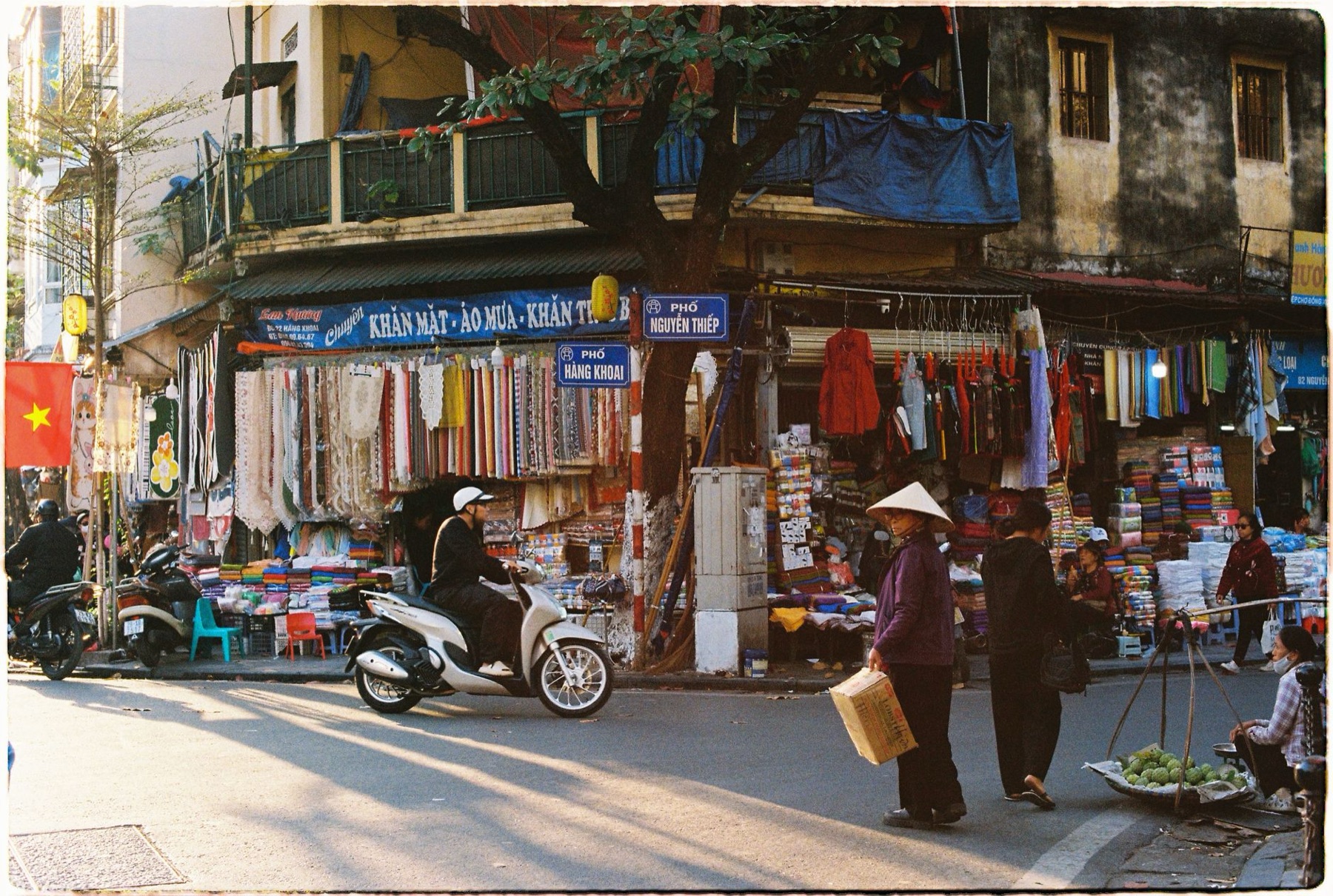
Where to eat like you live here (not like a tourist)
Old Quarter restaurants on tourist streets (Hang Buom, Ta Hien) charge 50,000–120,000 VND ($2–5 USD) for the same bowls sold 100 meters west for half the price. Real pho happens before 9 AM in lanes off Hang Dieu Street (go to unmarked stalls, plastic stools, locals only). Egg coffee—a Hanoi invention—tastes better at old-school cafés in Hoan Kiem, not the new Instagram spots charging 50,000 VND ($2 USD) when corner places charge 25,000 VND ($1 USD). Banh mi from street carts (15,000–30,000 VND / 60¢–$1.20 USD) beats any café. Dong Xuan Market (the largest covered market in Southeast Asia, in Hoan Kiem district, opening 5 AM–6 PM) has a chaotic food section upstairs—not tourist food, actual Hanoian breakfast; budget 30,000–60,000 VND ($1.20–$2.40 USD) per meal. Avoid restaurants with picture menus and staff outside calling you in; they're betting on single-visit tourists.
How to move around without overpaying
Taxis in Hanoi often run meters backward (literally). Grab (the ride-app, available iOS/Android) costs 12,000–50,000 VND ($0.50–$2 USD) for most inner-city rides; no surprises, transparent pricing. Buses run 5,000–7,000 VND (20¢–30¢ USD) per ride; routes are chaotic if you don't speak Vietnamese, but Grab Bike (motorcycle taxi, 10,000–30,000 VND / 40¢–$1.20 USD) works well for short hops. Cycling is safest on weekday mornings in Ba Dinh and Dong Da before traffic peaks. Rental bikes run 50,000–100,000 VND ($2–4 USD) per day from small shops (not branded chains); check brakes and tire pressure. Walking Hoan Kiem lake perimeter (around Hoan Kiem Lake, 4 km flat loop) takes 45 minutes and is free, best at 6–7 AM before vendors set up.
| Activity | Cost (VND / USD) | Time | Best for | Skip if |
|---|---|---|---|---|
| Thang Long Water Puppet Theatre | 100k–200k / $4–8 | 50 min | Cultural experience, evening | You don't understand plots or prefer modern theater |
| Cycling Ho Tay Lake loop | 50k rental / $2 | 2–3 hrs | Morning fitness, calm scenery | You're unfit or traffic-anxious |
| Dong Xuan Market + haggling | 30k–100k meals / $1.20–4 | 2 hrs | Real food, people-watching | You dislike crowds or don't eat organs/offal |
| Temple of Literature visit | 30k / $1.20 | 1 hr | Photo op, courtyards quiet | You're rushed or skip ticket-only sites |
| Egg coffee + walking Old Quarter | 25k–50k coffee / $1–2 | 3 hrs | Slow morning, lane exploration | You're on a tight schedule |
Neighborhoods that matter (and ones that don't)
Hoan Kiem District (the center): Old Quarter (Hoan Kiem) is the noise and chaos layer—33 narrow streets, each historically a single-trade zone (Hang Gai = silk, Hang Buom = sail-makers). Real value is morning walking, not shopping; tourist prices kick in after 10 AM. Stay here only if you love crowds; quieter areas are 500 meters west.
Ba Dinh District: Government quarter, wide French colonial streets, calmer for running/cycling. Mausoleum of Ho Chi Minh sits here (entry 0 VND / free, but lines form early); most tourists skip it after 20 minutes. Tran Quoc Pagoda, on a small island in West Lake (Tay Ho lake), is genuinely peaceful, entry free, best 7–8 AM.
Dong Da District: Temple of Literature, less touristy, better pho stalls on side streets. Hang Khay and Hang Be areas are true local neighborhoods; Western tourists rarely penetrate here.
Tay Ho District (West Lake, also called Ho Tay): Expat-heavy, newer cafés, cycling circuit, sunset walks free. Avoid peak hours (6–7 PM weekdays); early morning (6–7 AM) is beautiful and empty.
Cau Giay District: French Quarter, tree-lined streets, quiet bookshops, fewer tourists. Best for walking and finding old villas repurposed as cafés.
Neighborhoods to skip: Pham Ngu Lao is Saigon (Ho Chi Minh City), not Hanoi; don't confuse them. New urban zones (Ciputra, Times City) have malls and nothing irreplaceable.
📸 Book an ao dai photoshoot in Hanoi or Saigon (Cáo Studio)
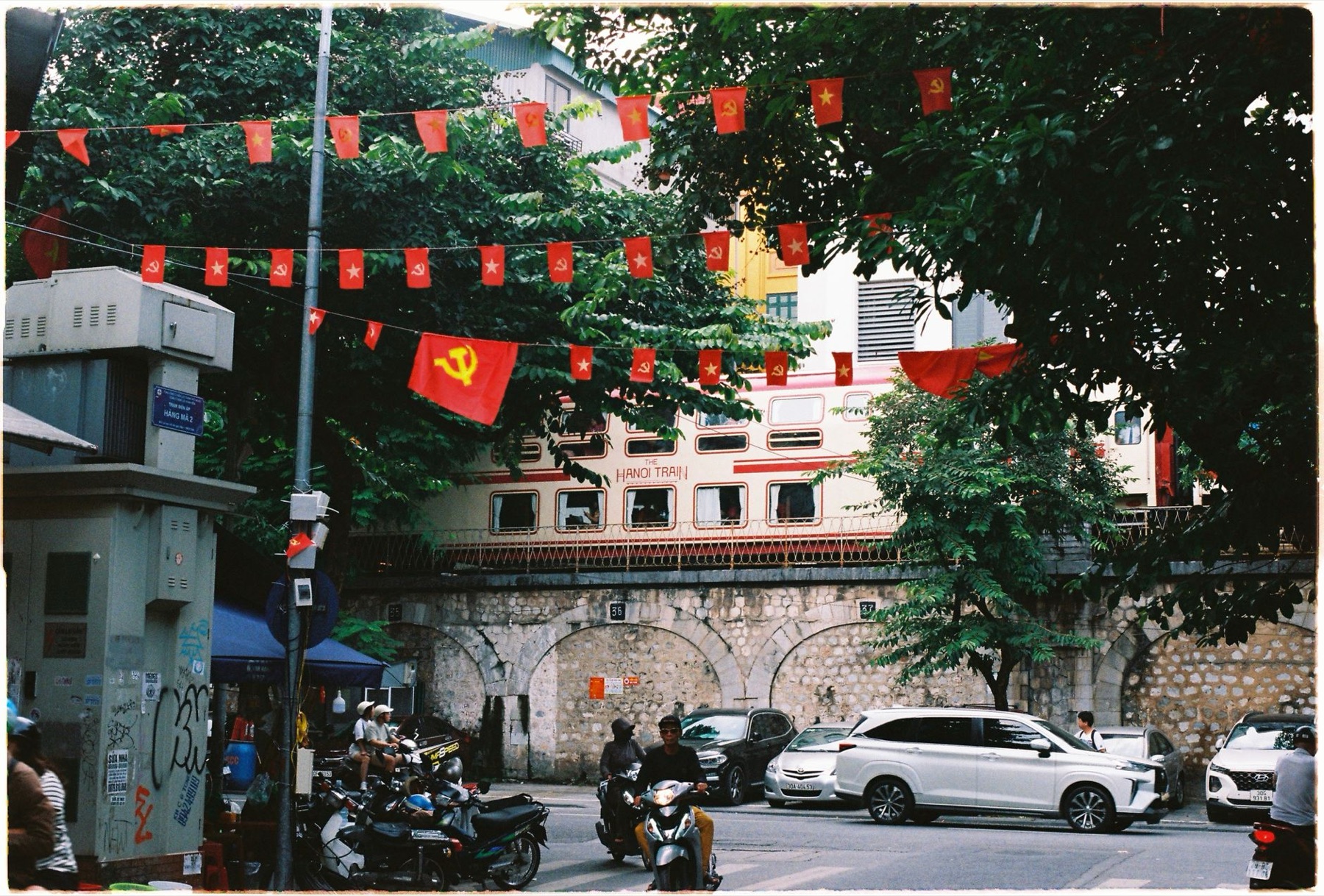
What to pack and book before you arrive
Connectivity: A Vietnam eSIM ($5–15 for 7 days) beats renting SIM cards at the airport; data is fast, plans are clear. Get it before landing so Grab and Google Maps work immediately.
Visa: If you're from the US, UK, Australia, or EU, check visa requirements—most get 90-day exemptions or need e-visas (around $25 USD, 24-hour processing). Don't overpay agents asking $50.
Gifts to send home: Hanoi's traditional crafts (silk scarves, lacquerware, ceramics) are best bought in Bat Trang ceramics village (30 km southeast, day trip), not Old Quarter tourist shops. For meaningful keepsakes, consider personalized gift collections that capture your trip—engraved items, star map prints of Hanoi's night sky—and ship home free over a certain threshold to US/UK/Australia/EU addresses in 5–10 days.
Timing: October–November (autumn) and March–April (spring) are ideal—dry, warm, 20–25°C. December–February is mild but crowded. May–September is hot and monsoon-prone; avoid June–July.
Ao dai photoshoot: If you want a professional shot in traditional Vietnamese dress, book Cáo Studio for an ao dai photoshoot in Hanoi; they provide authentic pieces, professional makeup, and deliver edited photos within a week. It's a keepsake that beats any souvenir.
Flower delivery: Staying longer or celebrating with someone? Hoa Lang Thang delivers fresh flowers same-day in Hanoi; local blooms and arrangements cost 200,000–800,000 VND ($8–30 USD).
Real scams to avoid (and how to sidestep them)
The cyclo driver con: Cyclos (three-wheeled taxis) quote huge fares to tourists ("50 dollars"), then claim no money was agreed. Use Grab Bike instead; it's safer, cheaper, and tracked.
The fake monastery: Someone will approach you in Old Quarter offering to take you to a "hidden temple" and "help with donations." They pocket 80% of what you give. Real temples don't recruit tourists this way.
The gem shop trap: Don't let anyone (even a "guide") direct you to a gem shop promising to buy gems on your behalf and mail them to your home country. It's a setup; you'll overpay or receive fake stones. Avoid entirely.
Overpriced tours: Group tours booked on the street ($8–15/person for half-day) often include restaurant kickbacks, visits to souvenir shops, and low-quality guides. Book direct with Thang Long Theatre or cycle/walk independently instead.
Fake hotel bookings: Use only Booking.com, Agoda, or the hotel's official website. Don't reply to unsolicited emails offering "special rates"—they're phishing.
---
🎟️ Compare tours & tickets for this place
What to check before you book or buy
- Timing of sites: Many temples close 11 AM–2 PM for lunch. Check exact hours before arriving; online hours are often wrong.
- Physical fitness: Cycling around Ho Tay is flat; walking Old Quarter lanes involves uneven pavements and heat. Bring water and wear good shoes.
- Language: English is rare outside tourist areas. Grab app and Google Translate (offline download maps) are essential.
- Haggling currency: Markets accept VND only; no cards. Withdraw 500,000–1,000,000 VND ($20–40 USD) to avoid ATM fees.
- Photography ethics: Don't photograph locals without permission; it's rude and tourists have been confronted for it.
- Gift authenticity: If buying silk or ceramics, verify at the workshop (Bat Trang for pottery, Van Phuc for silk) rather than middleman shops; prices drop 40–60%.
---
For longer trips, we recommend combining Hanoi with Ha Long Bay (3–5 hours by car), Ninh Binh (2 hours), or Sapa (5 hours) for mountain contrast. Check our Hanoi guide for deeper neighborhood maps and detailed restaurant lists. Plan a full Vietnam itinerary if you're staying 2+ weeks and want to add Ho Chi Minh City, Hoi An, or other regions.
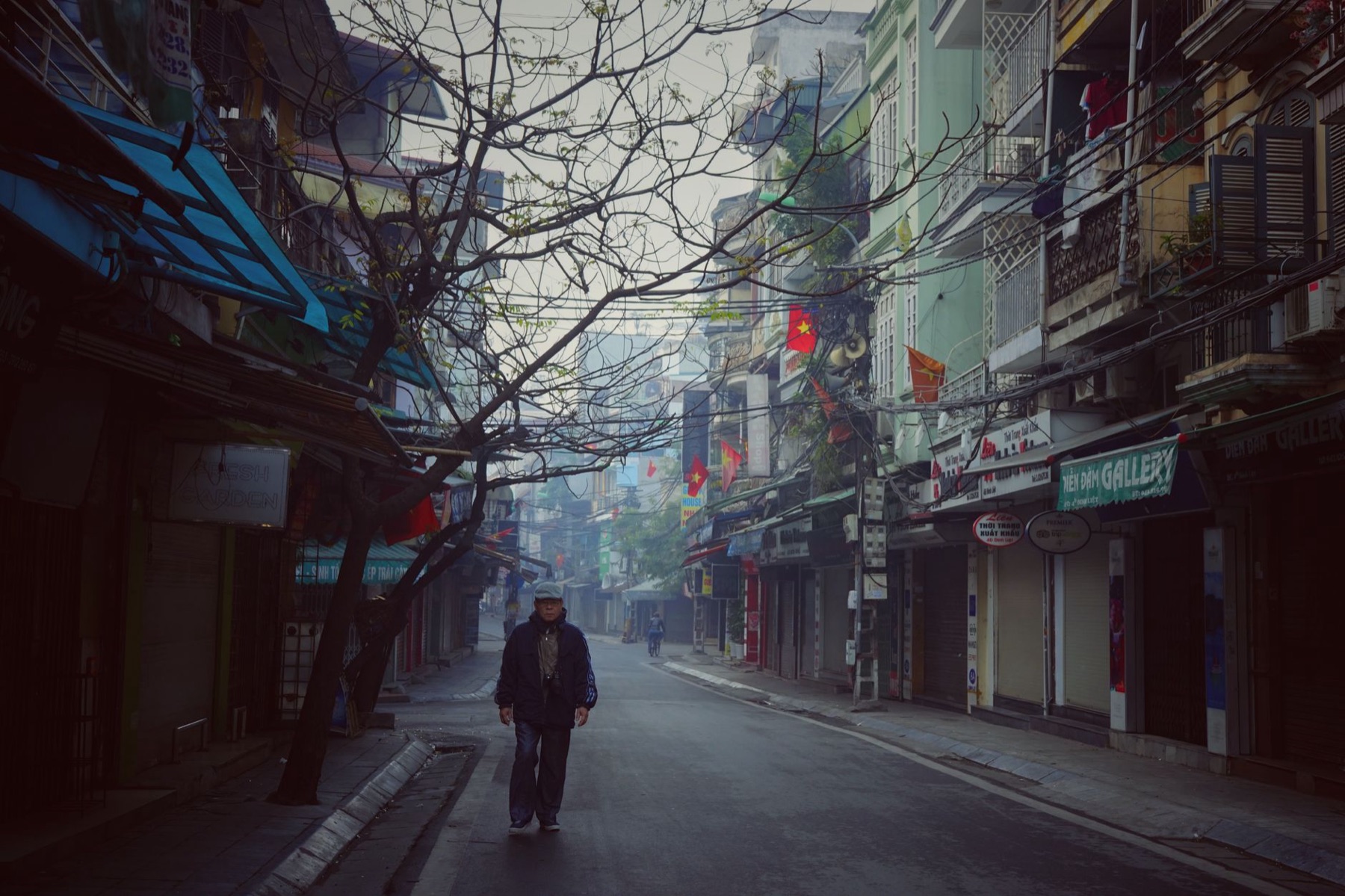
The best day in Hanoi isn't booked; it's walked. Start early, get lost deliberately, eat where locals queue, and skip the site with the longest tourist line.
FAQ
Is Hanoi safe for solo travelers?
Yes, Hanoi is generally safe; petty theft and taxi overcharging are the main risks, not violent crime. Use Grab, avoid dark alleys after midnight, and keep valuables in a money belt. Women travelers report normal street attention; it's harmless but persistent.
How long should I spend in Hanoi?
3–4 days minimum to explore neighborhoods and eat properly. Two days feels rushed and leads to frustration. A week allows deeper dives into day trips and café culture without burning out.
Can I visit Hanoi year-round?
Yes, but Oct–Nov and Mar–Apr are ideal (25°C, dry). May–Sep is hot and humid; Dec–Feb is cool and crowded. Avoid June–July (monsoon). There's no "bad" season for Hanoi, only uncomfortable ones.
What's the real cost of a day in Hanoi?
Budget 200,000–400,000 VND ($8–16 USD) if you eat street food, use Grab, and skip paid sites. Add 100,000–200,000 VND ($4–8 USD) per ticket if you visit museums. Midrange travelers spend 600,000–1,000,000 VND ($24–40 USD) daily on comfortable cafés and transport.
Do I need a guide in Hanoi?
No. Walk with a map app, use Grab, and eat where you see crowds. A guide adds value only if you speak no Vietnamese and want historical context; expect 800,000–2,000,000 VND ($30–80 USD) per day. Solo walking is safer and cheaper.
What's the best souvenir from Hanoi?
Skip trinkets in Old Quarter. Buy ceramics direct from Bat Trang pottery village, silk scarves from Van Phuc silk workshops, or coffee (Trung Nguyen or smaller roasters). Alternatively, order a personalized keepsake before you leave and ship it home—it's more meaningful than airport souvenirs.
FAQ
Is Hanoi safe for solo travelers?
Yes, Hanoi is generally safe; petty theft and taxi overcharging are the main risks, not violent crime. Use Grab, avoid dark alleys after midnight, and keep valuables in a money belt. Women travelers report normal street attention; it's harmless but persistent.
How long should I spend in Hanoi?
3–4 days minimum to explore neighborhoods and eat properly. Two days feels rushed and leads to frustration. A week allows deeper dives into day trips and café culture without burning out.
Can I visit Hanoi year-round?
Yes, but Oct–Nov and Mar–Apr are ideal (25°C, dry). May–Sep is hot and humid; Dec–Feb is cool and crowded. Avoid June–July (monsoon). There's no "bad" season for Hanoi, only uncomfortable ones.
What's the real cost of a day in Hanoi?
Budget 200,000–400,000 VND ($8–16 USD) if you eat street food, use Grab, and skip paid sites. Add 100,000–200,000 VND ($4–8 USD) per ticket if you visit museums. Midrange travelers spend 600,000–1,000,000 VND ($24–40 USD) daily on comfortable cafés and transport.
Do I need a guide in Hanoi?
No. Walk with a map app, use Grab, and eat where you see crowds. A guide adds value only if you speak no Vietnamese and want historical context; expect 800,000–2,000,000 VND ($30–80 USD) per day. Solo walking is safer and cheaper.
What's the best souvenir from Hanoi?
Skip trinkets in Old Quarter. Buy ceramics direct from Bat Trang pottery village, silk scarves from Van Phuc silk workshops, or coffee (Trung Nguyen or smaller roasters). Alternatively, order a [personalized keepsake](/collections) before you leave and ship it home—it's more meaningful than airport souvenirs.