Hanoi · Things to do
Best Things to Do in Hanoi Vietnam: Honest Local Guide 2026
By Wander in Vietnam editorial team · Hanoi, Vietnam
Best things to do in Hanoi include exploring the Old Quarter's narrow lanes, visiting Ho Tay (West Lake) by bicycle, watching water puppet theater, tasting street food in Hang Be market, and touring the Ho Chi Minh Mausoleum complex. Hanoi rewards visitors who venture beyond postcard backdrops.
The capital's real magic lies not in ticking boxes but in rhythm: morning tai chi on lakeside paths, afternoon cyclo rides through French-colonial avenues, evening street-food crawls in working-class neighborhoods. This guide separates overrated Instagram spots from genuine, layered experiences—and tells you what actually matters.
What's really worth your time in Hanoi's Old Quarter?
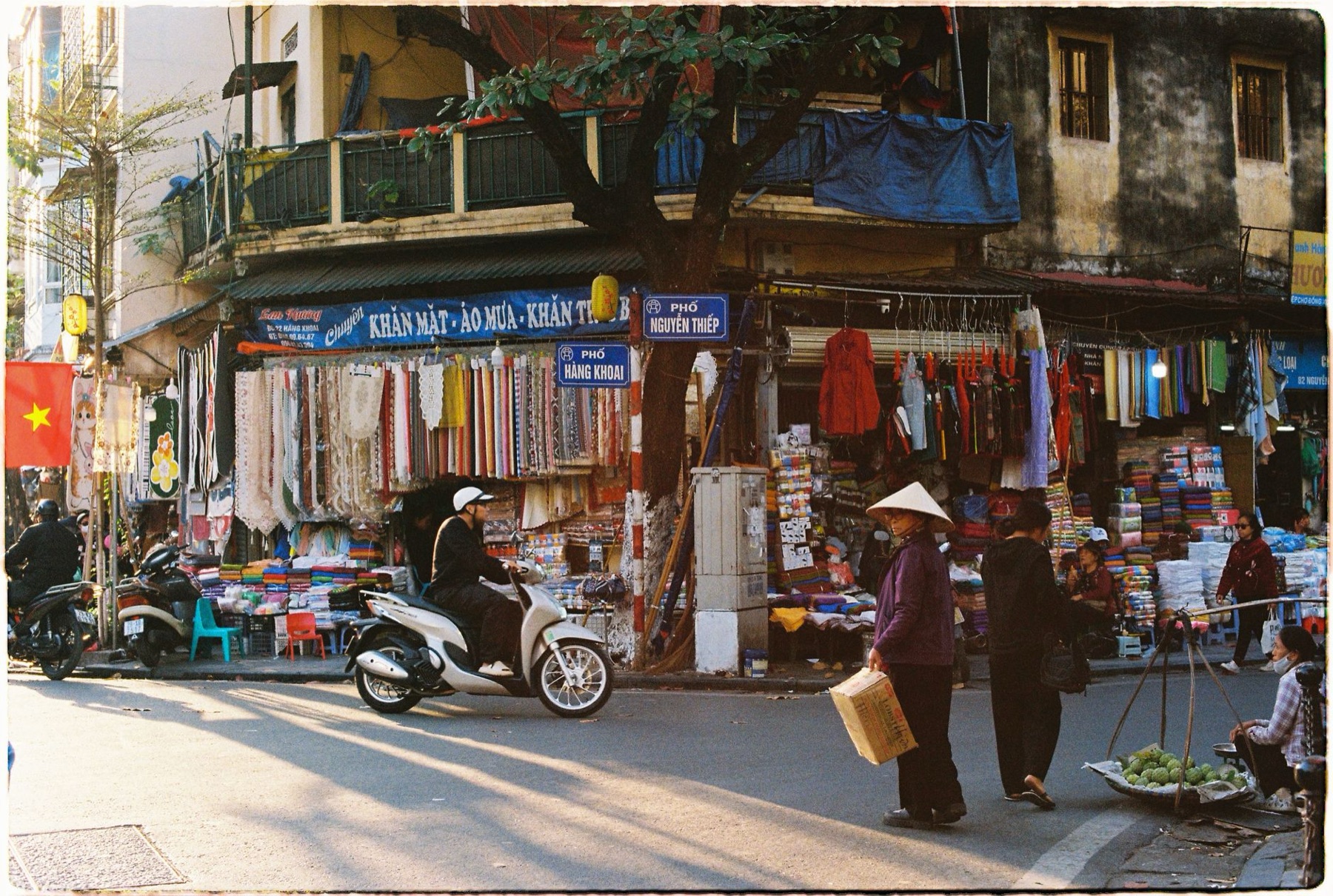
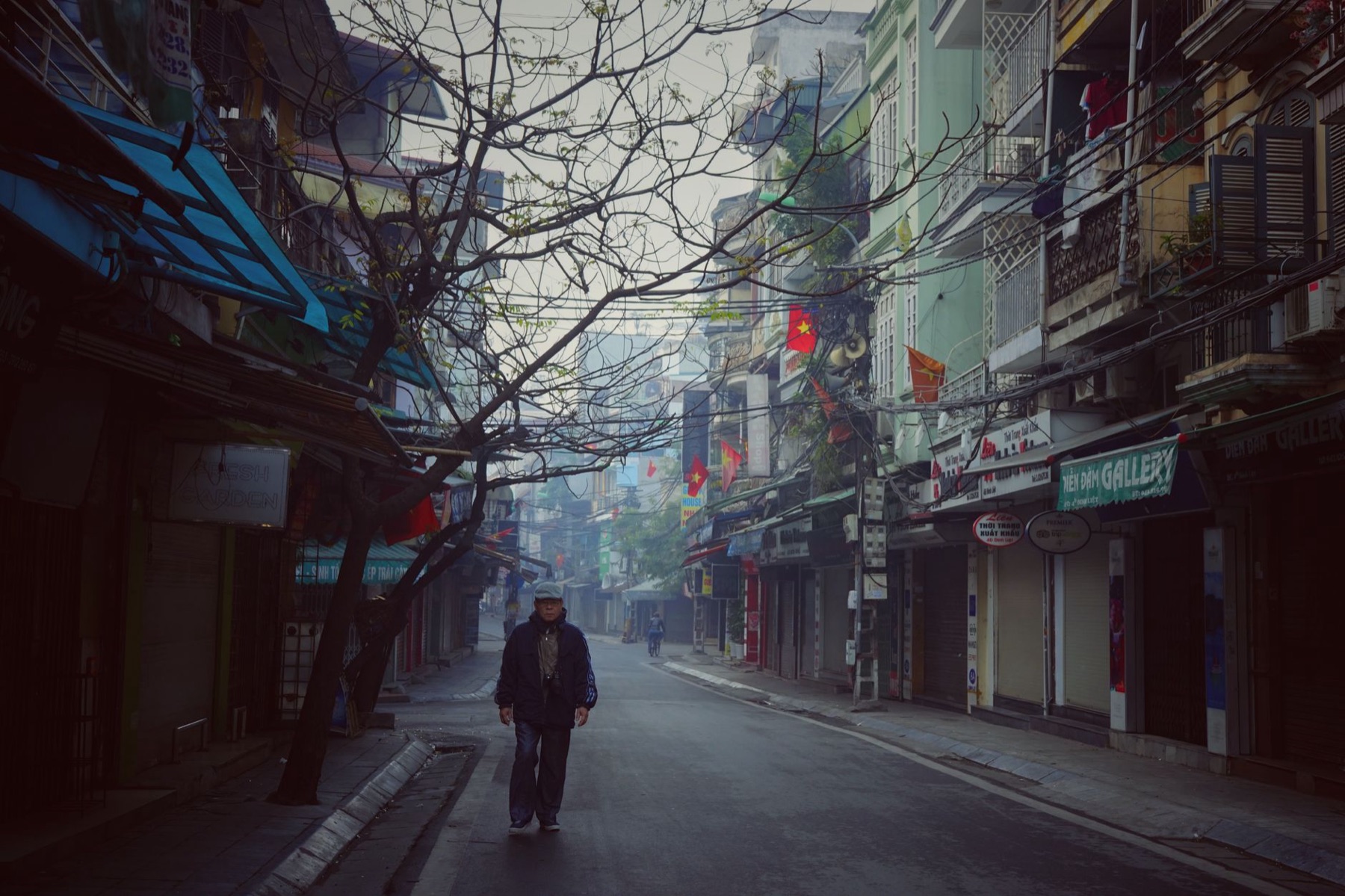
The Old Quarter (Hoàn Kiếm district's 36 Streets) sprawls over roughly 1 km². Each street historically sold one commodity: Silver Street, Silk Street, Shoe Street. Today it's chaos—motorbikes, hawkers, tourists—but the texture is real. Go at 6–7am on a weekday: you'll see old men playing xiangqi (chess), street-food vendors prepping carts, schoolchildren on bicycles. By 10am, tour groups clog the lanes.
What to actually do:
- Walk Hang Dao (Silk Street) and Hang Bac (Silver Street) early; ignore "jade shops" and overpriced souvenir stalls.
- Stop at a corner bánh mì stand (around 25,000–35,000 VND / $1–1.40 USD) for breakfast—no English menu, no tourists, real life.
- Duck into Hang Bong (Glass Street) to watch artisans still making glass lanterns; it's narrower, quieter.
- Skip Hang Buom (Paper Street); it's entirely tourist-facing now.
The Old Quarter works best as a walk-through—not a "destination"—on your way to somewhere else. Spend 1.5 hours max, then move on. Staying overnight here is loud and overpriced; stay in Ba Dinh (western district) and visit.
Is Ho Tay (West Lake) overrated, or genuinely worth a half-day?
Ho Tay is Hanoi's largest freshwater lake. Locals cycle here, joggers run the perimeter (roughly 15 km), and it has real neighborhood texture. But "West Lake day trips" sold in hostels are often filler: a boat tour to a temple, lunch at a tourist restaurant, home.
How to do it properly:
- Rent a bicycle (around 40,000–60,000 VND / $1.60–2.40 USD per day) from a hotel or local shop in Ba Dinh and ride the western shore at dawn. Stop at coffee stalls where locals sit; no English spoken. The air is cool, the light is soft.
- Visit Tran Quoc Pagoda (northwest corner of the lake, entry free; donations welcome) around 7am. It's one of Hanoi's oldest temples (6th century) and genuinely peaceful before crowds.
- Lunch at a local pho stand near the lake edge (around 35,000–50,000 VND / $1.40–2 USD), not a named restaurant.
- Skip "sunset boat tours"—they're touristy and the lake at sunset is best seen from the shore on a bicycle.
West Lake works as a breathing space, not a checkbox. If you have 4+ days in Hanoi, half a day here clears your head. If you have 2 days, skip it for Old Quarter + museums.
🗺️ Plan your route: Vietnam itinerary
Why is water puppet theater still worth seeing, and how do you avoid the tourist version?
Water puppetry (múa rối nước) is a 1,000-year-old Northern Vietnamese art form—puppets move across a water surface while puppeteers hidden behind a screen operate them. It's visually striking and culturally real, not a kitsch gimmick like some Southeast Asian "cultural shows."
Two venues operate regularly:
- Thang Long Water Puppet Theatre (Ba Dinh district): The main, established house. Tickets around 100,000–150,000 VND ($4–6 USD) for mixed-quality seats. Performances typically 8:30pm and 9:30pm. Book ahead; it fills up.
- Smaller temple or community halls occasionally host puppet shows; ask your hotel or check local event boards.
Real talk: Even at the main theater, you're watching a live performance, not a recording. Quality varies. Some puppeteers are technically brilliant; others are less so. The experience—live music, water reflections, the absurdity of a wooden duck quacking in real time—is the point. Don't expect Broadway production value; expect something handmade and alive.
Avoid: Hostels that bundle "water puppet + dinner" packages. The dinner is mediocre and expensive; see the show, then eat where locals eat.
Where do locals actually eat, and what do you order?
Street food in Hanoi is not performance art for tourists. It's how people feed themselves cheaply and quickly. The real food neighborhoods are:
- Hang Be Market (Old Quarter, morning): Bowls of crab paste with herbs (mắm cua), sold by weight. Around 80,000–100,000 VND ($3.20–4 USD) per kilo. Served with fresh vegetables. Order by pointing or saying "một phần" (one portion).
- Nguyen Hue area (Ba Dinh, early morning): Bánh cuốn (steamed rice-paper rolls with pork and mushroom filling). Around 20,000–30,000 VND ($0.80–1.20 USD) per order. Eat standing at a plastic stool.
- Alley off Tran Hung Dao (near Hoan Kiem Lake, evenings): Bánh tôm (shrimp and sweet potato fritters), fried on the spot. Around 30,000–40,000 VND ($1.20–1.60 USD) per order.
- Lane behind Hoan Kiem Lake's eastern shore (late afternoon–evening): Grilled snails (ốc), escargot-style, sold by the bowl. Around 40,000–60,000 VND ($1.60–2.40 USD). Sip the broth; dig snails out with a pin.
The decision framework:
- Is there a queue of local workers? Eat there.
- Is there an English menu and inflated prices? Skip it.
- Can you see the food being made? Even better—hygiene and flavor both improve with visibility.
Do not eat at food stalls in heavy-tourist areas after dark unless someone local vouches for it. Most are fine; some are priced for tourists who won't return. Stick to morning and early-evening crowds.
📸 Book an ao dai photoshoot in Hanoi or Saigon (Cáo Studio)
Which museums and historical sites actually justify your time?
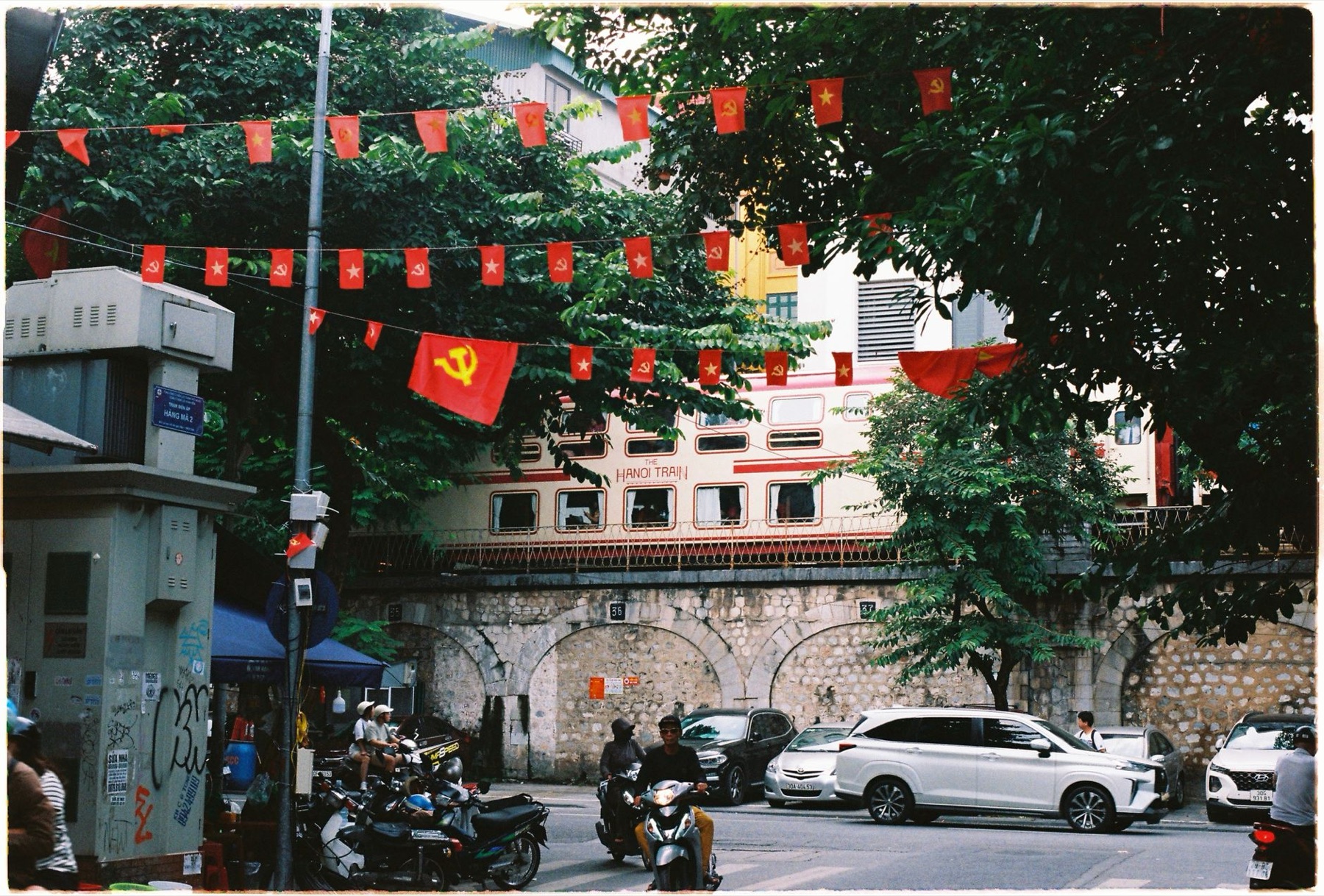
Hanoi has a lot of museums. Many are poorly maintained or repetitive. Here's the honest ranking:
| Site | Why it matters | How long | Crowd level | Entry cost (approx.) |
|---|---|---|---|---|
| Ho Chi Minh Mausoleum complex | Architectural + political anchor; free grounds, queues in hot sun | 1–2 hours | Very high (mornings worse) | Free entry, donations common |
| Vietnam National Museum of History | Solid chronology from prehistory to 1954; clear labeling | 1.5–2 hours | Medium | Around 40,000 VND ($1.60 USD) |
| Hanoi Citadel (Thang Long) | 1,000-year fortress core; partly excavated; French influence visible | 1.5–2 hours | Low to medium | Around 30,000 VND ($1.20 USD) |
| Hoa Lo Prison | Dark history (French colonial, then US war); sobering and real | 1 hour | Medium | Around 30,000 VND ($1.20 USD) |
| Temple of Literature | 1st university (1070); peaceful grounds; good for photos | 1–1.5 hours | Medium to high | Around 30,000 VND ($1.20 USD) |
| One Pillar Pagoda | Iconic but tiny; more of a stop than a destination | 15–20 min | Medium | Free entry |
Best strategy: Combine Ho Chi Minh Mausoleum complex (morning, go early to beat queues) + Hanoi Citadel (adjacent or nearby) + lunch + Temple of Literature (afternoon). Skip the National Museum unless you're deep into history. One Pillar Pagoda is a photo stop, not a sit-down experience.
Visit the Mausoleum before 9am. Security is tight; wear long pants and closed shoes. No photography inside.
What are the real scams and practical traps to avoid?
Motorbike taxis (Grab, Xanh SM app):
- Use app-based services only (Grab, Xanh SM). Avoid unmarked taxis or drivers offering rides on the street.
- App fares are transparent. Street deals are negotiable—and negotiated against you.
- Cost: App rides typically 30,000–80,000 VND ($1.20–3.20 USD) for short inner-city trips.
Overpriced tours and "guide" offers:
- Avoid touts offering "cheap tours" on the street, especially in the Old Quarter.
- Book tours through your hotel or a reputable online platform if you want a guide.
- Solo walking (with a map app offline) is often better and cheaper.
Jade and souvenir shops:
- Do not buy jade, "antiques," or expensive souvenirs from shops that find you; they find you because tourists overpay.
- Real artisan items exist; buy them in markets (Hang Be, Dong Xuan) where prices reflect actual value, or at craft cooperatives (ask your hotel).
Street food hygiene:
- Eat at busy stalls with high turnover; food is fresh.
- Avoid stalls with food sitting out in hot weather for hours.
- Drink bottled water or ask for hot tea; ice can be questionable.
Bicycle rentals:
- Rent from your hotel or a known shop (not a random stand).
- Check brakes, tires, and locks before riding.
- Cost: 40,000–80,000 VND ($1.60–3.20 USD) per day depending on bike quality.
---
What to check before you buy (or book)
- Dates & hours: Museums and temples often close 1–2 days per week; check ahead online or ask your hotel.
- Entry requirements: The Mausoleum has strict dress codes; Temple of Literature sometimes hosts ceremonies when tourists are restricted.
- Booking: Water puppet theater fills up in peak season (Oct–Mar); book 1–2 days ahead.
- Transport: Download the Grab or Xanh SM app; SIM cards with data are around 50,000–100,000 VND ($2–4 USD) at the airport or local shops.
🎟️ Compare tours & tickets for this place
---
A stay in Hanoi is best measured not by attractions "conquered" but by rhythms absorbed. Wake early, walk, eat, sit at a lake-side cafe with an iced coffee. The museums and temples are real; so are the plastic stools and street vendors. Do both, ignore the script, and you'll understand why Hanoians don't leave.
Related guides:
- Hanoi travel guide: Neighborhoods, transportation, accommodation tips.
- Vietnam itinerary planner: Map multi-city routes (Hanoi + Hoi An + Ho Chi Minh City).
- Ha Long Bay day trips: Combine with Hanoi in a 5–7 day loop.
- Ninh Binh limestone landscape: 2–3 hours south of Hanoi; easier than Ha Long.
- Sapa trekking: Mountain escape; 6+ hours by bus but worth it.
FAQ
How many days should I spend in Hanoi?
2–3 days minimum: one for Old Quarter and museums, one for lakes and pagodas, one (optional) for day trips or breathing room. Fewer than 2 days feels rushed; more than 4 is overkill unless you're a historian or food obsessive.
Is Hanoi safe for solo travelers?
Yes. Petty theft (bag snatching on motorbikes) and tourist scams exist but are avoidable with basic caution: keep bags zipped, avoid crowds late at night, use registered transport. Violent crime against tourists is rare.
What's the best time to visit Hanoi?
October–November and March–April: cool, dry, clear light. December–February is cold (10–15°C / 50–59°F) but dry and beautiful. May–September is hot and humid; avoid if possible. July–August can be oppressively hot.
Do I need a guide in Hanoi?
No, unless you want deep history or local perspectives. Maps, app navigation, and hotel recommendations work fine for general touring. A guide adds value if you're interested in architecture, politics, or food anthropology.
What should I bring to Hanoi?
Light, breathable clothes; closed shoes (for temples and formal sites); a reusable water bottle; sunscreen; offline maps; a universal power adapter. Hanoi is modern enough that you can buy most things, but prices are higher than at home.
FAQ
How many days should I spend in Hanoi?
2–3 days minimum: one for Old Quarter and museums, one for lakes and pagodas, one (optional) for day trips or breathing room. Fewer than 2 days feels rushed; more than 4 is overkill unless you're a historian or food obsessive.
Is Hanoi safe for solo travelers?
Yes. Petty theft (bag snatching on motorbikes) and tourist scams exist but are avoidable with basic caution: keep bags zipped, avoid crowds late at night, use registered transport. Violent crime against tourists is rare.
What's the best time to visit Hanoi?
October–November and March–April: cool, dry, clear light. December–February is cold (10–15°C / 50–59°F) but dry and beautiful. May–September is hot and humid; avoid if possible. July–August can be oppressively hot.
Do I need a guide in Hanoi?
No, unless you want deep history or local perspectives. Maps, app navigation, and hotel recommendations work fine for general touring. A guide adds value if you're interested in architecture, politics, or food anthropology.
What should I bring to Hanoi?
Light, breathable clothes; closed shoes (for temples and formal sites); a reusable water bottle; sunscreen; offline maps; a universal power adapter. Hanoi is modern enough that you can buy most things, but prices are higher than at home.
More: Hanoi guide · Things to do in Hanoi