Ho Chi Minh City · Things to do
Best Things to Do in Ho Chi Minh City 2025: Local Guide
By Wander in Vietnam editorial team · Hanoi, Vietnam
The best things to do in Ho Chi Minh City balance history, food, and neighborhood exploration. War Remnants Museum and Ben Thanh Market anchor District 1; street food tours in Districts 3 and 5 beat restaurants; local temple visits and riverside walks in Thu Thiem reveal the city's real pace. Skip overpriced rooftop bars; invest time instead in Mekong Delta day trips or cyclo rides through back alleys. We recommend mixing planned sites with spontaneous wandering—that's where authentic Ho Chi Minh City happens.
Which Museums and War Sites Are Worth the Time?
War Remnants Museum (Bao Tang Chung Tich Chien Tranh) in District 1 is not optional—it's the only place to understand Vietnam's 20th-century reality. Entrance costs around 40,000 VND (~$1.60 USD). Go early (before 9 a.m.) to avoid tour groups. The Reunification Palace (Dien Tien Tich) next door is historically important but the interior tour feels rushed; many visitors skip it. If you want deeper war history, cycle or taxi to Cu Chi Tunnels (around 70 km north in Cu Chi District); the half-day trip costs roughly 400,000–600,000 VND (~$16–24 USD) with a guide and is genuinely unsettling and educational. Skip the fake tourist-trap tunnel sections; book through a reputable operator like a hotel concierge, not street touts.
What's the Real Street Food Scene (Not Restaurant Menus)?
Ben Thanh Market (Cho Ben Thanh) in District 1 is the arrival point, not the best eating—it's loud, crowded, and tourist-inflated. Real street food lives in District 3 (Dong Khoi area) and District 5 (Cho Lon, Chinatown). Walk Nguyen Trai Street at dawn for pho from family-run stalls (around 35,000–50,000 VND / $1.40–2 USD per bowl). Bánh mì Pate on a corner in District 3 costs 25,000–40,000 VND (~$1–1.60 USD). Com tam (broken-rice) with grilled pork at standing-room-only shops in District 5 is 30,000–45,000 VND (~$1.20–1.80 USD). Join a street-food walking tour (around 600,000–900,000 VND / $24–36 USD for 3–4 hours) only if you want context and translation; otherwise, wander alone with Google Translate and order by pointing. Avoid anything kept hot in a plastic case for hours; eat where turnover is fast.
How Do Local Neighborhoods Compare for Exploring?
| Neighborhood | Best For | Vibe | Transport | Time to Spend |
|---|---|---|---|---|
| District 1 (Dong Khoi) | History, backpacker hub | Touristy, smooth | Metro/taxi | Half-day |
| District 3 | Street food, local cafes | Residential, lively | Cyclo/walk | Full day |
| District 5 (Cho Lon) | Chinese temples, wet market | Authentic, maze-like | Taxi/cyclo | 4–5 hours |
| Thu Thiem | Modern vibe, riverside walks | Trendy, quieter | Bike/walk | 2–3 hours |
| District 7 (Phu My Hung) | Expat cafes, parks | Calm, spread out | Car/Grab | 2 hours |
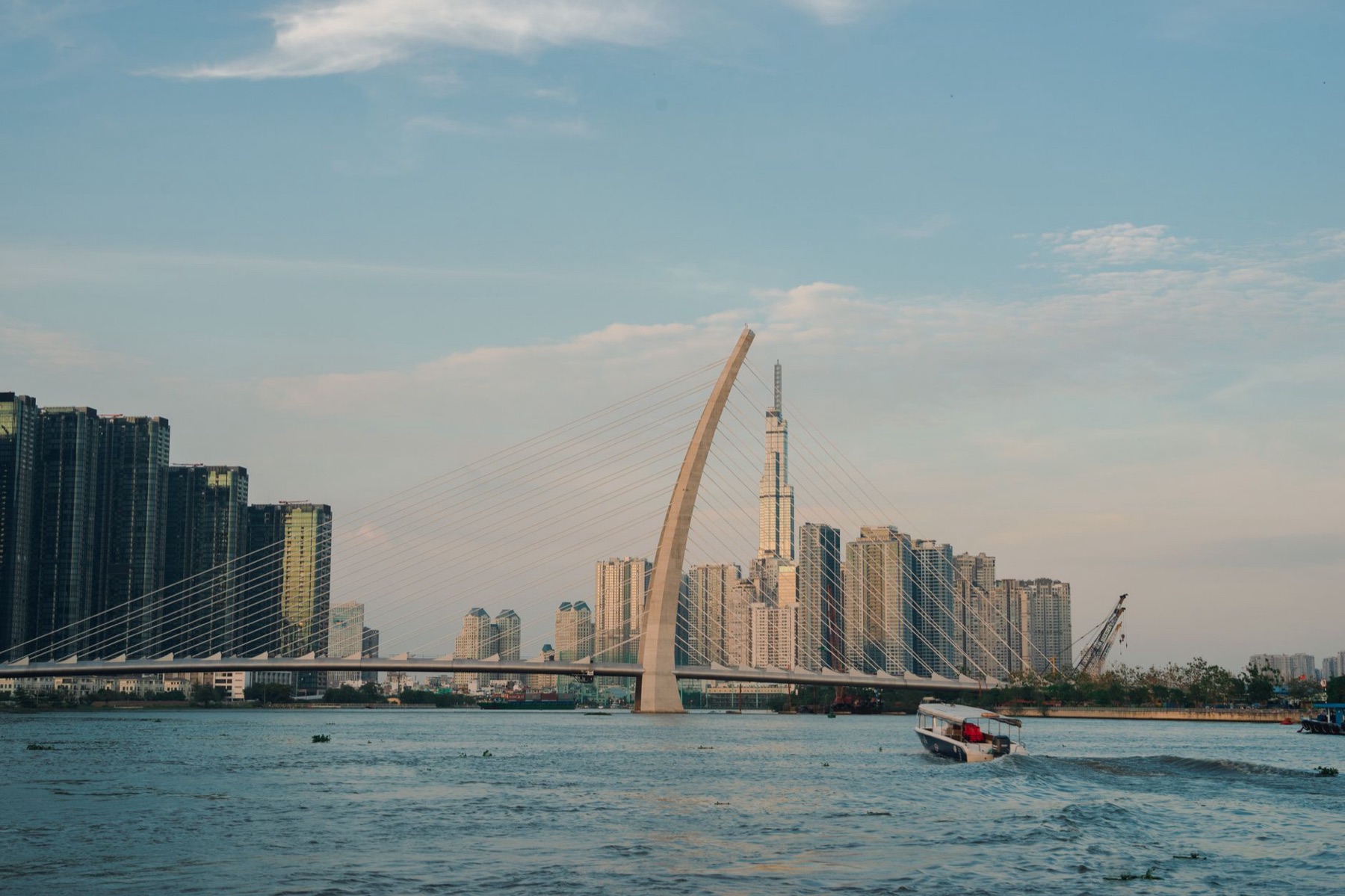
District 3 is where we spend weekends—real cafes, no "tour menus," and laundry shops still outnumber tourist traps. District 5 (Cho Lon) is overwhelming on first visit but rewarding; hire a cyclo driver (negotiate around 100,000 VND / $4 USD per hour) who speaks basic English. Thu Thiem is newer but worth an afternoon for riverfront parks and the emerging food scene—take the free pedestrian bridge from District 1. Avoid Pham Ngu Lao Street at night; it's overrun with motorbike taxis and drink hawkers targeting tourists.
📸 Book an ao dai photoshoot in Hanoi or Saigon (Cáo Studio)
What One-Day and Multi-Day Trips Are Worth Leaving the City?
Mekong Delta day trips (around 550,000–850,000 VND / $22–34 USD including boat, lunch, and guide) depart from Pham Ngu Lao or Can Tho. Skip the floating markets (overbooked); ask a guide for fruit orchards and local family homestays instead. Ben Tre Province (1.5 hours by car) is less crowded and better for coconut plantations. Cu Chi Tunnels (mentioned above) is half a day; combine it with a return through rubber plantations if your guide allows. If you have 2–3 days, plan a trip to Ninh Binh or Ha Long Bay—both are UNESCO sites and reachable by bus or train from Ho Chi Minh City (5–8 hours). For a slower pace, explore Hoi An (1 hour by plane or 18 hours by bus) for lantern culture and tailoring.
🗺️ Plan your route: Vietnam itinerary
What Temples, Parks, and Cultural Sites Feel Real?
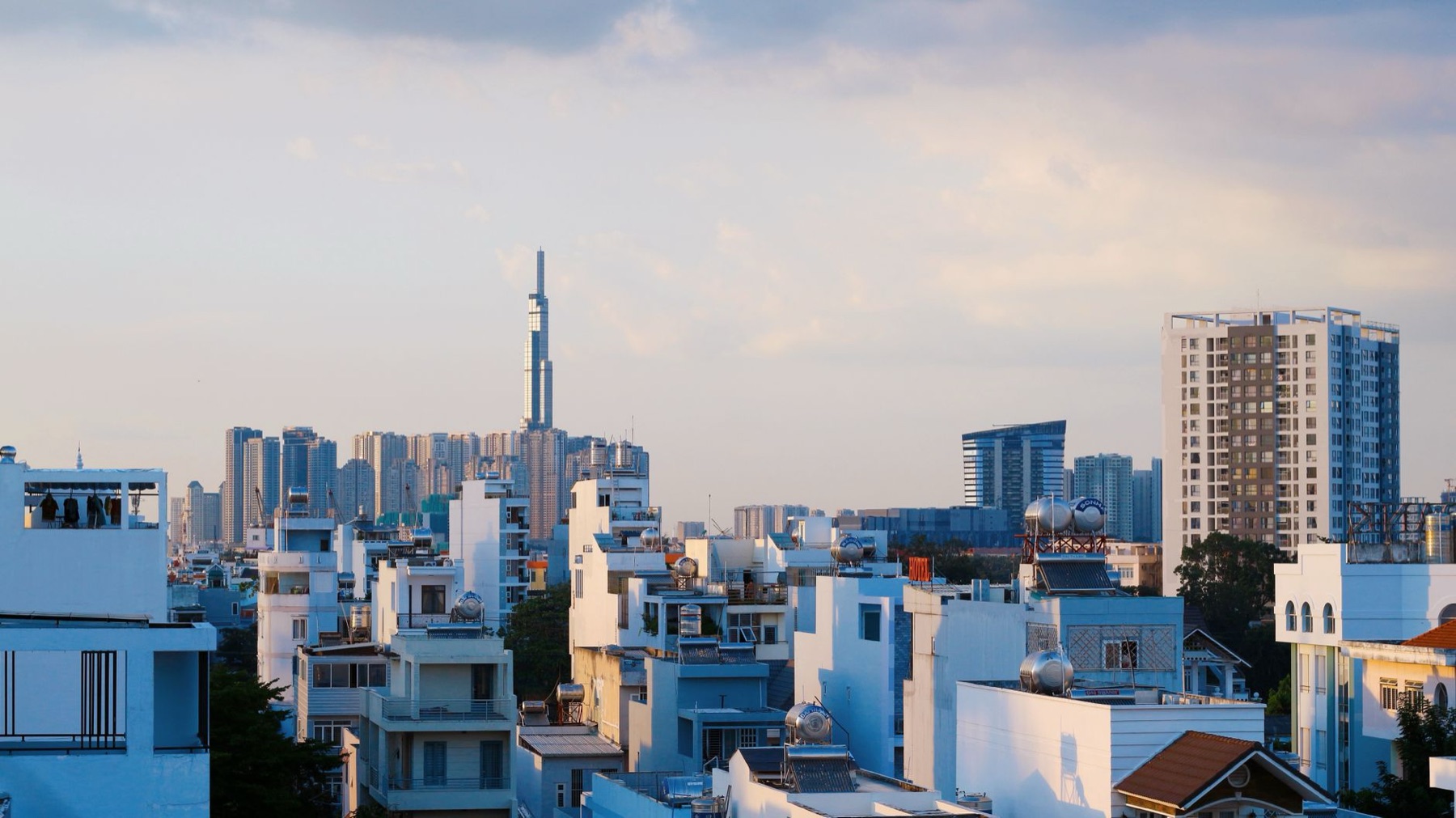
Jade Emperor Pagoda (Chua Ngoc Hoang) in District 5 is the best temple—ornate, working (not a museum), and packed with locals burning incense. Entrance is free; dress respectfully (covered shoulders and knees). Mariamman Temple (Hindu) in District 1 is smaller but stunning; donation-based. Tao Duc Park (Cong Vien Tao Duc) in District 7 is where locals run and walk—flat, quiet, worth a sunrise visit. The Saigon River walk along Thu Thiem (free, early morning) beats paid sunset cruises; walk from Landmark 81 south toward the riverside. Bitexco Financial Tower (District 1) has a 49th-floor observation deck (around 200,000 VND / $8 USD); the view is good but arrive after 5 p.m. to avoid glare. Skip the synthetic "water puppet" shows aimed at tourists; catch a real performance at Thanh Ha Theater only if you speak Vietnamese or find a detailed description first.
🎟️ Compare tours & tickets for this place
---
What to Check Before You Book or Buy
Motorbike Taxi Scams: Agree on a fare before getting on. Grab app or meter taxis (Vinasun, Mai Linh) are safer. Never hand over your phone to arrange rides with strangers.
Market Prices: Haggle gently at Ben Thanh Market only if buying crafts or clothes; food vendors have fixed prices and won't budge.
Tour Operators: Book through your hotel or reputable online platforms; street touts often oversell and underdeliver. Ask for guide reviews or phone numbers to verify.
Timing: Heat peaks noon–3 p.m.; explore temples and markets early. Museums close early (usually 5 p.m.); plan accordingly.
eSIM & Communication: Get a Vietnam eSIM before arrival or buy a local SIM card at the airport (Viettel, Mobifone) for 50,000 VND (~$2 USD) plus credit.
Visa Requirements: Check Vietnam e-visa deadlines if entering overland from Cambodia or Thailand.
---
Bring a Piece of Ho Chi Minh City Home
After days wandering markets and temples, a thoughtful gift or keepsake grounds the memory. Consider personalized prints or star-map keepsakes marking the date and coordinates of your arrival. Engraved wooden boxes work for storing receipts or pressed flowers from street-food markets. Custom photo prints from your cyclo ride or temple visit capture neighborhoods more honestly than postcards. If you've done a professional photoshoot—perhaps in Cáo Studio's ao dai session in Saigon—frame a print as an anniversary gift.
For friends at home, send a gift from Vietnam that tells your story: a map of your walking routes, coordinates of your favorite pho stall, or a date-specific print of the Mekong sunset. These outperform generic souvenirs and spark real conversations.
---
Keep Exploring Vietnam Beyond Ho Chi Minh City
Ho Chi Minh City is the entry point, not the destination. Once you've mastered Districts 1, 3, and 5, expand north. Hanoi offers different energy—older, colder, more chaotic. Ha Long Bay is the UNESCO poster child; go off-peak (September–October or April–May) to avoid cruise-ship gridlock. Hoi An resets your pace with lanterns and quiet streets. Sapa rewards trekkers with mountain air and ethnic minority villages. Start in Ho Chi Minh City for logistics and food education, then migrate outward—that's how the country reveals itself.
FAQ
Is Ben Thanh Market actually worth visiting, or is it just tourist hype?
Ben Thanh (Cho Ben Thanh) is worth 1–2 hours for its architectural merit and central location, but it's not where locals eat. Go early (7–8 a.m.) to see real commerce; by 10 a.m. it's packed with tour groups. Buy dried fruit or crafts, not meals—prices are inflated compared to street stalls in District 3 or District 5.
How much does a typical street-food walking tour cost, and is it better than exploring alone?
Tours run 600,000–900,000 VND (~$24–36 USD) for 3–4 hours with a guide. Pros: translation, context, insider stops. Cons: fixed itinerary, slower pace, depends on guide quality. Try one early in your trip for orientation, then explore solo after—you'll recognize neighborhoods better.
What's the safest way to get around Ho Chi Minh City if I don't rent a motorbike?
Use Grab app (ride-hailing, similar to Uber) for point-to-point trips—sets fares electronically, no negotiation. Meter taxis (Vinasun, Mai Linh) are also safe; avoid unmarked taxis. For short distances and atmosphere, cyclo (pedal bike taxi) costs 100,000–150,000 VND (~$4–6 USD) per hour negotiated upfront.
How many days in Ho Chi Minh City is enough before getting bored?
3–4 days covers major sites and neighborhoods. Day 1: District 1 museums and Ben Thanh. Day 2: District 3 and District 5 street food and temples. Day 3: Mekong Delta day trip or Thu Thiem walk. Day 4: Rest, cafes, revisit favorites. Longer than 5 days without side trips feels repetitive unless you're living like a local.
When's the best time to visit Ho Chi Minh City, and what should I avoid?
November–February (cool and dry, 20–27°C) is ideal; avoid April–May (hot, up to 40°C+). September–October is a sweet spot if you accept afternoon showers. June–August are very hot and humid. Tet (Lunar New Year, January–February dates vary) means closures, higher prices, and crowds—plan around it unless you want the festival atmosphere.
Should I get travel insurance or a Vietnam e-visa before flying to Ho Chi Minh City?
E-visa is mandatory for most Western passports; process it 1–3 weeks before travel via the official government portal or a trusted agent (watch for scams; use your embassy's recommended list). Travel insurance is optional but recommended—covers medical, cancellations, and evacuation. Get both sorted before boarding.
FAQ
Is Ben Thanh Market actually worth visiting, or is it just tourist hype?
Ben Thanh (Cho Ben Thanh) is worth 1–2 hours for its architectural merit and central location, but it's not where locals eat. Go early (7–8 a.m.) to see real commerce; by 10 a.m. it's packed with tour groups. Buy dried fruit or crafts, not meals—prices are inflated compared to street stalls in District 3 or District 5.
How much does a typical street-food walking tour cost, and is it better than exploring alone?
Tours run 600,000–900,000 VND (~$24–36 USD) for 3–4 hours with a guide. Pros: translation, context, insider stops. Cons: fixed itinerary, slower pace, depends on guide quality. Try one early in your trip for orientation, then explore solo after—you'll recognize neighborhoods better.
What's the safest way to get around Ho Chi Minh City if I don't rent a motorbike?
Use Grab app (ride-hailing, similar to Uber) for point-to-point trips—sets fares electronically, no negotiation. Meter taxis (Vinasun, Mai Linh) are also safe; avoid unmarked taxis. For short distances and atmosphere, cyclo (pedal bike taxi) costs 100,000–150,000 VND (~$4–6 USD) per hour negotiated upfront.
How many days in Ho Chi Minh City is enough before getting bored?
3–4 days covers major sites and neighborhoods. Day 1: District 1 museums and Ben Thanh. Day 2: District 3 and District 5 street food and temples. Day 3: Mekong Delta day trip or Thu Thiem walk. Day 4: Rest, cafes, revisit favorites. Longer than 5 days without side trips feels repetitive unless you're living like a local.
When's the best time to visit Ho Chi Minh City, and what should I avoid?
November–February (cool and dry, 20–27°C) is ideal; avoid April–May (hot, up to 40°C+). September–October is a sweet spot if you accept afternoon showers. June–August are very hot and humid. Tet (Lunar New Year, January–February dates vary) means closures, higher prices, and crowds—plan around it unless you want the festival atmosphere.
Should I get travel insurance or a Vietnam e-visa before flying to Ho Chi Minh City?
E-visa is mandatory for most Western passports; process it 1–3 weeks before travel via the official government portal or a trusted agent (watch for scams; use your embassy's recommended list). Travel insurance is optional but recommended—covers medical, cancellations, and evacuation. Get both sorted before boarding.
More: Ho Chi Minh City guide · Things to do in Ho Chi Minh City