Ho Chi Minh City · Things to do
Best Things to Do in Ho Chi Minh City 2026: Local Guide
By Wander in Vietnam editorial team · Hanoi, Vietnam
Ho Chi Minh City moves fast. Most visitors arrive with a guidebook five years old, skip the actual neighbourhoods locals use, and leave having eaten at the same five tourist-zone restaurants everyone else did. Over years of walking these streets ourselves, we've learned which activities genuinely deliver, what feels authentic, and where your money disappears into a tourist trap.
This isn't a list of 47 things to do. It's the core set—the ones that matter—plus the framework to avoid wasting time.
What are the real essentials in central HCMC?
Start in District 1's core: Nguyen Hue Walking Street and the Saigon River. This pedestrian area opens daily (no fixed hours; busiest evenings after 6 PM) and costs nothing. Walk east toward Ben Thanh Market (around 07:00–18:00 daily, closed major Tet periods). The market is chaotic, full of tourists and locals buying textiles, souvenirs, and spices. Entry is free; assume 50,000–150,000 VND (~$2–6 USD) per souvenir if you buy.
North from there, hit District 3's Jade Emperor Pagoda (19 Điện Biên Phủ, District 3; open 08:00–18:00; free entry, donations welcome). It's crowded but real—you'll see locals praying, not just tourist cameras. The War Remnants Museum (28 Võ Văn Tần, District 3; 07:30–17:30 daily; around 100,000 VND/~$4 USD) requires 2–3 hours minimum. It's heavy, important, and unavoidable for anyone serious about Vietnam's modern history.
Skip: "Imperial Palace" tours advertised on the street. No palace remains. Skip overpriced cyclo rides from District 1 touts (locals say 200,000+ VND/~$8 USD for 30 minutes when the real rate is half that).
🗺️ Plan your route: Vietnam itinerary
Where should you eat, and how much will it cost?
Pho and bánh mì are breakfast. Hunt for a pho joint in District 5 (ethnic Vietnamese neighborhood, not tourist), order a small bowl (around 30,000–50,000 VND/~$1–2 USD), and eat standing. Bánh mì stalls near Ben Thanh Market cost 20,000–40,000 VND (~$1 USD).
Lunch: Com tam (broken-rice dishes) shops in Districts 1, 3, or 5. Expect 40,000–80,000 VND (~$1.50–3 USD) for rice, grilled pork, and pickles. Avoid the central Saigon Center food courts; the prices don't match the quality.
Evening: Street food tours in District 5 or old Saigon areas (Tran Hung Dao, Ly Tu Trong) run 300,000–600,000 VND (~$12–24 USD) per person, 2–3 hours, and are worth it once. Cooking classes (District 1 or 3) start around 500,000 VND (~$20 USD) for half-day, hands-on. Book via your guesthouse or reputable tour operators—avoid Booking.com "best rated" traps.
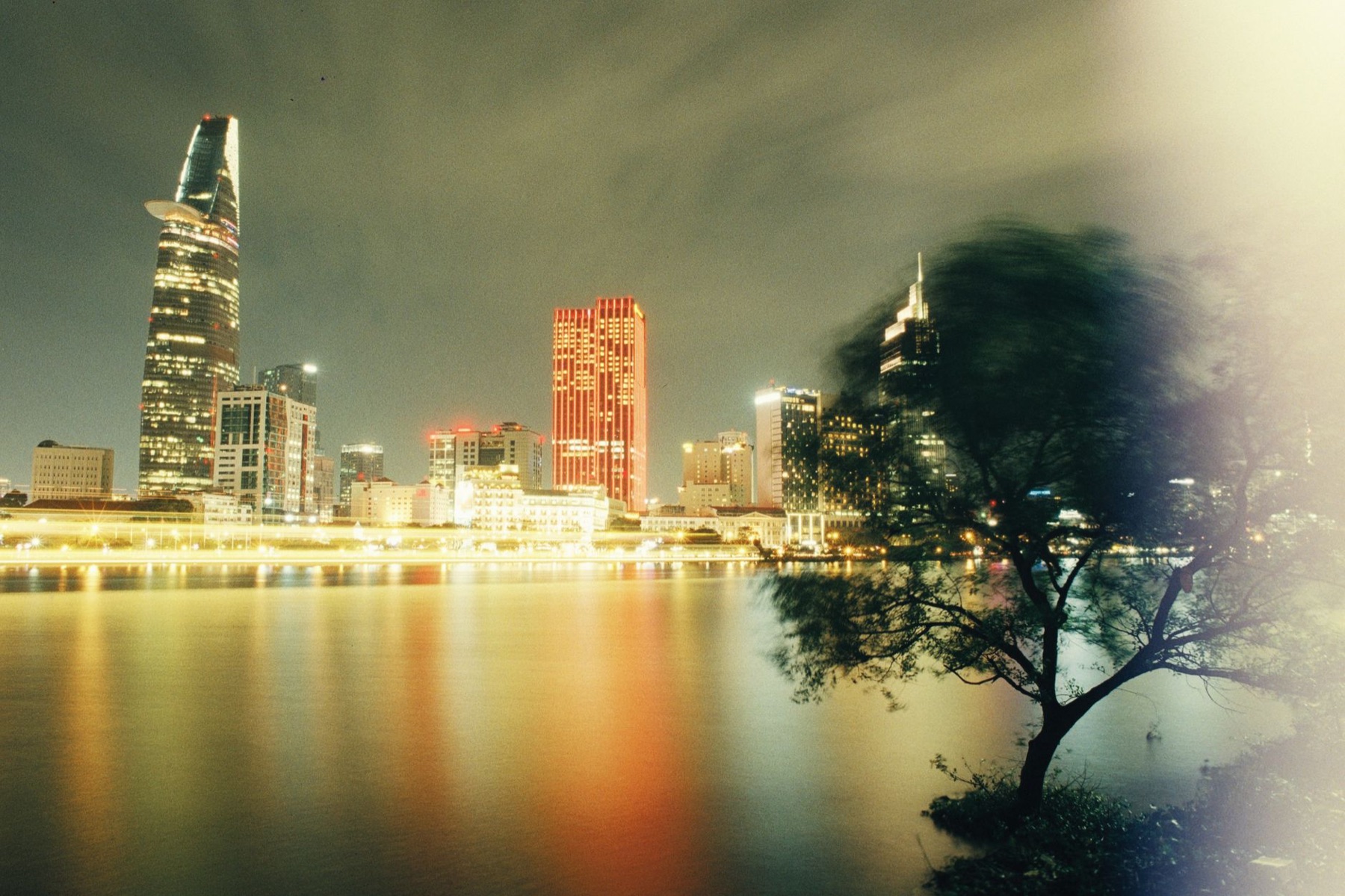
Rooftop bars (Saigon Saigon, Bitexco, Chill Sky) cost 150,000–300,000 VND (~$6–12 USD) per cocktail. Sunset views are real, but arrive 16:30–17:00 or they're packed. Local beer at street stalls: 15,000–30,000 VND (~$0.60–1.20 USD).
Budget Breakdown: One Day in HCMC
| Activity | Cost (VND) | Cost (USD) | Duration | Honest Take |
|---|---|---|---|---|
| Pho breakfast | 30,000–50,000 | $1–2 | 20 min | Local, authentic, essential |
| Ben Thanh Market + browsing | Free entry | $0 | 1 hour | Crowded but real |
| Jade Emperor Pagoda | Free (donate 20k+) | $0–1 | 45 min | Worth it; hire guide separately |
| Street lunch (com tam) | 50,000–80,000 | $2–3 | 30 min | Beats tourist restaurants |
| War Remnants Museum | 100,000 | $4 | 2–3 hours | Demanding but essential history |
| Rooftop drink at sunset | 150,000–300,000 | $6–12 | 1.5 hours | Tourist, but honest experience |
| Day Total | ~500,000–700,000 | ~$20–28 | ~8 hours | Realistic, no major scams |
What tours actually deliver value?
Mekong Delta day tours (full-day, 600,000–1,200,000 VND/~$24–48 USD) from central HCMC are worth booking only if your tour operator includes homestay lunch and avoids the "floating market tourist trap" (where vendors block the narrow canal, charge inflated prices). Ask in advance: does the tour stop at working farms and orchards, or only market stalls? Real Mekong tours go to Cai Rang or Phong Dien floating markets before 07:00, when actual trading happens.
City motorbike tours (250,000–500,000 VND/~$10–20 USD) run by solo operators or small agencies beat big groups. You'll visit Districts 5, 10, or 11 (local areas), street food stops, and hidden temples. The driver's English may be basic; that's often more authentic.
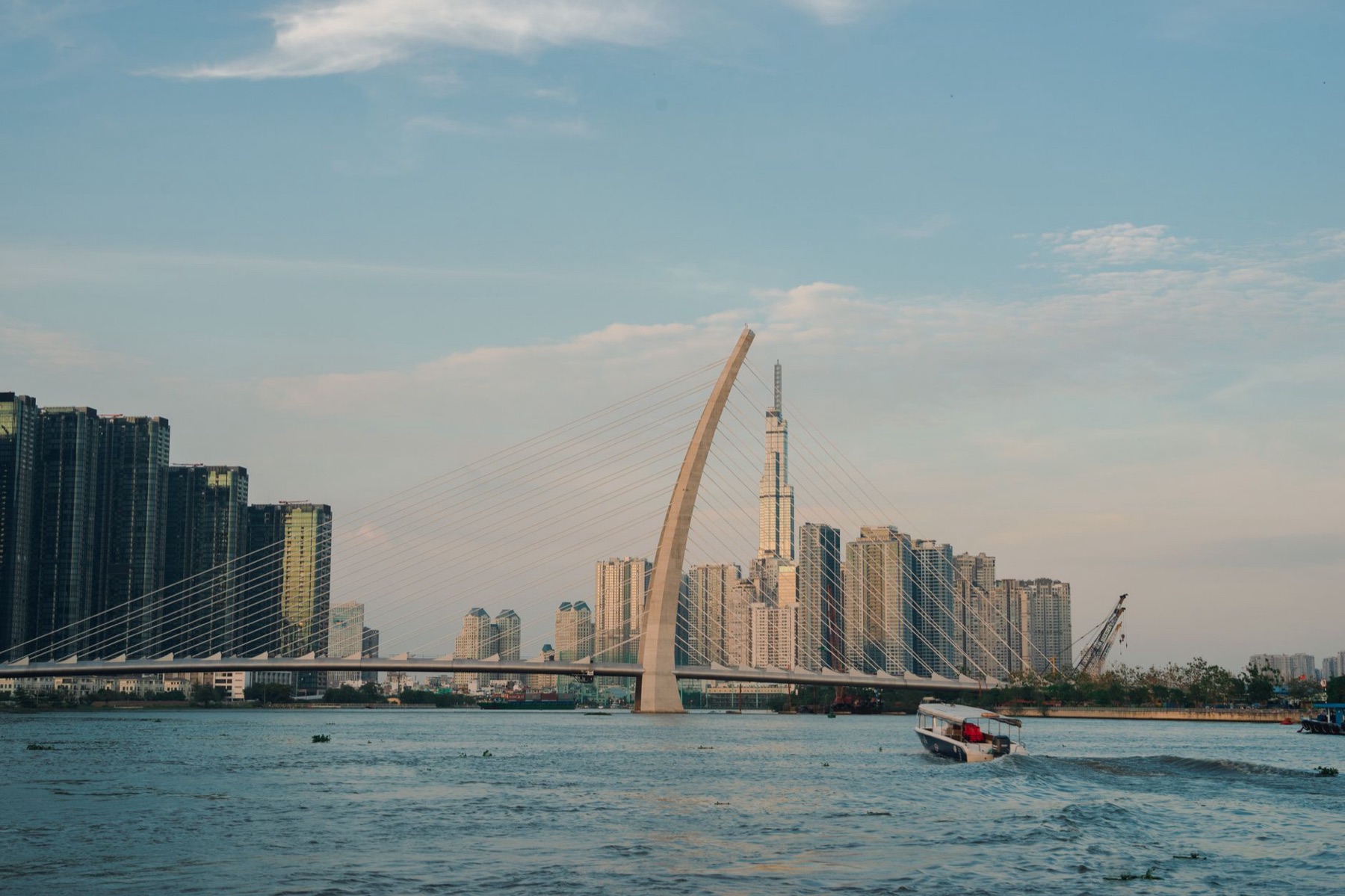
Sunset river cruises (Saigon River, 2 hours, 350,000–700,000 VND/~$14–28 USD) are touristy but honest—you'll see the city skyline and Binh Tay Market lit up. Avoid "dinner cruises" unless you book directly with the operator (not via Viator or Klook, where commissions inflate prices 50%).
Skip: "War tunnel tours" that claim to recreate Cu Chi Tunnels near HCMC. The site is 70 km away, half the "tunnels" are reconstructed for tourists, and you're paying 500,000 VND (~$20 USD) for a minibus ride and claustrophobia.
📸 Book an ao dai photoshoot in Hanoi or Saigon (Cáo Studio)
Which museums and cultural spaces are unmissable?
War Remnants Museum (District 3): Graphic, unapologetic documentation of the war from the Vietnamese perspective. Bring tissues. Allow 2–3 hours. 100,000 VND (~$4 USD).
Fine Arts Museum (97 Phó Đức Chính, District 1; 10:00–17:30, closed Mondays; 50,000 VND/~$2 USD): Vietnamese traditional art and some contemporary work. Quieter than War Remnants. Worth 1–1.5 hours.
Artbook (multiple locations, District 1–3): Independent bookshop-gallery hybrid. Free entry, art books, prints, and small exhibitions. Spend 30–45 minutes if you like independent publishing.
IDECAF (District 1): Coffee roastery and minimal art space. Order a flat white (around 80,000 VND/~$3 USD) and sit for an hour. Real creative space, not a tourist photo op.
Skip: Binh Tay Market at midday (too crowded; go 08:00–10:00). Skip "traditional medicine shops" on tourist streets (overpriced; locals buy from neighborhood pharmacies).
How do you move around without scams or wasting money?
Grab (ride-hailing app): Download before arrival. Rides cost 40,000–120,000 VND (~$1.50–5 USD) across Districts 1–3. Transparent pricing. Always use the app; street taxis overcharge tourists systematically.
Motorbike taxi (Grab Bike): 20,000–50,000 VND (~$1–2 USD) per ride. Fast, sometimes chaotic, genuinely local. Wear a helmet they provide (often questionable condition).
Walking: Districts 1, 3, 5 are walkable, especially in early morning (07:00–10:00) before heat sets in. Bring water, closed-toe shoes (broken pavements), and a crossbody bag (not a backpack—it makes you a target).
Metro (Line 1, Saigon Metro): Operates District 1 to Thu Duc (mostly empty, not tourist-friendly yet). Skip it unless heading to the far suburbs.
Avoid taxis flagged on the street. Meters run double, drivers claim breakdowns, or they take long routes. Every time. Use Grab only.
What's actually worth buying as a souvenir?
Silk items (scarves, ao dai fabric, pillowcases) from Ben Thanh or Binh Tay Market: 150,000–500,000 VND (~$6–20 USD). Verify weight and sheen with a local before buying; some "silk" is polyester. Negotiate prices 20–30% down from opening ask.
Lacquerware (trays, boxes, decorative items): Quality pieces from District 1 galleries cost 300,000–2,000,000 VND (~$12–80 USD). Tourist versions cost half but crack within months. Visit collections page for keepsake boxes and star map prints to explore alternatives that travel well.
Coffee (single-origin Vietnamese beans): From specialty roasters like Artbook or IDECAF, 150,000–300,000 VND (~$6–12 USD) per 250g bag. Avoid vacuum-sealed "airport coffee"—it's often instant or repackaged.
Coconut candy (keo dua, from Binh Tay Market): 40,000–100,000 VND (~$1.60–4 USD) per pack. Tourist gift, low-risk, locally made. Check expiry dates.
Handmade items from Artbook or local galleries: paintings, prints, ceramics. No standardized price; expect 200,000–1,000,000 VND (~$8–40 USD) for authentic work. Ask the artist's name and story; that justifies the price.
Skip: Knockoff watches, "designer" belts on street stalls (fake, unreliable). Skip "lucky charms" sold by street vendors; they're mass-produced plastics.
🎟️ Compare tours & tickets for this place
What to check before you go
Internet & communication: Get a Vietnam eSIM before arrival (5–10 days international shipping, or instant digital activation upon arrival). Local SIM cards from Viettel or Mobifone cost 50,000–100,000 VND (~$2–4 USD) for data; eSIM avoids the hassle.
Entry requirements: Most nationalities enter visa-free for 90 days (US, UK, EU, Australia). Confirm at Vietnam e-visa guide. If you need a visa extension in-country, local agencies charge 1,500,000–2,500,000 VND (~$60–100 USD); don't use street touts.
Weather: November–February (cool, dry, perfect). March–May (hot, hazy). June–September (monsoon, humid, sometimes flooding in Districts 1–2). Pack lightweight, quick-dry clothes and good rain gear.
Vaccinations: No mandatory vaccines, but typhoid and Japanese encephalitis are recommended. Check with a travel clinic 4–6 weeks before departure.
Scams to watch for:
- Tuk-tuk drivers quoting prices in USD, then demanding VND at triple the rate.
- "Art student" on street asking to sell you a painting; it's a setup for a fake ATM or theft.
- Friendly "local" at a café offering to show you a "local market"; they take you to a high-commission shop or closed "tour."
- Tailors promising custom suits in 24 hours; you'll get low-quality polyester or nothing.
Related guides for your Vietnam trip
Heading north? Check our Hanoi guide for street food, Old Quarter walks, and Hoan Kiem Lake. For beach and heritage, see Hoi An and Ha Long Bay. Inland adventures: Ninh Binh for karst scenery and Sapa for mountain trekking and hill-tribe markets.
Plan your full itinerary: Vietnam itinerary planner.
FAQ
Is it safe to travel alone in Ho Chi Minh City?
Yes. Petty theft from bags on motorbikes is rare if you don't flash expensive gear. Violent crime targeting tourists is extremely uncommon. Avoid dark side streets after 23:00, use Grab instead of street taxis, and keep documents separate from cash. Women solo travellers report feeling safe in central areas; use common sense as you would in any big city.
How many days should I spend in HCMC?
Two to three days covers essentials: markets, War Remnants, river walk, food, and a day trip (Mekong or Cu Chi). Four days lets you add arts spaces, cooking class, and downtime. More than five becomes repetitive unless you're working or studying. Most visitors split time between HCMC and other regions.
Do I need to book tours in advance?
No. Walk-in bookings at guesthouse fronts work fine for Mekong, motorbike, and river tours. War Remnants Museum and markets have no booking needed. Cooking classes benefit from 1–2 days notice. Major group tours via Viator/Klook are overpriced; book locally for 40–60% savings.
What's the best time to visit?
November to January (cool, low humidity, 22–28°C). February–March is warm but bearable. Avoid May–October (heat, humidity 80%+, occasional flooding). Tet (lunar new year, late January–early February) means some shops close, but street atmosphere is festive and unique.
Is the food safe to eat from street vendors?
Generally yes. Busy stalls (high turnover) are safer than quiet ones. Eat cooked food, not raw salads. Avoid unpeeled fruit. Drink bottled water or filtered drinks. Most visitors get minor stomach adjustments, not serious illness. Bring oral rehydration salts as backup.
How much money should I bring for a day?
A realistic day costs 400,000–800,000 VND (~$16–32 USD): budget breakfast/lunch (80,000–120,000), one paid activity (100,000–300,000), dinner (150,000–200,000), drinks (100,000–300,000), and transport (50,000–100,000). Bring cash; many vendors don't take cards. ATMs are everywhere; withdrawal fees are ~20,000 VND (~$0.80 USD).
FAQ
Is it safe to travel alone in Ho Chi Minh City?
Yes. Petty theft from bags on motorbikes is rare if you don't flash expensive gear. Violent crime targeting tourists is extremely uncommon. Avoid dark side streets after 23:00, use Grab instead of street taxis, and keep documents separate from cash. Women solo travellers report feeling safe in central areas; use common sense as you would in any big city.
How many days should I spend in HCMC?
Two to three days covers essentials: markets, War Remnants, river walk, food, and a day trip (Mekong or Cu Chi). Four days lets you add arts spaces, cooking class, and downtime. More than five becomes repetitive unless you're working or studying. Most visitors split time between HCMC and other regions.
Do I need to book tours in advance?
No. Walk-in bookings at guesthouse fronts work fine for Mekong, motorbike, and river tours. War Remnants Museum and markets have no booking needed. Cooking classes benefit from 1–2 days notice. Major group tours via Viator/Klook are overpriced; book locally for 40–60% savings.
What's the best time to visit?
November to January (cool, low humidity, 22–28°C). February–March is warm but bearable. Avoid May–October (heat, humidity 80%+, occasional flooding). Tet (lunar new year, late January–early February) means some shops close, but street atmosphere is festive and unique.
Is the food safe to eat from street vendors?
Generally yes. Busy stalls (high turnover) are safer than quiet ones. Eat cooked food, not raw salads. Avoid unpeeled fruit. Drink bottled water or filtered drinks. Most visitors get minor stomach adjustments, not serious illness. Bring oral rehydration salts as backup.
How much money should I bring for a day?
A realistic day costs 400,000–800,000 VND (~$16–32 USD): budget breakfast/lunch (80,000–120,000), one paid activity (100,000–300,000), dinner (150,000–200,000), drinks (100,000–300,000), and transport (50,000–100,000). Bring cash; many vendors don't take cards. ATMs are everywhere; withdrawal fees are ~20,000 VND (~$0.80 USD).
More: Ho Chi Minh City guide · Things to do in Ho Chi Minh City